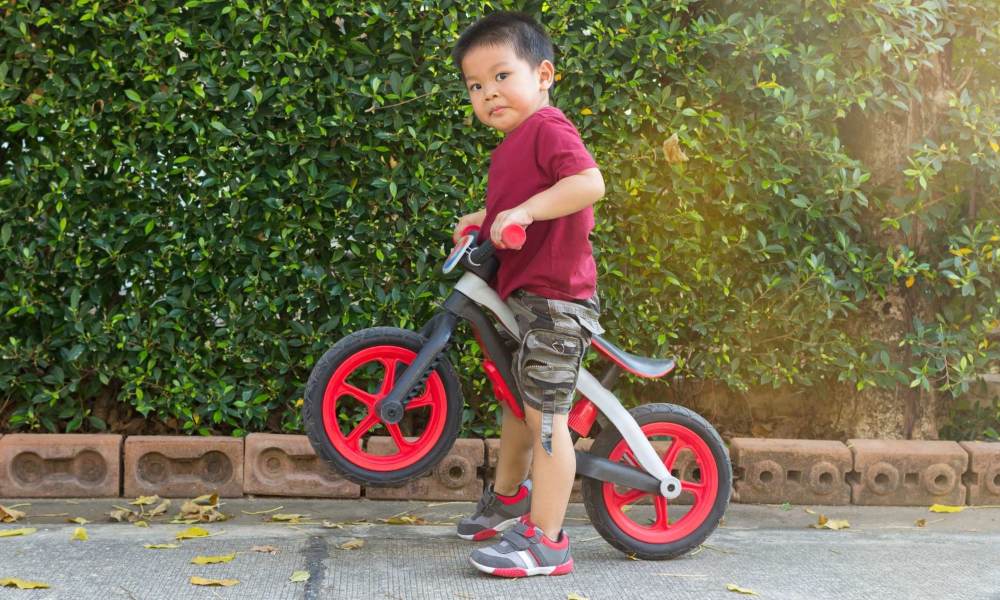
Balance bikes have revolutionized the way young children learn to ride bicycles. These pedal-free wonders help toddlers develop balance, coordination, and confidence before transitioning to traditional bikes. With their low-to-the-ground design and intuitive operation, balance bikes provide a safe and enjoyable introduction to cycling for little ones.
The market for balance bikes has expanded significantly, offering parents a wide array of options to suit their child’s needs and preferences. From lightweight frames to adjustable seats and handlebars, manufacturers have incorporated innovative features to enhance the riding experience for budding cyclists.
Choosing the right balance bike can significantly impact a child’s early cycling journey. Factors such as durability, safety features, and size adjustability play crucial roles in ensuring a positive and lasting experience. This guide explores the Puky Balance Bike and 4 compelling alternatives that help parents make informed decisions for their young riders.
Quick Pick Section
Featured Product
| Product Name | Color | Age Range | Special Feature |
|---|---|---|---|
| Puky LR M Balance Bike | Black | 3-5 Years | Maintenance-free Tires |
4 Best Alternatives
| Product Name | Color | Age Range | Special Feature | Price | |
|---|---|---|---|---|---|
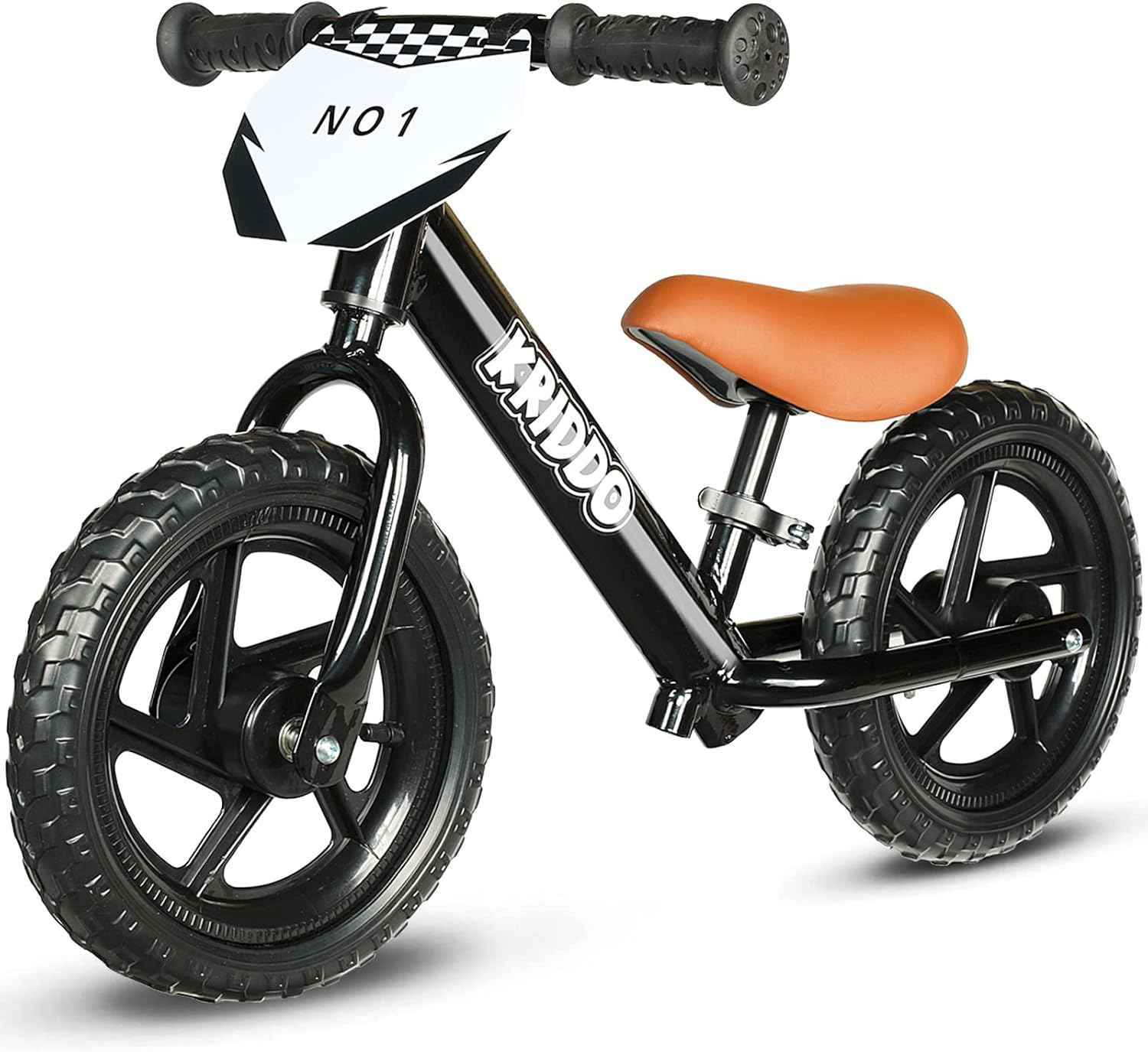
| KRIDDO Toddler Balance Bike |  | Black | 2-5 Years | Customizable Plate | Check Price On Amazon |
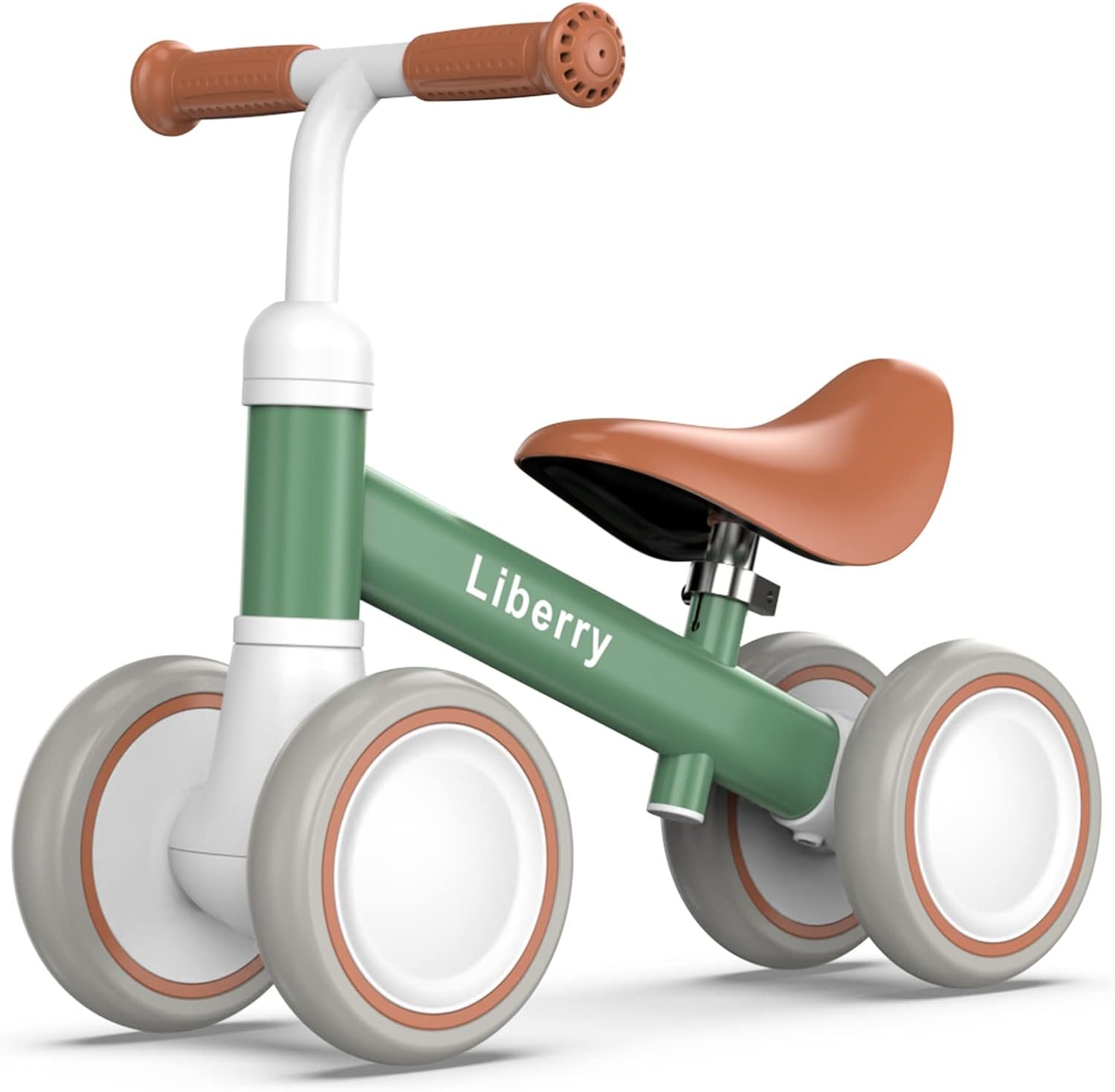
| Liberry Baby Balance Bike |  | Green | 1-3 Years | 4-Wheel Design | Check Price On Amazon |
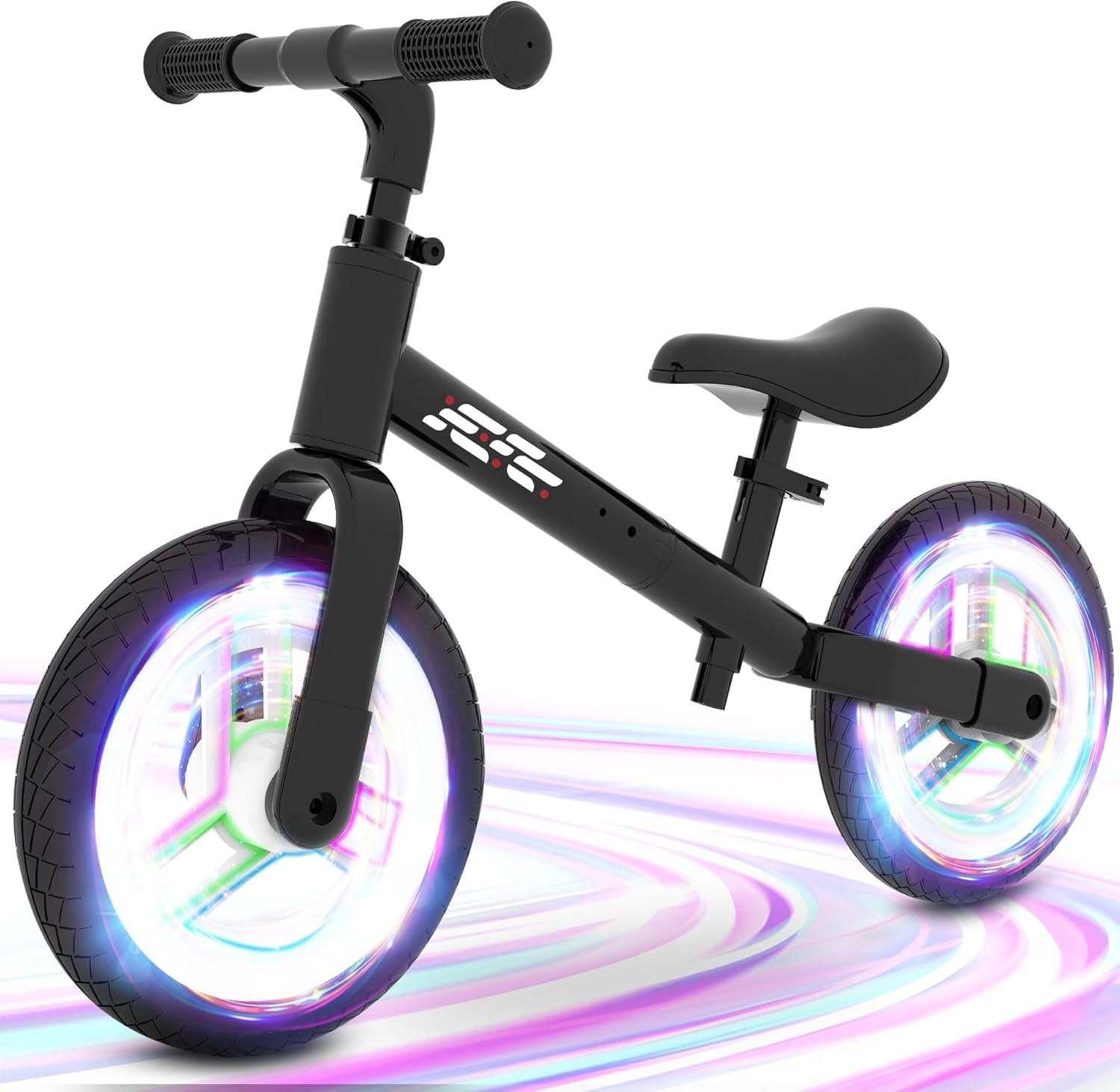
| WETIFY Balance Bike |  | Black | 2-5 Years | Colorful Lighting | Check Price On Amazon |
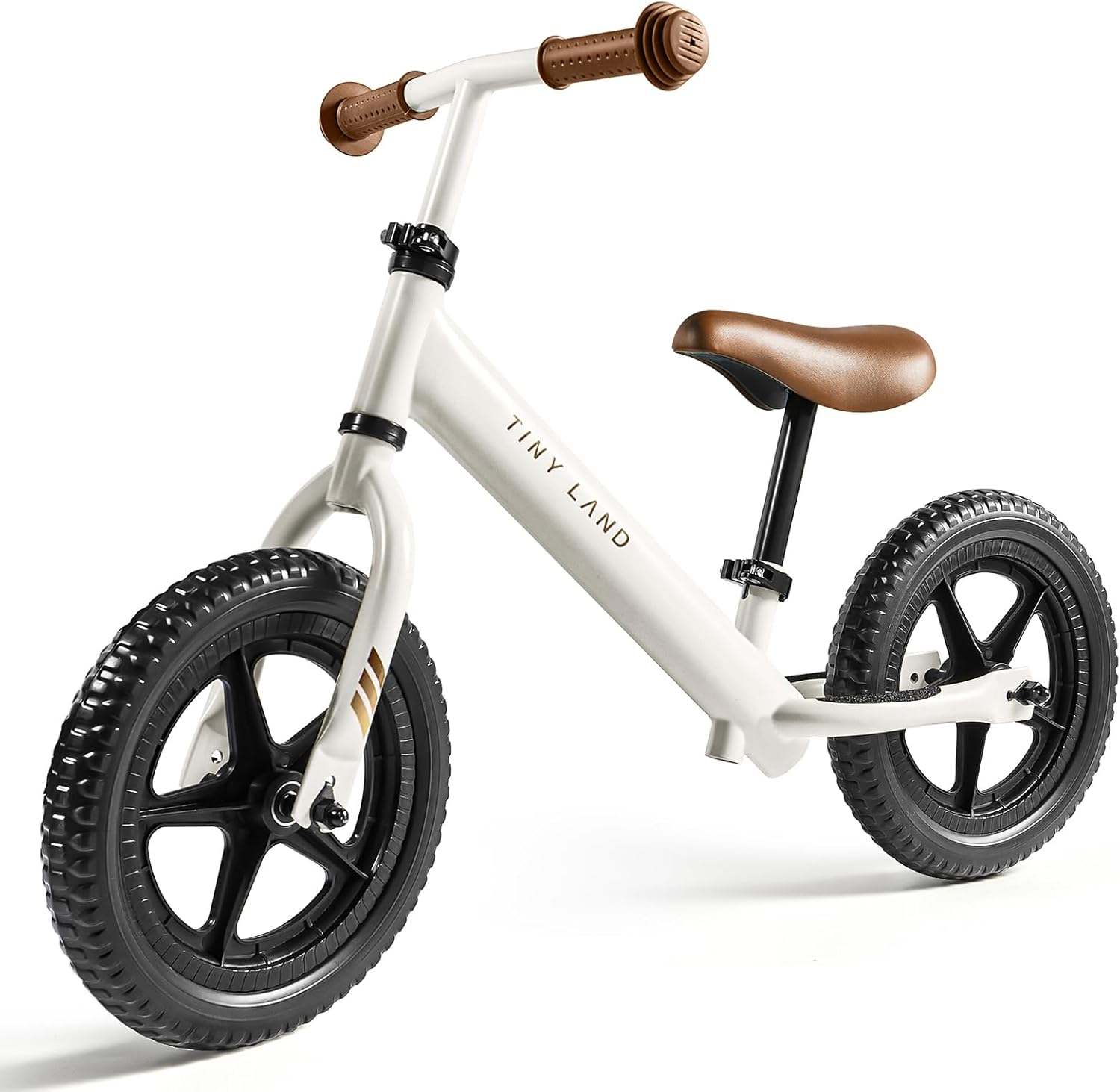
| Tiny Land Ultra-Light Balance Bike |  | White | 2-5 Years | Premium Aluminum Frame | Check Price On Amazon |
Featured Product
Puky LR M Balance Bike
Key Specs
- Color: Black
- Age Range: 3-5 Years
- Special Feature: Maintenance-free Tires
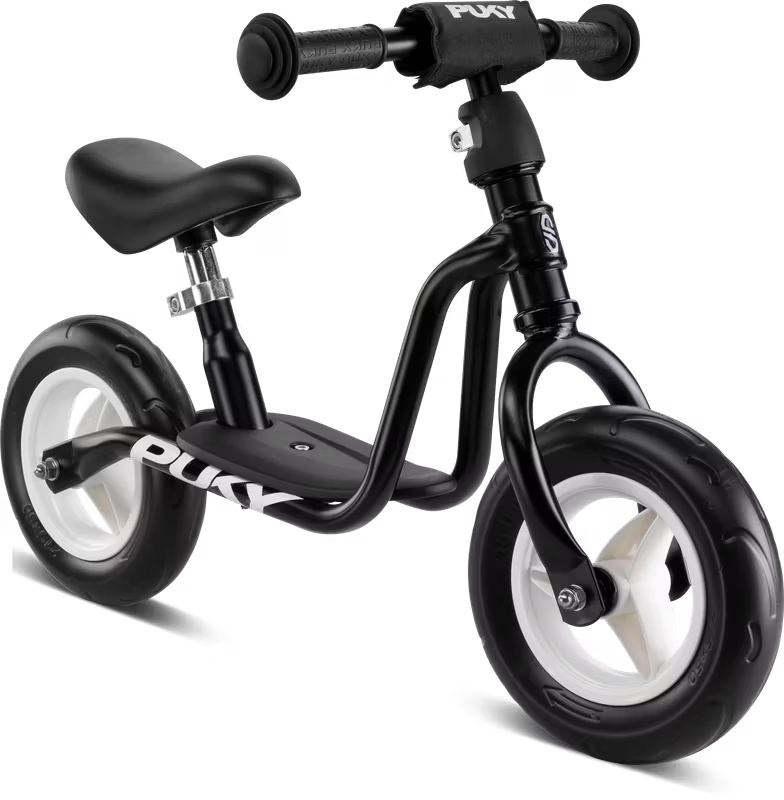
The Puky LR M Balance Bike exemplifies German engineering excellence in the realm of children’s bicycles. This thoughtfully designed balance bike caters to young riders aged 3 to 5 years, providing a stable and comfortable platform for developing crucial cycling skills.
At the heart of this balance bike are its 10-inch soft tires, which offer a perfect blend of grip and comfort. These maintenance-free tires ensure a smooth, whisper-quiet ride across various surfaces, allowing children to focus on balance and coordination without distractions. The bike’s safety-oriented design extends to its handlebar, featuring protective grips that safeguard tender hands and mitigate potential impacts.
The Puky LR M’s ergonomic banana saddle is a standout feature, designed to keep young riders securely in place as they propel themselves forward. This clever seat design, combined with the bike’s low step-through frame, enables children to mount and dismount with ease, fostering independence and confidence in their riding abilities. The balance bike’s robust construction ensures it can withstand the inevitable tumbles of early cycling adventures, making it a reliable companion for budding riders.
4 Best Alternatives of 2026
1. KRIDDO Toddler Balance Bike – Our Top Pick Alternative
Key Specs
- Color: Black
- Age Range: 2-5 Years
- Special Feature: Customizable Plate
KRIDDO’s Toddler Balance Bike earns our BD4U Top Pick Alternative Award for its innovative approach to personalization and safety. Designed for children aged 2 to 5 years, this 12-inch balance bike combines sturdy construction with creative customization options.
The standout feature of this balance bike is its customizable plate, which comes with three sets of stickers. This unique addition allows children to personalize their ride, fostering a sense of ownership and excitement about their bicycle. The bike’s steady balancing design provides a secure platform for young riders to develop their coordination and confidence.
Built with safety in mind, the KRIDDO balance bike features a low center of gravity and wide, stable wheels. These design elements contribute to a smooth riding experience, reducing the risk of tipping and enhancing overall stability. The bike’s adjustable seat and handlebars accommodate growing children, ensuring long-term usability and value for parents.
2. Liberry Baby Balance Bike – Runner Up Alternative
Key Specs
- Color: Green
- Age Range: 1-3 Years
- Special Feature: 4-Wheel Design
Winner of our BD4U Runner Up Alternative Award, the Liberry Baby Balance Bike introduces a unique 4-wheel design tailored for the youngest riders. This innovative approach to balance bikes caters to children aged 1 to 3 years, offering enhanced stability and confidence-building features.
The bike’s standout 4-wheel configuration provides exceptional stability, making it an ideal choice for toddlers just beginning to explore mobility. This design allows even the youngest users to experience the joy of riding while developing crucial balance and coordination skills in a safe environment. The wide wheelbase ensures the bike remains upright, reducing the risk of tipping and boosting parental peace of mind.
Adjustability is a key feature of the Liberry balance bike, with a seat that can be modified to accommodate growing children. The bike’s lightweight construction makes it easy for young riders to maneuver, while its durable materials ensure it can withstand the rigors of early childhood use. With its vibrant green color and playful design, this balance bike serves as an attractive and functional first birthday gift option.
3. WETIFY Balance Bike – Best Value Alternative
Key Specs
- Color: Black
- Age Range: 2-5 Years
- Special Feature: Colorful Lighting
Our BD4U Best Value Alternative Award goes to the WETIFY Balance Bike, which combines affordability with engaging features for young riders. Designed for children aged 2 to 5 years, this balance bike offers a unique lighting system that adds an element of fun to the learning process.
The bike’s colorful lighting feature sets it apart from traditional balance bikes, capturing children’s imagination and encouraging extended outdoor play. This innovative addition not only enhances visibility during low-light conditions but also turns each ride into an exciting adventure for young cyclists. The lights are designed to be safe and durable, withstanding the inevitable bumps and falls of early riding experiences.
Adjustability is a key strength of the WETIFY balance bike, featuring both an adjustable handlebar and seat to accommodate growing children. The no-pedal design allows riders to focus on developing balance and steering skills, crucial foundations for future cycling proficiency. With its robust construction and thoughtful design elements, this balance bike offers exceptional value for parents seeking a fun and functional riding solution for their toddlers.
4. Tiny Land Ultra-Light Balance Bike – Great Design Alternative
Key Specs
- Color: White
- Age Range: 2-5 Years
- Special Feature: Premium Aluminum Frame
The Tiny Land Ultra-Light Balance Bike, our BD4U Great Design Alternative Award winner, showcases the perfect blend of form and function in a balance bike. Crafted for riders aged 2 to 5 years, this 12-inch bike boasts a premium aluminum alloy frame that sets new standards for lightweight design in children’s bicycles.
At the core of this balance bike’s appeal is its ultra-light construction, which significantly enhances maneuverability for young riders. The reduced weight allows children to easily control and lift the bike, fostering independence and confidence in their cycling abilities. Despite its lightweight nature, the aluminum alloy frame maintains exceptional durability and is capable of withstanding the rigors of daily use and occasional tumbles.
Customization is a key feature of the Tiny Land balance bike, with both the seat and handlebar offering adjustable positions to accommodate growing children. This adaptability ensures the bike remains a comfortable and appropriate fit over an extended period, maximizing its value for parents. The sleek white finish adds a touch of sophistication to the bike’s design, making it an attractive option for style-conscious families seeking a premium, balanced bike experience.
Our Selection Process
Selecting the best balance bikes for 2026 required a thorough evaluation of factors vital to the safety, comfort, and skill development of young riders. We started by examining each bike’s frame materials and construction quality, focusing on those that combined durability with a lightweight design. This ensured that the chosen bikes could endure the challenges of early cycling experiences while remaining easy for children to handle.
Safety features played a pivotal role in our selection criteria. We examined elements such as handlebar grips, wheel stability, and overall balance to determine which bikes provided the most secure riding experience for young cyclists. Additionally, we evaluated the adjustability of each bike, considering how well it could accommodate growing children and provide long-term value for parents.
The unique features of each balance bike were carefully considered, from maintenance-free tires to innovative lighting systems. We sought out bikes that not only met basic functionality requirements but also offered engaging elements to encourage children’s enthusiasm for cycling. By synthesizing these diverse factors, we curated a list of balance bikes that represent the best options available for young riders in 2026.
Buying Guide Tips
1. Frame Material and Weight
Consider the balance bike’s frame material and overall weight. Lightweight materials like aluminum or high-grade plastics offer better maneuverability for young riders. A lighter bike is easier for children to control, lift, and carry when necessary. However, ensure that the lightweight design doesn’t compromise durability, as the bike should withstand occasional falls and regular use.
2. Adjustability and Growth Potential
Look for balance bikes with adjustable seats and handlebars. These features allow the bike to grow with your child, providing a comfortable fit over an extended period. Check the minimum and maximum seat heights to ensure the bike will accommodate your child’s growth. Some models offer tool-free adjustments, which can be particularly convenient for quick modifications.
3. Wheel Size and Tire Type
The wheel size should be appropriate for your child’s age and height. Smaller wheels (10-12 inches) are typically suitable for younger toddlers, while larger wheels (14-16 inches) work well for older children. Consider the tire type as well – air-filled tires offer better shock absorption and traction, while foam or solid rubber tires are maintenance-free and puncture-proof.
4. Safety Features and Design
Prioritize balance bikes with safety-oriented designs. Look for features like rounded edges to prevent scratches, enclosed bolts to avoid snagging, and grippy, non-slip handlebars. Some models offer additional safety elements like steering limiters to prevent oversteering or hand guards to protect against impacts. Ensure the bike has a step-through frame design for easy mounting and dismounting.
FAQs
1. At what age should a child start using a balance bike?
Most children can start using a balance bike around 18 months to 2 years old, once they can walk steadily. However, some balance bikes are designed for children as young as 12 months. The key is to choose a bike that allows the child to place both feet flat on the ground while seated.
2. How do I choose the right size balance bike for my child?
To select the correct size, measure your child’s inseam (inner leg length). The bike’s minimum seat height should be about 1-1.5 inches less than your child’s inseam. This allows them to sit comfortably with their feet flat on the ground. Consider bikes with adjustable seats to accommodate growth.
3. Are balance bikes better than training wheels for learning to ride?
Balance bikes are generally considered more effective than training wheels for developing cycling skills. They help children learn balance and coordination naturally, making the transition to a pedal bike smoother. Training wheels can create a false sense of balance and may delay the development of crucial cycling skills.
4. How long do children typically use balance bikes before transitioning to pedal bikes?
The duration varies depending on the child, but most use balance bikes for 1-2 years before transitioning to pedal bikes. Some children may be ready to switch earlier, around 3-4 years old, while others might use a balance bike until age 5-6. The key is to follow your child’s comfort and skill level.
5. Can balance bikes be used on different terrains?
Many balance bikes are designed for use on various terrains, including pavement, grass, and dirt paths. Bikes with air-filled tires generally offer better performance on diverse surfaces. However, always supervise your child and ensure the terrain is appropriate for their skill level and the bike’s capabilities.
Final Thoughts
Balance bikes have emerged as essential tools in nurturing young cyclists, offering a natural and intuitive approach to developing fundamental riding skills. The Puky LR M Balance Bike and its alternatives showcase the diverse range of features available to parents seeking the ideal first bike for their children. From innovative designs to safety-focused construction, these bikes cater to various preferences and needs.
The selection process for a balance bike should prioritize safety, comfort, and adaptability. Factors such as frame material, adjustability, and special features play crucial roles in determining the best fit for each child. By carefully considering these elements, parents can choose a balanced bike that not only meets their immediate needs but also grows with their child, providing long-lasting value and enjoyment.
As we look towards the future of children’s cycling, it’s clear that balance bikes will continue to play a pivotal role in early skill development. The models highlighted in this review represent cutting-edge balance bike technology, offering young riders the best possible start on their cycling journey. With the right balance bike, children can develop confidence, coordination, and a lifelong love for cycling.
Shop Related Products