
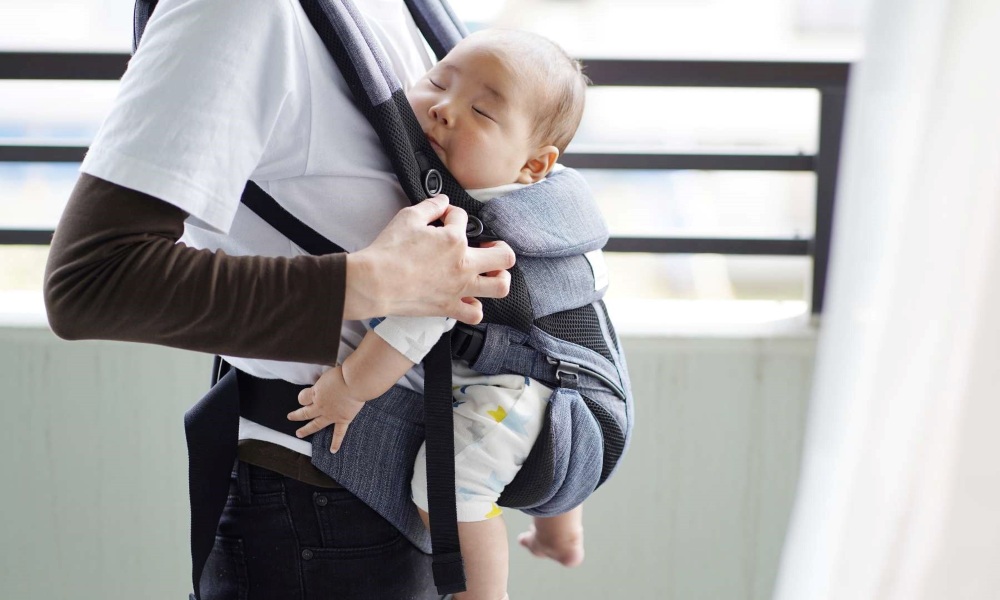
Babywearing unlocks natural bonding opportunities through close physical connection, allowing parents to nurture their little ones while staying productive. Beyond basic carrying solutions, modern carriers integrate ergonomic innovations that support proper development stages from newborn snuggles through toddler exploration phases, adapting to growing needs with thoughtful design elements.
Premium materials merge with adjustable features in carriers engineered for real-world parenting demands. Strategic padding placement, breathable fabrics, and customizable fit options work together in addressing common carrying challenges. Smart weight distribution systems and varied position configurations enable comfortable extended wear while promoting healthy physical development milestones.
Navigating carrier selections reveals remarkable differences in approach and execution among leading manufacturers. From half-buckle hybrids blending wrap comfort with buckle convenience to fully structured options prioritizing quick adjustments, designs reflect deep understanding of diverse parent preferences. This guide explores Stokke’s distinctive offering alongside 4 alternatives, examining support features, adjustment capabilities, and practical benefits defining superior carrying solutions.
Quick Pick Section
Featured Product
| Product Name | Color | Special Feature | Price |
|---|---|---|---|
| Stokke Limas Carrier | Olive Green | Half-Buckle System | Check Price on Amazon |
4 Best Alternatives
| Product Name | Color | Special Feature | Price | |
|---|---|---|---|---|
| Ergobaby Embrace Carrier |  | Cream | Ponte Knit | Check Price on Amazon |
| Momcozy Infant Carrier |  | Cotton-Black | Lumbar Support | Check Price on Amazon |
| Infantino Flip Carrier |  | Black Denim | 4-in-1 Design | Check Price on Amazon |
| Topmeta Newborn Wrap |  | Grey | Enhanced Support | Check Price on Amazon |
Featured Product
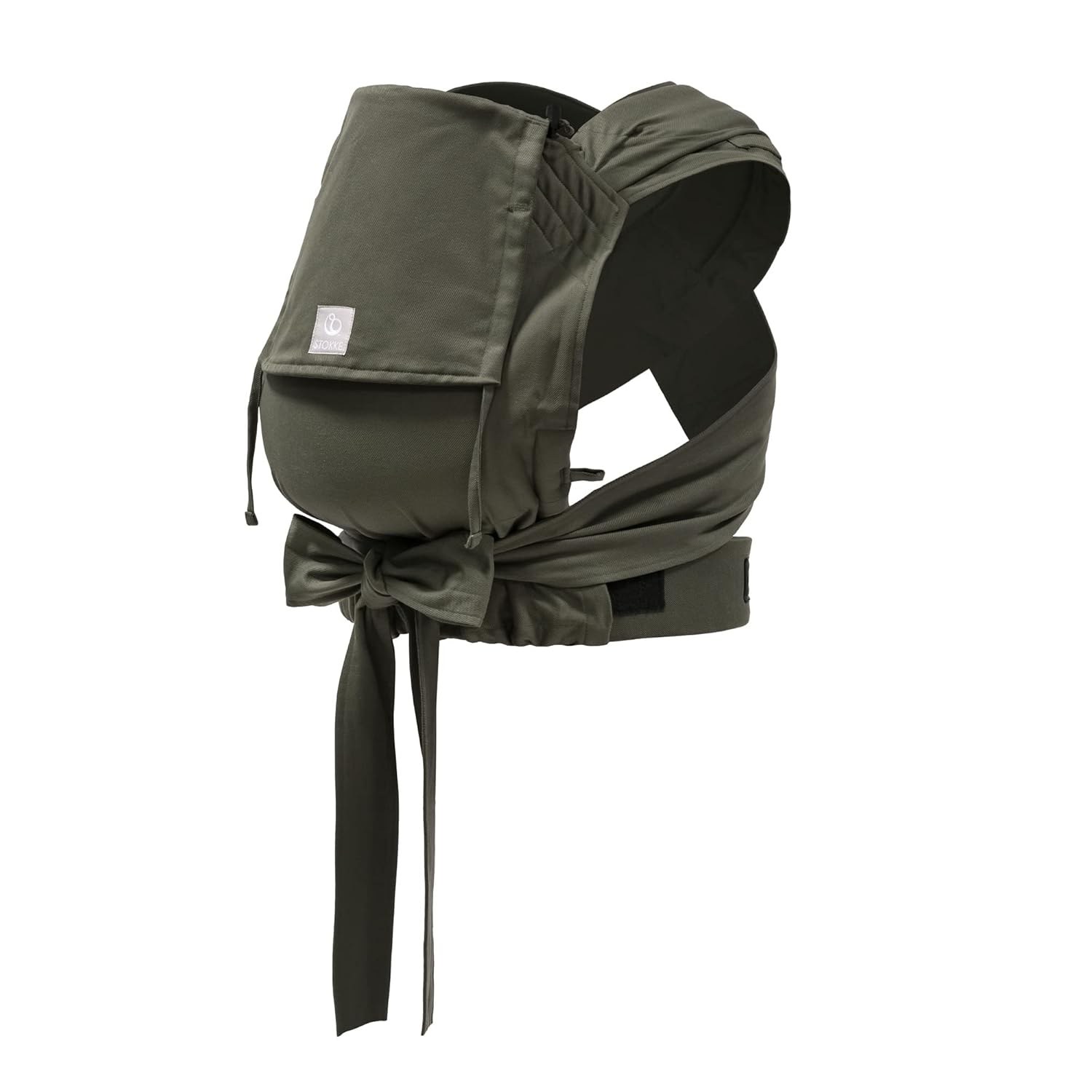
Stokke Limas Baby Carrier
Key Specs
- Color: Olive Green
- Special Feature: Half-Buckle System
Innovative half-buckle design merges traditional wrap comfort with modern convenience in the Stokke Limas Baby Carrier. Ergonomic seat positioning maintains optimal hip development from newborn through toddler stages, supporting weights up to 33 pounds. Three distinct carrying positions adapt to developmental stages, offering front-inward, front-outward, and back-carry options.
Adjustable features accommodate diverse body types while ensuring proper weight distribution across shoulders and hips. Premium olive green fabric provides breathable comfort during extended wear, complemented by reinforced stitching at key stress points. Padded shoulder straps and waist belts enhance support during long-duration activities.
BD4U Expert Take
Stokke Limas Baby Carrier delivers premium construction quality through thoughtful ergonomic design and versatile carrying options. The half-buckle system streamlines adjustment processes, enhanced by durable material selection. Strategic padding placement promotes extended wear comfort, though initial configuration requires practice sessions.
4 Best Alternatives of 2025
1. Ergobaby Embrace Carrier – Top Pick Alternative

Key Specs
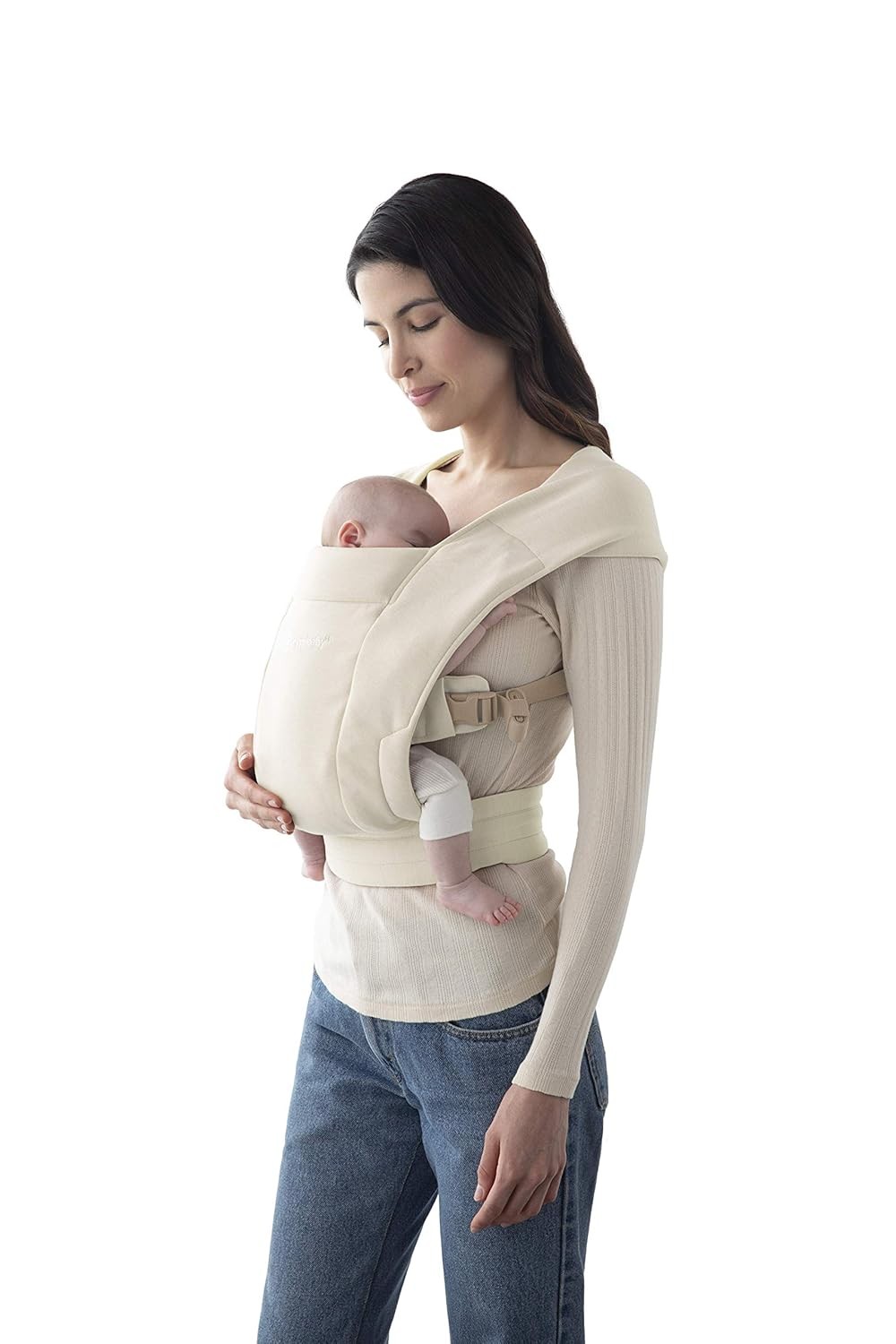
- Color: Cream
- Special Feature: Ponte Knit
Our BD4U Top Pick Alternative Award goes to Ergobaby Embrace Carrier for integrating ponte knit fabric into a supportive structure. Cream-colored material creates a cozy environment for newborns while maintaining breathability during skin-to-skin contact. Structured shoulder straps distribute weight effectively across parent’s upper body, preventing pressure points during extended wear.
Wide waist belt accommodates sizes from 22 to 54 inches through precise adjustment mechanisms. Crossable shoulder straps enhance customization options for different body types, while maintaining secure positioning during movement. Newborn-specific design elements support proper positioning for infants from 7 to 25 pounds.
BD4U Expert Take
Ergobaby Embrace Carrier excels through innovative fabric selection and comprehensive size adjustability. Structured support systems enhance comfort during extended wear periods, matched by newborn-specific safety features. Ponte knit construction provides ideal temperature regulation, though strap crossover setup requires initial adjustment practice.
2. Momcozy Infant Carrier – Runner Up Alternative
Key Specs
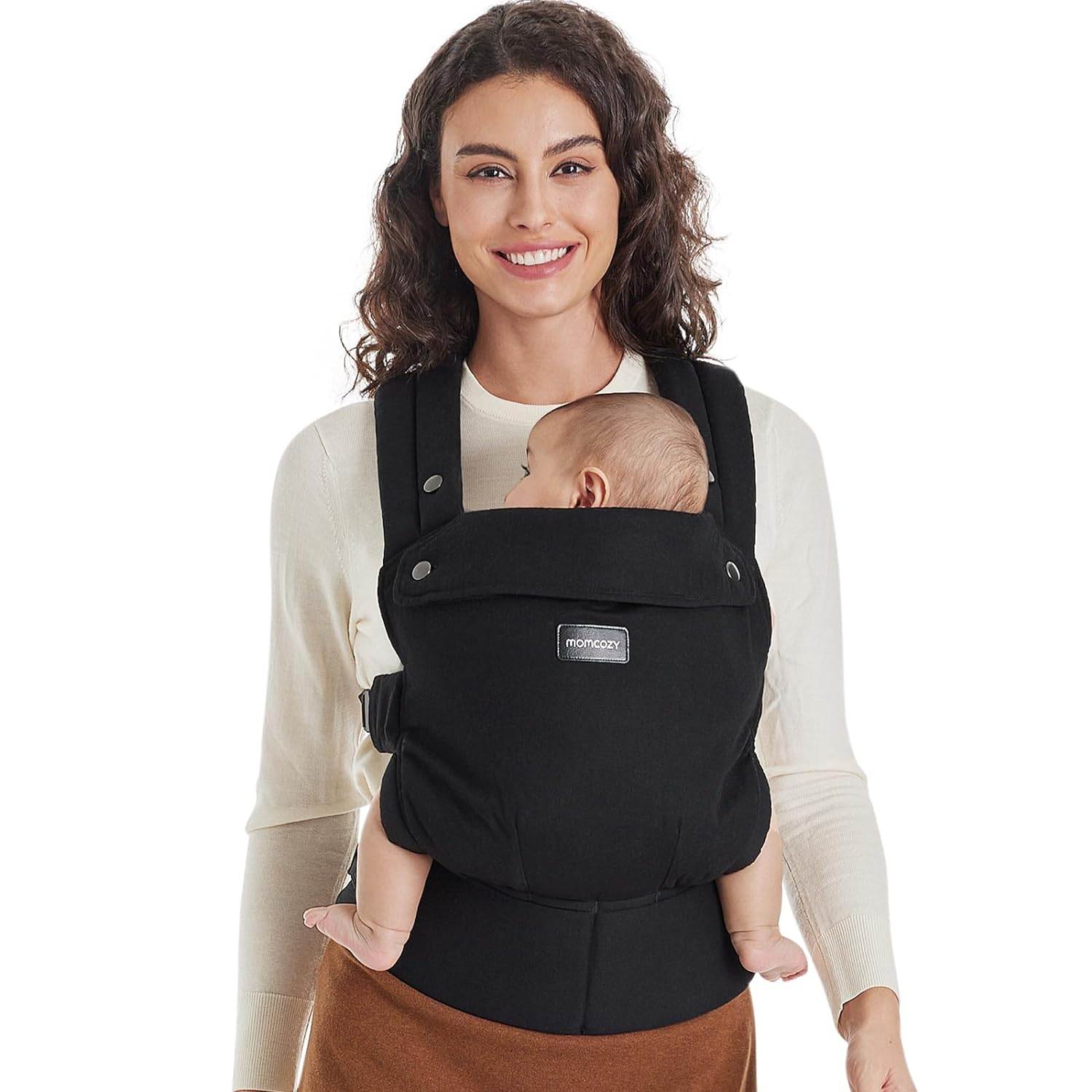
- Color: Cotton-Black
- Special Feature: Lumbar Support
Winner of our BD4U Runner Up Alternative Award, Momcozy Infant Carrier emphasizes effortless wearing through streamlined design elements. Advanced lumbar support panel distributes weight evenly across the lower back, reducing strain during extended carrying sessions. Cotton-black fabric construction balances durability with breathable comfort, supporting babies from 7 to 44 pounds through various developmental stages.
Enhanced shoulder strap padding provides targeted pressure relief at key contact points. Quick-adjust buckles enable rapid position modifications without removing the carrier, facilitating smooth transitions between activities. Wide seat panel maintains ergonomic positioning for growing infants while preserving natural hip development angles.
BD4U Expert Take
Momcozy Infant Carrier demonstrates superior comfort through targeted support placement and efficient adjustment systems. Lumbar reinforcement enhances extended wear capability, complemented by breathable fabric selection. Weight capacity range supports long-term use, though strap adjustments create slight bulk under clothing.
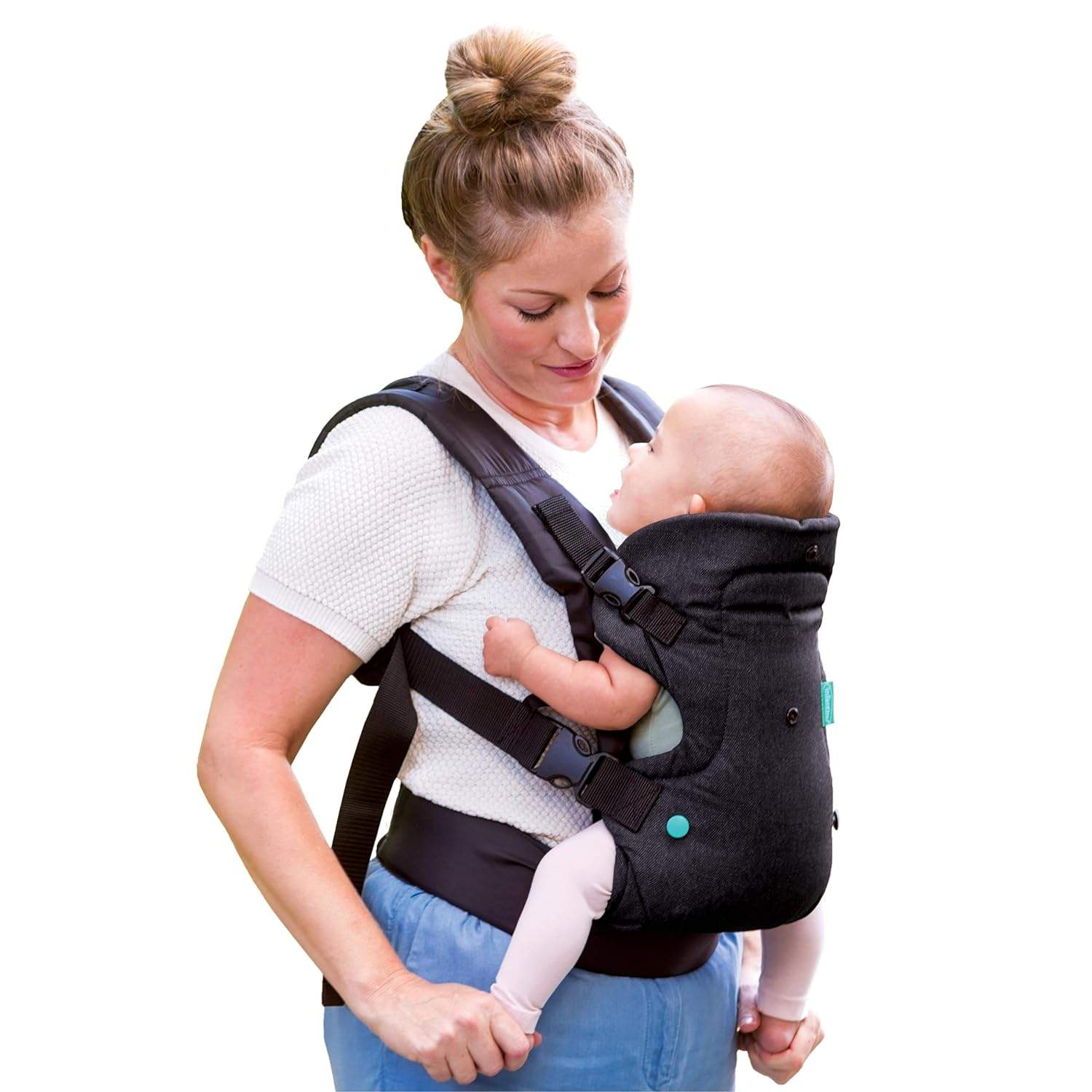
3. Infantino Flip Carrier – Best Value Alternative
Key Specs
- Color: Black Denim
- Special Feature: 4-in-1 Design
As our BD4U Best Value Alternative Award winner, Infantino Flip Carrier introduces versatile positioning through 4-in-1 convertible design. Black denim fabric provides durable structure while maintaining aesthetic appeal across multiple wearing configurations. Narrow seat adjustments accommodate newborns from 8 pounds, expanding progressively to support toddlers up to 32 pounds.
Facing-in and facing-out options promote developmental engagement at appropriate stages. Padded shoulder straps incorporate breathable mesh panels for temperature regulation during active use. Wonder cover bib protects carrier fabric from common spills and drool, extending product lifespan through daily wear.
BD4U Expert Take
Infantino Flip Carrier balances affordability with practical functionality through convertible design features. Multiple position options enhance developmental support capabilities, supported by durable fabric construction. Protective elements extend product longevity, though seat width adjustments require a two-handed operation.
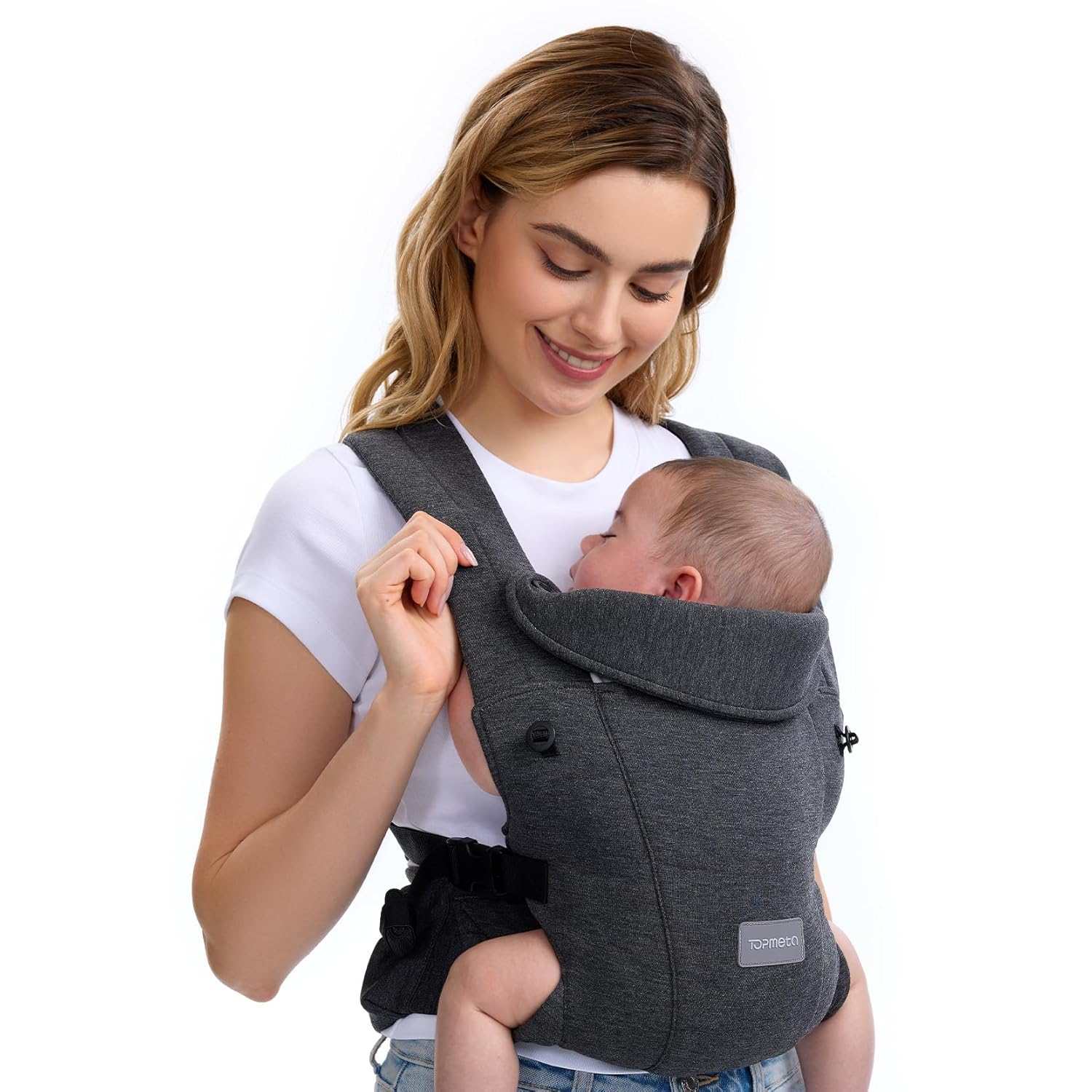
4. Topmeta Newborn Wrap – Great Design Alternative
Key Specs
- Color: Grey
- Special Feature: Enhanced Support
The Topmeta Newborn Wrap, our BD4U Great Design Alternative Award winner, prioritizes neck support through specialized padding configurations. Grey fabric creates neutral aesthetic appeal while delivering gentle compression for newborn security. Lightweight construction maintains mobility during daily activities while supporting babies from 7 to 24 pounds.
Ergonomic design elements focus on newborn positioning requirements, incorporating adjustable neck and head support features. Strategic fabric distribution ensures even weight balance across the parent’s shoulders and back. The simplified wearing process eliminates complex wrapping techniques while maintaining traditional wrap benefits.
BD4U Expert Take
Topmeta Newborn Wrap achieves excellent newborn support through focused design elements and intuitive adjustment features. Lightweight materials enhance wearing comfort during extended periods, matched by simplified operation. Specialized padding improves head positioning, though maximum weight capacity limits long-term use potential.
Our Selection Process
Ergonomic design principles guided our carrier selection criteria that was strictly prioritizing options that support proper hip and spine development across various age ranges. Material quality, weight distribution systems, and adjustment mechanisms underwent detailed examination to identify carriers delivering optimal comfort for both parent and child. Particular attention focused on breathability, padding placement, and versatile carrying positions essential for extended wear periods.
Construction durability, washing requirements, and practical functionality influenced final recommendations alongside developmental considerations. Our selected carriers exhibit superior performance in critical areas including size adaptability, support features, and ease of adjustment during daily use. Manufacturing standards, safety certifications, and established brand expertise heavily impacted choices, supporting parents seeking reliable babywearing solutions.
Buying Guide Tips
1. Ergonomic Design and Support
Evaluate carrier designs based on ergonomic features supporting proper hip and spine development. Look for adjustable seat widths accommodating natural “M” positioning of baby’s legs. Consider lumbar support panels and shoulder strap configurations that distribute weight effectively across parent’s body. Verify head and neck support features appropriate for intended age range and developmental stages.
2. Size Adjustability and Fit
Compare adjustment ranges for both parent and baby sizing requirements. Consider waist belt expansion capabilities, shoulder strap length variations, and panel width modifications. Look for carriers offering straightforward adjustment mechanisms accessible while wearing. Account for seasonal clothing layers when assessing fit requirements and sharing between caregivers.
3. Material Quality and Maintenance
Assess fabric durability, breathability, and washing requirements for regular use. Consider temperature regulation properties during different seasons and activity levels. Look for reinforced stitching at stress points and protective features against common wear. Evaluate the impact of fabric thickness on storage and travel convenience.
4. Carrying Positions and Transitions
Compare available carrying positions against anticipated usage patterns and developmental stages. Consider ease of transition between positions without removing carrier. Evaluate buckle placement accessibility and operation complexity during position changes. Look for clear position guidelines corresponding to baby’s age and developmental milestones.
FAQs
1. How long can babies safely stay in carriers?
Healthy babies can remain in properly fitted carriers for 1-2 hours, taking breaks every 45 minutes for position adjustments. Duration varies based on baby’s age, development, and comfort level. Monitor temperature, circulation, and engagement during extended wear periods.
2. When can babies face outward in carriers?
Outward-facing positions become appropriate around 4-6 months when babies demonstrate strong head control. Some carriers specify minimum weight requirements of around 14 pounds. Consider the baby’s developmental readiness and engagement preferences before transitioning.
3. Can carriers cause hip dysplasia?
Properly designed carriers supporting “M” position leg placement promote healthy hip development. Risk factors increase with narrow-based carriers or incorrect positioning. Follow manufacturer age and position guidelines while maintaining recommended leg positioning.
4. How should newborns be positioned in carriers?
Newborns require high, tight positioning close to parent’s chest with proper head support. Ensure clear airway maintenance with face visible and chin off chest. Position legs in natural “M” shape with knees higher than bottom.
5. Are half-buckle carriers harder to use than full-buckle designs?
Half-buckle carriers combine wrap and buckle elements, requiring initial practice but offering a customizable fit. The learning curve varies by design and previous babywearing experience. Many parents find them more adjustable than full-buckle options after mastering basic techniques.
Final Thoughts
Baby carriers continue evolving through innovative design approaches that enhance both parent comfort and infant development support. Advanced ergonomic features demonstrate a growing understanding of positioning requirements across different developmental stages, while adaptable sizing systems accommodate diverse body types and wearing preferences.
Stokke Limas Baby Carrier exemplifies premium construction through its half-buckle system, while the Ergobaby Embrace Carrier introduces ponte knit technology for temperature regulation. These advancements reflect a deeper understanding of babywearing needs, driving the development of solutions that balance comfort, support, and practical functionality.
Modern carriers transcend basic transportation needs, fostering intimate bonding opportunities through thoughtful design elements. Specialized padding configurations, adjustable support panels, and convertible wearing positions create comprehensive solutions for establishing secure connections between parents and babies during daily activities.
Shop Related Products


