

The rise of eco-conscious parenting has sparked a revolution in baby care products, with natural baby wipes leading the charge towards sustainability. As parents become increasingly aware of the environmental impact of disposable products, compostable wipes have emerged as a responsible alternative to traditional options. These innovative wipes offer the convenience and effectiveness that parents need while significantly reducing plastic waste and environmental footprint.
Compostable baby wipes are designed to break down naturally, typically within weeks or months, depending on the composting conditions. Made from plant-based materials such as bamboo, wood pulp, or organic cotton, these wipes provide a gentle cleaning experience for delicate baby skin without compromising on hygiene. The absence of harsh chemicals, synthetic fragrances, and plastics makes them an attractive option for parents concerned about both environmental sustainability and their baby’s skin health.
In 2026, the market for natural baby wipes continues to expand, offering parents a diverse range of options that cater to various preferences and needs. From unscented varieties for sensitive skin to those enriched with soothing natural ingredients, compostable wipes are proving that eco-friendly choices can be both effective and nurturing. This article explores 5 top compostable baby wipe options available in 2026, examining their unique features, environmental credentials, and suitability for different family needs.
Quick Pick Section
| Product Name | Unit Count | Special Feature | Price | |
|---|---|---|---|---|
| The Honest Company Natural Baby Wipes |  | 288 | EWG Verified | Check Price on Amazon |
| Yugi Green Baby Wipes |  | 864 | Biodegradable | Check Price on Amazon |
| Eco by Naty Baby Wipes |  | 168 | Plant-Based | Check Price on Amazon |
| Kinder by Nature Baby Wipes | 672 | Plastic-Free | Check Price on Amazon | |
| Eco Wave Baby Wipes |  | 768 | Bamboo Wipes | Check Price on Amazon |
5 Best Natural Baby Wipes of 2026
1. The Honest Company Natural Baby Wipes – Our Top Pick

Key Specs
- Unit Count: 288
- Special Feature: EWG Verified
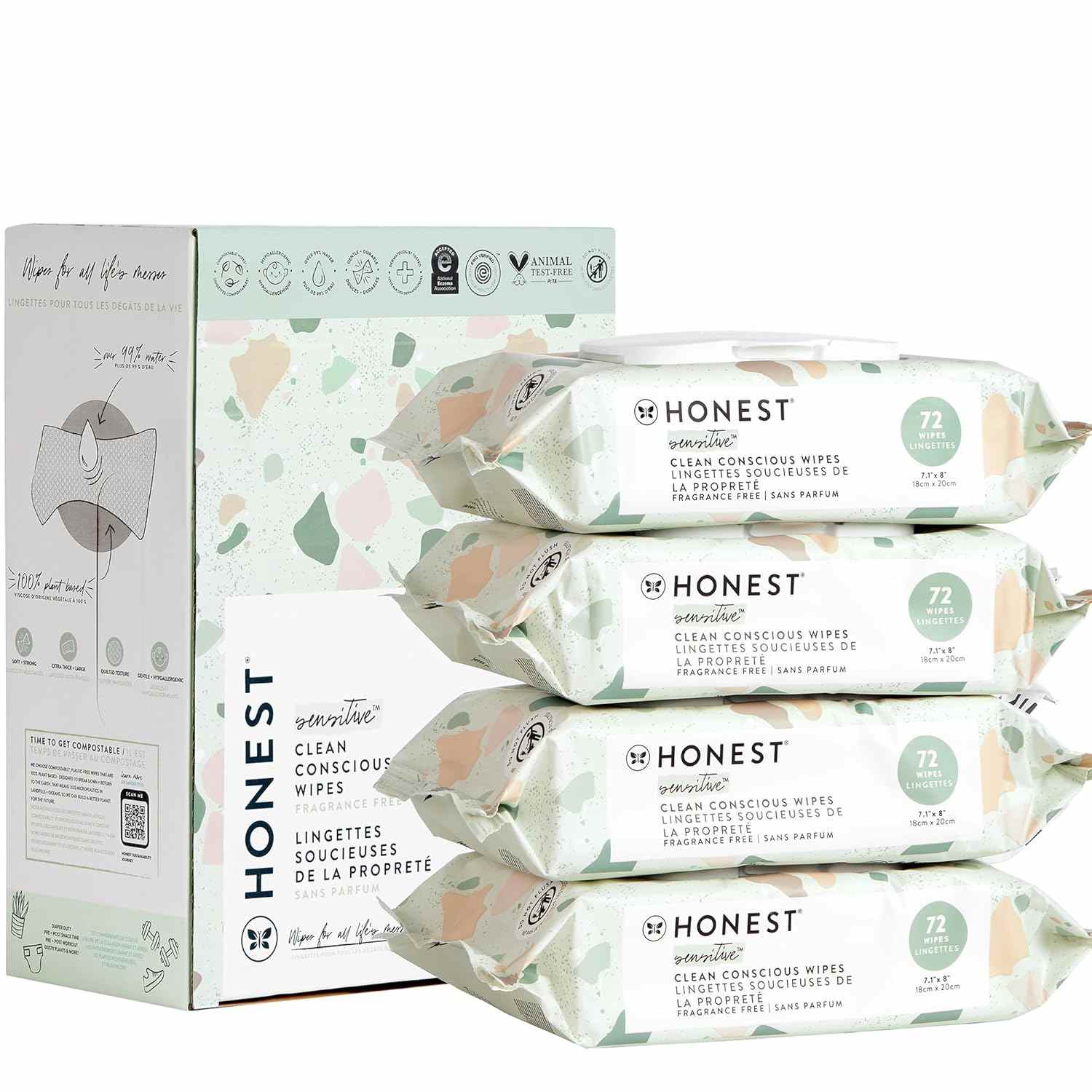
Winner of our BD4U Top Pick Award, The Honest Company Natural Baby Wipes offer a premium eco-friendly option for conscious parents. Composed of over 99% water, these wipes provide gentle yet effective cleansing for sensitive baby skin. The plant-based formula is free from harsh chemicals, synthetic fragrances, and alcohol, making it suitable for use on delicate areas. EWG verification adds an extra layer of assurance regarding the product’s safety and environmental impact.
The compostable nature of these wipes addresses the growing concern over disposable product waste. Each wipe is designed to break down naturally, reducing environmental impact without compromising on performance. The Geo Mood design adds a touch of style to the practical aspects of diaper changing. With 288 wipes per pack, this option offers a balance between quantity and storage convenience, suitable for both home use and on-the-go diaper changes.
BD4U Expert Take
The Honest Company Natural Baby Wipes impress with their eco-friendly credentials and gentle formulation. EWG verification provides peace of mind regarding ingredient safety. High water content ensures effective cleaning without irritation. Premium pricing might strain some budgets compared to conventional wipe options.
2. Yugi Green Baby Wipes – Runner Up
Key Specs
- Unit Count: 864
- Special Feature: Biodegradable
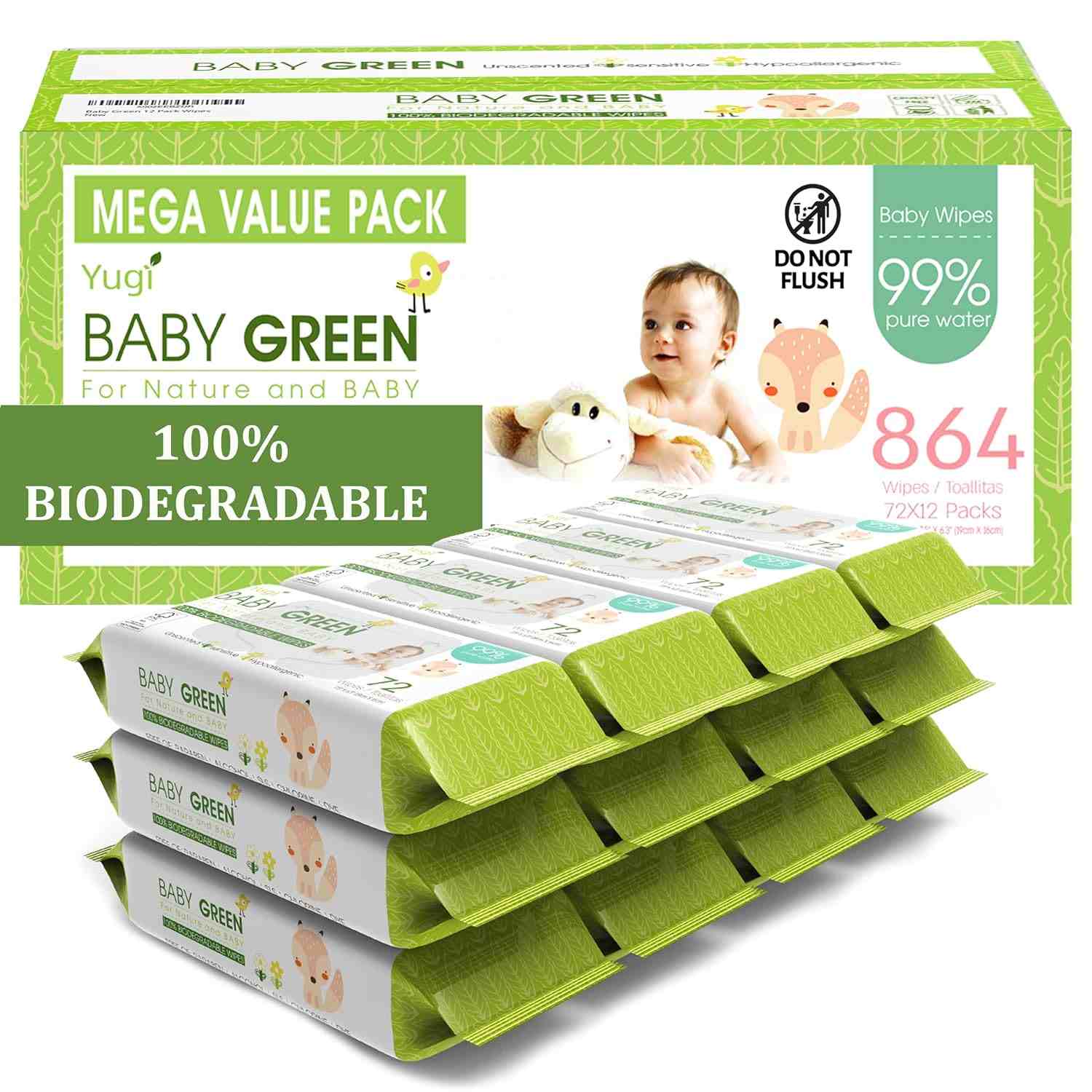
Our BD4U Runner Up Award winner, Yugi Green Baby Wipes, offers an unscented, compostable option ideal for babies with sensitive skin. These biodegradable wipes are crafted from organic materials, ensuring a gentle touch on delicate areas while maintaining strong cleaning efficacy. The absence of added fragrances reduces the risk of skin irritation, making them suitable for use on both the body and face.
The value pack of 864 wipes provides an economical solution for families, reducing the frequency of restocking. Each wipe is designed to break down naturally, aligning with eco-conscious parenting goals. The sturdy texture ensures effective cleaning without compromising on softness. Suitable for use from the newborn stage onwards, these wipes offer a versatile solution for various cleaning needs, from diaper changes to quick face wipe-downs.
BD4U Expert Take
Yugi Green Baby Wipes excels in combining eco-friendliness with practical bulk packaging. Unscented formula caters well to sensitive skin needs. A large quantity per pack offers excellent value for frequent users. The lack of individual pack options might be inconvenient for on-the-go use or travel.
3. Eco by Naty Baby Wipes – Best Value
Key Specs
- Unit Count: 168
- Special Feature: Plant-Based
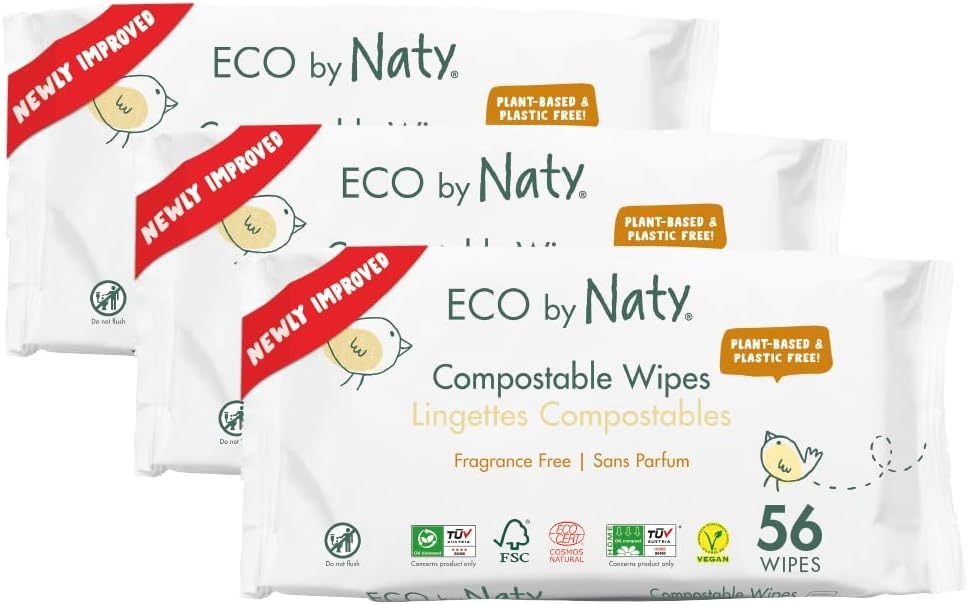
Winner of our BD4U Best Value Award, Eco by Naty Baby Wipes offers an affordable entry point into the world of compostable baby care products. These 100% plant-based wipes are designed to be gentle on newborn and sensitive skin while providing effective cleansing. The unscented formula reduces the risk of irritation, making it suitable for use on all skin types. Each wipe is crafted to break down naturally, addressing environmental concerns without compromising on functionality.
The pack of 168 wipes, divided into three convenient packages of 56, strikes a balance between quantity and portability. This packaging allows for easy distribution throughout the home or diaper bag, ensuring wipes are always within reach. The plant-based ingredients are sourced responsibly, appealing to parents who prioritize both environmental sustainability and product efficacy. The wipes maintain their moisture well, preventing drying out even when the package is left open, a common concern with natural wipe options.
BD4U Expert Take
Eco by Naty Baby Wipes impresses with their affordable price point for 100% plant-based wipes. Unscented formula suits sensitive skin needs across various age groups. Convenient package sizing enhances portability and distribution. A thinner texture compared to some premium options might require using more wipes per change.
4. Kinder by Nature Baby Wipes – 100% Biodegradable
Key Specs
- Unit Count: 672
- Special Feature: Plastic-Free
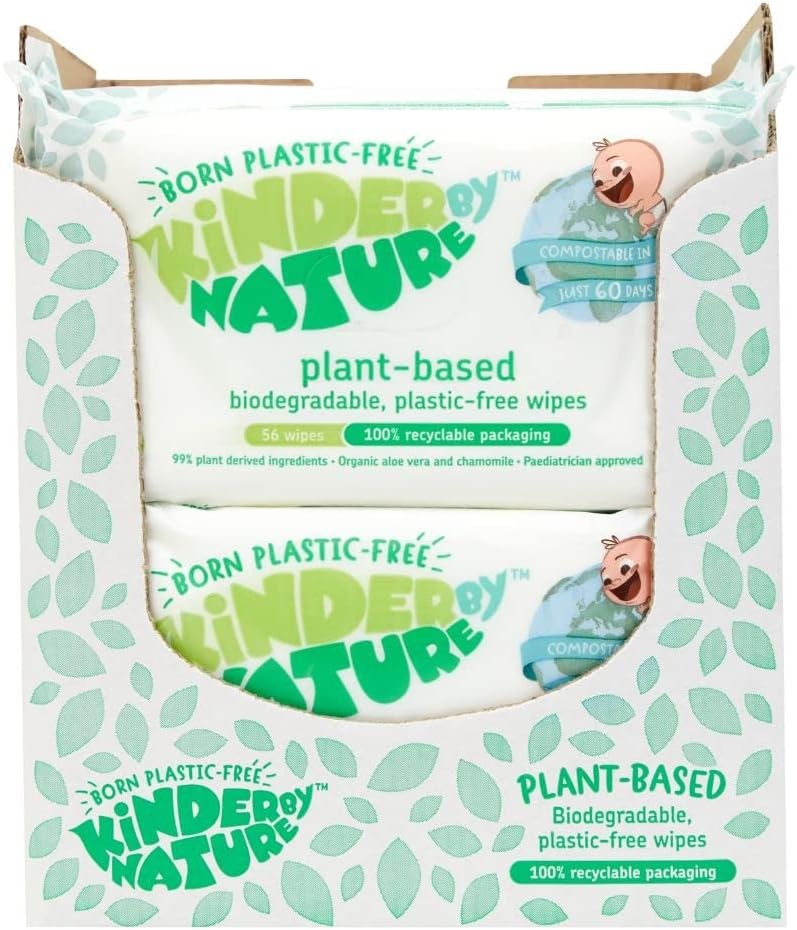
Kinder by Nature Plant Based Baby Wipes stand out for their commitment to 100% biodegradability and compostability. These wipes are crafted from 99% plant-based ingredients, offering a genuinely eco-friendly solution for baby care. The plastic-free composition addresses the growing concern over microplastics in disposable products, making these wipes a responsible choice for environmentally conscious parents. Each wipe is designed to provide effective cleansing while being gentle enough for sensitive newborn skin.
The substantial pack size of 672 wipes, divided into 12 convenient packs of 56, offers excellent value and ensures a steady supply for frequent use. The wipes maintain their moisture well, preventing the drying out that can occur with some natural alternatives. Free from alcohol, chlorine, and other harsh chemicals, these wipes are suitable for use on all skin types, including those prone to eczema or other sensitivities. The unscented formula further reduces the risk of irritation, making it a versatile option for both diaper changes and general cleansing.
BD4U Expert Take
Kinder by Nature Baby Wipes excels in their eco-friendly credentials with 100% biodegradability. Plastic-free composition addresses microplastic concerns effectively. A large quantity per purchase offers good value for frequent users. Unscented nature might not mask odors as effectively as fragranced alternatives during diaper changes.
5. Eco Wave Baby Wipes – Great Design
Key Specs
- Unit Count: 768
- Special Feature: Bamboo Wipes
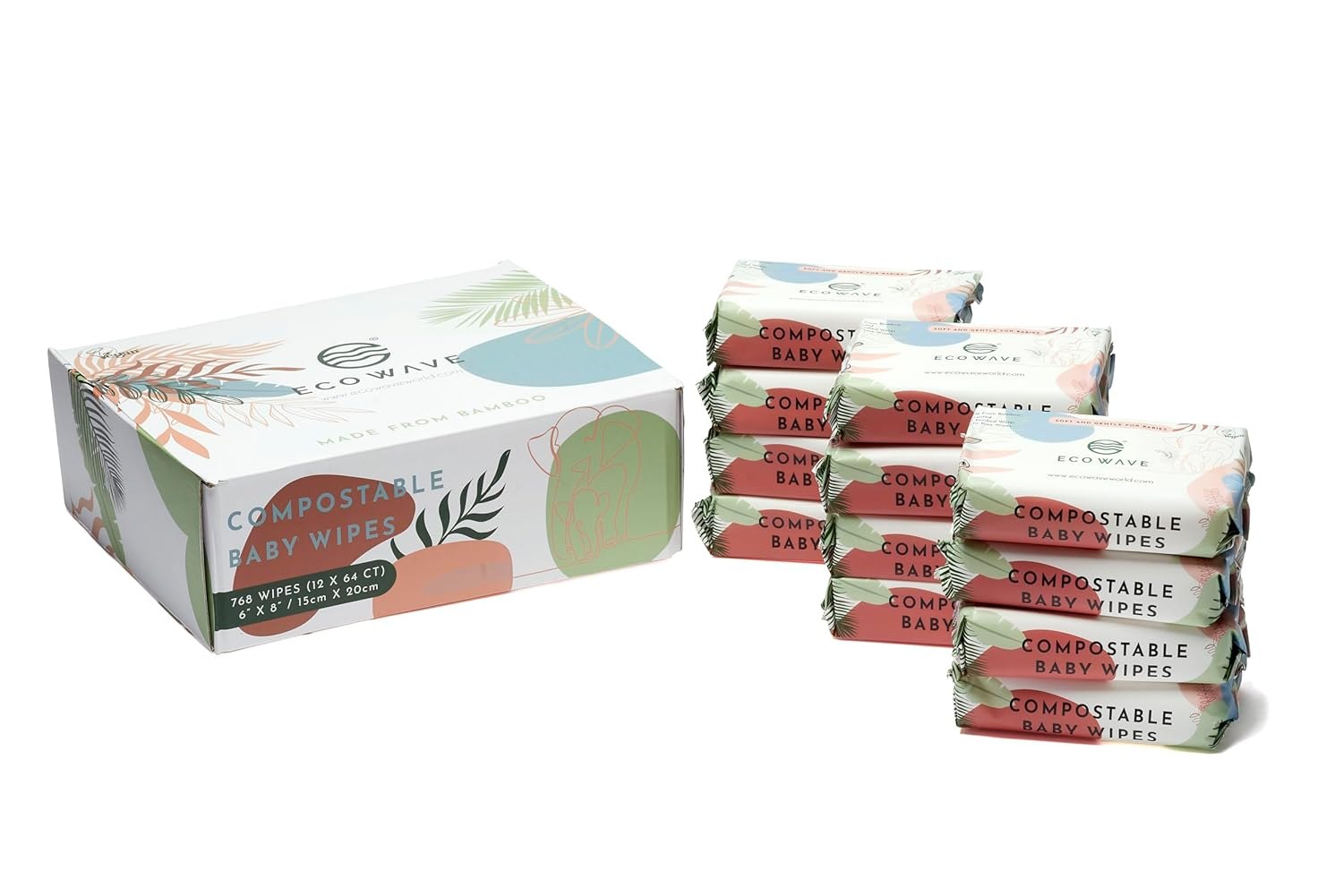
Eco Wave Baby Wipes, our BD4U Great Design Award winner, offers an innovative approach to eco-friendly baby care. These 100% compostable wipes are crafted from bamboo, a highly sustainable and renewable resource. The bamboo fibers provide a naturally soft texture that’s gentle on sensitive skin while offering superior strength for effective cleaning. Unscented and hypoallergenic, these wipes are suitable for babies with the most delicate skin types, including those prone to allergies or eczema.
The vegan-friendly formulation excludes alcohol and other harsh chemicals, prioritizing natural ingredients that nourish and protect the baby’s skin. Each pack contains 64 wipes, with a total of 768 wipes in the 12-pack bundle, offering ample supply for regular use. The packaging design focuses on minimalism and eco-consciousness, using recyclable materials to further reduce environmental impact. These wipes maintain their moisture effectively, ensuring they remain fresh and ready for use even after the package has been opened for an extended period.
BD4U Expert Take
Eco Wave Baby Wipes impress with their innovative use of bamboo fibers for a sustainable, effective clean. Hypoallergenic formula caters well to sensitive and allergy-prone skin. Vegan-friendly composition aligns with ethical consumer preferences. A higher price point reflects premium materials but might exceed some budget constraints.
Our Selection Process
In curating our list of top natural baby wipes for 2026, we implemented a comprehensive evaluation process that prioritized safety, efficacy, and environmental impact. Our research began with an extensive market analysis, identifying products that met strict criteria for natural and compostable materials.
We scrutinized ingredient lists, focusing on wipes that utilize plant-based components and minimize synthetic additives. Special attention was given to products certified by reputable organizations, such as EWG verification, which provided an additional layer of assurance regarding safety and environmental standards.
We delved into the latest scientific literature on skin sensitivity in infants and the potential impacts of various ingredients commonly found in baby wipes. This research informed our understanding of which components offer the best balance between effective cleaning and gentle care for delicate skin.
We also considered the environmental lifecycle of each product, from production to disposal, to assess its true ecological impact. This holistic approach allowed us to identify wipes that not only perform well but also align with growing consumer demands for sustainable baby care options
Buying Guide Tips
1. Material Composition
Choose baby wipes made from sustainable, plant-based materials such as bamboo, organic cotton, or wood pulp. These materials ensure biodegradability and reduce environmental impact. Look for wipes that are free from plastic fibers, which can contribute to microplastic pollution. Consider the texture of the wipes; bamboo-based wipes often offer a good balance of softness and strength. Check for certifications like FSC (Forest Stewardship Council) that guarantee responsible sourcing of materials. The composition should also be hypoallergenic and suitable for sensitive skin to prevent irritation or allergic reactions.
2. Ingredient Safety
Prioritize wipes with minimal, natural ingredients. Avoid products containing harsh chemicals, synthetic fragrances, alcohol, or parabens, which can irritate sensitive baby skin. Look for wipes that are at least 98% water-based, as these are generally gentler. Consider unscented options to reduce the risk of skin reactions. Check for certifications like EWG (Environmental Working Group) Verified or MADE SAFE, which indicate rigorous testing for harmful substances. Natural preservatives like citric acid are preferable to synthetic alternatives. Remember that ‘natural’ doesn’t always mean ‘safe,’ so always review the full ingredient list.
3. Compostability and Biodegradability
Ensure the wipes are truly compostable or biodegradable, not just marketed as ‘eco-friendly.’ Look for certifications like TÜV Austria’s OK compost HOME or BPI (Biodegradable Products Institute) that guarantee the product will break down in home compost conditions. Consider the timeframe for decomposition; faster breakdown (e.g., 4-6 weeks) is preferable. Be aware of the difference between biodegradable (breaks down naturally) and compostable (breaks down into non-toxic components). Check if the packaging is also compostable or recyclable to minimize overall waste. Remember that even compostable wipes should not be flushed, as they can still cause plumbing issues.
4. Packaging and Convenience
Consider the packaging design for both environmental impact and practical use. Look for resealable packs that maintain wipe moisture and freshness. Bulk options can reduce overall packaging waste, but ensure you can use the wipes before they dry out. Travel-sized packs are convenient for on-the-go use. Some brands offer refillable containers, which can further reduce plastic waste. Check if the packaging is made from recycled materials or is recyclable itself. Consider how easily the wipes dispense; some designs allow for one-handed operation, which can be crucial during diaper changes. Balance convenience with environmental impact when making your choice.
FAQs
Are compostable wipes safe for newborn skin?
Yes, most compostable wipes are safe for newborn skin. They are typically made from gentle, plant-based materials and free from harsh chemicals. However, always check the ingredient list and look for hypoallergenic options. It’s advisable to do a patch test before full use, especially for babies with very sensitive skin or known allergies. Consult with your pediatrician if you have specific concerns about your newborn’s skin care.
How long do compostable wipes take to decompose?
The decomposition time for compostable wipes varies depending on the specific product and composting conditions. In ideal home composting conditions, many compostable wipes break down within 4-6 weeks. However, some may take up to 12 weeks. Industrial composting facilities can break down these wipes more quickly. It’s important to note that even compostable wipes should not be left in nature, as they still require proper composting conditions to break down effectively.
Can I flush compostable baby wipes?
No, compostable baby wipes should not be flushed, even if labeled as “flushable.” These wipes can still cause plumbing issues and contribute to sewer system problems. They are designed to break down in composting conditions, not in water systems. Always dispose of compostable wipes in your compost bin or regular trash. If you’re looking for a flushable option for older children or adults, specific products are designed for this purpose, but baby wipes are not among them.
How do I store compostable wipes to prevent drying out?
To prevent compostable wipes from drying out, always reseal the package tightly after each use. Store them in a cool, dry place away from direct sunlight. Some parents transfer wipes to a reusable, airtight container to maintain moisture. If wipes start to dry out, you can typically rehydrate them with a small amount of filtered water or boiled (then cooled) water. Avoid over-purchasing; buy quantities you can use within a reasonable timeframe to ensure freshness.
Are compostable wipes more expensive than regular wipes?
Generally, compostable wipes tend to be more expensive than traditional disposable wipes due to the cost of sustainable materials and production processes. However, prices vary widely between brands and can be comparable to premium non-compostable options. Many parents find the environmental benefits justify the additional cost. To manage expenses, consider buying in bulk or subscribing to regular deliveries, which often come with discounts. Remember to factor in the long-term environmental cost when comparing prices.
Final Thoughts
In the ever-evolving market of baby care, selecting the right compostable baby wipes demands careful attention to both safety and sustainability. As parents strive to make environmentally responsible choices without compromising their baby’s comfort, understanding the key attributes of green products is crucial. Compostable wipes not only help minimize landfill contributions but also assure parents of a gentle touch on their baby’s sensitive skin. With numerous certifications available, such as the FSC and EWG, the integrity and eco-friendliness of these products are becoming easier to verify, providing parents with peace of mind.
When exploring options for natural baby wipes, it’s essential to consider products with simple, natural ingredients that avoid common irritants found in conventional wipes. Brands like “EcoPea” and “WaterWipes Biodegradable” exemplify advanced formulas that prioritize plant-based materials and transparency in sourcing. These wipes are typically crafted with up to 99% water content, making them mild and safe for daily use. While focusing on eco-friendliness, parents must remain vigilant about the composition of the products they choose, ensuring that every element aligns with their values and the health needs of their baby.
As we look towards compostable baby wipes in 2026, the emphasis on sustainability continues to rise. More brands are adapting to greener practices to meet the eco-conscious demands of modern consumers. The shift towards biodegradable materials and innovative packaging solutions reflects a growing trend among manufacturers to enhance both product integrity and environmental impact. Parents today have a wider array of options, allowing them to prioritize environmentally friendly choices while ensuring their baby receives gentle and effective skincare. Embracing such sustainable alternatives contributes significantly to a healthier planet for generations to come.
Shop Related Products


