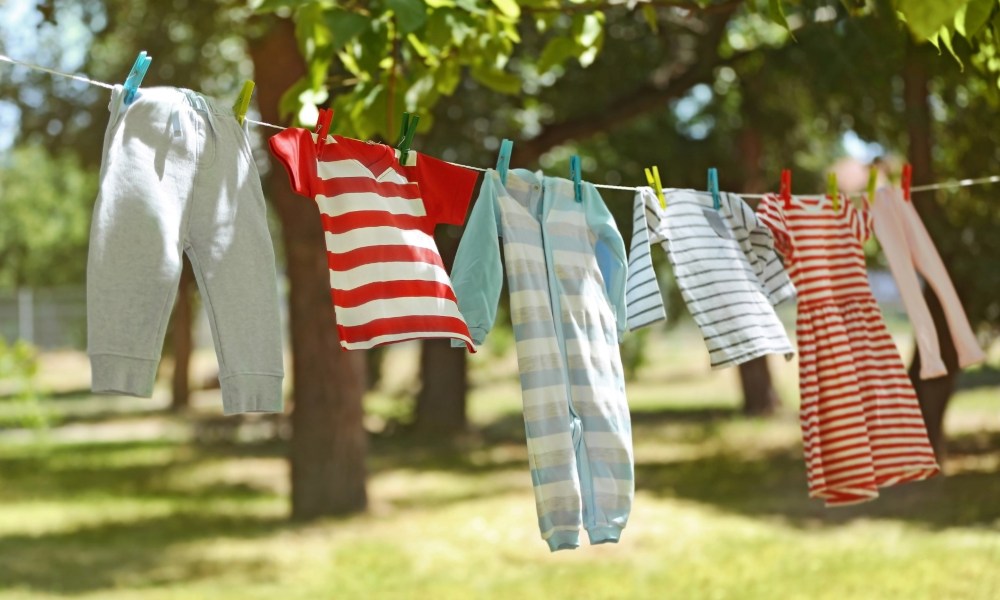
Welcoming a newborn into your life brings joy, wonder, and an unexpected mountain of laundry. Those tiny onesies and adorable outfits seem to multiply overnight, each one a potential canvas for a myriad of mysterious stains. From spit-ups to diaper blowouts, baby clothes face a barrage of messes that would challenge even the most seasoned laundry expert.
Yet, it’s not just about cleanliness. A baby’s delicate skin demands special care, making the choice of detergents and washing methods crucial. What works for adult clothes might be too harsh for your little one’s sensitive skin, potentially leading to irritation or allergic reactions. Balancing the need for cleanliness with gentleness becomes a daily puzzle for new parents.
We’ll explore effective strategies for tackling baby laundry, from pre-treating stubborn stains to selecting the right detergents. Whether you’re a new parent overwhelmed by the constant influx of dirty onesies or a seasoned caregiver looking for better laundry solutions, these tips will help you keep your baby’s clothes clean, soft, and skin-friendly. Let’s dive into the world of baby laundry, where tiny clothes present big challenges.
Understanding Baby Skin Sensitivity
Before we delve into laundry techniques, it’s crucial to understand why baby skin requires special care when it comes to clothing and cleaning products.
1. The Unique Nature of Baby Skin
A baby’s skin is significantly different from adult skin. It’s thinner, more delicate, and still developing its protective functions. Newborn skin is about 20-30% thinner than adult skin and has a higher surface area to body weight ratio, making it more susceptible to irritants and chemicals. The pH of baby skin is also different, being closer to neutral at birth and gradually becoming more acidic over the first month of life.
This difference in pH affects the skin’s ability to defend against bacteria and maintain moisture balance. Additionally, a baby’s skin absorbs substances more readily than adult skin, which means any residues left in clothing from detergents or fabric softeners can potentially be absorbed into their body.
2. Common Skin Concerns for Babies
Given the sensitive nature of baby skin, several skin concerns are common in infants. Eczema affects about 20% of babies, characterized by dry, itchy, red patches of skin. Harsh detergents or residues in clothing can exacerbate this condition. Contact dermatitis is another concern, an allergic reaction that occurs when the skin comes into contact with irritants. It can manifest as a red, itchy rash and is often triggered by chemicals in laundry products.
Heat rash, also known as prickly heat, occurs when sweat glands become blocked, often due to tight or non-breathable clothing. Diaper rash, while primarily caused by prolonged exposure to wet diapers, can be influenced by the type of detergent used on cloth diapers. Understanding these sensitivities underscores the importance of choosing the right laundry products and techniques for baby clothes.
Choosing the Right Detergent
Selecting an appropriate detergent is crucial for maintaining clean clothes without irritating your baby’s sensitive skin.
What to Look for in Baby Detergents
When shopping for a baby-friendly detergent, consider several key factors. Fragrance-free options are essential, as fragrances are a common cause of skin irritation. Look for detergents labeled as “fragrance-free” rather than just “unscented,” as the latter may still contain masking fragrances. Dye-free detergents are also important, as dyes can irritate sensitive skin.
Opt for clear or white detergents without added colors. Hypoallergenic detergents are less likely to cause allergic reactions, though it’s important to note that “hypoallergenic” is not a regulated term, so always check the ingredient list. Some parents prefer detergents with plant-based ingredients, believing them to be gentler on skin and the environment.
While this can be true, it’s not a guarantee of gentleness or effectiveness. Look for detergents free of common irritants like phthalates, sulfates, and optical brighteners, which can be harsh on sensitive skin.
Popular Baby-Friendly Detergent Options
Several brands offer detergents specifically formulated for baby clothes. Seventh Generation Free & Clear is a plant-based detergent free of fragrances, dyes, and optical brighteners. Dreft Stage 1: Newborn is a longstanding favorite, hypoallergenic, and specially formulated for newborn clothes.
Puracy Natural Baby Laundry Detergent is an enzyme-based, plant-derived detergent free of harsh chemicals and highly concentrated, meaning a little goes a long way.
Attitude Little Ones Laundry Detergent is an eco-friendly option that’s hypoallergenic and made with plant-based ingredients. Remember, what works for one baby might not work for another. You may need to try a few different options before finding the perfect detergent for your little one’s skin.
Pre-Treating and Removing Tough Stains
Baby clothes are magnets for stains, from milk spit-up to diaper blowouts. Here’s how to tackle those tough stains effectively.
Common Baby Stains and How to Treat Them
Milk and formula stains can be stubborn due to their protein content. Rinse the stained area with cold water as soon as possible. Then, soak the garment in cold water mixed with an enzyme-based stain remover for about 30 minutes before washing. For diaper blowouts, rinse off as much as you can with cold water. Pre-treat the stain with a stain remover or a paste made from baking soda and water. Let it sit for 15-20 minutes before washing. Baby food stains require quick action. Scrape off excess food and rinse the garment in cold water.
Apply a stain remover or rub liquid detergent directly into the stain. Let it sit for 15 minutes before washing. Fruit and vegetable stains can be particularly stubborn. Soak the garment in a mixture of one part white vinegar to two parts water for about 30 minutes before washing. Always check the care label before treating stains, as some fabrics may require special care.
Natural Stain Removal Methods
For parents who prefer natural cleaning methods, several household items can be effective stain removers. Baking soda, made into a paste with water, is particularly effective on grease stains. White vinegar, effective on many types of stains including fruit and sweat stains, should be diluted with water before applying. Lemon juice’s natural bleaching properties can help with many stains.
Apply directly to the stain and let sit in sunlight before washing. Hydrogen peroxide, mixed with equal parts water, can provide a natural bleaching effect on white clothes. Always test on an inconspicuous area first, as it can discolor some fabrics.
Washing Techniques for Baby Clothes
Proper washing techniques can help maintain the quality of baby clothes while ensuring they’re clean and safe for sensitive skin.
Sorting and Preparing Baby Clothes
Sort clothes not just by color, but also by fabric type and level of soiling. Heavily soiled items should be washed separately from lightly soiled ones. Turn clothes inside out before washing to protect prints and reduce wear on the outer surface. For new clothes, it’s essential to wash them before the first wear to remove any chemical residues from the manufacturing process. This is particularly important for babies with sensitive skin.
Water Temperature and Cycle Selection
Generally, warm water (around 104°F or 40°C) is effective for most baby clothes. It’s hot enough to remove most stains and bacteria but not so hot that it will damage delicate fabrics or set stains. For heavily soiled items or to sanitize clothes (like when your baby has been ill), you may need to use hot water (130°F or 54°C). However, always check the care label, as some fabrics may shrink or become damaged in hot water. Use a gentle or delicate cycle for most baby clothes to minimize wear and tear. For tougher fabrics like denim or canvas, a regular cycle is fine.
Drying Baby Clothes
When possible, air-drying baby clothes is ideal. It’s gentler on the fabrics and can help clothes last longer. If you do use a dryer, use a low heat setting to prevent shrinkage and damage to delicate fabrics. Remove clothes from the dryer promptly to minimize wrinkles. Some items, like stretchy fabrics or delicates, should be laid flat to dry to maintain their shape.
Special Considerations for Different Types of Baby Clothes
Different types of baby garments may require special care.
Caring for Delicates and Special Fabrics
Delicate items like knit sweaters or embellished outfits often require hand washing or a mesh laundry bag to protect them in the washing machine. Use cool water and a gentle detergent, and avoid wringing or twisting these items. For wool items, use a specially formulated wool detergent and wash in cool water. Lay flat to dry to maintain shape.
Handling Cloth Diapers
If you use cloth diapers, they require special care. Pre-rinse diapers in cold water to remove solid waste. Wash in hot water (140°F or 60°C) with a cloth diaper-safe detergent. Avoid using fabric softeners, which can reduce absorbency. Consider doing an extra rinse cycle to ensure all detergent is removed. Line-drying in sunlight can help naturally bleach and deodorize cloth diapers.
Organizing and Storing Clean Baby Clothes
Proper storage of clean baby clothes can help maintain their quality and make your life easier.
Efficient Folding and Storage Techniques
Rolling onesies and sleepers instead of folding them can save space and make it easier to see what you have. Use drawer dividers to keep different types of clothing separate and easily accessible. For clothes your baby will grow into, consider vacuum-sealing bags to save space and protect the clothes from dust and moisture.
Rotating Clothes as Your Baby Grows
Babies grow quickly, so it’s important to regularly assess their wardrobe. Every few weeks, check if clothes still fit and rotate out items that are too small. Consider donating outgrown clothes or storing them for future siblings. Keep seasonally appropriate clothes easily accessible and store off-season items to reduce clutter.
FAQs
1. How often should I wash baby clothes?
The frequency depends on how quickly the clothes get dirty and how sensitive your baby’s skin is. Generally, items worn close to the skin like onesies, socks, and sleepers should be washed after each wear. Outer layers like jackets or sweaters can be washed less frequently unless visibly soiled. Always wash any item immediately if it’s been soiled with spit-up, diaper leaks, or food stains.
2. Can I use fabric softener on baby clothes?
It’s generally not recommended to use fabric softener on baby clothes. Fabric softeners leave a residue on clothes that can irritate a baby’s sensitive skin and reduce the flame-resistant properties of sleepwear. If you want softer clothes, try adding a cup of white vinegar to the rinse cycle instead. This natural softener leaves no residue and helps remove soap buildup.
3. Is it necessary to iron baby clothes?
Ironing baby clothes isn’t necessary for hygiene or comfort, but some parents prefer a neat appearance. If you choose to iron, use a low heat setting and avoid ironing over buttons, snaps, or printed designs. For most baby clothes, simply smoothing them out when hanging or folding is sufficient.
4. How can I remove persistent odors from baby clothes?
For persistent odors, try soaking the clothes in a mixture of one part white vinegar to four parts water for 30 minutes before washing. Baking soda is another effective odor remover, add 1/2 cup to your wash cycle. For really tough odors, leaving clothes to dry in direct sunlight can help naturally deodorize them.
Final Thoughts
Mastering the art of baby laundry is a skill that evolves with experience. While it may seem overwhelming at first, with practice, you’ll develop a routine that works efficiently for you and your little one. The key is to find a balance between maintaining cleanliness and protecting your baby’s sensitive skin.
Remember that every baby is unique, and what works for one may not work for another. Don’t be afraid to experiment with different detergents, stain removal techniques, and washing methods until you find what works best for your family. Pay attention to how your baby’s skin reacts to different products and adjust your approach as needed.
Lastly, try to see laundry as more than just a chore. It’s a way of caring for your baby, ensuring their comfort, and even preserving memories. Those tiny clothes won’t fit for long, so enjoy this phase of parenthood, messy as it may be. With these tips in hand, you’re well-equipped to tackle the challenges of baby laundry, keeping your little one’s clothes clean, soft, and gentle on their delicate skin.
Shop Related Products