The transition from milk to solid foods marks a significant milestone in your baby’s development. This exciting journey opens up a world of new tastes, textures, and nutritional opportunities for your little one. Yet, for many parents, this phase can also bring uncertainty and questions about when to start, what foods to introduce, and how to navigate potential challenges.
Every baby’s journey to solid foods is unique and influenced by their individual development, preferences, and family customs. While some infants eagerly embrace new flavors, others may need more time and patience. This diversity in readiness and acceptance makes the introduction of solid foods a personalized adventure for each family.
In this guide, we’ll explore a month-by-month approach to introducing solid foods, offering insights into your baby’s changing nutritional needs and developmental milestones. From the first tentative tastes to a varied diet, we’ll provide practical advice to help you and your baby navigate this exciting new chapter in feeding. Let’s embark on this flavorful journey together, celebrating each small step towards a lifetime of healthy eating habits.
Understanding Readiness for Solid Foods
Before diving into the month-by-month guide, it’s crucial to understand the signs that indicate your baby is ready for solid foods.
Developmental Signs of Readiness
While age is a factor in introducing solid foods, your baby’s developmental readiness is even more important. Look for these key signs: Your baby should be able to hold their head steady and upright, and sit with minimal support. The tongue-thrust reflex, which causes babies to push food out with their tongue, should be diminishing.
Your baby may show curiosity about what you’re eating, reaching for food or opening their mouth when food approaches. These signs typically emerge around 4-6 months of age, but every baby develops at their own pace. It’s essential to follow your baby’s cues rather than adhering strictly to a calendar.
The Importance of Timing
The American Academy of Pediatrics recommends introducing solid foods around 6 months of age. Starting solids too early can increase the risk of choking and may interfere with breast milk or formula intake, which should remain the primary source of nutrition throughout the first year. Conversely, delaying solids for too long may lead to nutritional deficiencies, particularly in iron and zinc.
It can also make it more challenging for babies to accept new textures and flavors later on. Always consult with your pediatrician before starting solid foods, especially if your baby was born prematurely or has any health concerns.
Month-by-Month Guide to Introducing Solid Foods
Let’s explore a typical progression of introducing solid foods, keeping in mind that every baby’s journey is unique.
1. Months 4-6: First Tastes
Around this time, if your baby shows signs of readiness, you can begin introducing single-grain cereals mixed with breast milk or formula. Rice cereal is a traditional first food, but oatmeal or barley are also good options. Start with a very thin consistency, gradually thickening it as your baby gets used to swallowing. Introduce new foods one at a time, waiting 3-5 days between each new food to watch for any allergic reactions.
Signs of an allergic reaction can include rash, diarrhea, or vomiting. If you notice any of these symptoms, stop giving that food and consult your pediatrician. At this stage, solid foods are more about learning the mechanics of eating than nutrition. Breast milk or formula should still be the primary source of calories and nutrients.
2. Months 6-8: Expanding the Menu
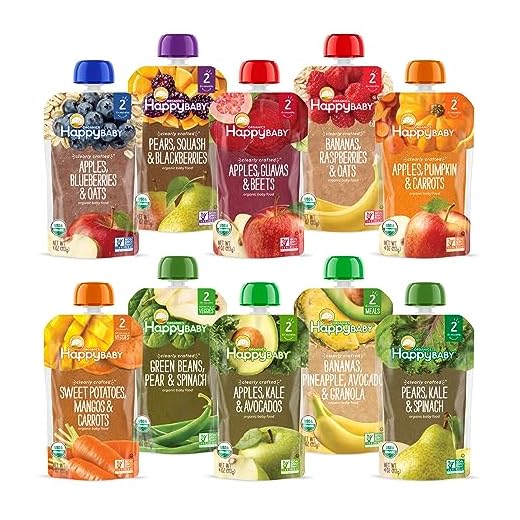
As your baby becomes more adept at eating from a spoon, you can introduce a wider variety of pureed fruits and vegetables. Good options include sweet potatoes, carrots, peas, apples, pears, and bananas. Continue to introduce one new food at a time, and remember that it can take up to 10-15 exposures for a baby to accept a new food.
Don’t be discouraged if your baby initially rejects certain flavors; keep offering a variety of foods. Around 6 months, you can also introduce pureed meats, which are excellent sources of iron and zinc. These nutrients become increasingly important as babies deplete the stores they were born with.
3. Months 8-10: Increasing Texture
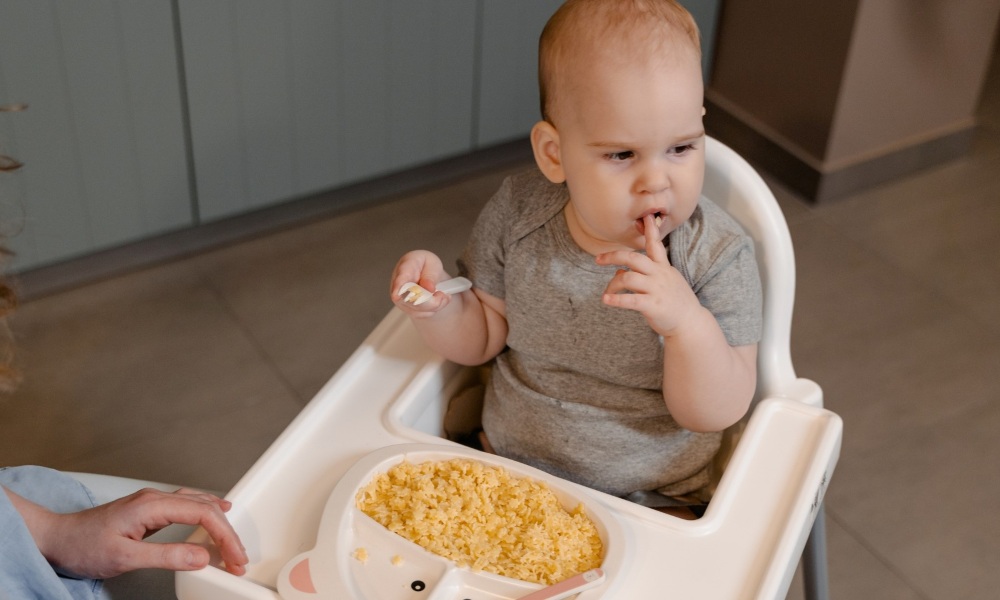
As your baby develops better tongue control and begins to master the pincer grasp (using thumb and forefinger to pick up small objects), you can start introducing foods with more texture. This might include mashed fruits and vegetables instead of pureed, soft cooked vegetables cut into small pieces, soft fruits like ripe peaches or melon cut into small cubes, well-cooked pasta, small pieces of soft cheese, and yogurt (if dairy has been introduced without issues). This is also a good time to introduce finger foods to encourage self-feeding. Offer small, soft pieces of food that dissolve easily in the mouth, like cereals or soft fruits.
4. Months 10-12: Approaching Table Foods
By this stage, many babies are ready to try more table foods and participate in family meals. Foods can be chopped into small pieces rather than mashed. Good options include small pieces of cooked meats, beans, tofu, well-cooked vegetables, bread, and pasta. Continue to avoid foods that pose a choking hazard, such as whole grapes, nuts, popcorn, and hard, raw vegetables. This is also a good time to introduce a sippy cup with water. Limit juice intake, as it can fill up small stomachs and provide empty calories.
Introducing Potential Allergens
Recent research has changed how we think about introducing potential allergens to babies.
The New Approach to Allergenic Foods
Contrary to previous advice, current recommendations suggest introducing common allergenic foods early, around 4-6 months, to potentially reduce the risk of developing allergies. These foods include peanuts (in a form that’s safe for babies, like smooth peanut butter thinned with breast milk or formula), egg, cow’s milk (in yogurt or cheese, not as a drink), fish, shellfish, tree nuts, soy, and wheat. However, if your baby has severe eczema or a known food allergy, consult with your pediatrician before introducing these foods.
How to Introduce Allergenic Foods
When introducing these foods, start with a small amount, about ¼ teaspoon of the food. Watch for signs of an allergic reaction for about 2 hours. If there’s no reaction, you can gradually increase the amount over the next few feedings. Signs of an allergic reaction can include hives, vomiting, or difficulty breathing. If you notice any of these symptoms, stop giving the food and seek medical attention immediately.
Feeding Techniques and Safety
How you feed your baby is just as important as what you feed them.
Safe Feeding Practices
Always supervise your baby during meals. Ensure your baby is sitting upright, never lying down while eating. Start with very smooth textures and gradually increase as your baby becomes more adept at eating. Avoid foods that pose a choking hazard, like whole grapes, nuts, popcorn, or hard candies. Never force-feed your baby. Let them set the pace and decide when they’re full.
Baby-Led Weaning vs. Traditional Spoon Feeding
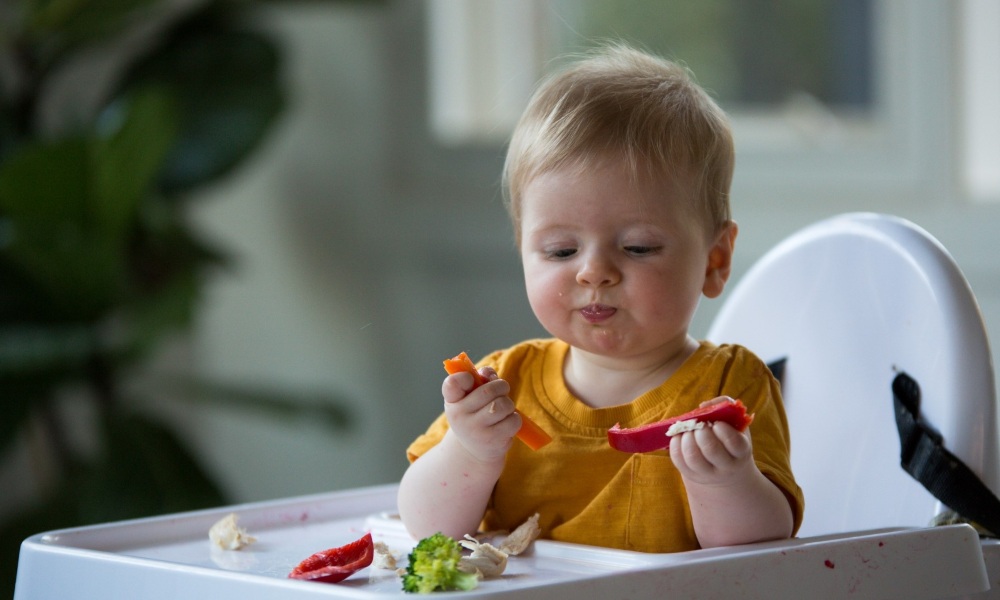
There are different approaches to introducing solid foods. Traditional spoonfeeding involves feeding your baby pureed foods with a spoon, gradually increasing texture as they develop. Baby-led weaning skips purees and lets babies self-feed appropriate finger foods from the start. Both methods can be effective, and many families use a combination. Choose the approach that works best for your family, keeping safety in mind.
Common Challenges and Solutions
Introducing solid foods can come with its share of challenges. Here are some common issues and how to address them.
Refusing New Foods
It’s normal for babies to be hesitant about new foods. Offer new foods alongside familiar favorites. Be patient and keep trying. It can take many exposures before a baby accepts a new food. Model eating and enjoying the food yourself.
Gastrointestinal Issues
Some babies may experience constipation or diarrhea when starting solids. To help, ensure adequate fluid intake, especially if your baby is experiencing constipation. Introduce fiber-rich foods gradually. If issues persist, consult your pediatrician.
Balancing Solids with Breast Milk or Formula
Remember that breast milk or formula should remain the primary source of nutrition throughout the first year. Offer solids after milk feeds to ensure your baby is getting enough of their primary nutrition.
FAQs
1. Can I give my baby cow’s milk as a drink before 12 months?
It’s not recommended to give cow’s milk as a drink before 12 months. Cow’s milk doesn’t provide the right balance of nutrients for infants and can be hard on their digestive systems. However, you can use small amounts of cow’s milk in cooking or offer dairy products like yogurt or cheese after 6 months.
2. How do I know if my baby is eating enough solid food?
In the beginning, solid foods are more about learning than nutrition. Your baby’s primary source of nutrition should still be breast milk or formula. Signs that your baby is eating enough include steady weight gain, contentment after meals, and plenty of wet diapers. Always follow your baby’s cues – they’ll turn away or close their mouth when full.
3. Is it okay to give my baby finger foods if they don’t have teeth yet?
Yes, babies can manage many finger foods even before they have teeth. They use their gums to mash soft foods. Start with foods that dissolve easily in the mouth or are soft enough to be mashed with gums. Always supervise your baby during meals and avoid foods that pose a choking hazard.
4. Should I avoid giving my baby foods with added salt or sugar?
Yes, it’s best to avoid adding salt and sugar to your baby’s diet. Babies’ kidneys can’t handle much sodium, and early exposure to sugar can shape future taste preferences. Focus on the natural flavors of foods. When preparing meals, set aside a portion for your baby before adding salt or sugar for the rest of the family.
Final Thoughts
The journey of introducing solid foods to your baby is a significant milestone filled with excitement, new experiences, and sometimes, a bit of mess. This transition is not just about nutrition; it’s an opportunity for your baby to explore new tastes, and textures, and develop important eating skills that will last a lifetime.
Remember that every baby is unique, and there’s no one-size-fits-all approach to introducing solids. What works for one child may not work for another, and that’s perfectly okay. The key is to be patient, stay attuned to your baby’s cues, and maintain a positive, relaxed atmosphere around mealtimes.
As you navigate this new phase, celebrate the small victories – the first successful spoonful, the discovery of a new favorite food, or the adorable faces your baby makes trying something new. These moments are precious and contribute to your baby’s healthy relationship with food. Trust your instincts, follow your pediatrician’s guidance, and enjoy this flavorful adventure with your little one.
Shop Related Products