
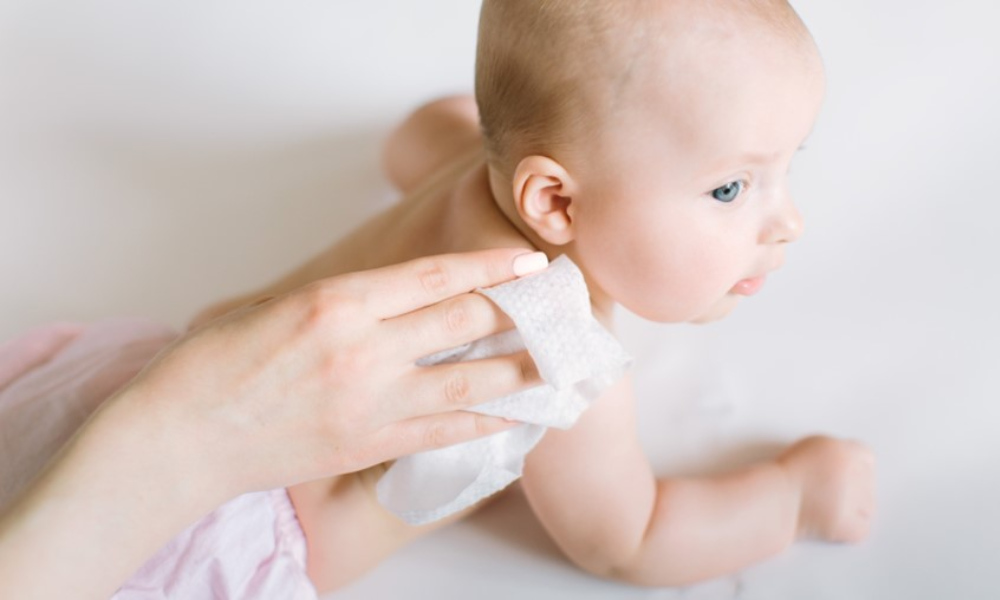
In the ever-evolving world of parenting, we’re constantly seeking ways to blend convenience with sustainability. Baby wipes, those handy little sheets that have become a staple in diaper bags and nurseries worldwide, are now under scrutiny for their environmental impact. As we become more conscious of our ecological footprint, many parents are exploring alternatives that are gentler on both their babies’ skin and the planet.
The traditional baby wipes market has seen significant growth, with global sales projected to reach $5.5 billion by 2025, according to a report by Grand View Research. However, this surge in popularity comes with a hefty environmental cost. Conventional wipes often contain plastic fibers and chemicals that can take hundreds of years to decompose, contributing to landfill waste and pollution.
Enter the world of eco-friendly baby wipe alternatives. From reusable cloth wipes to biodegradable options, the market is brimming with innovative solutions that promise to keep your little one clean and comfortable without compromising the environment. In this guide, we’ll explore these alternatives, weighing their pros and cons, and helping you make an informed decision that aligns with your parenting values and environmental concerns.
Understanding the Need for Alternatives
The quest for baby wipe alternatives stems from a growing awareness of the environmental impact of disposable products. Traditional baby wipes, while convenient, contribute significantly to landfill waste and often contain non-biodegradable materials and harsh chemicals. Many parents are now seeking options that align with their eco-friendly values without compromising on cleanliness and care for their little ones.
Environmental Impact of Traditional Wipes
Conventional baby wipes are typically made from synthetic materials like polyester or polypropylene, which can take hundreds of years to decompose. In the United States alone, it’s estimated that over 20 billion disposable diapers and wipes end up in landfills each year. This staggering figure highlights the urgent need for more sustainable alternatives in our daily care routines.
Health Concerns with Conventional Wipes
Beyond environmental considerations, many parents are turning to alternatives due to health concerns. Some babies have sensitive skin that reacts poorly to the chemicals and fragrances found in traditional wipes. Ingredients like alcohol, parabens, and phthalates can cause irritation, rashes, and allergic reactions in some infants. This has led to a surge in demand for hypoallergenic and natural options that are gentler on delicate skin.
Eco-Friendly Options (Alternatives)
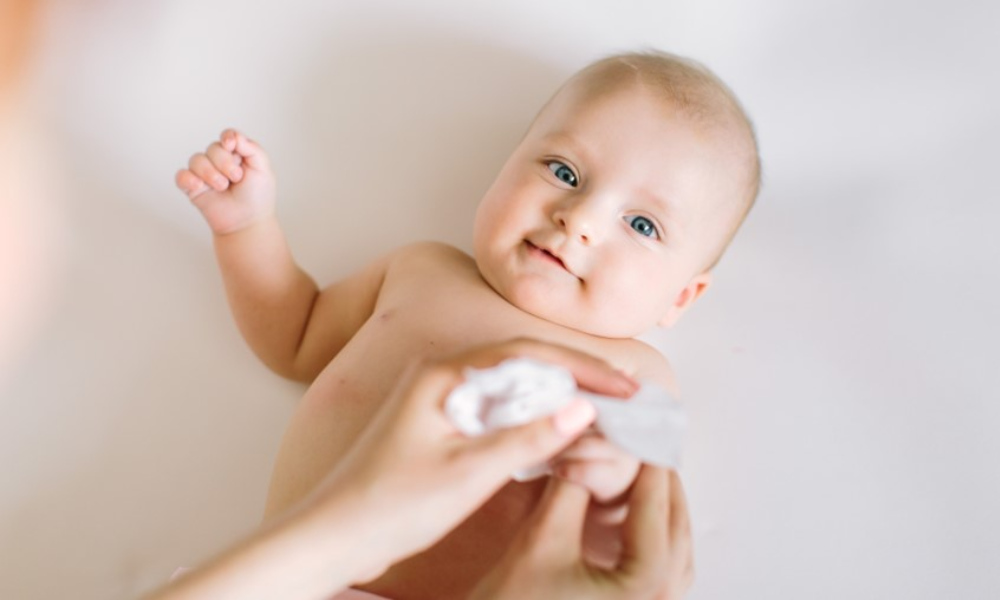
1. Cloth Wipes: A Reusable Revolution
One of the most popular eco-friendly alternatives to disposable baby wipes is cloth wipes. These reusable squares of fabric offer a sustainable and cost-effective solution for parents looking to reduce waste and minimize exposure to chemicals.
Benefits of Cloth Wipes
Cloth wipes are typically made from soft, natural materials like cotton, bamboo, or flannel. They’re gentle on sensitive skin and can be used with just water or a homemade solution, eliminating the need for potentially irritating chemicals. From an environmental standpoint, cloth wipes significantly reduce waste, as they can be washed and reused hundreds of times before needing replacement.
How to Use and Care for Cloth Wipes
Using cloth wipes is straightforward. Simply wet the wipe with water or a gentle solution and use it to clean your baby during diaper changes or messy situations. After use, rinse the wipe and store it in a wet bag until laundry day. To maintain hygiene, wash cloth wipes in hot water (around 60°C or 140°F) with a baby-safe detergent. Many parents find that adding cloth wipes to their existing cloth diaper laundry routine is an easy transition.
2. Biodegradable Disposable Wipes
For those who prefer the convenience of disposable wipes but want a more eco-friendly option, biodegradable wipes offer a compelling alternative. These wipes are designed to break down more quickly and easily than traditional disposables, reducing their long-term environmental impact.
Materials and Composition
Biodegradable wipes are typically made from natural materials like wood pulp, bamboo, or organic cotton. Many brands use plant-based plastics or compostable materials for packaging, further reducing their ecological footprint. It’s important to note that while these wipes are more environmentally friendly, they still require proper disposal to break down effectively.
Environmental Benefits and Limitations
The primary advantage of biodegradable wipes is their ability to decompose much faster than traditional wipes. Depending on the brand and composition, these wipes can break down in as little as 28 days in industrial composting facilities. However, it’s crucial to understand that most biodegradable wipes still require specific conditions to decompose properly and should not be flushed or composted at home.
3. DIY Wipe Solutions
For the most eco-conscious and budget-minded parents, creating homemade wipe solutions offers ultimate control over ingredients and waste reduction. This approach allows you to use gentle, natural ingredients that you trust on your baby’s skin.
Homemade Wipe Recipes
A simple and effective homemade wipe solution can be made with the following ingredients:
- 2 cups of warm water
- 1 tablespoon of mild, unscented castile soap
- 1 tablespoon of organic coconut oil
- 2-3 drops of lavender or tea tree essential oil (optional, for natural antibacterial properties)
Mix these ingredients in a spray bottle or container and use with cloth wipes or paper towels for a natural, gentle cleaning solution.
Cost-Effectiveness and Customization
Creating your own wipe solution can be significantly more cost-effective than purchasing pre-made wipes. It also allows you to customize the ingredients based on your baby’s specific skin needs. For example, if your child has particularly sensitive skin, you can omit essential oils or experiment with different natural oils to find the perfect blend.
4. Water Wipes: Simplicity in Baby Care
Water wipes have gained popularity as a minimalist approach to baby care. These wipes are made with 99.9% water and a drop of fruit extract, offering a pure and gentle option for cleaning delicate skin.
Purity and Simplicity
The main appeal of water wipes lies in their simplicity. With just water and a touch of fruit extract (often grapefruit seed extract), these wipes provide a cleaning solution that’s as close to using plain water as possible while still offering the convenience of a pre-moistened wipe.
Suitability for Sensitive Skin
Water wipes are particularly well-suited for babies with extremely sensitive skin or those prone to allergic reactions. The absence of added chemicals, fragrances, and preservatives makes them an excellent choice for newborns or infants with eczema or other skin conditions. However, it’s worth noting that the lack of preservatives means these wipes may have a shorter shelf life once opened compared to traditional wipes.
Transitioning to Eco-Friendly Alternatives
Making the switch to eco-friendly baby wipe alternatives can seem daunting at first, but with a little planning and patience, it can become a seamless part of your daily routine.
Gradual Implementation
Start by introducing eco-friendly alternatives alongside your current wipes. This allows you and your baby to adjust gradually. You might begin by using cloth wipes or biodegradable options for at-home diaper changes while keeping a pack of your usual wipes for on-the-go situations. As you become more comfortable with the new options, you can phase out the traditional wipes entirely.
Creating a Sustainable Diaper Station
Set up your changing area to support your new eco-friendly routine. This might include:
- A dedicated container for clean cloth wipes
- A spray bottle with homemade wipe solution or plain water
- A wet bag or covered pail for used cloth wipes
- A small trash can for biodegradable disposable wipes (if using)
Having everything organized and easily accessible will make the transition smoother and more likely to stick.
Comparing Costs and Long-Term Savings
While some eco-friendly alternatives may have a higher upfront cost, they often lead to significant savings over time. Let’s break down the potential costs and savings of different options:
1. Initial Investment vs. Long-Term Benefits
Cloth wipes typically require an initial investment of around $30-$50 for a set of 24-36 wipes. However, these can be used for multiple children and last for years, potentially saving hundreds of dollars compared to disposable wipes. For example, a family using an average of 3,000 wipes per year might spend approximately $150 annually on disposable wipes. Over two years, cloth wipes could save this family around $250, even accounting for laundry costs.
Biodegradable wipes and water wipes often cost slightly more per wipe than traditional disposables. However, many parents find they use fewer wipes per change due to their effectiveness, which can offset the higher unit cost.
2. Hidden Costs and Savings
Consider additional factors when evaluating costs:
- Reduced waste disposal fees
- Potential savings on diaper rash treatments due to gentler ingredients
- Lower environmental impact, which, while not directly financial, contributes to long-term global savings in terms of reduced pollution and waste management costs
Addressing Common Concerns
As with any change in baby care routines, parents often have concerns about switching to eco-friendly wipe alternatives. Let’s address some of the most common questions and worries.
1. Hygiene and Effectiveness
Many parents worry that alternative wipes won’t clean as effectively as traditional disposables. However, cloth wipes, when used with the right technique and solution, can actually be more effective at cleaning messes. The textured surface of cloth wipes can help remove debris more thoroughly than smooth disposable wipes.
For biodegradable and water wipes, effectiveness is comparable to traditional wipes. In fact, some parents report needing fewer wipes per change due to their durability and cleaning power.
2. Convenience and On-the-Go Use
Eco-friendly alternatives can be just as convenient as disposable wipes with a little preparation. For cloth wipes, pre-moisten a few and store them in a small wetbag or reusable silicone bag for easy access when out and about. Biodegradable wipes and water wipes are as portable as traditional disposables, making them an easy swap for on-the-go use.
FAQs
1. Are cloth wipes as effective at cleaning as disposable wipes?
Yes, cloth wipes can be just as effective, if not more so, than disposable wipes. Their texture often provides better cleaning power, especially when used with a gentle cleansing solution. Many parents find they need fewer cloth wipes per change compared to disposables. The key is to find a material and solution that works well for your baby’s skin type and your cleaning needs.
2. How many cloth wipes do I need if I decide to switch?
The number of cloth wipes you need depends on how often you plan to do laundry and how many diaper changes your baby typically needs. As a general rule, 24-36 wipes are usually sufficient for full-time use with washing every 2-3 days. Some parents prefer to have more on hand, around 48-60, to ensure they never run out between washes.
3. Can biodegradable wipes be composted at home?
While many biodegradable wipes are marketed as compostable, not all are suitable for home composting systems. Some require industrial composting facilities to break down properly. Check the packaging or manufacturer’s instructions for specific composting guidelines. If in doubt, it’s best to dispose of them in your regular trash, where they’ll still break down faster than traditional plastic-based wipes.
4. Are homemade wipe solutions safe for newborns?
Homemade wipe solutions can be safe for newborns if made with gentle, baby-safe ingredients. For very young babies, you might want to start with plain water or a solution of water and a small amount of mild, unscented baby soap. Avoid essential oils in solutions for newborns, as their skin is particularly sensitive. Always consult with your pediatrician if you have concerns about what products to use on your newborn’s skin.
Final Thoughts
The shift towards eco-friendly baby wipe alternatives is more than just a trend; it’s a reflection of our growing awareness of environmental issues and a desire to make more sustainable choices in our daily lives. By exploring alternatives like reusable cloth wipes, biodegradable options, or DIY solutions, we’re not only reducing our environmental impact but often providing gentler care for our babies’ sensitive skin.
Choosing the right alternative is a personal decision that depends on your family’s specific needs, lifestyle, and values. What works best for one family may not be ideal for another. The key is to find a balance between convenience, effectiveness, cost, and environmental impact that aligns with your priorities.
As we continue to innovate in the realm of baby care products, we can look forward to even more sustainable options emerging. By making informed choices and being open to new alternatives, we contribute to a healthier planet for the very children we’re caring for. Every small change adds up, and by rethinking something as simple as baby wipes, we’re taking a significant step towards a more sustainable future.
Shop Related Products


