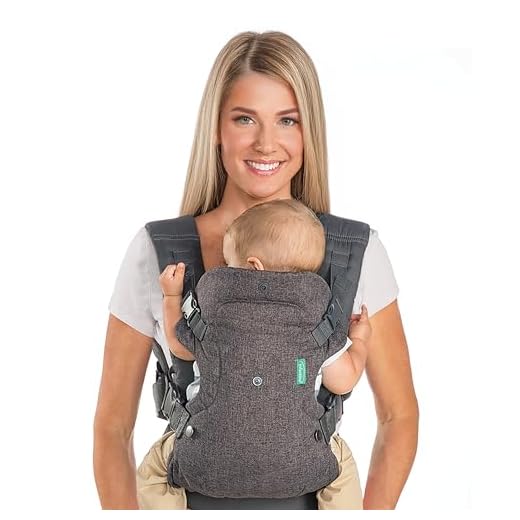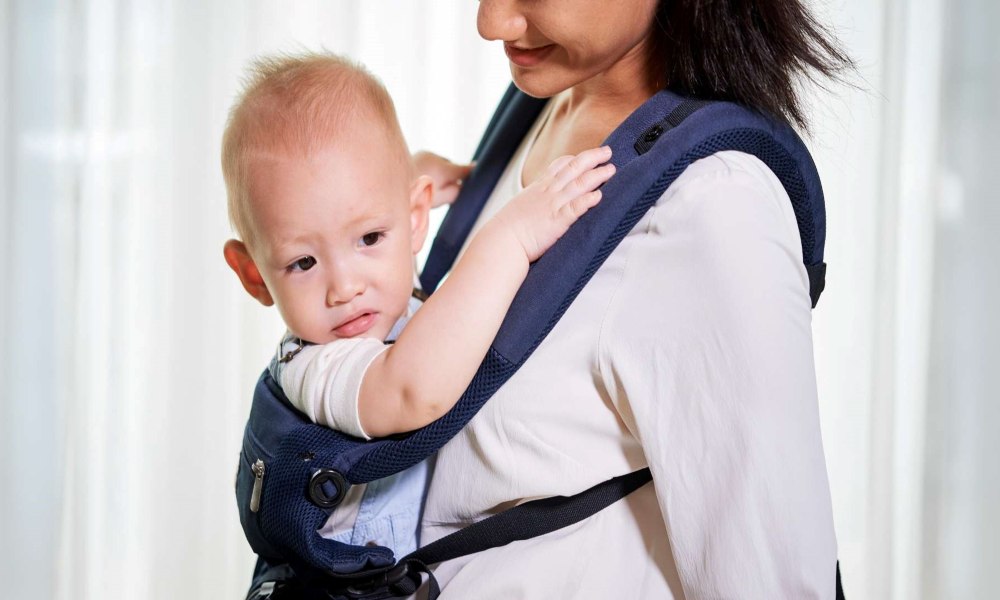
In today’s modern world, baby carriers have become indispensable tools for parents seeking to balance closeness with their infants and the demands of daily life. The Happy Baby Carrier stands out in this crowded market, offering a blend of comfort, style, and functionality that has resonated with many caregivers. As the needs of parents and babies evolve, it’s essential to evaluate how this popular carrier compares to emerging alternatives in 2026.
The Happy Baby Carrier has built a reputation for its thoughtful design, emphasizing both infant and parent comfort. Its adjustable features accommodate growing babies from newborn to toddler stages, while its ergonomic structure supports proper hip and spine development. Parents appreciate its lightweight fabric and ease of use, making it a go-to choice for everything from quick errands to extended outings.
However, the baby carrier landscape is continually evolving, with new brands introducing innovative features and materials. This review will not only delve into the specifics of the Happy Baby Carrier but also present 4 compelling alternatives that have gained traction in 2026. By examining these options side-by-side, we aim to provide parents with a comprehensive overview of the best baby carriers available, helping them make an informed decision that aligns with their lifestyle and parenting philosophy.
Quick Pick Section
Featured Product
| Product Name | Color | Material | Special Feature |
|---|---|---|---|
| Happy ORIGINAL BABY CARRIER | Flax | LINEN / COTTON BLEND | Discreet Nursing |
4 Best Alternatives
| Product Name | Color | Material | Special Feature | Price | |
|---|---|---|---|---|---|
| Ergobaby Embrace Cozy Newborn Carrier |  | Cream | Polyester | Adjustable Fit | Check Price On Amazon |
| MOMTORY Newborn Baby Carrier |  | Deep Grey | Cotton | Easily Adjustable | Check Price On Amazon |
| Momcozy Baby Carrier |  | Cotton-Leopard | Cotton | Enhanced Lumbar Support | Check Price On Amazon |
| Topmeta Newborn Carrier |  | Grey | Polyester | Adjustable Neck Support | Check Price On Amazon |
Featured Product
Happy ORIGINAL BABY CARRIER
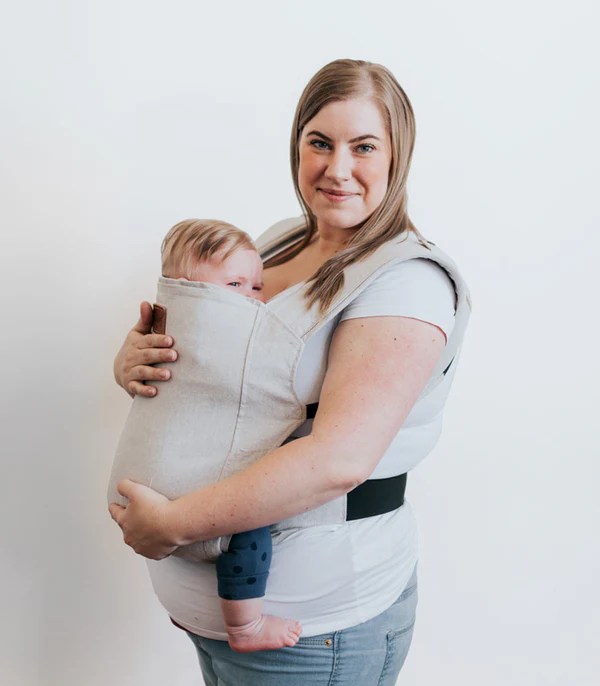
Key Specs
- Color: Flax
- Material: LINEN / COTTON BLEND
- Special Feature: Discreet Nursing
The Happy ORIGINAL BABY CARRIER combines functionality with comfort, offering a versatile solution for parents from the newborn stage through toddlerhood. Crafted from a linen/cotton blend in a neutral flax color, this carrier provides a breathable and stylish option for everyday use.
Versatility shines through in the carrier’s design, accommodating children from 7 to 45 pounds without the need for an infant insert. This wide weight range ensures long-term usability, adapting to your child’s growth over time. The carrier’s structure supports discreet nursing, a valuable feature for breastfeeding mothers on the go. Additionally, its design takes into account the needs of mothers recovering from cesarean sections, offering comfort during the postpartum period.
Practicality extends to the carrier’s storage solutions and portability. A hidden pocket not only houses a protective hood but also provides extra storage space for essentials. When not in use, the carrier folds compactly, fitting easily into a diaper bag for convenient transport. This combination of thoughtful features positions the Happy ORIGINAL BABY CARRIER as a comprehensive solution for parents seeking a balance of comfort, functionality, and ease of use in their baby-wearing experience.
4 Best Alternatives for 2026
1. Ergobaby Embrace Cozy Newborn Carrier – Our Top Pick Alternative
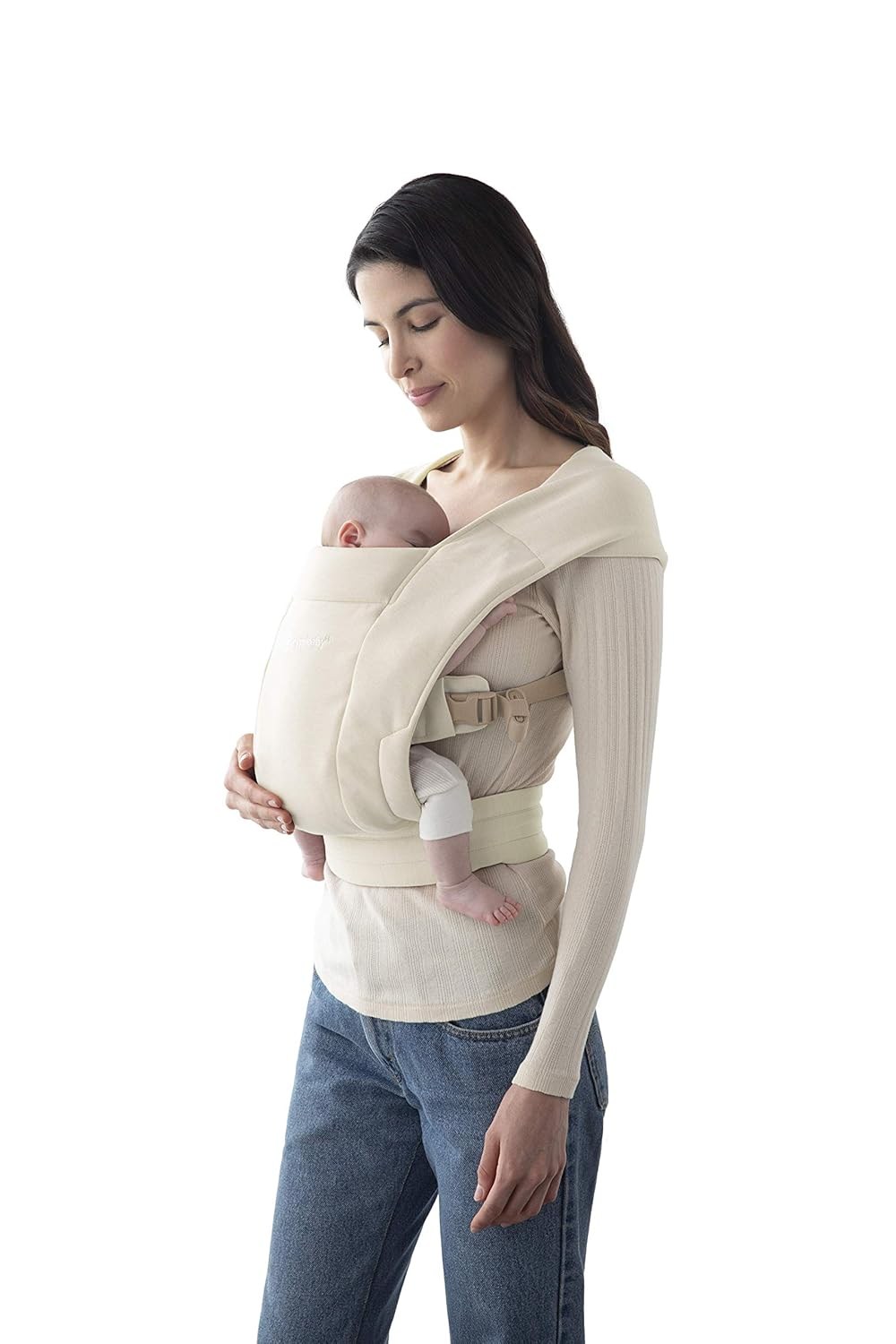

Key Specs
- Color: Cream
- Material: Polyester
- Special Feature: Adjustable Fit
Winner of our BD4U Top Pick Award, the Ergobaby Embrace Cozy Newborn Carrier stands out for its thoughtful design tailored specifically for the delicate newborn stage. This carrier, in a soft cream color, is crafted from ponte knit polyester, offering a snug and comfortable environment for babies weighing 7 to 25 pounds.
Adaptability is a key feature of the Embrace carrier. Its design accommodates a wide range of body types, with an adjustable waist belt that fits sizes from 22 to 54 inches. This inclusive sizing ensures that parents of various builds can comfortably use the carrier. The straps are also adjustable to suit different heights, allowing for a customized fit that promotes proper posture and comfort for the wearer.
The Embrace carrier’s focus on newborn comfort is evident in its cozy, wrap-like design. This structure provides the close contact that newborns crave while offering the support necessary for their developing bodies. The soft, stretchy fabric mimics the feeling of being held, potentially easing the transition for babies who prefer to be in arms. For parents seeking a carrier specifically designed to nurture the special bond with their newborn, the Ergobaby Embrace offers a blend of comfort, support, and adaptability.
2. MOMTORY Newborn Baby Carrier – Runner Up Alternative
Key Specs
- Color: Deep Grey
- Material: Cotton
- Special Feature: Easily Adjustable
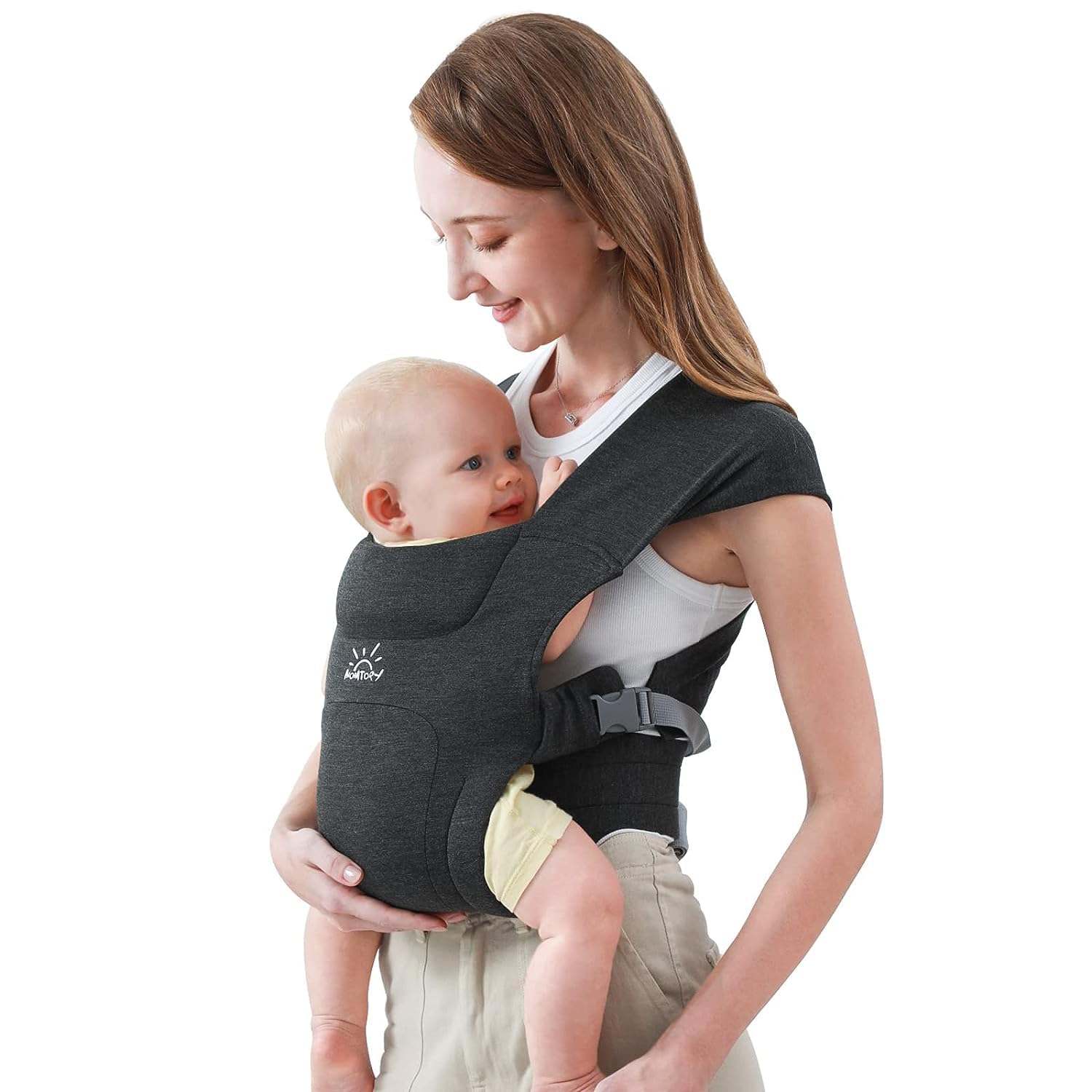
Our BD4U Runner Up Award goes to the MOMTORY Newborn Baby Carrier, which offers a blend of simplicity and functionality for new parents. This carrier, available in a deep grey color, is crafted from soft cotton material, providing a gentle and breathable environment for newborns.
The carrier’s design prioritizes ease of use, featuring a hook and loop system for quick and simple adjustments. This feature is particularly valuable for parents navigating the challenges of handling a newborn, allowing for swift and secure fitting without complicated buckles or straps. The intuitive design ensures that even sleep-deprived parents can confidently use the carrier with minimal fuss.
Comfort is at the forefront of the MOMTORY carrier’s design philosophy. The soft fabric creates a cozy cocoon for the baby, mimicking the feeling of being cradled in arms. This snug environment can be particularly soothing for newborns, potentially easing the transition from womb to world. The carrier’s structure supports a natural, ergonomic position for the baby, promoting healthy hip and spine development. For parents seeking a straightforward, comfortable solution for carrying their newborn, the MOMTORY Newborn Baby Carrier offers a user-friendly option that doesn’t compromise on baby’s comfort or safety.
3. Momcozy Baby Carrier – Great Design Alternative
Key Specs
- Color: Cotton-Leopard
- Material: Cotton
- Special Feature: Enhanced Lumbar Support
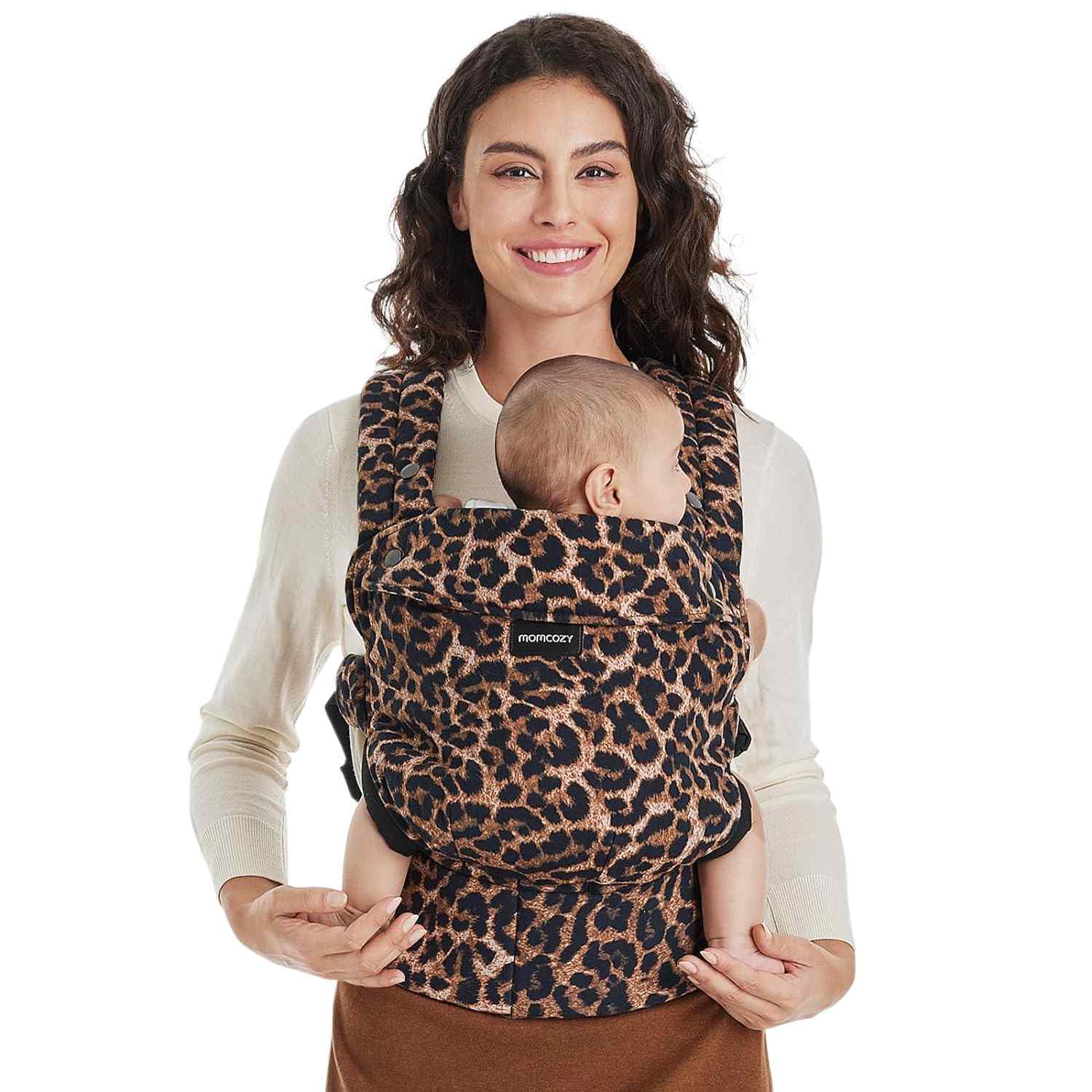
The Momcozy Baby Carrier is our BD4U Great Design Award winner for its innovative approach to comfort and style. This carrier, featuring a bold leopard print on cotton fabric, combines ergonomic support with fashion-forward design. Suitable for children from 7 to 44 pounds, it offers extended usability from infancy through toddlerhood.
Ease of use is a standout feature of the Momcozy carrier. Its design allows for effortless putting on and taking off, a crucial consideration for parents managing the demands of a growing child. The carrier’s lightweight construction doesn’t compromise on support, with enhanced lumbar support providing comfort for the wearer during extended use. This thoughtful design element addresses a common concern among parents who experience back strain from baby-wearing.
Versatility shines through in the Momcozy carrier’s ability to adapt to various carrying positions. This flexibility allows parents to find the most comfortable position for both themselves and their child, accommodating different activities and preferences. The carrier’s focus on ergonomic design extends to the child’s comfort, supporting proper hip and spine alignment across various stages of development. For parents seeking a carrier that combines practicality with a touch of wild style, the Momcozy Baby Carrier offers a unique solution that doesn’t sacrifice functionality for fashion.
4. Topmeta Newborn Carrier – Best Value Alternative
Key Specs
- Color: Grey
- Material: Polyester
- Special Feature: Adjustable Neck Support
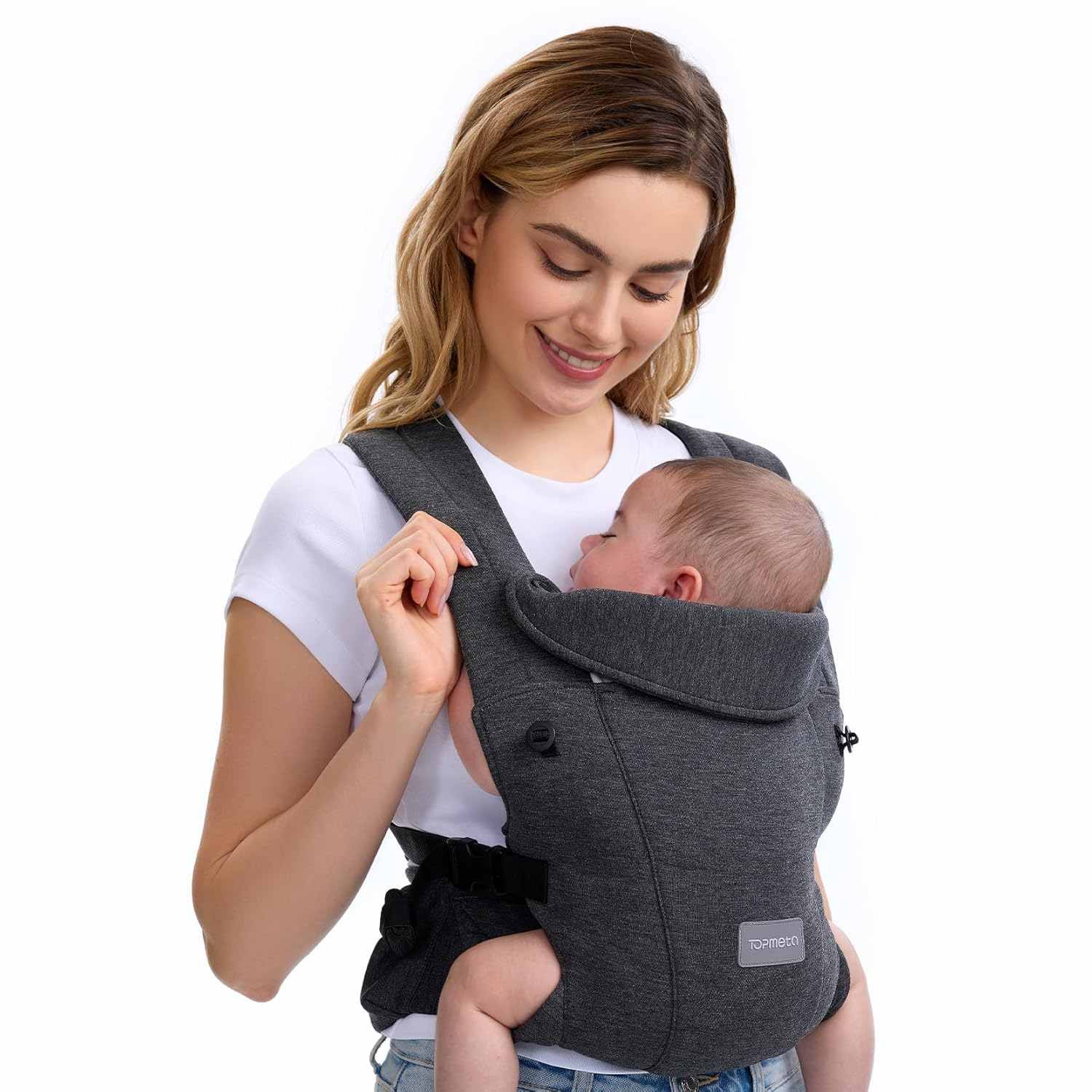
The Topmeta Newborn Carrier is our BD4U Best Value Award winner, offering an impressive array of features at an accessible price point. This carrier, available in a versatile grey color, is crafted from soft polyester material, providing a comfortable environment for babies weighing 7 to 24 pounds.
Ergonomics take center stage in the Topmeta carrier’s design, with a focus on proper support for the developing infant. The adjustable neck support is a standout feature, ensuring that even the youngest babies are held in a safe and comfortable position. This attention to newborn anatomy makes the carrier an excellent choice for parents concerned about proper head and neck alignment in the early months.
Adaptability is a key strength of the Topmeta Newborn Carrier. Its lightweight design and adjustable straps allow for a customized fit for various body types, ensuring comfort for the wearer. The carrier’s structure promotes a natural seated position for the baby, supporting healthy hip development. For parents seeking an affordable carrier that doesn’t compromise on essential features or comfort, the Topmeta Newborn Carrier presents a value-packed option that addresses the unique needs of carrying a newborn.
Our Selection Process
When evaluating the Happy Baby Carrier and its alternatives for 2026, we focused on critical factors that define an exceptional baby carrier. We prioritized ergonomic design, assessing each carrier’s ability to provide proper hip and spine support for infants and toddlers while ensuring comfort for parents during extended wear. Safety features were paramount, so we examined the quality of buckles, straps, and overall construction. We also considered the versatility of each carrier, looking for options that offer multiple carrying positions to accommodate babies from newborn to toddler stages, as well as adjustability features to fit various body types of caregivers.
Fabric quality and breathability played a significant role in our selection criteria, as we sought carriers that maintain comfort in different climates and withstand frequent use and washing. We evaluated the ease of use, including how simple it is to put on and take off the carrier, adjust on the go, and transfer a sleeping baby. Additionally, we considered extra features that enhance functionality, such as storage pockets, hood attachments for sun protection or nursing privacy, and the carrier’s overall weight and compactness for travel. Through this comprehensive assessment, we aimed to provide a thorough comparison of the Happy Baby Carrier against top alternatives, helping parents find the ideal carrier for their lifestyle and baby’s needs in 2026.
Buying Guide Tips
1. Ergonomic Design and Safety
Prioritize carriers with proper ergonomic design to support your baby’s developing hips and spine. Look for carriers that create an “M” shape with the baby’s legs, keeping the knees higher than the bottom. Ensure the carrier provides adequate head and neck support, especially for newborns. Check that the carrier has been tested to meet safety standards and has secure fastenings. A wide, supportive seat and adjustable panels that grow with your baby are essential features for long-term use and comfort. Consider carriers with multiple carrying positions to accommodate your child’s changing needs as they grow.
2. Comfort for Both Baby and Wearer
Choose a carrier made from soft, breathable materials to keep your baby comfortable in various climates. Look for padded shoulder straps and a wide, supportive waistband to distribute weight evenly and reduce strain on your back and shoulders. Consider carriers with adjustable straps and panels to customize the fit for different body types and sizes. Some carriers offer features like lumbar support or crossable straps for added comfort during extended wear. For the baby, ensure the carrier provides proper support and allows for natural movement of the limbs.
3. Ease of Use and Adjustability
Opt for a carrier that is easy to put on and take off, especially if you’ll be using it alone. Look for intuitive buckles or wrapping techniques that don’t require assistance. Consider how easy it is to adjust the carrier while wearing it, as you may need to make adjustments for comfort or to change carrying positions. Some carriers offer features like sliding adjusters or color-coded straps to simplify the process. Ensure the carrier can be adjusted to fit different caregivers if multiple people will be using it.
4. Versatility and Longevity
Look for carriers that offer multiple carrying positions (front-inward, front-outward, hip, and back) to accommodate your baby’s changing needs and preferences as they grow. Consider the weight range supported by the carrier to ensure long-term use. Some carriers offer removable infant inserts or extendable panels to adapt from newborn to toddler stages. Think about additional features that might enhance versatility, such as weather protection hoods or the ability to breastfeed discreetly while wearing the carrier. A carrier that grows with your child and adapts to different situations can offer better value over time.
FAQs
1. At what age can I start using a baby carrier?
Most baby carriers can be used from birth, provided they offer adequate head and neck support for newborns. Always check the manufacturer’s guidelines for minimum weight and age recommendations. For newborns, look for carriers with built-in infant inserts or adjustable features that create a snug, supportive environment. As your baby grows and gains head control (usually around 4-6 months), you can transition to more open carrying positions.
2. How long can I safely wear my baby in a carrier?
The duration for safely wearing your baby depends on various factors, including your comfort, the baby’s age, and the type of carrier. Generally, it’s safe to wear your baby for as long as both you and the baby are comfortable. For newborns, shorter periods of 10-15 minutes may be appropriate, gradually increasing as the baby grows. Always monitor your baby for signs of discomfort or overheating. Take breaks as needed, and alternate carrying positions to prevent strain on your body.
3. Are baby carriers safe for the baby’s hip development?
When used correctly, ergonomic baby carriers can support healthy hip development. Look for carriers that position the baby’s legs in an “M” shape, with knees higher than the bottom and thighs supported. This position, known as the “spread-squat” or “frog-leg” position, is recommended by pediatric orthopedists. Avoid carriers that allow the baby’s legs to dangle straight down, as this can potentially stress the hip joints. Always follow the manufacturer’s instructions for proper positioning.
4. How do I clean and maintain my baby carrier?
Cleaning methods vary depending on the carrier’s materials and construction. Many fabric carriers are machine washable, but always check the care label for specific instructions. For carriers that can’t be machine washed, spot cleaning with mild soap and water is usually sufficient. Allow the carrier to air dry completely before use. Regularly inspect your carrier for signs of wear, such as frayed straps or loose stitching, and discontinue use if you notice any damage that could compromise safety.
5. Can I breastfeed while using a baby carrier?
Many baby carriers are designed to allow for discreet breastfeeding. Look for carriers with adjustable straps and panels that can be easily loosened to facilitate nursing. Practice adjusting the carrier and positioning your baby for feeding in a comfortable setting before attempting it in public. Some carriers come with built-in nursing covers or hoods for added privacy. Always ensure your baby’s airway is clear and that you can monitor their breathing during feeding.
Final Thoughts
The Happy Baby Carrier and its alternatives for 2026 showcase the impressive advancements in baby carrier technology and design. Each option offers unique features that cater to different parenting styles and infant needs. The Happy Baby Carrier’s reputation for comfort and simplicity remains strong, but the alternatives present compelling reasons to consider a wider range of options.
When selecting a baby carrier, parents should prioritize ergonomic support for both themselves and their child. Look for carriers that offer adjustable settings to accommodate your baby’s growth from infancy through toddlerhood. Consider factors such as fabric breathability, ease of cleaning, and versatility in carrying positions. The right carrier can significantly enhance your daily routines and outdoor adventures with your little one.
While the Happy Baby Carrier continues to be an excellent choice, the alternatives we’ve explored demonstrate that there’s no one-size-fits-all solution in the world of baby carriers. Each family’s needs are unique, and what works perfectly for one may not be ideal for another. By carefully evaluating the features, benefits, and potential drawbacks of each carrier, you can find the perfect match for your family’s lifestyle. A well-chosen baby carrier can foster closer bonds, promote healthy development, and make parenting on-the-go more manageable and enjoyable.
Shop Related Products