
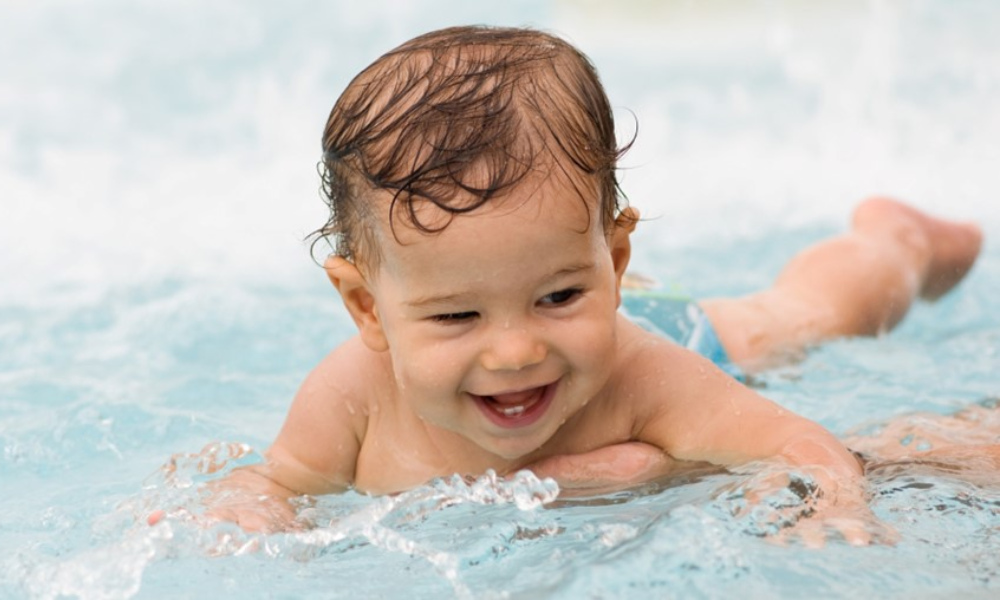
As parents, we’re always looking for ways to make our little ones’ experiences safe, comfortable, and enjoyable. When it comes to water activities, swim diapers play a crucial role in ensuring a hygienic and worry-free environment for everyone involved. However, a common question that often perplexes new parents is whether swim diapers can effectively hold pee.
In this comprehensive guide, we’ll dive deep into the world of swim diapers, exploring their functionality, purpose, and limitations. We’ll unravel the mystery behind their design and help you understand what you can realistically expect from these specialized diapers when your little one takes a dip in the pool or at the beach.
As 2025 approaches, diaper technology continues to advance, bringing enhanced designs and innovative features to the market. In this guide, we’ll explore the latest breakthroughs in swim diapers, providing you with the insights you need to make confident choices for your child’s water activities. Whether you’re a first-time parent or simply looking to refresh your knowledge, this comprehensive resource covers everything you need to know about swim diapers and their ability to manage your baby’s needs while in the water.
Understanding Swim Diapers: Purpose and Design
Before we delve into the specifics of whether swim diapers can hold pee, it’s essential to understand their primary purpose and how they’re designed. This foundational knowledge will help us better appreciate the capabilities and limitations of swim diapers.
The Purpose of Swim Diapers
Swim diapers, also known as swim nappies, are specifically designed for use in water environments. Their primary purpose is to contain solid waste (poop) while your child is swimming or playing in water. This containment is crucial for maintaining water hygiene and preventing the spread of waterborne illnesses.
Unlike regular diapers, swim diapers are not designed to absorb liquids. Their main job is to act as a barrier, preventing solid waste from escaping into the water. This design focus is essential for understanding their functionality when it comes to urine.
Design Features of Swim Diapers
Swim diapers are engineered with several unique features that set them apart from regular diapers:
- Non-absorbent materials: Unlike regular diapers, swim diapers are made from special non-absorbent materials that prevent them from soaking up water. This ensures they don’t swell up or become heavy, allowing babies and toddlers to move comfortably in the water without being weighed down.
- Snug fit: Swim diapers are carefully designed to fit tightly around the waist and legs, creating a secure barrier that helps prevent solid waste from leaking out. This snug fit is essential for maintaining hygiene in pools and preventing contamination.
- Elastic edges: The leg openings and waistband are equipped with elastic edges that stretch to create a secure seal against the skin. This flexible design not only ensures a better fit but also minimizes the chances of leaks while allowing your child to move freely.
- Lightweight construction: Swim diapers are thinner and more lightweight compared to regular diapers, which helps reduce drag in the water. This design allows children to swim and play with ease, without the bulkiness of traditional diapers slowing them down.
- Quick-drying fabrics: Many swim diapers are made from fabrics that dry quickly, which is especially useful when transitioning from water to land. This feature keeps babies and toddlers more comfortable, reducing the risk of chafing or irritation caused by staying wet for too long.
Understanding these design features helps explain why swim diapers behave differently from regular diapers when it comes to handling urine.
Do Swim Diapers Hold Pee?
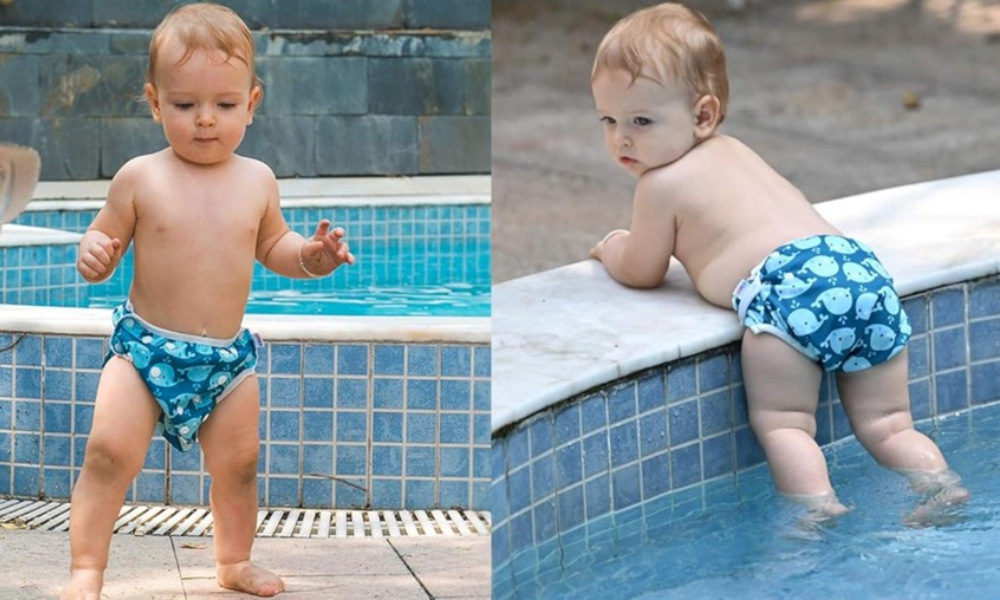
Now, let’s address the main question: do swim diapers hold pee? The short answer is no, swim diapers are not designed to hold or absorb urine.
Why Swim Diapers Don’t Hold Pee
Swim diapers are intentionally designed to be non-absorbent. If they were to absorb liquids like regular diapers, they would quickly become waterlogged and heavy, making it difficult for your child to move in the water and potentially creating a drowning hazard.
The non-absorbent design means that urine will pass through the swim diaper and into the surrounding water. This might seem unhygienic at first, but it’s important to remember that properly maintained pool water is treated with chemicals that neutralize urine and other contaminants.
What Happens When a Child Pees in a Swim Diaper?
When a child urinates while wearing a swim diaper, the following typically occurs:
- The urine passes through the non-absorbent material of the swim diaper.
- It mixes with the surrounding pool or ocean water.
- In a properly maintained pool, the chlorine and other treatment chemicals begin to neutralize the urine.
It’s worth noting that while this process is generally safe in treated water, it’s still important to encourage bathroom breaks and practice good hygiene habits.
The Importance of Swim Diapers for Water Safety
While swim diapers may not hold pee, they play a crucial role in maintaining water safety and hygiene. Let’s explore why swim diapers are essential for babies and toddlers in aquatic environments.
Preventing Waterborne Illnesses
The primary function of swim diapers is to contain solid waste, which is crucial for preventing the spread of harmful bacteria and parasites in the water. Fecal matter can contain pathogens like E. coli, Giardia, and Cryptosporidium, which can cause serious illnesses if ingested.
By effectively containing solid waste, swim diapers help maintain water quality and reduce the risk of recreational water illnesses (RWIs). According to the Centers for Disease Control and Prevention (CDC), proper use of swim diapers, combined with frequent bathroom breaks and good hygiene practices, can significantly reduce the risk of RWIs in public pools and water parks.
Compliance with Pool Regulations
Many public pools and water parks require the use of swim diapers for young children who are not fully toilet trained. This requirement is often mandated by local health departments to ensure water safety for all patrons.
By using swim diapers, parents not only protect their own children but also contribute to the overall safety and cleanliness of public water facilities. It’s a simple step that shows consideration for others and helps maintain a pleasant environment for everyone to enjoy.
Types of Swim Diapers: Disposable vs. Reusable
When it comes to choosing swim diapers, parents have two main options: disposable and reusable swim diapers. Each type has its own set of advantages and considerations. Let’s explore both options to help you make an informed decision for your family.
Disposable Swim Diapers
Disposable swim diapers are designed for one-time use and are typically made from similar materials to regular disposable diapers, but with a non-absorbent core.
Advantages of disposable swim diapers:
- Convenient for travel and short-term use
- No need to clean and dry after use
- Often cheaper for occasional swimmers
Considerations:
- Can be more expensive in the long run for frequent swimmers
- Generate more waste compared to reusable options
- May not fit as snugly as some reusable options, potentially increasing the risk of leaks
Reusable Swim Diapers
A reusable swim diaper is typically made from waterproof or water-resistant fabric with a soft, comfortable lining. They can be washed and used multiple times.
Advantages of reusable swim diapers:
- More cost-effective for frequent swimmers
- Environmentally friendly, producing less waste
- Often available in a variety of cute designs and colors
- Can provide a snugger, more adjustable fit
Considerations:
- Requires washing and drying between uses
- The initial cost may be higher than disposable options
- May need to purchase multiple sizes as your child grows
When choosing between disposable and reusable swim diapers, consider factors such as frequency of use, budget, environmental concerns, and personal convenience preferences.
Proper Usage and Best Practices
To maximize the effectiveness of swim diapers and ensure a safe, hygienic swimming experience for your child and others, it’s important to follow some best practices:
Correct Sizing and Fit
Proper fit is crucial for swim diapers to effectively contain solid waste. Ensure you choose the right size based on your child’s weight and age. The diaper should fit snugly around the waist and legs without being too tight or leaving gaps.
For disposable swim diapers, check the packaging for size guidelines. With reusable swim diapers, look for adjustable options that can grow with your child, ensuring a proper fit over time.
Frequent Checks and Changes
Regular checks are essential to maintain hygiene. Inspect the swim diaper every 30-60 minutes or immediately if you suspect your child has had a bowel movement. Change the diaper away from the water area, preferably in a designated changing room or restroom.
If using a reusable swim diaper, bring a wet bag or plastic bag to store the used diaper until you can wash it properly.
Combining with Regular Diapers
For added protection, especially for younger babies, some parents choose to use a regular diaper underneath the swim diaper. While this can provide an extra layer of protection against leaks, it’s important to note that regular diapers will absorb water and become heavy.
If you choose this method, be extra vigilant in monitoring your child in the water and change both diapers frequently to prevent discomfort and potential safety issues.
Swim Diaper Innovations and Future Trends
As we look towards 2025 and beyond, the world of swim diapers continues to evolve with new innovations and improvements. Let’s explore some of the exciting developments in swim diaper technology:
Eco-Friendly Materials
With increasing environmental awareness, many manufacturers are developing swim diapers made from sustainable materials. We’re seeing a rise in biodegradable disposable options and reusable swim diapers made from recycled plastics or organic fabrics.
For example, some companies are experimenting with plant-based materials that offer the same water-resistant properties as traditional swim diapers but with a lower environmental impact.
Smart Diaper Technology
While still in early stages, some companies are exploring the integration of smart technology into swim diapers. These innovations could include:
- Moisture sensors that alert parents when the diaper needs changing
- Temperature monitors to ensure the child doesn’t get too cold in the water
- UV sensors to remind parents to reapply sunscreen
While these features are not yet widely available, they represent exciting possibilities for the future of swim diaper technology.
Improved Containment Systems
Ongoing research and development are leading to more effective containment systems in swim diapers. Some new designs feature multiple layers of protection or innovative closure systems to minimize the risk of leaks.
These advancements aim to provide better protection against solid waste leakage while maintaining the non-absorbent properties necessary for swim diapers.
FAQs
1. How often should I change my child’s swim diaper?
It’s recommended to check your child’s swim diaper every 30-60 minutes and change it immediately if you suspect a bowel movement has occurred. Even if there’s no visible soiling, it’s good practice to change the swim diaper every 1-2 hours to ensure optimal hygiene and comfort. Always change the diaper away from the water area, preferably in a designated changing room or restroom.
2. Can I use regular diapers for swimming instead of swim diapers?
Regular diapers are not suitable for swimming. They’re designed to absorb liquids, which means they’ll quickly become waterlogged and heavy in the pool, potentially creating a safety hazard. Regular diapers can also break apart in water, releasing their absorbent gel and potentially clogging pool filters. Always use specially designed swim diapers for water activities.
3. Are reusable swim diapers more effective than disposable ones?
Both reusable and disposable swim diapers can be effective when used correctly. Reusable swim diapers often provide a snugger fit due to their adjustable features, which can help prevent leaks. However, disposable swim diapers are designed to be effective as well. The choice often comes down to personal preference, frequency of use, and environmental considerations.
4. At what age can my child stop wearing swim diapers?
Children should wear swim diapers until they are fully toilet trained and can reliably control their bowel movements. This typically occurs between 2-3 years of age, but it varies for each child. Even after toilet training, it’s a good idea to have your child use the bathroom before entering the pool and take regular bathroom breaks.
5. How do I clean and maintain reusable swim diapers?
To clean reusable swim diapers, rinse them in cold water immediately after use to remove any solid waste. Then, machine wash in warm water with a mild detergent. Avoid using fabric softeners or bleach as these can affect the diaper’s water-resistant properties. Air dry or tumble dry on low heat. Always check the manufacturer’s specific care instructions, as they may vary between brands.
Final Thoughts
Swim diapers can be a source of confusion for new parents, yet understanding their purpose and limitations is essential for ensuring a safe and enjoyable water experience for your little one. While they aren’t designed to hold urine, their primary role in containing solid waste is key to maintaining water hygiene.
Swim diapers are crafted with safety and functionality in mind, specifically for aquatic environments. When used properly, alongside good hygiene practices and adherence to pool regulations, they help create a cleaner, safer swimming space for everyone. Looking to the future, advancements in swim diaper technology are on the horizon.
By 2025 and beyond, we can expect innovations such as eco-friendly materials, smarter features, and enhanced containment systems. These developments aim to improve both the swimming experience for babies and toddlers and address growing environmental concerns. Staying informed about these changes allows parents to make thoughtful, informed decisions for their children’s aquatic adventures.
Shop Related Products


