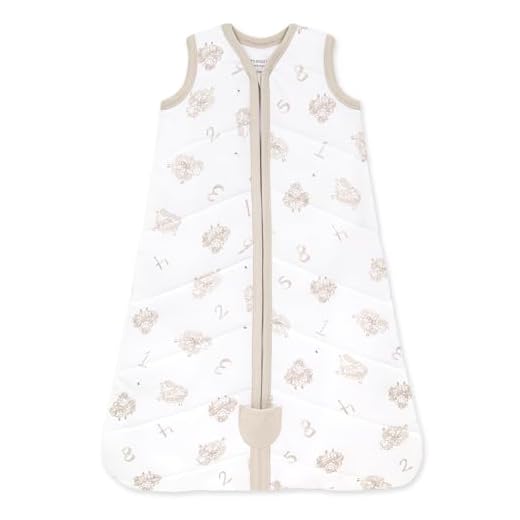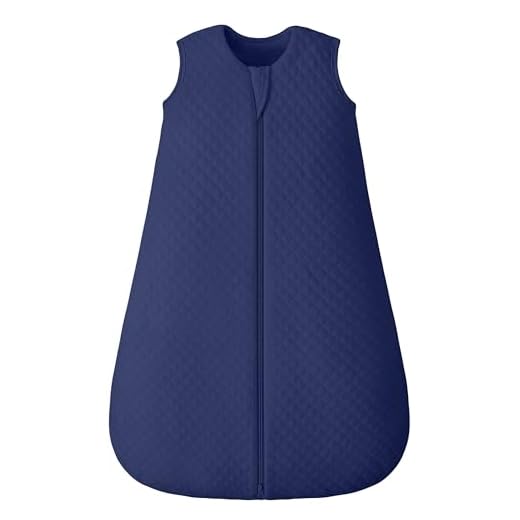
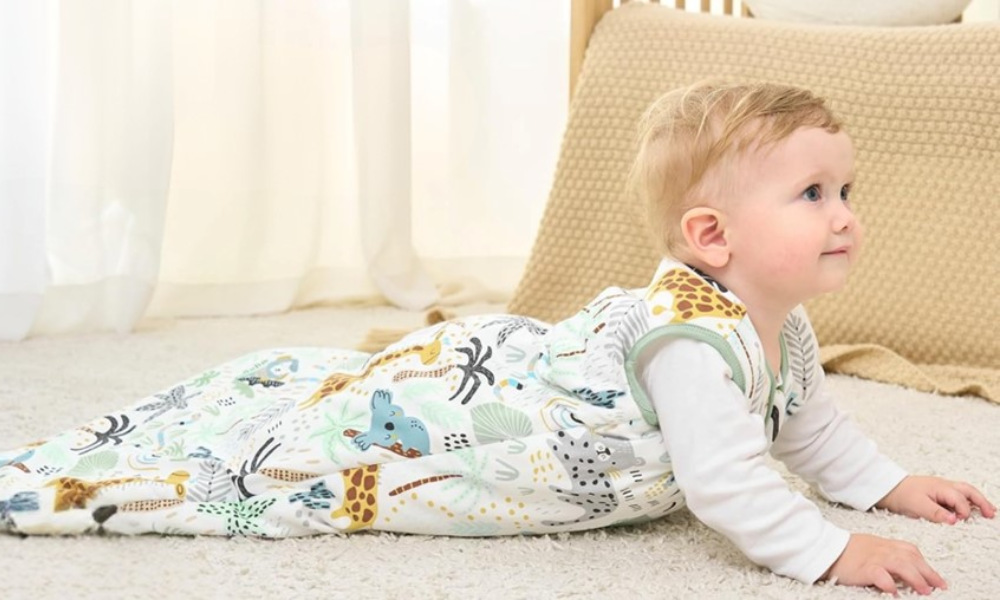
Ensuring your baby’s comfort and safety during sleep is a top priority for parents, yet it can be a complex task. One crucial aspect often overlooked is dressing your little one appropriately for bedtime. The right sleepwear can make a significant difference in your infant’s sleep quality and overall well-being.
The TOG chart emerges as an essential tool for navigating this challenge. TOG, or Thermal Overall Grade, measures the warmth of sleepwear and bedding. By understanding and applying TOG ratings, you can help your baby maintain an optimal temperature throughout the night, promoting safer and more restful sleep.
We’ll explore the intricacies of TOG ratings, break down the TOG chart, and offer practical advice on dressing your baby for sleep across various room temperatures and seasons. Whether you’re new to parenting or looking to refine your approach to your infant’s sleep attire, this guide will equip you with the knowledge to make informed decisions, ensuring your baby’s comfort and safety during those precious sleeping hours.
Understanding TOG Ratings
Before we dive into the specifics of the TOG chart, it’s crucial to grasp the concept of TOG ratings and their significance in infant sleep safety.
What is TOG?
TOG, or Thermal Overall Grade, is a standardized measurement of thermal insulation used primarily in the textile industry. In the context of baby sleepwear, TOG indicates how warm a garment or sleeping bag will keep your baby. The higher the TOG rating, the warmer the item. This system allows parents to choose appropriate sleepwear based on room temperature, ensuring their little one stays comfortably warm without overheating.
The Importance of TOG in Baby Sleep
Maintaining the right body temperature is crucial for infants, who are still developing their ability to regulate their own temperature. Overheating has been linked to an increased risk of Sudden Infant Death Syndrome (SIDS), while being too cold can disrupt sleep and potentially lead to illness. By using TOG-rated sleepwear, parents can more accurately dress their baby for sleep, reducing these risks and promoting better quality rest.
Decoding the TOG Chart
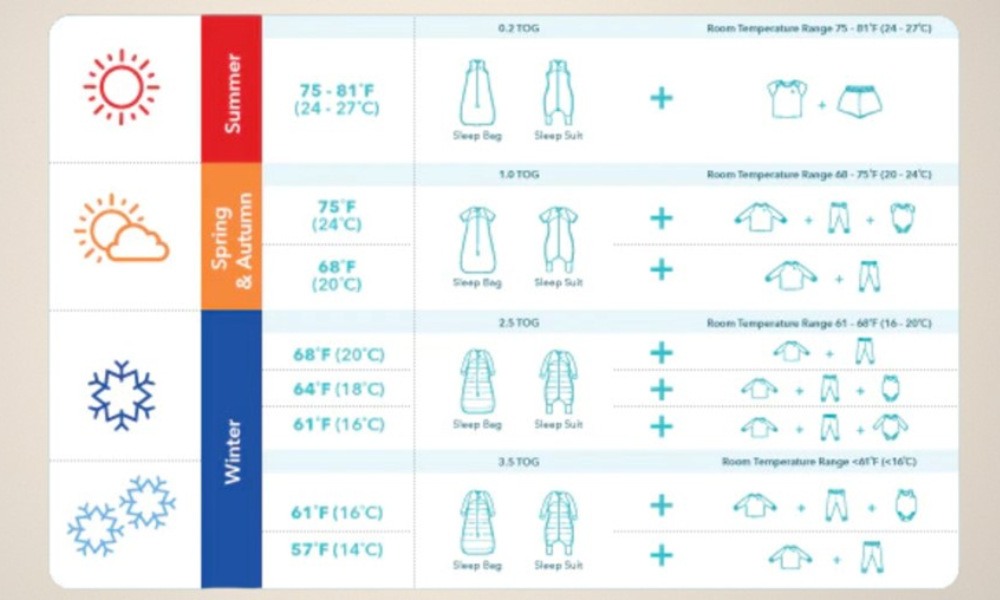
The TOG chart is a visual guide that helps parents match the appropriate TOG rating to room temperature. Let’s break down the common TOG ratings and their recommended usage.
0.5 TOG
A 0.5 TOG rating is the lightest and is ideal for warm rooms or summer nights. These garments are typically made of very thin, breathable material. You might use a 0.5 TOG sleeping bag when the room temperature is above 24°C (75°F). This light coverage ensures your baby stays comfortable without overheating in warmer conditions.
1.0 TOG
Moving up the scale, 1.0 TOG items provide slightly more warmth. These are suitable for room temperatures between 21-23°C (70-74°F). A 1.0 TOG sleeping bag or sleepsuit is often ideal for spring and autumn nights or in homes with consistent, moderate temperatures.
2.5 TOG
A 2.5 TOG rating offers considerable warmth and is appropriate for room temperatures between 16-20°C (61-69°F). This is a common choice for winter use in many homes, providing enough insulation to keep your baby warm without being overly bulky.
3.5 TOG
The 3.5 TOG rating is the warmest commonly available for baby sleepwear. It’s designed for use in cold rooms with temperatures below 16°C (61°F). While it’s rare to need such a high TOG rating indoors, it can be useful in very cold climates or in homes without central heating.
How to Use the TOG Chart
Understanding TOG ratings is one thing, but applying this knowledge effectively requires a bit more insight. Here’s how you can use the TOG chart to dress your baby for sleep safely and comfortably.
The first step in using the TOG chart is accurately measuring your baby’s room temperature. Invest in a reliable room thermometer and place it near your baby’s sleeping area, but out of their reach. Check the temperature at bedtime and during the night if possible, as temperatures can fluctuate. Once you know the room temperature, refer to the TOG chart to select the appropriate sleepwear:
- Above 24°C (75°F): Use 0.5 TOG or just a diaper and thin cotton onesie
- 21-23°C (70-74°F): Opt for 1.0 TOG
- 16-20°C (61-69°F): Choose 2.5 TOG
- Below 16°C (61°F): Consider 3.5 TOG
Remember, these are guidelines. You should always consider other factors like your baby’s health, activity level, and personal preference.
Layering and Adjusting
Dressing your baby for sleep isn’t always as simple as choosing a single TOG-rated item. Often, it involves thoughtful layering and adjustment based on various factors.
The Art of Layering
Layering allows for flexibility in dressing your baby for sleep. Here’s a general guide:
- Base layer: Start with a onesie or bodysuit
- Middle layer: Add a sleepsuit or pajamas if needed
- Outer layer: Use a sleeping bag or sleep sack with the appropriate TOG rating
The combined TOG of all layers should match the recommended TOG for room temperature. For instance, in a room at 18°C (64°F), you might use a 0.5 TOG onesie under a 2.0 TOG sleeping bag for a total of 2.5 TOG.
Adjusting for Individual Needs
Every baby is unique, and you may find that your little one runs warmer or cooler than average. Pay attention to signs of overheating (sweating, flushed cheeks) or being too cold (cold hands or chest). Adjust the layers or TOG rating accordingly, always erring on the side of slightly cooler to reduce SIDS risk.
Seasonal Considerations
As the seasons change, so do your baby’s sleepwear needs. Let’s explore how to adapt your approach throughout the year.
Summer Sleep Solutions
In warm summer months, keeping your baby cool is key. Opt for the lightest TOG ratings (0.5 or 1.0) and breathable fabrics like cotton. On very hot nights, a diaper and thin cotton onesie might be sufficient. Keep the room well-ventilated and consider using a fan to circulate air, but never point it directly at your baby.
Winter Warmth
Winter presents the challenge of keeping your baby warm without overheating. Higher TOG ratings (2.5 or 3.5) come into play here. However, be cautious about overdressing – it’s better for your baby to be slightly cool than too warm. Pay attention to the indoor temperature, which may be warmer than outside due to heating.
Special Considerations
While the TOG chart is a valuable tool, there are special circumstances that may require adjustments to your approach.
Premature Babies and Newborns
Premature babies and newborns may have difficulty regulating their body temperature. They often need an extra layer compared to older babies. Consult with your pediatrician for specific advice tailored to your baby’s needs.
illness and Fever
When your baby is unwell, particularly with a fever, their temperature regulation can be affected. In these cases, you might need to dress them more lightly than the TOG chart suggests. Always prioritize your baby’s comfort and consult a healthcare professional if you’re unsure.
Beyond TOG: Other Factors in Safe Sleep
While TOG ratings are crucial for dressing your baby for sleep, they’re just one part of creating a safe sleep environment.
Room Setup
Ensure your baby’s sleep area is free from loose bedding, pillows, and toys. Use a firm mattress covered with a tight-fitting sheet. Keep the crib away from windows, heaters, and cords.
Sleep Position
Always place your baby on their back to sleep, as this is the safest position for reducing SIDS risk. Once your baby can roll over on their own, you don’t need to reposition them if they roll onto their side or stomach during sleep.
Monitoring Your Baby
Regularly check on your sleeping baby, especially when adjusting to new sleepwear or during temperature changes. Look for signs of comfort or distress, and adjust accordingly.
Common Misconceptions About Baby Sleep Temperature
There are several myths surrounding baby sleep temperature that we should address to ensure safer sleep practices.
“Babies Need to Be Bundled Up”
Many parents believe that babies need to be wrapped up warmly to sleep well. However, overheating is a greater risk than being slightly cool. A comfortable room temperature for a sleeping baby is between 16-20°C (61-68°F), which might feel cool to adults but is perfect for infants.
“Cold Hands Mean a Cold Baby”
It’s common for babies to have cooler hands and feet due to their developing circulatory systems. A better indicator of your baby’s temperature is the back of their neck or their chest. If these areas feel comfortably warm (not hot or sweaty), your baby is likely at a good temperature.
Choosing TOG-Rated Products
When shopping for TOG-rated sleepwear, there are several factors to consider beyond just the TOG rating.
Material Matters
Look for natural, breathable fabrics like cotton or bamboo. These materials help regulate temperature and reduce the risk of overheating. Avoid synthetic materials that might trap heat and moisture.
Design and Functionality
Choose sleepwear that’s easy to put on and take off, especially for nighttime diaper changes. Features like two-way zippers can be extremely helpful. For sleeping bags, ensure they fit properly around the neck and armholes to prevent your baby from slipping inside.
Quality and Safety Standards
Opt for products from reputable brands that adhere to safety standards. Look for certifications that ensure the product has been tested for safety and quality.
FAQs
1. Can I use a blanket instead of a TOG-rated sleeping bag?
It’s not recommended to use loose blankets for babies under 12 months due to the risk of SIDS. TOG-rated sleeping bags are safer as they stay in place and reduce the risk of overheating or covering the baby’s face. If you must use a blanket, ensure it’s tucked in firmly below your baby’s shoulders and use a lightweight, breathable material.
2. How do I know if my baby is too hot or too cold during sleep?
Check the nape of your baby’s neck or their chest, it should feel warm but not sweaty. Cold hands and feet are normal and not a reliable indicator. Signs of overheating include sweating, damp hair, flushed cheeks, rapid breathing, and heat rash. If your baby feels cool, add a light layer. Always err on the side of your baby being slightly cool rather than too warm.
3. Should I adjust the TOG rating if my baby has a fever?
Yes, when your baby has a fever, their body temperature is elevated, so they’ll need lighter bedding. Dress them in light clothing or a lower TOG-rated sleeping bag. Keep the room at a comfortable temperature (around 18°C or 65°F) and monitor your baby closely. Always consult your pediatrician if you’re concerned about your baby’s fever.
4. Can I use the same TOG-rated sleeping bag year-round?
While it’s possible to use the same TOG rating year-round in climate-controlled homes, it’s generally better to have different options. A 2.5 TOG bag might work for most of the year, but you’ll likely want a lighter option (0.5 or 1.0 TOG) for summer and possibly a warmer one (3.5 TOG) for very cold winters, depending on your home’s heating and local climate.
Final Thoughts
The TOG chart serves as a valuable compass in the journey of parenting, guiding us through the sometimes murky waters of infant sleep safety. By embracing this tool and understanding its nuances, we take a significant step towards creating an optimal sleep environment for our little ones.
However, it’s crucial to remember that the TOG chart is just one piece of the puzzle. Each baby is unique, with their own preferences and needs. While the chart provides an excellent starting point, your observations and instincts as a parent play an equally important role. Pay attention to your baby’s cues, be willing to adjust, and don’t hesitate to trust your judgment.
The art of dressing a baby for sleep goes beyond following a chart – it’s about creating a cocoon of comfort and safety that nurtures restful sleep and healthy development. As you apply these principles night after night, you’re not just ensuring better sleep for your baby; you’re laying the foundation for healthy sleep habits that will serve your child well into the future. Sweet dreams await both you and your little one as you master this essential aspect of infant care.
Shop Related Products