Parenting brings countless joys and challenges, and one unexpected hurdle you might face is dealing with floss stuck in your baby’s teeth. This seemingly minor issue can cause discomfort and distress for both you and your little one. We understand the importance of maintaining your baby’s oral health while ensuring their comfort. In this guide, we’ll explore effective and gentle methods to remove floss stuck between teeth, providing you with the knowledge and confidence to handle this situation calmly and efficiently.
Babies and toddlers are naturally curious, often exploring their surroundings with their mouths. As they begin to develop oral hygiene habits, they may encounter difficulties with flossing, leading to pieces getting lodged between their tiny teeth. While this can be alarming for parents, it’s essential to approach the situation with patience and care. We’ll walk you through various techniques and tools you can use at home to safely dislodge the floss, as well as preventive measures to avoid future incidents.
Our aim is to equip you with practical solutions that prioritize your baby’s comfort and dental health. From simple household items to specialized dental tools, we’ll cover a range of options suitable for different situations. Remember, your baby’s well-being is paramount, and we’re here to support you every step of the way. Let’s dive into the world of baby dental care and discover how to tackle the challenge of floss stuck in teeth with confidence and ease.
Identifying the Problem: Floss Stuck in Baby’s Teeth
1. Recognizing the Signs
As parents, we’re always on the lookout for any signs of discomfort in our little ones. When it comes to floss stuck in your baby’s teeth, there are several indicators to watch for. You might notice your baby showing increased irritability or fussiness, especially during feeding times. They may repeatedly touch or rub their mouth, indicating discomfort in a specific area. In some cases, you might even see visible strands of floss peeking out between their teeth.
It’s important to remember that babies can’t always communicate their discomfort verbally, so being attentive to these nonverbal cues is crucial. If you suspect that floss is stuck between your baby’s teeth, take a closer look inside their mouth. Gently pull back their lips and cheeks to examine the spaces between their teeth. Look for any unusual white or colored threads that don’t belong.
2. Common Causes and Prevention
Understanding how floss gets stuck in the first place can help us prevent future incidents. Often, this happens during supervised flossing sessions when a piece of floss breaks off or frays. Sometimes, curious babies might find and play with dental floss, accidentally getting it caught in their teeth. To minimize these risks, always use age-appropriate flossing tools designed for babies and toddlers. These often have wider, more durable floss that’s less likely to break or fray.
Store dental hygiene products out of your baby’s reach to prevent unsupervised access. When flossing your baby’s teeth, be gentle and avoid forcing the floss between tight spaces. If you encounter resistance, try a different angle or consider using a different flossing tool. Regularly inspecting your flossing aids for signs of wear and tear can also help prevent breakage during use.
Safe and Effective Removal Techniques
Gentle Manual Removal
When you discover floss stuck in your baby’s teeth, your first instinct might be to remove it immediately. However, it’s crucial to approach this situation calmly and gently. Start by washing your hands thoroughly to prevent introducing any bacteria into your baby’s mouth. Gently open your baby’s mouth and try to visualize the stuck floss.
If you can see the end of the floss, you might be able to grasp it with clean tweezers or your fingers. Gently tug on the floss, moving it in the direction it would naturally come out when flossing. Be extremely careful not to push the floss further between the teeth or cause any injury to your baby’s gums. If the floss doesn’t come out easily, don’t force it. This could lead to discomfort or even damage to your baby’s delicate teeth and gums.
Using Water Irrigation
Water irrigation can be an effective and gentle method to dislodge stuck floss. You can use a small oral irrigator designed for children or a clean medicine dropper filled with lukewarm water. Aim the water stream at the area where the floss is stuck, directing it between the teeth. The water pressure can help loosen the floss and flush it out.
When using this method, ensure the water temperature is comfortable for your baby. Water that’s too hot or cold can cause discomfort or even pain. Start with a gentle stream and gradually increase the pressure if needed. Always be mindful of your baby’s reactions and stop immediately if they show signs of distress.
Specialized Tools for Removal
Dental Floss Threaders
Dental floss threaders can be incredibly useful tools when dealing with stuck floss. These thin, flexible plastic tools have a stiff end that can be used to gently guide new floss under the stuck piece. By carefully maneuvering the threader, you might be able to dislodge the stuck floss or create enough space to remove it manually.
When using a floss threader, be extremely gentle and patient. Insert the stiff end between the teeth where the floss is stuck, then gently guide it under the stuck piece. Once in place, you can use the threader to gently pull the stuck floss out. Remember, if you encounter any resistance or if your baby shows signs of discomfort, stop and consider seeking professional help.
Interdental Brushes
Interdental brushes, which are small, tapered brushes designed to clean between teeth, can sometimes be effective in removing stuck floss. These brushes come in various sizes, so choose one that’s appropriate for your baby’s teeth spacing. Gently insert the brush between the teeth where the floss is stuck and move it back and forth. The bristles might catch the floss and help pull it out.
When using an interdental brush, start with the smallest size available to minimize discomfort. Gradually work your way up to larger sizes if needed. Always use gentle, controlled movements to avoid causing any injury to your baby’s gums or teeth.
Professional Intervention
When to Seek Dental Help
While many cases of stuck floss can be resolved at home, there are situations where professional intervention is necessary. If you’ve tried the above methods without success, or if your baby is experiencing significant discomfort or pain, it’s time to consult a pediatric dentist. Additionally, if you notice any signs of infection, such as swelling, redness, or unusual odor around the affected area, seek professional help immediately.
It’s also advisable to consult a dentist if you’re unsure about the best course of action or if you’re uncomfortable attempting removal yourself. Pediatric dentists have specialized tools and expertise to safely remove stuck floss without causing any harm to your baby’s teeth or gums.
What to Expect at the Dentist
When you visit a pediatric dentist for stuck floss, they will first conduct a thorough examination of your baby’s mouth. They may use specialized dental mirrors and lights to get a clear view of the affected area. The dentist will assess the situation and determine the best method for removal based on the location and severity of the stuck floss.
In most cases, dentists can remove stuck floss quickly and painlessly using professional dental tools. They might use special floss, picks, or even a water flosser to dislodge the stuck piece. Throughout the procedure, they will ensure your baby’s comfort and may use techniques to keep them calm and cooperative.
After successfully removing the floss, the dentist will likely examine the area for any signs of damage or irritation. They may also provide advice on preventing similar incidents in the future and discuss proper flossing techniques for young children.
Preventive Measures and Oral Care Tips
1. Choosing the Right Flossing Tools
Selecting appropriate flossing tools is crucial in preventing floss from getting stuck in your baby’s teeth. Opt for flossing aids specifically designed for infants and toddlers. These often feature wider, more durable floss that’s less likely to break or fray. Some popular options include:
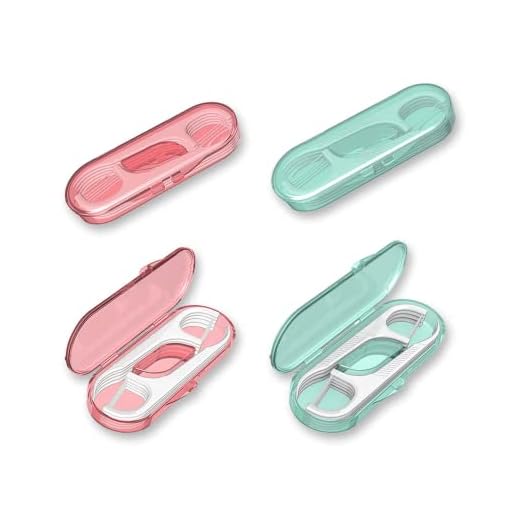
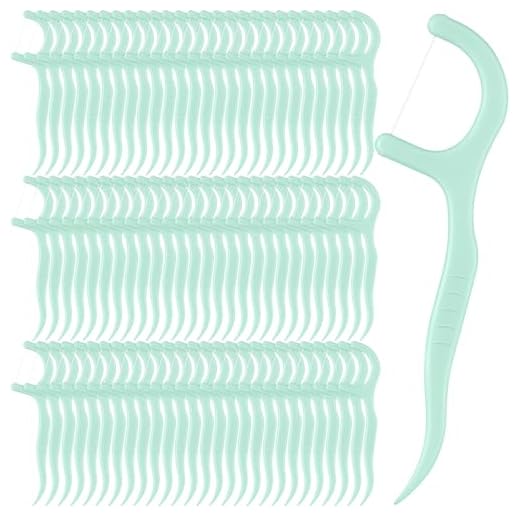
- Floss picks: These Y-shaped tools have a small piece of floss stretched between two prongs, making them easier to maneuver in a baby’s small mouth.
- Floss handles: Similar to floss picks but with a longer handle, providing better control for parents when flossing their baby’s teeth.
- Soft flossers: These feature a gentle, spongy floss material that’s less likely to get stuck or cause discomfort.
When choosing flossing tools, consider factors such as your baby’s age, the spacing of their teeth, and their comfort level. It’s often helpful to try a few different types to find what works best for your little one.
Proper Flossing Techniques for Babies
Learning the correct flossing technique can significantly reduce the risk of floss getting stuck. Here are some tips for safely flossing your baby’s teeth:
- Start gently: Begin flossing as soon as your baby has two teeth that touch. Use a very gentle touch to avoid hurting their sensitive gums.
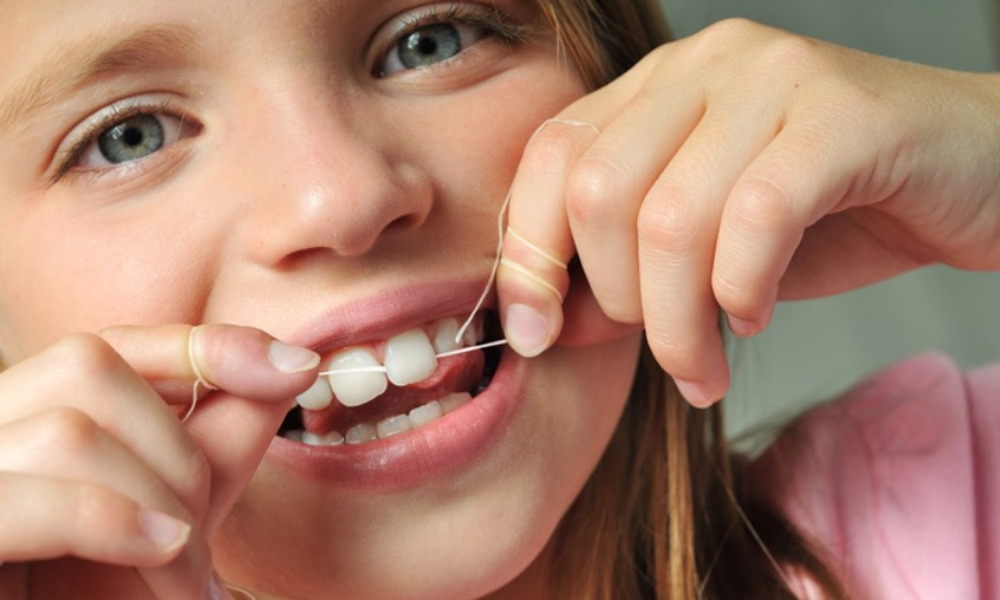
- Use the right amount of floss: For traditional floss, use about 18 inches, wrapping most of it around your middle fingers and leaving about 1-2 inches to work with.
- Curve around each tooth: Form a C-shape with the floss around each tooth, gently sliding it up and down along the sides of the tooth and under the gumline.
- Be thorough but gentle: Clean between every tooth, but never force the floss if teeth are too tight. If you encounter resistance, try a different angle or consider using a different flossing tool.
- Rinse after flossing: If your baby is old enough to rinse and spit, have them do so after flossing to remove any loosened debris.
Remember, consistency is key. Aim to floss your baby’s teeth at least once a day, preferably before bedtime, to establish good oral hygiene habits early on.
Maintaining Overall Oral Health
While flossing is an important aspect of oral care, it’s just one part of a comprehensive dental hygiene routine for your baby. Here are some additional tips to keep your little one’s teeth and gums healthy:
- Start early: Begin cleaning your baby’s gums even before their first tooth appears. Use a soft, damp cloth to gently wipe their gums after feedings.
- Introduce toothbrushing: Once the first tooth emerges, start brushing twice daily with a soft-bristled, infant-sized toothbrush and a rice-grain-sized amount of fluoride toothpaste.
- Watch sugar intake: Limit sugary foods and drinks, especially before bedtime. Avoid putting your baby to bed with a bottle of milk or juice, as this can lead to tooth decay.
- Schedule regular dental visits: The American Academy of Pediatric Dentistry recommends scheduling your baby’s first dental visit by their first birthday or within six months of their first tooth appearing.
- Lead by example: Let your baby watch you brush and floss your own teeth. Children often learn by imitating their parents, so demonstrating good oral hygiene habits can encourage them to develop their own.
- Stay hydrated: Encourage your baby to drink water throughout the day. Water helps rinse away food particles and bacteria, promoting better oral health.
By incorporating these practices into your daily routine, you’re setting a strong foundation for your baby’s lifelong oral health. Remember, every child is different, so be patient and flexible as you find what works best for your little one.
FAQs
1. Can floss stuck in teeth cause long-term damage to my baby’s oral health?
In most cases, floss stuck in teeth doesn’t cause long-term damage if removed promptly and gently. However, if left for an extended period, it could potentially irritate the gums or lead to bacterial buildup. Always consult a pediatric dentist if you’re concerned about potential damage or if you’re unable to remove the floss safely at home.
2. How often should I floss my baby’s teeth?
Ideally, you should floss your baby’s teeth at least once a day, preferably before bedtime. This helps remove food particles and plaque that brushing alone might miss. However, the frequency may depend on your baby’s diet and teeth spacing. Consult with your pediatric dentist for personalized recommendations based on your baby’s specific needs.
3. At what age should I start flossing my baby’s teeth?
You should start flossing your baby’s teeth as soon as they have two teeth that touch each other. This typically occurs around 2-3 years of age but can vary. Even if the teeth aren’t touching, you can gently introduce the concept of flossing earlier to help your baby get accustomed to the process.
4. What are some signs that my baby might have something stuck between their teeth?
Signs that your baby might have something stuck between their teeth include increased irritability, frequent touching or rubbing of the mouth area, difficulty or refusal to eat, bad breath, or visible discomfort when touching a specific area of their mouth. If you notice these signs, gently check your baby’s mouth and consult a pediatric dentist if you’re unsure or unable to resolve the issue.
Final Thoughts
Navigating the challenges of your baby’s oral health is an important part of parenting. Dealing with floss stuck in your teeth can be a nerve-wracking experience, but with the right knowledge and tools, you can handle it confidently. Remember, prevention is key. By choosing appropriate flossing tools and using proper techniques, you can significantly reduce the risk of floss getting stuck in the first place.
It’s crucial to approach any dental issue with patience and gentleness. Your baby’s comfort and safety should always be the top priority. If you’re ever in doubt or if home remedies aren’t working, don’t hesitate to seek professional help. Pediatric dentists are trained to handle these situations and can provide valuable guidance for your baby’s ongoing oral care.
Establishing good oral hygiene habits early on sets the foundation for a lifetime of healthy teeth and gums. Regular brushing, flossing, and dental check-ups are essential components of this routine. By staying informed and proactive about your baby’s dental health, you’re giving them the best start possible. Remember, every small step you take in caring for your baby’s teeth contributes to their overall health and well-being.
Shop Related Products