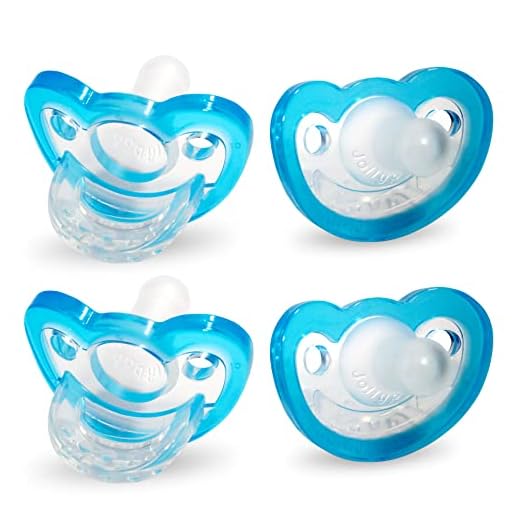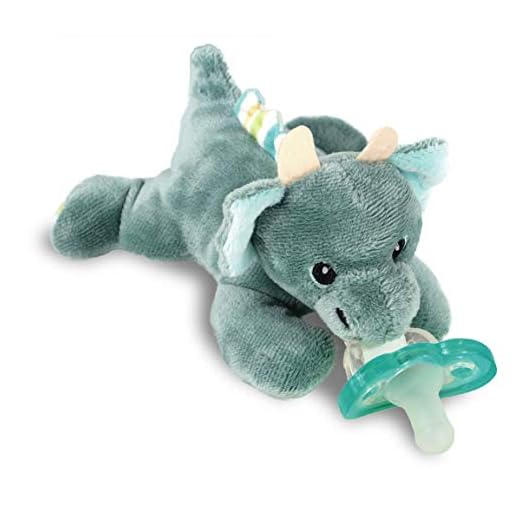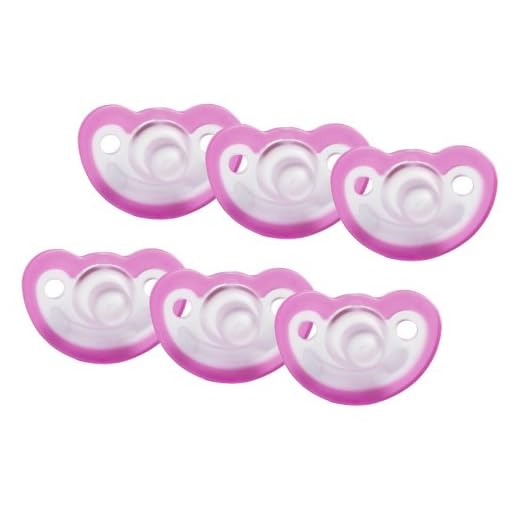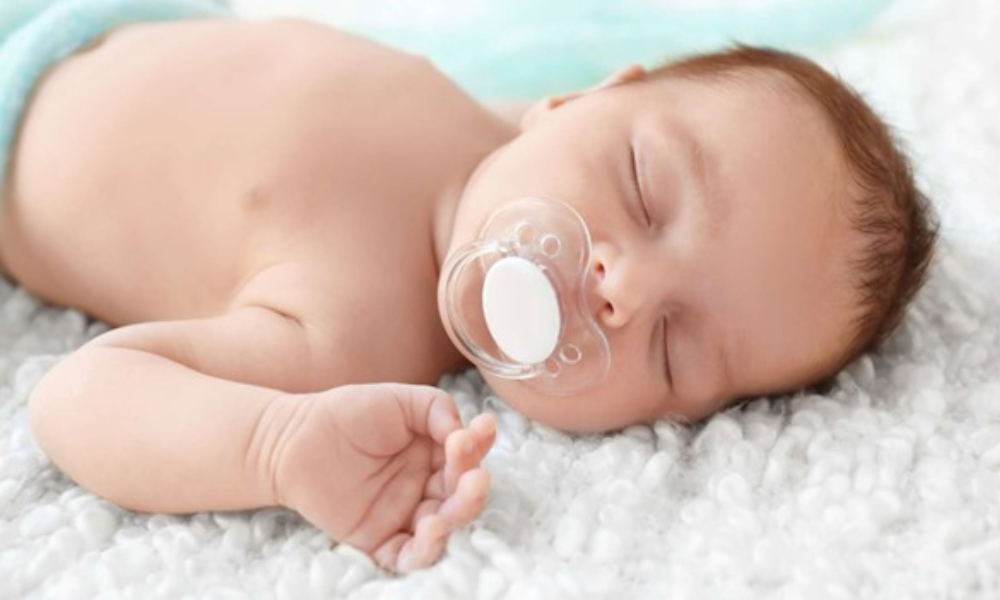
Pacifiers play a crucial role in soothing infants, providing comfort during fussy periods, and potentially reducing the risk of Sudden Infant Death Syndrome (SIDS). Selecting the right pacifier involves considering factors such as age-appropriateness, material safety, and design that promotes healthy oral development.
Recent advancements in pacifier technology have led to innovative designs that prioritize both comfort and developmental benefits. Manufacturers are now focusing on creating pacifiers that mimic the shape and feel of a mother’s nipple, encouraging proper tongue positioning and jaw development.
This article explores the JollyPop pacifier and 4 noteworthy alternatives, highlighting their unique features, pros, cons, and essential buying considerations. By examining these options, parents and caregivers can make informed decisions to ensure their little ones receive the best comfort and care.
Quick Pick Section
Featured Product
| Product Name | Age Range | Color | Special Feature | Price | |
|---|---|---|---|---|---|
| RaZbaby JollyPop Newborn Pacifier | 0-3 Months | Teal | One-Piece Design | Check Price on Amazon |
4 Best Alternatives
| Product Name | Age Range | Color | Special Feature | Price | |
|---|---|---|---|---|---|
| Nanobebe Baby Pacifiers |  | 0-3 Months | Clay | Curved Design | Check Price on Amazon |
| Dr. Brown’s HappyPaci |  | 0-6 Months | Pink | Contoured Shape | Check Price on Amazon |
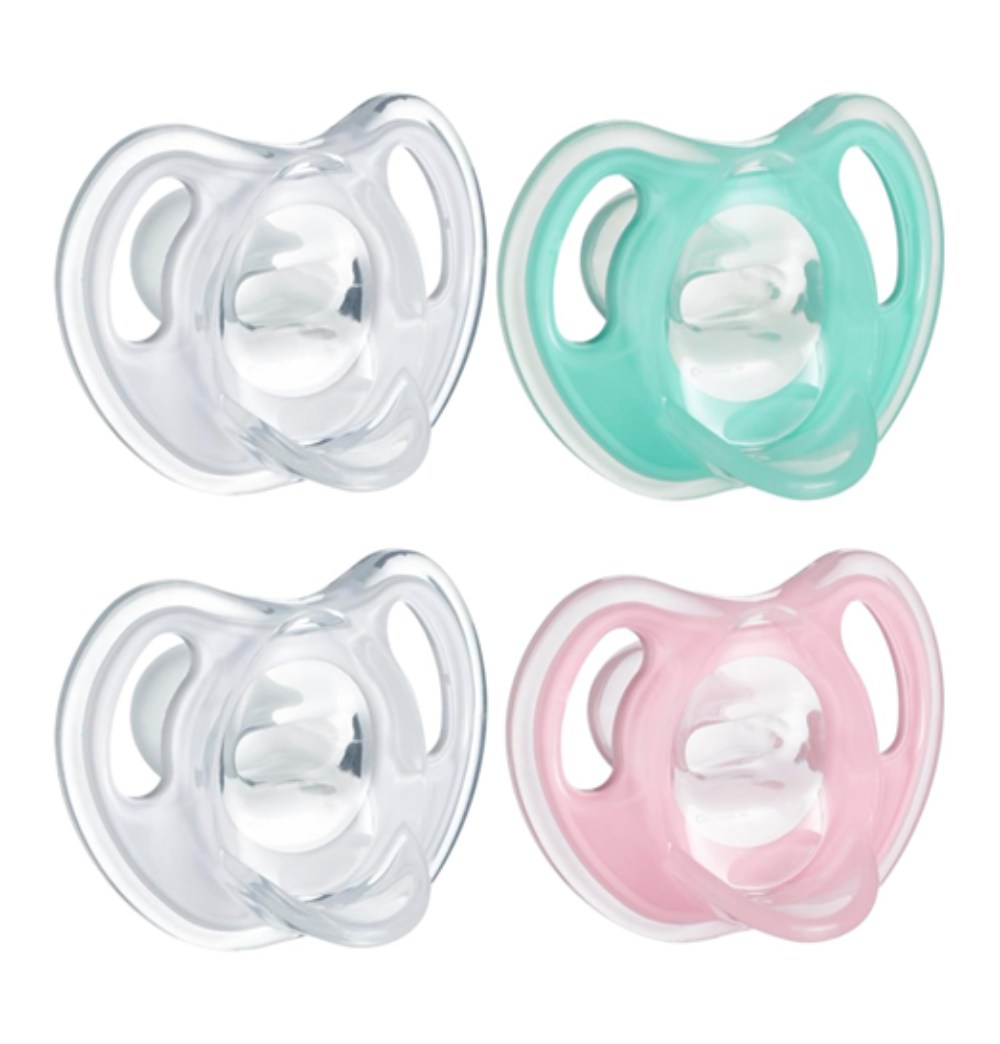
| Tommee Tippee Ultra-Light Silicone Pacifier |  | 0-6 Months | Clear, Green, Pink | Symmetrical Design | Check Price on Amazon |
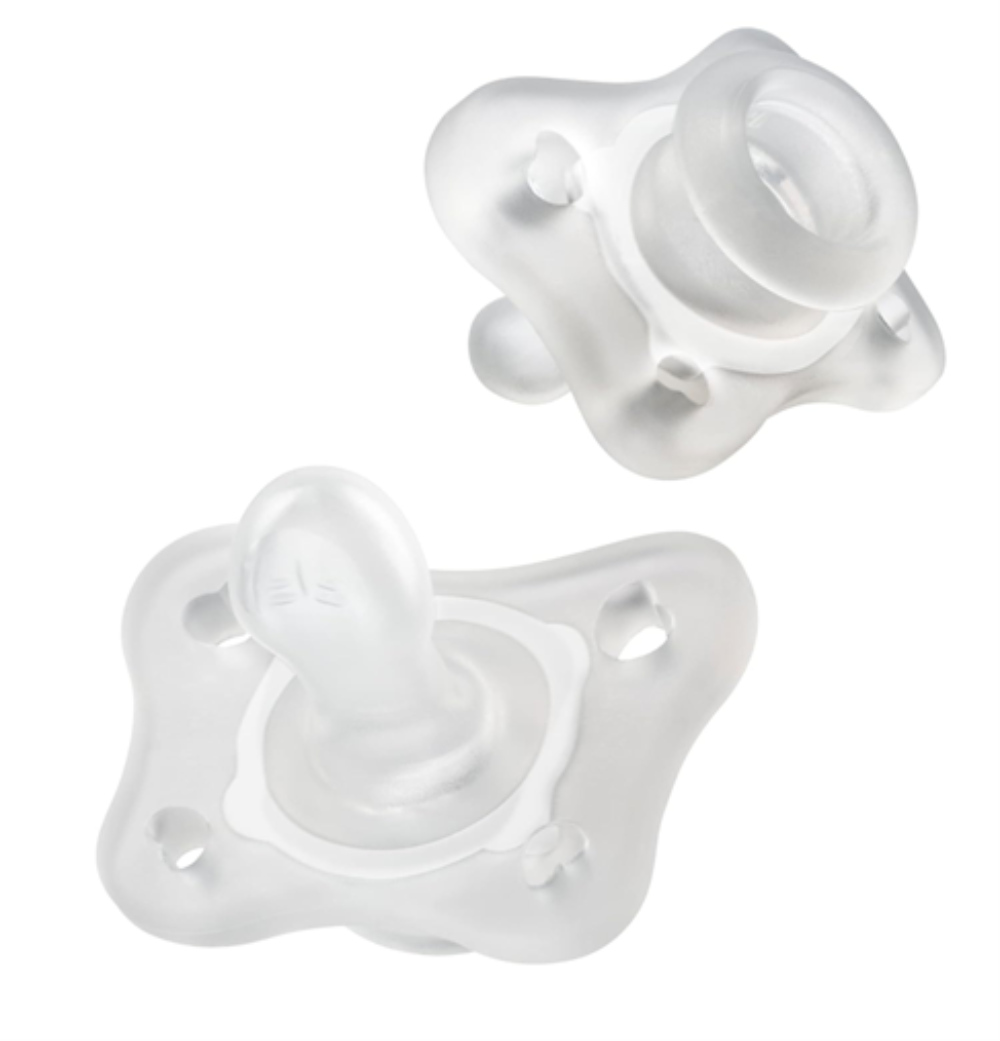
| Chicco PhysioForma Soft Silicone Mini |  | 0-2 Months | Clear | Reusable Case | Check Price on Amazon |
Featured Product
RaZbaby JollyPop Newborn Pacifier
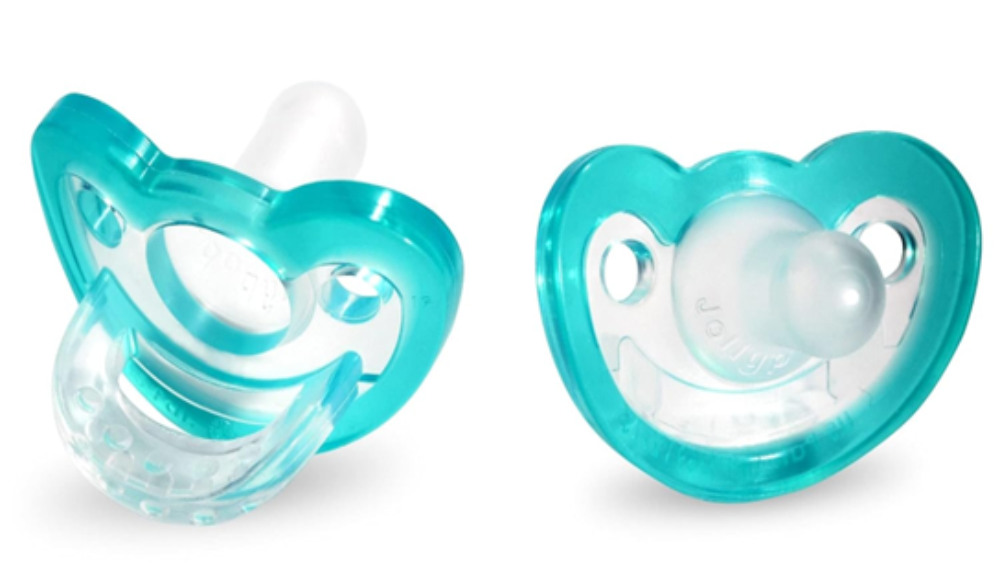
Key Specs
- Color: Teal
- Special Feature: One-Piece Design
The RaZbaby JollyPop Newborn Pacifier stands out with its USA-made, soft silicone construction designed specifically for infants aged 0-3 months. This pacifier prioritizes safety and durability with its BPA-free, one-piece design, eliminating concerns about parts separating during use.
Practicality is at the forefront of JollyPop’s design. The dishwasher-safe and sterilizable properties ensure easy cleaning and maintenance, a crucial factor for busy parents managing newborn care. The teal color adds a touch of style while making it easy to spot when misplaced.
Comfort and oral development are key considerations in JollyPop’s design. The soft silicone nipple mimics the shape and feel of a mother’s breast, promoting a natural sucking motion. This thoughtful approach supports proper oral development during the critical early months of an infant’s life.
4 Best JollyPop Pacifier Alternatives of 2026
1. Nanobebe Baby Pacifiers – Our Top Pick Alternative
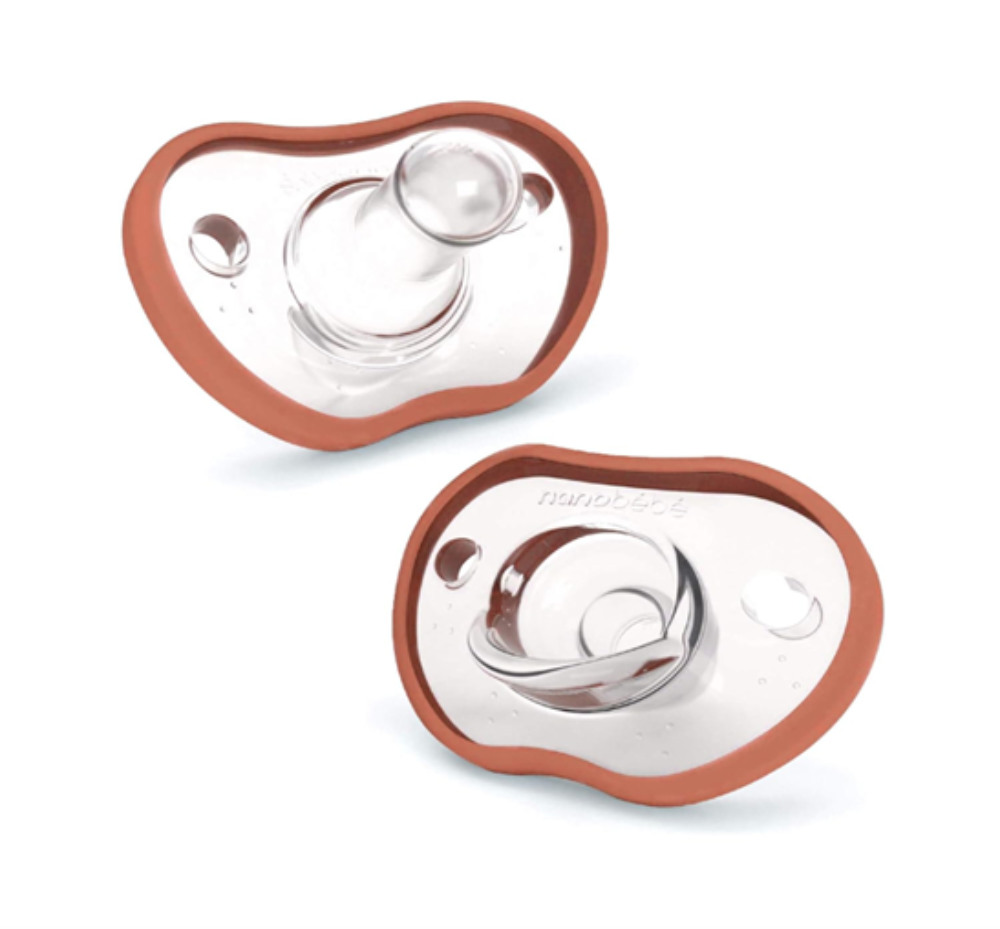

Key Specs
- Color: Clay
- Special Feature: Curved Design
As our BD4U Top Pick Alternative Award winner, the Nanobebe Baby Pacifiers revolutionize infant comfort with their innovative curved design. These pacifiers are engineered to contour comfortably with a baby’s face, providing a secure and natural fit that mimics breastfeeding.
The orthodontic nipple shape promotes proper oral development, a critical consideration for parents concerned about long-term dental health. This feature, combined with the pacifier’s ergonomic design, has earned it recognition as an award-winning choice for breastfeeding babies.
Safety and quality are paramount in the Nanobebe pacifiers. Crafted from 100% silicone, these BPA-free pacifiers offer peace of mind to parents seeking the safest options for their infants. The thoughtful design and high-quality materials make these pacifiers an excellent addition to any baby registry.
2. Dr. Brown’s HappyPaci – Runner Up Alternative
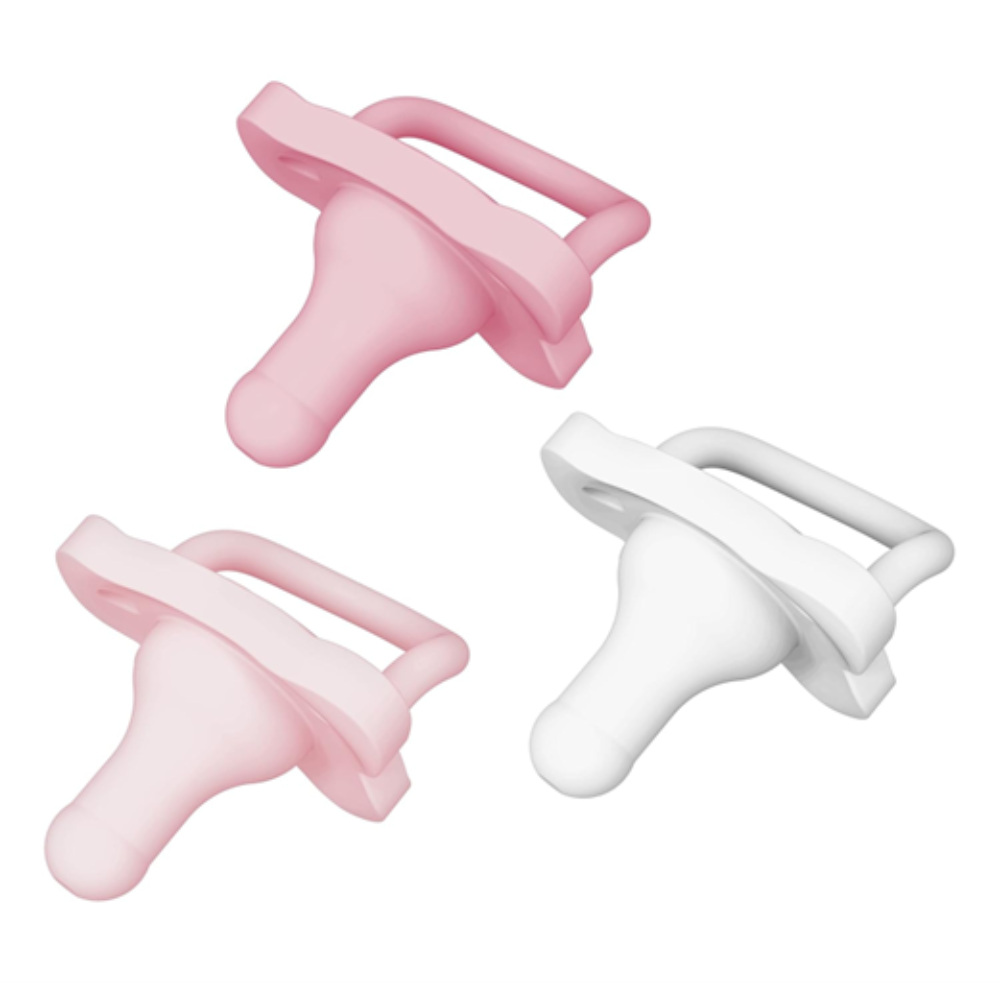
Key Specs
- Color: Pink
- Special Feature: Contoured Shape
Winner of our BD4U Runner Up Alternative Award, the Dr. Brown’s HappyPaci introduces a contoured one-piece design that prioritizes both comfort and safety for infants aged 0-6 months. The 100% silicone construction ensures a soft, gentle feel against a baby’s sensitive skin.
Safety is a top priority with the HappyPaci’s BPA-free composition, providing parents with peace of mind regarding their child’s health. The one-piece design eliminates concerns about small parts, making it a reliable choice for parents prioritizing safety above all else.
Versatility shines through in the HappyPaci’s color options, including white, pink, and light pink. This variety allows parents to choose pacifiers that match their preferences or baby gear. The pack of three ensures that parents always have a clean pacifier on hand, addressing the practical needs of daily infant care.
3. Tommee Tippee Ultra-Light Silicone Pacifier – Great Design Alternative
Key Specs
- Color: Clear, Green, Pink
- Special Feature: Symmetrical Design
Our BD4U Great Design Alternative Award winner, the Tommee Tippee Ultra-Light Silicone Pacifier, impresses with its symmetrical one-piece design. This thoughtful approach ensures the pacifier sits comfortably in the baby’s mouth regardless of orientation, simplifying use for both infants and caregivers.
The ultra-light construction sets these pacifiers apart, reducing the strain on a baby’s developing facial muscles. This feature is particularly beneficial for younger infants who may struggle with heavier pacifiers, promoting longer periods of comfortable use.
Safety and hygiene are prioritized with the BPA-free silicone material, which is both durable and easy to clean. The pack of four provides excellent value, ensuring parents always have a clean pacifier available. With a design suitable for infants from 0-6 months, these pacifiers offer extended use throughout the early stages of development.
4. Chicco PhysioForma Soft Silicone Mini – Best Value Alternative
Key Specs
- Color: Clear
- Special Feature: Reusable Case
Our BD4U Best Value Alternative Award goes to the Chicco PhysioForma Soft Silicone Mini pacifiers, designed specifically for newborns aged 0-2 months. These pacifiers stand out with their 100% soft silicone construction, prioritizing comfort for the most delicate users.
The one-piece design of the PhysioForma Mini enhances safety by eliminating the risk of parts separating during use. This feature, combined with the BPA and latex-free materials, provides comprehensive protection for newborns’ sensitive systems.
Practicality is a key focus, evidenced by the inclusion of a reusable sterilizing case. This innovative feature allows for easy cleaning and storage, addressing the hygiene concerns that are paramount in newborn care. The clear design of the pacifiers ensures they complement any nursery decor while remaining easy to locate.
Our Selection Process
Our evaluation of the JollyPop pacifier and its alternatives involved a comprehensive analysis of safety certifications, material composition, and design features that support infant oral development. We prioritized pacifiers that meet or exceed safety standards set by regulatory bodies such as the Consumer Product Safety Commission (CPSC) and the American Academy of Pediatrics (AAP). Special attention was given to factors like BPA-free materials, one-piece construction for choking prevention, and orthodontic nipple shapes that promote proper palate and jaw development.
The selection criteria also encompassed practical considerations crucial for everyday use, including ease of cleaning, durability, and age-appropriate sizing. We examined each brand’s reputation for quality control and product consistency, considering factors such as manufacturing processes and quality assurance measures. Additionally, we assessed the pacifiers’ potential impact on breastfeeding success and their suitability for different feeding methods. This multifaceted approach ensures our recommendations balance safety, developmental support, and practical usability for both infants and caregivers.
Buying Guide Tips
1. Age-Appropriate Selection
Choose pacifiers specifically designed for your baby’s age group. Newborns and younger infants require smaller, softer nipples, while older babies can handle slightly firmer, larger designs. Always check the manufacturer’s age recommendations and switch to the next size as your baby grows. Using an age-appropriate pacifier ensures proper fit, comfort, and supports healthy oral development.
2. Material Safety & Durability
Opt for pacifiers made from safe, durable materials such as BPA-free silicone or natural rubber latex (if there’s no latex allergy). These materials are resistant to wear and tear, easy to clean, and don’t harbor bacteria. Avoid pacifiers with small parts that could pose a choking hazard. Look for one-piece designs or those with firmly attached components to ensure long-lasting safety and reliability.
3. Nipple Shape & Orthodontic Considerations
Consider pacifiers with orthodontic nipples that support proper oral development. These nipples are typically flatter on the bottom and rounded on top, encouraging natural tongue positioning and jaw development. Some designs mimic the shape of a mother’s nipple, which can be particularly beneficial for breastfed babies. Consult with your pediatrician if you have concerns about how pacifier use might affect your baby’s oral development.
4. Ease of Cleaning & Sterilization
Select pacifiers that are easy to clean and sterilize. Dishwasher-safe options or those that come with sterilizing cases can simplify the cleaning process. Ensure the pacifier can withstand repeated boiling or steam sterilization without degrading. Regular cleaning and sterilization are crucial for preventing the growth of harmful bacteria, especially for younger infants with developing immune systems.
FAQs
1. How often should I replace my baby’s pacifier?
Replace pacifiers every 4-6 weeks or sooner if you notice any signs of wear and tear, such as discolouration, cracks, or tears. Inspect pacifiers regularly for damage, especially after your baby starts teething. Some manufacturers recommend more frequent replacements, so always check the product guidelines. Regular replacement ensures the pacifier remains safe and hygienic for your baby’s use.
2. Can pacifier use interfere with breastfeeding?
While some studies suggest that early pacifier introduction might interfere with establishing breastfeeding, others have found no significant impact. The American Academy of Pediatrics recommends waiting until breastfeeding is well-established (usually around 3-4 weeks) before introducing a pacifier. If you’re concerned, consult with a lactation consultant or your pediatrician for personalized advice.
3. How can I wean my baby off a pacifier?
Weaning strategies depend on your child’s age and attachment to the pacifier. For younger babies, try gradual reduction by offering alternative soothing methods. For older toddlers, consider the “cold turkey” approach or implement a reward system. Limit pacifier use to specific times (e.g., bedtime only) before complete elimination. Be consistent and patient, as weaning can take time.
4. Are there any risks associated with prolonged pacifier use?
Prolonged pacifier use beyond age 2-4 years may increase the risk of dental problems, such as misaligned teeth or changes in the roof of the mouth. It might also contribute to increased ear infections in some children. However, the benefits of pacifier use, including reduced SIDS risk, often outweigh these potential issues in infancy. Consult your pediatrician for guidance on appropriate pacifier use duration.
5. How do I choose between different pacifier nipple materials?
Silicone nipples are typically more durable and easier to clean, while latex nipples are softer and more flexible. However, some babies may be allergic to latex. Silicone is a good choice for most babies, especially if you’re unsure about latex allergies. Consider your baby’s preferences and any known allergies when choosing. Some babies may prefer one material over another, so you might need to try both to find the best fit.
Final Thoughts
The pacifier market in 2026 reflects a growing emphasis on developmental considerations and material safety. Brands like RaZbaby with their JollyPop Newborn Pacifier and innovative alternatives such as the Nanobebe Baby Pacifiers demonstrate the industry’s commitment to creating products that not only soothe infants but also support their oral development.
Advancements in design, such as the curved contours of the Nanobebe pacifiers and the ultra-light construction of the Tommee Tippee models, showcase how manufacturers are addressing specific parental concerns. These innovations aim to provide comfort for infants while minimizing potential impacts on breastfeeding and dental development.
As the understanding of infant needs continues to evolve, we can anticipate further refinements in pacifier design. Future trends may include smart pacifiers with temperature-monitoring capabilities or materials with enhanced antimicrobial properties. The focus will likely remain on creating products that offer optimal comfort and safety while supporting the overall health and development of infants during their crucial early months.
Shop Related Products