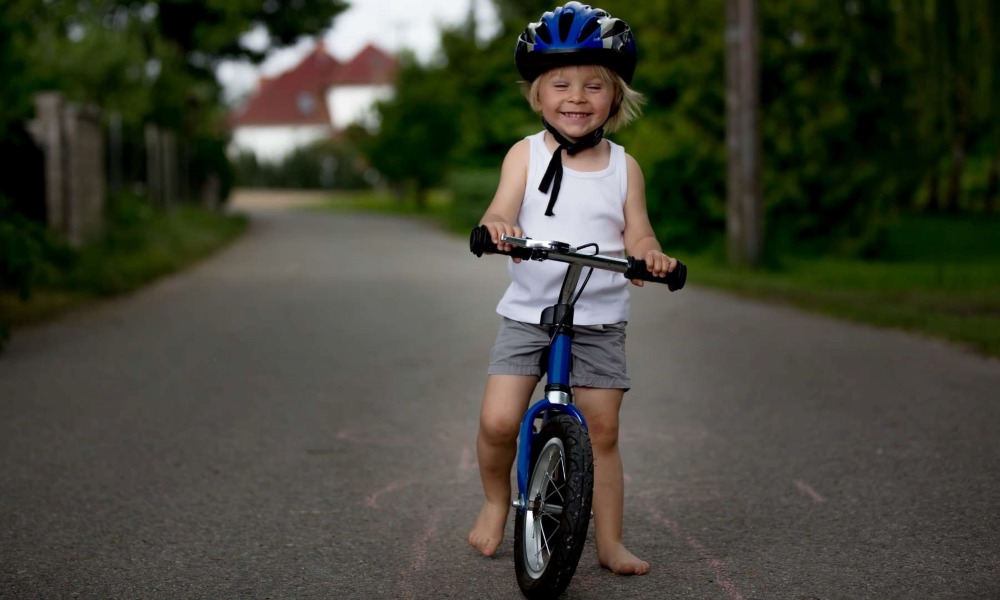
Balance bikes have revolutionized the way children learn to ride, offering a smooth transition from toddling to pedaling. These pedal-less wonders help kids develop crucial balance and coordination skills, building confidence as they glide and stride. By eliminating training wheels and pedals, balance bikes allow children to focus on the fundamental aspects of cycling: steering, balancing, and propelling themselves forward.
The beauty of balance bikes lies in their simplicity and effectiveness. Children naturally learn to balance as they push themselves along, intuitively discovering how to keep the bike upright. This method often leads to a quicker and smoother transition to pedal bikes, as kids have already mastered the most challenging aspect of cycling. Balance bikes come in various sizes and designs, catering to different age groups and skill levels.
For 2026, we’ve examined a range of balance bikes to bring you the best options available. Our featured product, the KaZAM v2s No-Pedal Balance Bike, stands out with its innovative design. We’ve also selected 4 alternative balance bikes that offer unique features and cater to different needs. Each bike in our review has been chosen for its quality, design, and ability to foster a love for cycling in young riders.
Quick Pick Section
Featured Product
| Product Name | Color | Special Feature | Price |
|---|---|---|---|
| KaZAM No Pedal Balance Bike | Metallic Red | Patented Footrest | Check Price on Amazon |
4 Best Alternatives
| Product Name | Color | Special Feature | Price | |
|---|---|---|---|---|
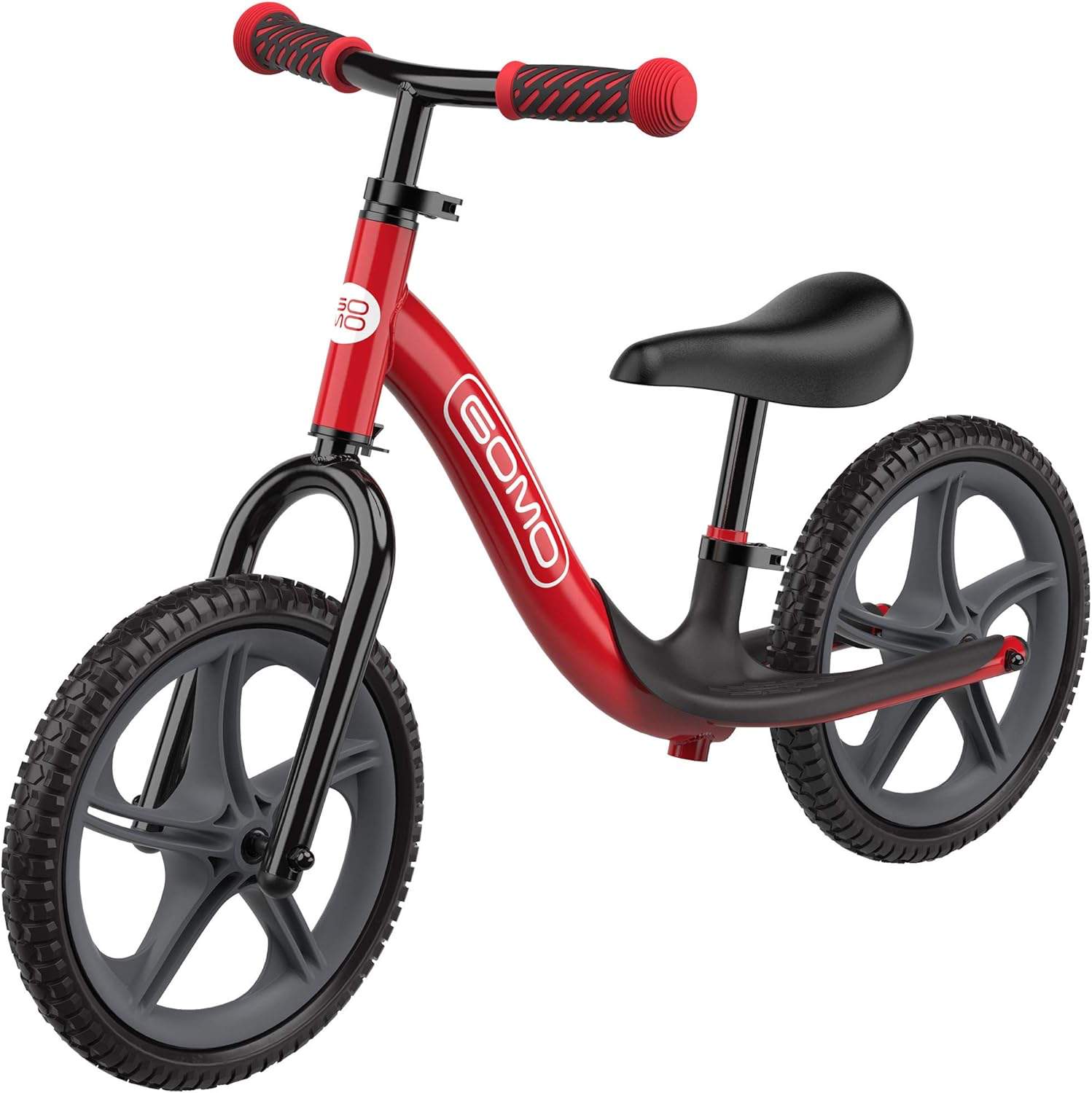
| GOMO Balance Bike |  | Red | Flat-Free Tires | Check Price on Amazon |
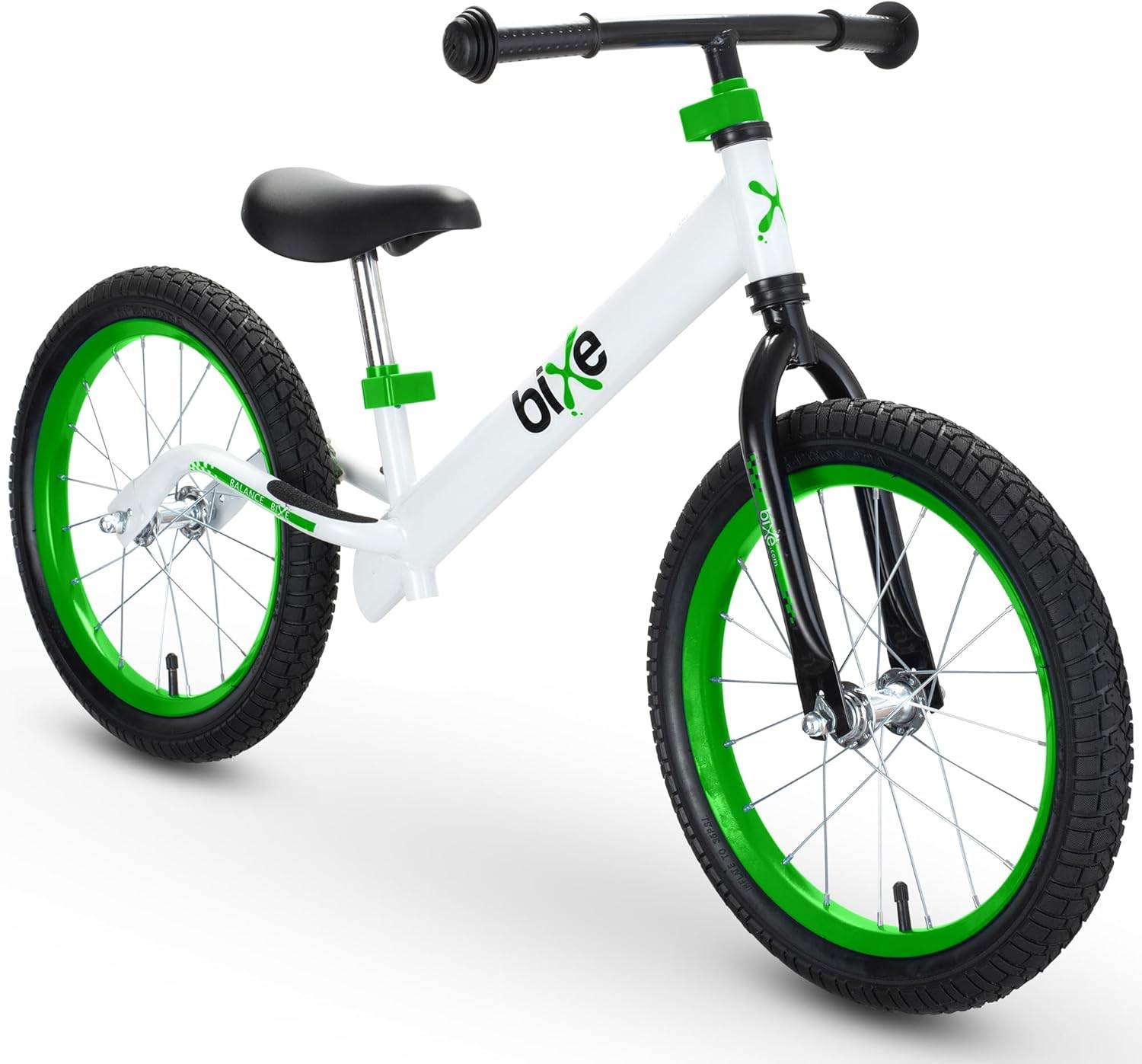
| Bixe Balance Bike |  | Green | 16-inch Wheels | Check Price on Amazon |
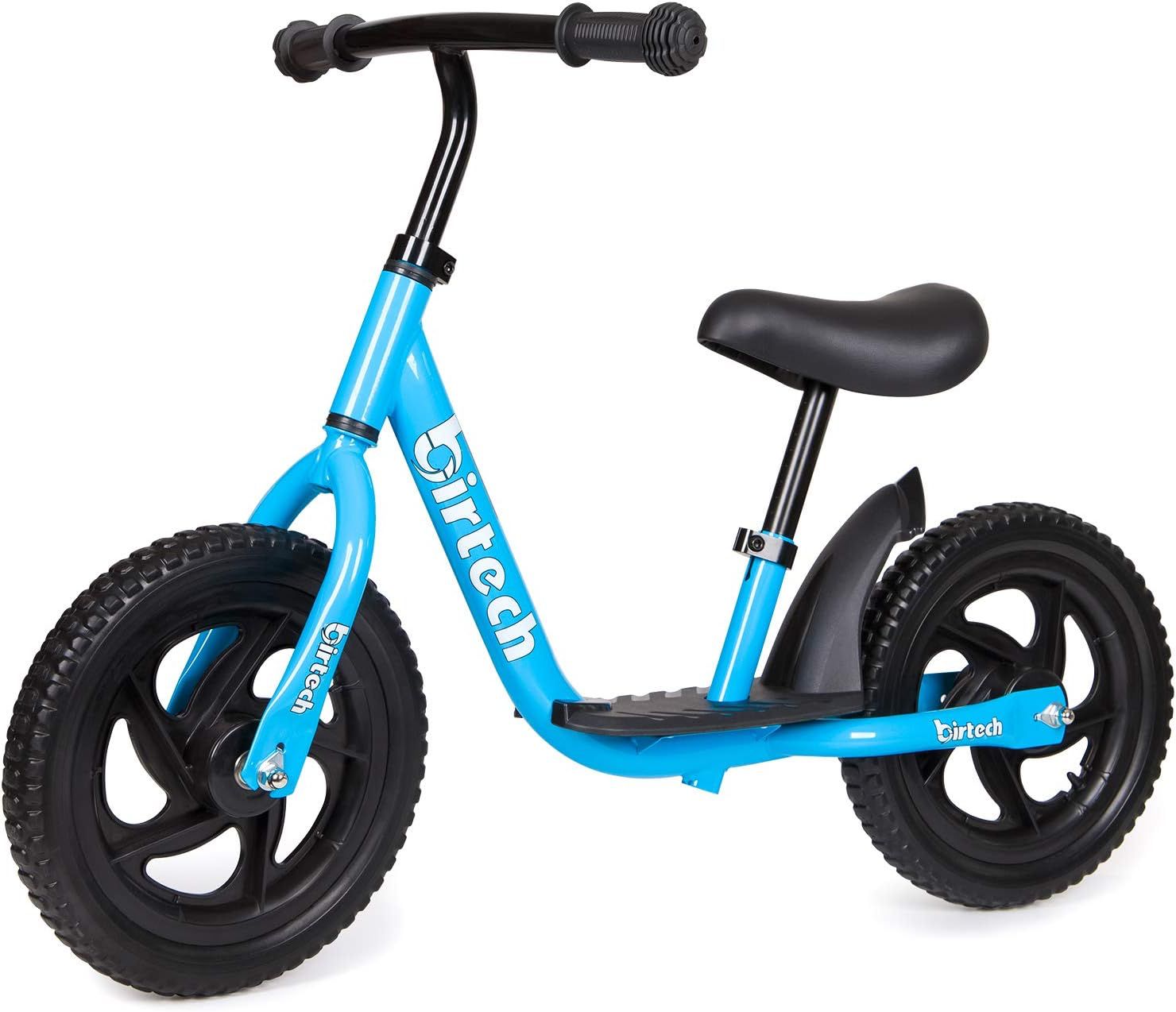
| Birtech Balance Bike |  | Blue | Airless Tires | Check Price on Amazon |
| Liberry Balance Bike |  | Black | Custom Plate | Check Price on Amazon |
Featured Product Review
KaZAM No Pedal Balance Bike
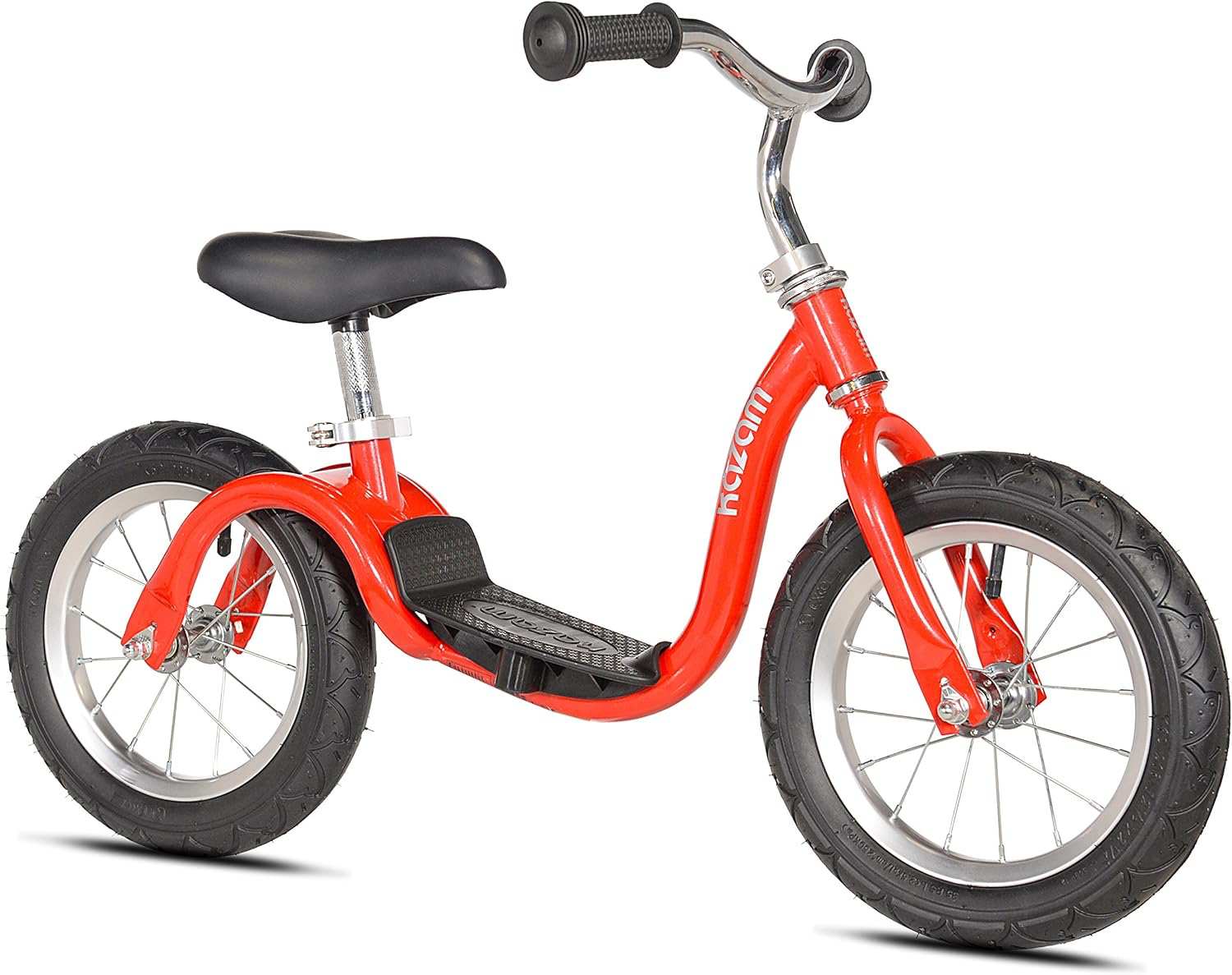
Key Specs
- Color: Metallic Red
- Special Feature: Patented Footrest
The KaZAM No Pedal Balance Bike revolutionizes the learning experience with its patented footrest design. This unique feature allows children to find their center of gravity naturally, mimicking the foot position they would adopt when coasting on a pedal bike. The metallic red finish adds a touch of style that appeals to young riders, making them eager to hop on and practice.
Adaptability is key in this balance bike’s design. With an adjustable seat and handlebars, the KaZAM grows with your child, accommodating riders up to 5 years old. This extended usability ensures that the bike remains a valuable learning tool throughout the crucial early years of balance development. The air-filled tires provide excellent traction and stability, allowing for smooth rides on various surfaces.
Durability meets functionality in the KaZAM’s construction. The sturdy frame withstands the inevitable tumbles of early riders, while the ergonomic design promotes proper posture and balance. Parents appreciate the ease of assembly and the bike’s lightweight nature, making it convenient to transport to parks or on family outings. With its combination of innovative features and solid construction, the KaZAM No Pedal Balance Bike sets a high standard in the world of balance bikes.
4 Best Alternatives of 2026
1. GOMO Balance Bike – Our Top Pick Alternative
Key Specs
- Color: Red
- Special Feature: Flat-Free Tires
Our BD4U Top Pick Award goes to the GOMO Balance Bike for its exceptional blend of features tailored for young riders. The vibrant red color catches the eye and sparks excitement in toddlers eager to start their cycling journey. Designed for children aged 18 months to 5 years, this bike offers an extended period of use, adapting to your child’s growth and developing skills.
The standout feature of the GOMO is its flat-free tires, eliminating the need for maintenance and ensuring consistent performance on various terrains. This practical choice means more time riding and less time worrying about punctures or air pressure. The bike’s footrest is strategically placed, allowing children to naturally find their balance point and glide with ease.
Easy assembly is a boon for parents, reducing setup time and getting kids on their new bikes faster. The soft grips provide comfort for little hands, preventing fatigue during longer rides. With its durable construction and thoughtful design elements, the GOMO Balance Bike proves to be a reliable choice for parents looking to introduce their toddlers to the joys of cycling in a safe and engaging manner.
2. Bixe Balance Bike – Runner Up Alternative
Key Specs
- Color: Green
- Special Feature: 16-inch Wheels
The Bixe Balance Bike, our BD4U Runner Up Award winner, caters to older children with its larger 16-inch wheels. This green-colored bike is designed for kids aged 4 to 9 years, filling a crucial gap in the market for balance bikes suited to bigger kids who are not yet ready for pedals. The larger wheel size provides better stability and speed, making it an excellent choice for more confident riders.
Durability is at the forefront of the Bixe’s design. The sturdy frame can support riders up to 70 pounds, ensuring longevity and value for money as children grow. The bike’s lightweight construction, despite its larger size, allows for easy maneuvering and transport. This balance between sturdiness and manageability makes it an ideal option for children transitioning to full-sized bikes.
The Bixe’s sleek design appeals to older kids who might feel too grown-up for traditional toddler balance bikes. Its sporty look and performance-oriented features encourage longer rides and more advanced skills development. The adjustable seat and handlebars accommodate growth spurts, while the padded seat ensures comfort during extended use.
3. Birtech Balance Bike – Great Design Alternative
Key Specs
- Color: Blue
- Special Feature: Airless Tires
As our BD4U Great Design Award winner, the Birtech Balance Bike stands out with its sleek blue frame and thoughtful features. Designed for children aged 2 to 6 years, this 12-inch bike offers a perfect introduction to cycling for toddlers and young children. The bike’s aesthetically pleasing design is matched by its functional elements, creating an appealing package for both parents and kids.
The Birtech’s airless tires are a standout feature, providing the benefits of pneumatic tires without the maintenance concerns. These tires offer excellent traction and a smooth ride while eliminating the risk of flats. The adjustable seat height allows the bike to grow with your child, ensuring a comfortable and proper fit throughout their balanced bike journey.
Safety is paramount in Birtech’s design. The bike features a limited steering radius to prevent oversteering, giving parents peace of mind as their children learn to navigate. The lightweight frame makes it easy for kids to handle the bike independently, fostering a sense of confidence and control. With its combination of smart design elements and child-friendly features, the Birtech Balance Bike offers an excellent option for parents seeking a well-rounded balance bike experience.
4. Liberry Balance Bike – Best Value Alternative
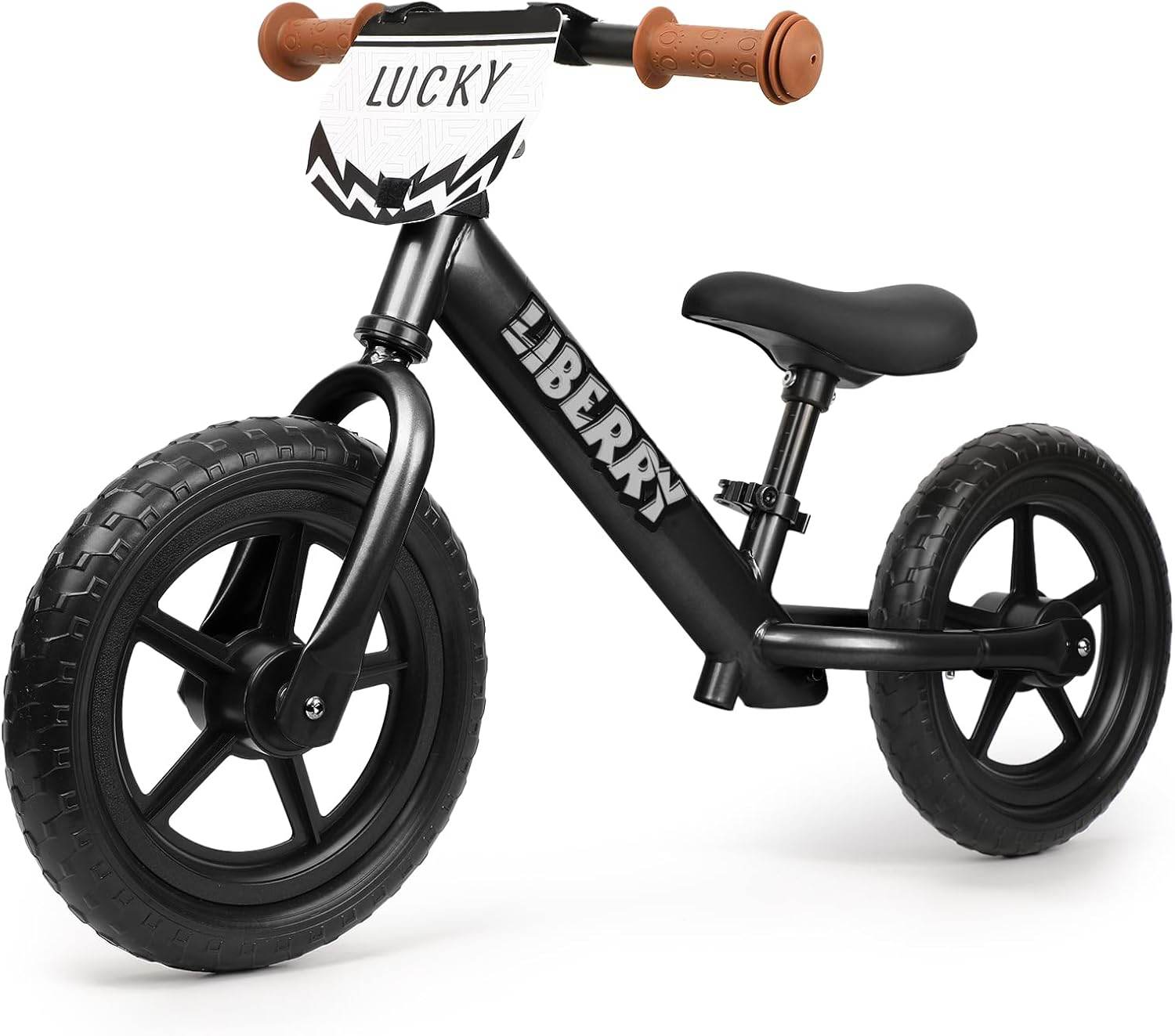
Key Specs
- Color: Black
- Special Feature: Custom Plate
Our BD4U Best Value Award goes to the Liberry Balance Bike, offering an impressive array of features at an affordable price point. This black-colored bike is designed for children aged 2 to 5 years, providing an extended period of use as toddlers grow into more confident riders. The sleek design appeals to both boys and girls, making it a versatile choice for families.
One of the Liberry’s unique features is its custom plate, allowing children to personalize their bikes. This small touch adds a sense of ownership and pride, encouraging kids to engage more with their balance bikes. The adjustable handlebar and seat ensure a perfect fit as children grow, maximizing the bike’s usability over time.
The Liberry’s 12-inch wheels strike a balance between stability for younger riders and maneuverability for more experienced ones. The bike’s construction focuses on safety, with rounded edges to prevent scratches and a limited turning radius to avoid tipping. Easy assembly is another plus, allowing parents to quickly set up the bike and get their children riding.
Our Selection Process
Identifying the top balance bikes for 2026 required a comprehensive analysis of various factors essential for young riders’ development. We examined a broad spectrum of balance bikes, evaluating crucial elements such as frame materials, wheel sizes, adjustability options, and overall construction quality. Our research focused on how each bike meets the specific needs of different age groups, from early toddlers to children nearing their transition to pedal bikes. We assessed each model’s effectiveness in fostering balance, coordination, and self-assurance in young cyclists.
Safety and longevity were central to our evaluation process. We carefully reviewed the materials used, ergonomic designs, and the inclusion of safety features like steering limiters and protective edging. The ability of each bike to adapt to a growing child was a key consideration, with particular emphasis on adjustable components. We also considered factors such as weight limits, tire types, and ease of assembly. This thorough approach allowed us to compile a selection that represents the best in balance bike innovation for 2026, addressing the varied needs of young riders and their parents’ expectations.
Buying Guide Tips
1. Age and Size Appropriateness
Choosing the right size balance bike is crucial for your child’s comfort and safety. Consider your child’s age, height, and inseam length when selecting a bike. The ideal balance bike allows the child to sit on the seat with both feet flat on the ground and knees slightly bent. Look for bikes with adjustable seat heights to accommodate growth. For younger toddlers, start with a 12-inch wheel size, while older or taller children might benefit from 14-inch or 16-inch wheels. Remember that a properly sized bike will boost your child’s confidence and make the learning process more enjoyable.
2. Frame Material and Weight
The frame material affects the bike’s weight, durability, and cost. Common materials include steel, aluminum, and wood. Steel frames are sturdy and affordable but can be heavier. Aluminum frames are lightweight and rust-resistant, making them easier for young children to maneuver, but they may come at a higher price point. Wooden frames offer an eco-friendly option with a unique aesthetic but may not be as durable in outdoor conditions. Consider your child’s strength and where the bike will be primarily used when choosing the frame material. A lighter bike is generally easier for small children to control and carry, which can be important for building confidence.
3. Tire Type and Quality
Balance bike tires come in three main types: air-filled (pneumatic), foam, and solid rubber. Air-filled tires provide the best traction and shock absorption, offering a smoother ride on various surfaces. However, they require maintenance and can get punctures. Foam tires are lightweight and maintenance-free but may not provide as much grip or comfort on rough terrain. Solid rubber tires are extremely durable and puncture-proof but can be heavy and offer less cushioning. Consider where your child will be riding most often and weigh the pros and cons of each tire type. Also, check the tire width – wider tires offer more stability, which can be beneficial for beginners.
4. Safety Features and Ergonomics
Look for balance bikes with safety-oriented features such as padded handlebars, recessed bolts to prevent scratches, and steering limiters to prevent sharp turns. Ensure the bike has hand grips that are secure and appropriately sized for small hands. Some bikes come with footrests, which can be helpful for gliding but aren’t essential. Consider the bike’s overall ergonomics – a lower center of gravity typically offers more stability. Check for any sharp edges or protruding parts that could cause injury. Additionally, while not a feature of the bike itself, always ensure your child wears a properly fitted helmet when riding. Some balance bike models come with bells or reflectors, which can be fun for kids and add an extra layer of safety.
FAQs
1. At what age should a child start using a balance bike?
Children can typically start using balance bikes around 18 months to 2 years old, or as soon as they can walk confidently. However, every child develops differently, so it’s essential to consider individual readiness. Some balance bikes are designed for children as young as 12 months, while others cater to older kids up to 5 years or more. The key is to ensure the child can touch the ground comfortably with both feet while seated on the bike.
2. How long does it typically take for a child to transition from a balance bike to a pedal bike?
The transition time varies for each child, but many kids who start with balance bikes can switch to pedal bikes without training wheels between 3 and 5 years old. This process is often quicker than traditional methods using training wheels. The skills learned on a balance bike – steering, balancing, and coordinating – directly translate to riding a pedal bike. Some children make the transition in as little as a few weeks, while others may take several months.
3. Are balance bikes safe for young children?
Balance bikes are generally considered safe when used properly and with appropriate supervision. They allow children to keep their feet on the ground, providing a sense of control and stability. This design reduces the risk of serious falls compared to bikes with pedals or training wheels. However, as with any wheeled toy, safety gear such as helmets, knee pads, and elbow pads are strongly recommended. Always supervise young children when they’re using balance bikes and ensure they ride in safe areas away from traffic.
4. How do I maintain a balance bike?
Maintenance for balance bikes is typically minimal, especially compared to pedal bikes. Regular checks should include ensuring all bolts and screws are tight, checking tire pressure (for air-filled tires), and cleaning the frame and wheels. For bikes with moving parts like headsets or wheel bearings, occasional lubrication may be necessary. Wipe the bike clean after muddy rides to prevent rust on metal parts. If the bike has air-filled tires, check and adjust the pressure regularly. For wooden balance bikes, consider applying a wood sealant periodically to protect against moisture.
5. Can balance bikes be used indoors?
Many balance bikes can be used indoors, especially on rainy days or during winter months. However, consider the bike’s tire type and your flooring. Rubber or foam tires are generally safe for indoor use, while air-filled tires might mark certain floor types. Choose a spacious area with smooth, flat surfaces for indoor riding. Some parents use balance bikes indoors to help children practice in a controlled environment before venturing outside. If using the bike indoors, establish clear rules about where riding is allowed to ensure safety and prevent damage to furniture or walls.
Final Thoughts
Balance bikes have transformed the landscape of early cycling education, offering a streamlined approach to developing essential riding skills. The models we’ve explored, from the innovative KaZAM No Pedal Balance Bike to the value-packed alternatives, showcase the industry’s commitment to enhancing children’s cycling experiences. These bikes not only teach balance and coordination but also instill a sense of independence and adventure in young riders.
The diversity in design and features across our selected balance bikes reflects the evolving needs of children and parents alike. From adjustable components that grow with the child to specialized tire designs for various terrains, manufacturers are addressing multiple aspects of the learning journey. The GOMO Balance Bike, for instance, demonstrates how thoughtful design can cater to a wide age range while maintaining safety and ease of use.
In short, these bikes serve as more than just precursors to pedal bikes; they are tools for building confidence, spatial awareness, and motor skills. The right balance bike can set the foundation for a lifetime of cycling enjoyment, making the selection process an important step in a child’s developmental journey. With the options available in 2026, parents can find a balanced bike that not only meets their child’s current needs but also adapts to their growing abilities and enthusiasm for cycling.
Shop Related Products