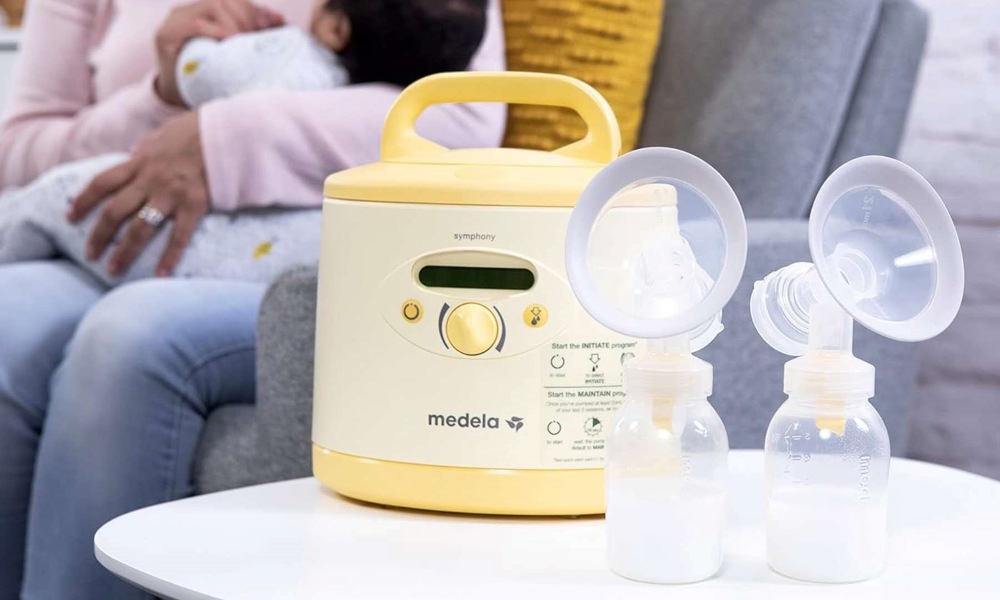
Breastfeeding is a deeply personal journey, uniquely experienced by each mother and child. While nature has designed this process to be intuitive, many mothers find themselves seeking additional support to ensure their little ones receive optimal nutrition. Enter the world of breast pumps – devices that have revolutionized infant feeding by providing flexibility and convenience to nursing mothers.
The importance of a reliable breast pump cannot be overstated. These devices offer a lifeline to mothers facing challenges such as premature births, latch difficulties, or the need to maintain milk supply while away from their babies. They empower women to continue providing breast milk even when direct nursing isn’t possible, ensuring that infants receive the invaluable benefits of mother’s milk.
In recent years, technological advancements have transformed breast pumps from basic suction devices to sophisticated machines that mimic a baby’s natural feeding patterns. This evolution has led to more efficient, comfortable, and user-friendly pumps that cater to a wide range of needs – from occasional use to exclusive pumping. In this article, we’ll explore the Medela Symphony, a hospital-grade pump known for its effectiveness, alongside four alternative options that offer unique features to suit different lifestyles and preferences.
Quick Pick Section
Featured Product
| Product Name | Operation Mode | Special Feature | Price |
|---|---|---|---|
| Medela Symphony Plus Breast Pump | Electric | Hospital Grade | Check Price on Amazon |
4 Best Alternatives of 2026
| Product Name | Operation Mode | Special Feature | Price | |
|---|---|---|---|---|
| NCVI Double Electric Breast Pump 8782 |  | Electric | Portable Anti-Backflow | Check Price on Amazon |
| IKARE Hospital Grade Double Electric Breast Pumps |  | Electric | Touchscreen LED Display | Check Price on Amazon |
| Medela Sonata Smart Breast Pump |  | Electric | Connects to Medela Family App | Check Price on Amazon |
| Joyday Double Electric Breast Pump |  | Electric | LCD Display with Memory Function | Check Price on Amazon |
Featured Product
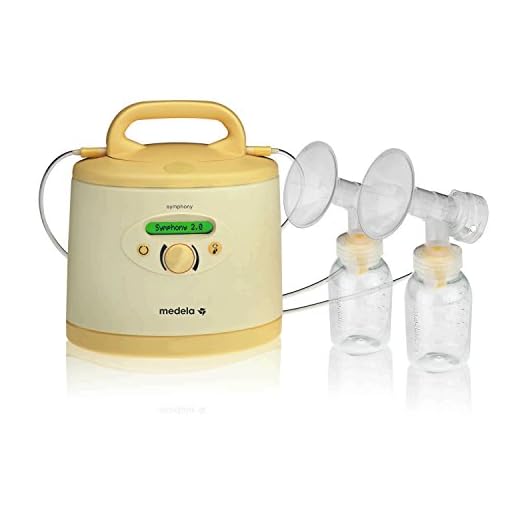
Medela Symphony Plus Breast Pump
Key Specs
- Operation Mode: Electric
- Special Feature: Hospital Grade
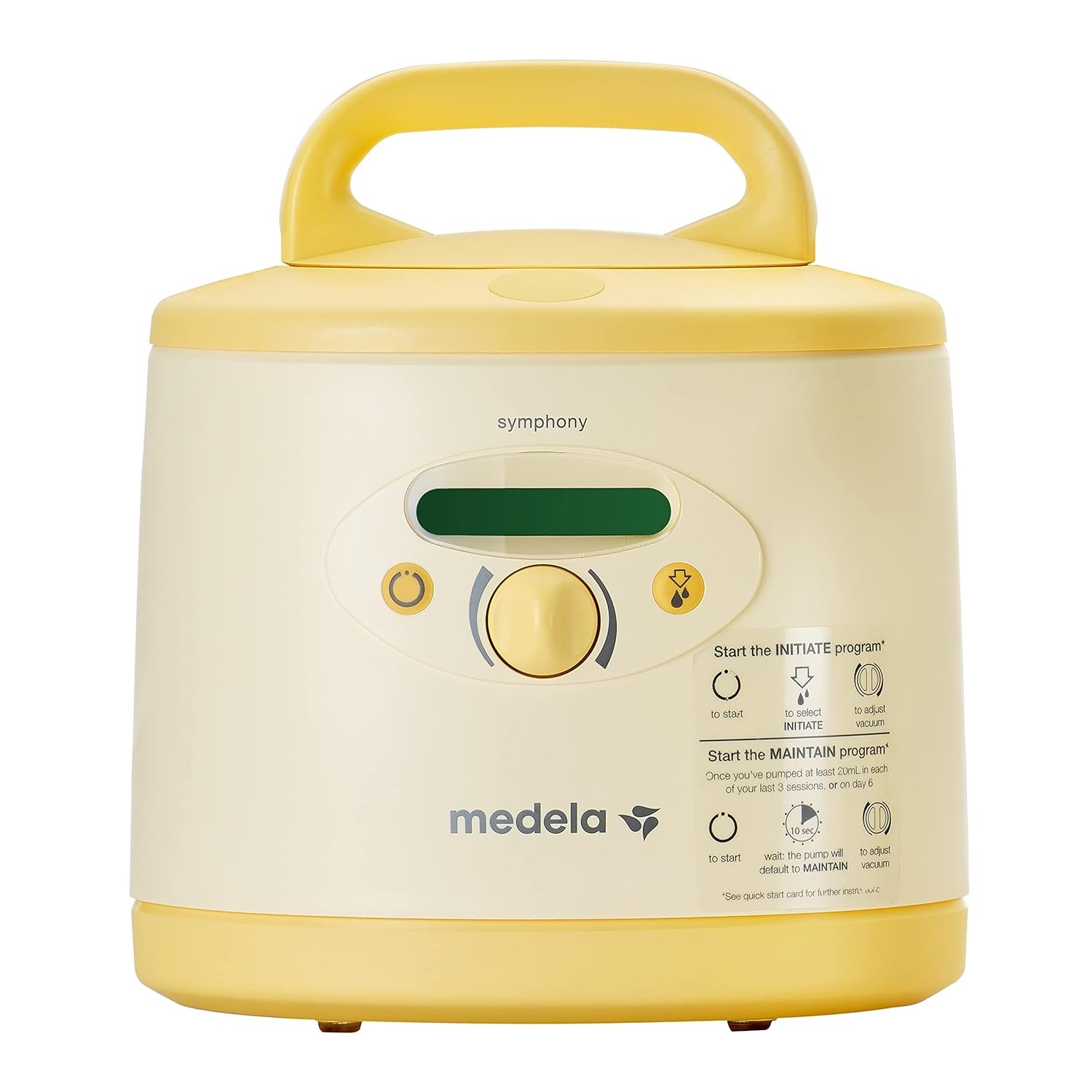
The Medela Symphony Plus Breast Pump stands as a pinnacle of breast pump technology, offering hospital-grade performance for mothers who require reliable and efficient milk expression. This electric pump is designed to support both the initiation and maintenance of milk supply, making it an invaluable tool for mothers facing various breastfeeding challenges.
Versatility is a key feature of the Symphony Plus. Its ability to function as both a single and double electric pump allows mothers to tailor their pumping sessions to their specific needs and time constraints. The pump’s Initiate program mimics the suckling patterns of a newborn, stimulating milk production in the critical early days postpartum. Once milk supply is established, the Maintain program takes over, efficiently expressing milk to support ongoing breastfeeding or exclusive pumping.
The Symphony Plus’s hospital-grade designation speaks to its durability and power. It’s built to withstand frequent, long-term use, making it ideal for mothers who pump multiple times a day or those renting the pump for extended periods. While its size makes it less portable than some alternatives, its effectiveness and reliability make it a top choice for mothers committed to providing breast milk, especially in challenging circumstances.
4 Best Alternatives of 2026
1. NCVI Double Electric Breast Pump 8782 – Our Top Pick Alternative

Key Specs
- Operation Mode: Electric
- Special Feature: Portable Anti-Backflow
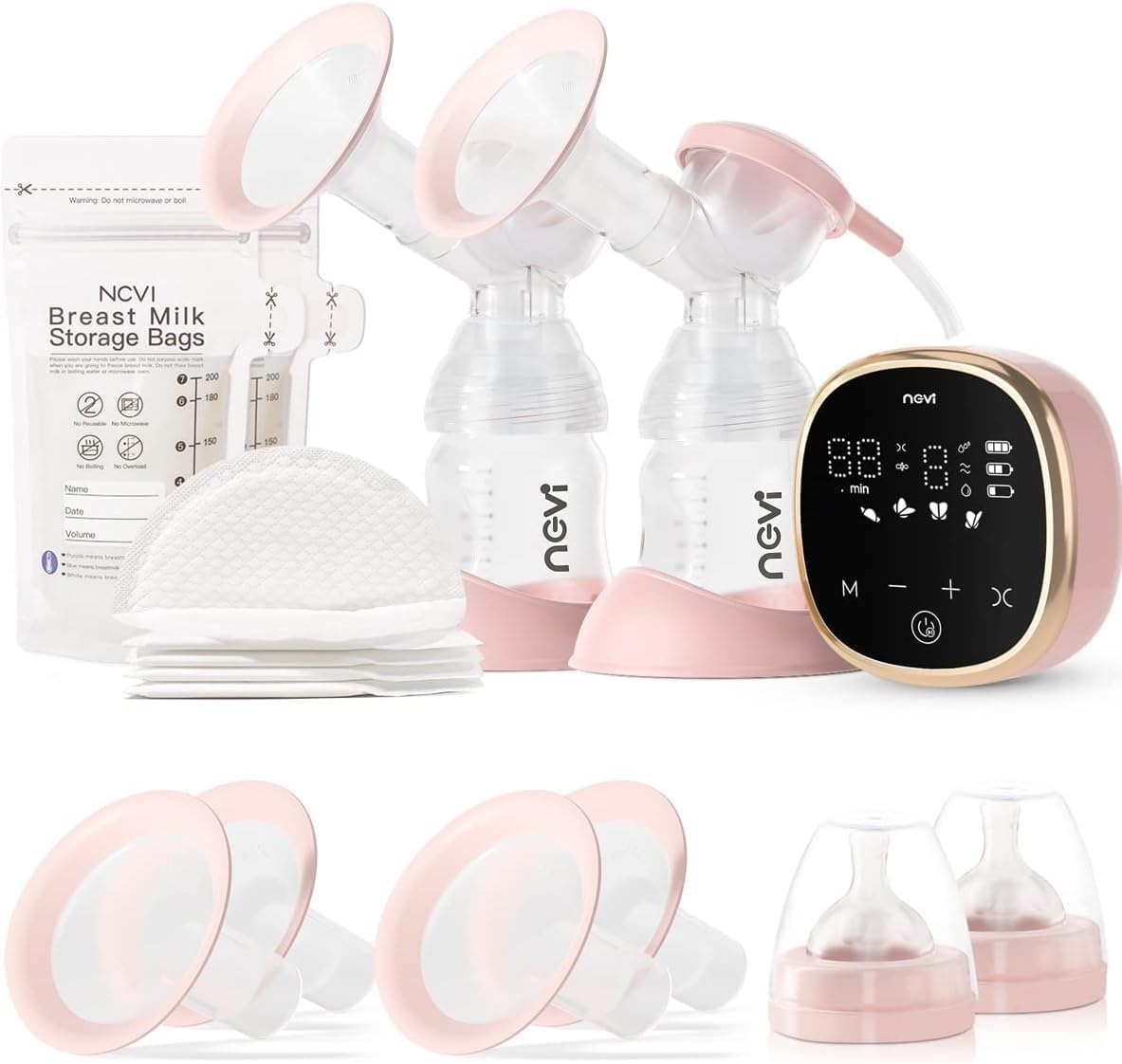
Our BD4U Top Pick Alternative Award goes to the NCVI Double Electric Breast Pump 8782, a device that combines efficiency with user-friendly features. This portable pump boasts an anti-backflow design, ensuring hygiene and preventing milk from entering the tubing or motor. The inclusion of four flange sizes accommodates different breast shapes, promoting comfort during pumping sessions.
Customization is at the heart of the NCVI 8782’s design. With four modes and nine suction levels, mothers can fine-tune their pumping experience to match their comfort and milk flow. The LED display provides clear visibility of settings, even during night-time pumping sessions. The addition of 10 breastmilk storage bags adds value, offering immediate storage solutions for expressed milk.
Quiet operation sets this pump apart, allowing for discreet pumping in various settings. Its promise of pain-free use addresses a common concern among pumping mothers, potentially encouraging more consistent pumping schedules. The NCVI 8782’s balance of features, customization options, and thoughtful extras position it as a strong contender in the electric breast pump market.
2. IKARE Hospital Grade Double Electric Breast Pumps – Runner Up Alternative
Key Specs
- Operation Mode: Electric
- Special Feature: Touchscreen LED Display
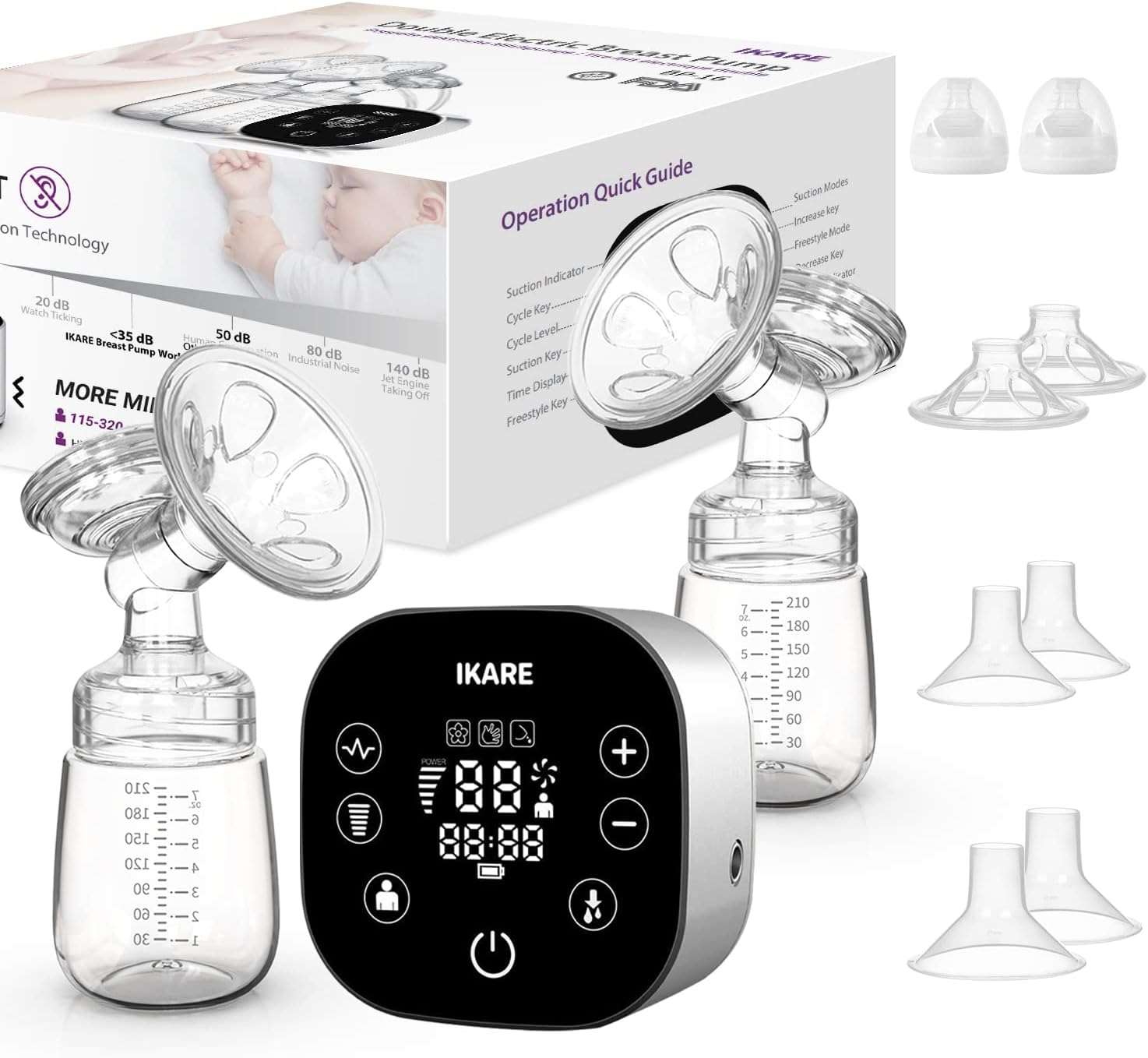
The IKARE Hospital Grade Double Electric Breast Pump is our BD4U Runner Up Alternative Award winner, impressive with its extensive customization options and user-friendly interface. This silver-hued pump offers an impressive 6 modes and 150 levels of suction, allowing for precise tailoring of the pumping experience to individual needs and comfort levels.
Convenience is paramount to IKARE’s design. The touchscreen LED display provides intuitive control over the pump’s numerous settings, making adjustments simple even during late-night pumping sessions. The inclusion of three flange sizes ensures a proper fit for various breast shapes, contributing to both comfort and pumping efficiency.
Portability doesn’t come at the cost of power in this hospital-grade pump. Its compact design and quiet operation make it suitable for both home use and pumping on the go. The IKARE pump’s combination of hospital-grade performance, extensive customization options, and travel-friendly design positions it as a versatile choice for mothers with diverse pumping needs.
3. Medela Sonata Smart Breast Pump – Great Design Alternative
Key Specs
- Operation Mode: Electric
- Special Feature: Connects to Medela Family App
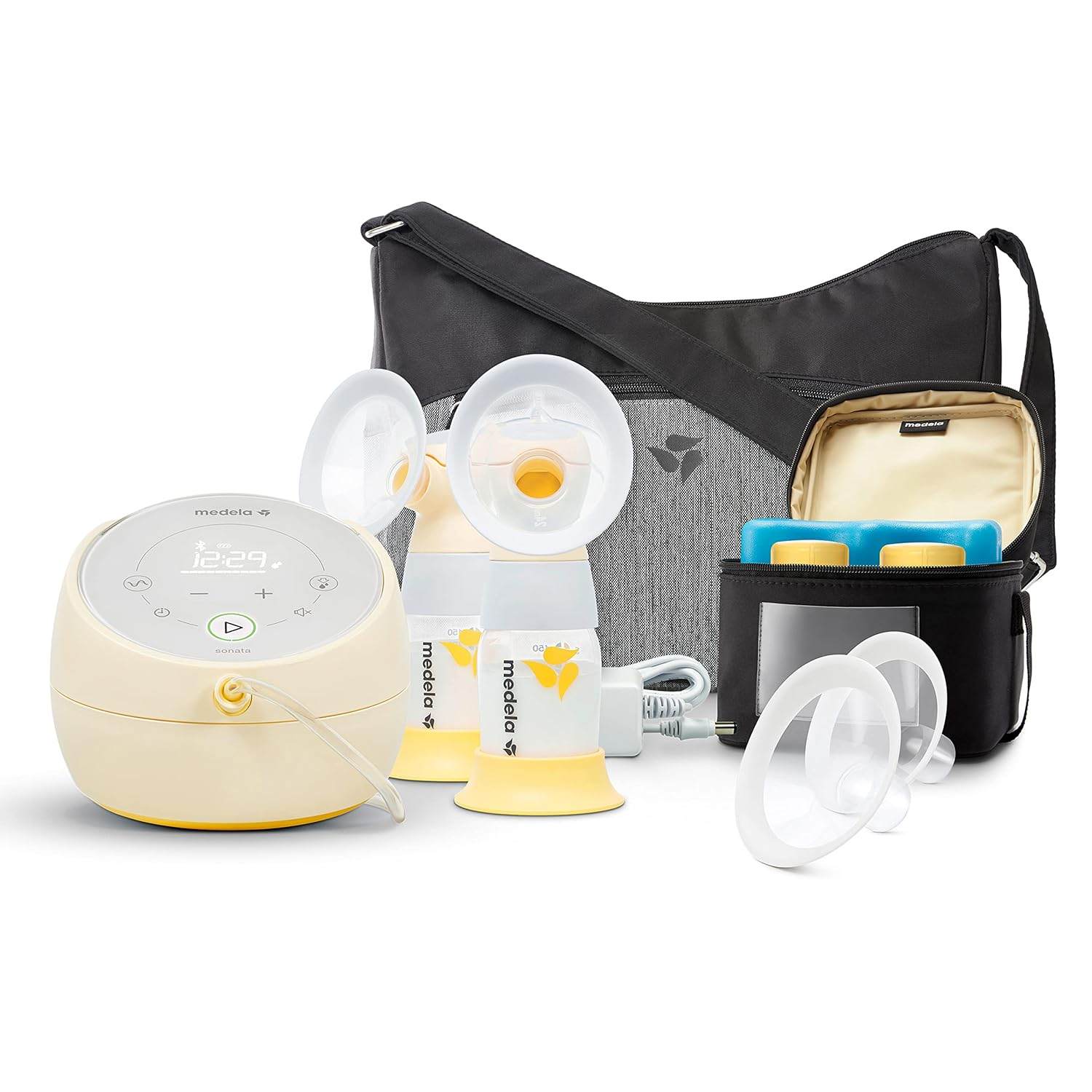
The Medela Sonata Smart Breast Pump is our BD4U Great Design Alternative Award winner for its innovative integration of technology and pumping efficiency. This hospital-performance double electric pump brings smart features to the forefront of breast pumping, offering a connected experience through the Medela Family App.
Comfort and effectiveness blend seamlessly into the Sonata’s design. The pump utilizes Medela’s Flex breast shields, designed to adapt to different breast shapes for improved comfort and milk flow. The touchscreen display provides easy control over pumping sessions, while the rechargeable battery offers the freedom to pump without being tethered to an outlet.
Connectivity sets the Sonata apart in the breast pump market. Its ability to sync with the Medela Family App allows mothers to track pumping sessions and milk volume and even set pumping goals. This smart integration provides valuable insights into pumping patterns and milk production, potentially helping mothers optimize their pumping routines. The Sonata’s combination of hospital-grade performance, user-friendly design, and smart technology makes it an attractive option for tech-savvy mothers seeking a comprehensive pumping solution.
4. Joyday Double Electric Breast Pump – Best Value Alternative
Key Specs
- Operation Mode: Electric
- Special Feature: LCD Display with Memory Function
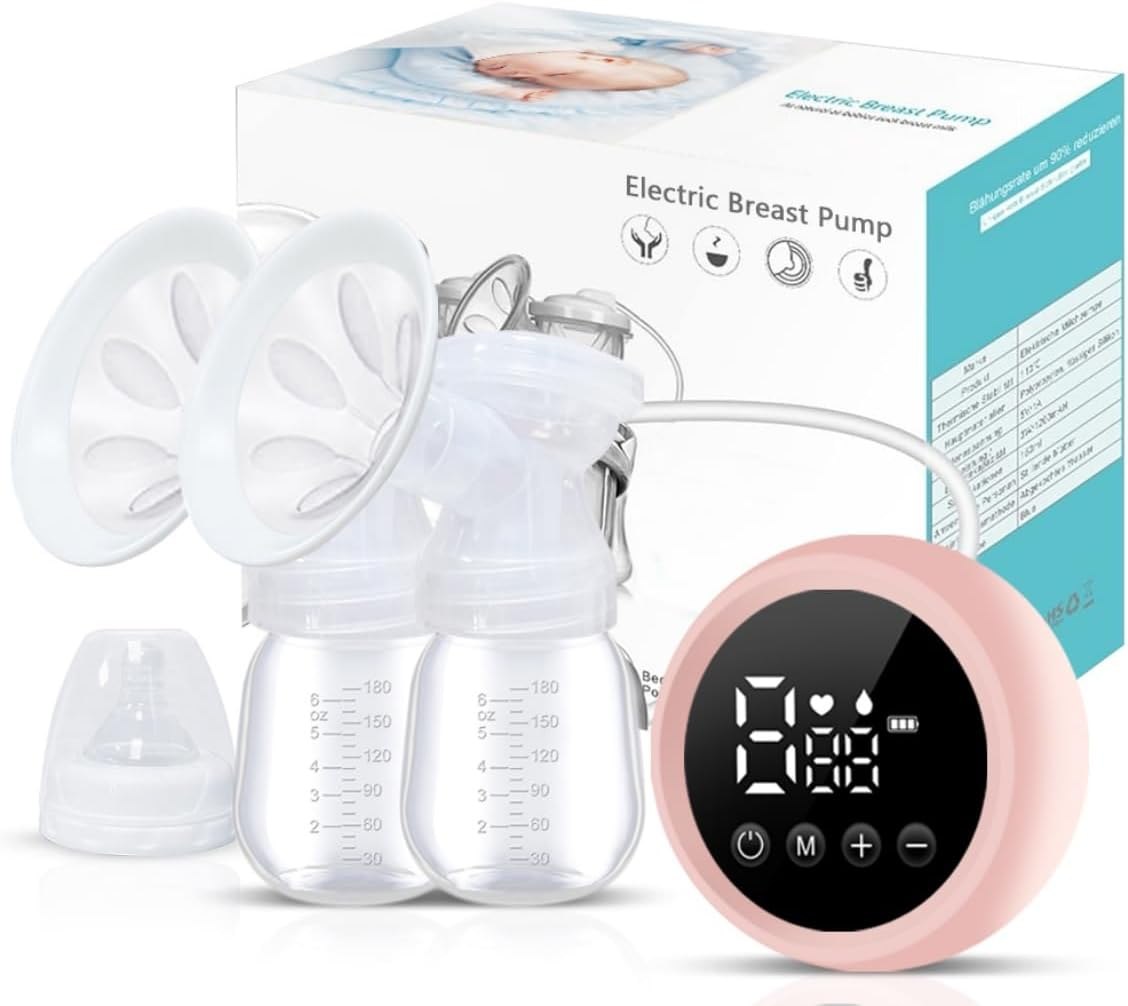
Winner of our BD4U Best Value Alternative Award, the Joyday Double Electric Breast Pump offers a compelling combination of features at an accessible price point. This rechargeable pump provides the flexibility of cordless operation, making it ideal for mothers who need to pump in various locations or while multitasking.
Customization is key in Joyday’s design. With 3 modes and 10 levels of suction adjustment, mothers can fine-tune their pumping experience for optimal comfort and efficiency. The LCD display clearly shows current settings, while the memory function remembers preferred settings, streamlining the pumping process for busy mothers.
Comfort doesn’t take a backseat in this budget-friendly option. The pump promises strong suction power without compromising comfort, addressing a common concern among pumping mothers. Its ultra-quiet operation allows for discreet pumping, even in shared spaces. For mothers seeking a balance of functionality, portability, and affordability, the Joyday Double Electric Breast Pump presents an attractive solution.
Our Selection Process
In evaluating breast pumps for this review, we employed a comprehensive approach that prioritizes efficiency, comfort, and user experience. Our team analyzed the technical specifications of each model, focusing on factors such as suction strength, customization options, and noise levels. We paid particular attention to features that address common challenges faced by pumping mothers, such as ease of cleaning, portability, and battery life.
To ensure a well-rounded assessment, we consulted with lactation specialists and pediatric nutritionists. Their expert insights helped us evaluate each pump’s potential impact on milk production and overall breastfeeding success. We also considered the pumps’ adaptability to different breast shapes and sizes, recognizing the importance of proper fit for efficient milk expression. By combining technical analysis with expert knowledge and practical considerations, we’ve curated a selection that represents the best in breast pump technology, offering options that cater to a variety of needs and lifestyles.
Buying Guide Tips
1. Pump Type and Efficiency
Consider your pumping needs when choosing between single, double, manual, or electric pumps. Double electric pumps are generally more efficient for frequent pumping, while manual pumps might suffice for occasional use. Look for pumps with adjustable suction levels and multiple modes to mimic natural nursing patterns. Hospital-grade pumps offer the highest efficiency but may be more expensive and less portable. Evaluate the pump’s cycles per minute and vacuum strength to ensure it meets your milk expression needs.
2. Comfort and Fit
Comfort is crucial for successful pumping. Look for pumps that offer multiple flange sizes or cushioned inserts to ensure a proper fit for your breast size and shape. Some pumps feature massage modes or let-down stimulation to enhance comfort and milk flow. Consider pumps with adjustable suction levels to find the right balance between efficiency and comfort. Remember that a comfortable pump can lead to more productive pumping sessions and a more positive overall experience.
3. Portability and Power Source
If you plan to pump at work or while traveling, consider the pump’s size, weight, and power options. Rechargeable battery-operated pumps offer flexibility, while AC adapters provide consistent power for home use. Some pumps offer both options. Look for pumps with carrying cases or discreet designs if you’ll be pumping in various locations. Consider the noise level of the pump if you’ll be using it in shared spaces. Portable pumps should be easy to assemble and clean on the go.
4. Additional Features and Accessories
Evaluate extra features that might enhance your pumping experience. Smart pumps with app connectivity can help track pumping sessions and milk production. Some pumps come with milk storage solutions or cooler bags. Consider whether the pump is a closed system (preventing milk from entering the tubing) for easier cleaning and hygiene. Look for pumps that are compatible with standard bottle sizes for convenient milk storage and feeding. Additional accessories like hands-free pumping bras or car adapters can add convenience to your pumping routine.
FAQs
1. How often should I clean my breast pump?
Clean your breast pump parts that come into contact with breast milk after every use. Rinse parts in cool water immediately after pumping, then wash thoroughly with hot, soapy water or in a dishwasher if the parts are dishwasher-safe. Air dry on a clean towel. Sanitize parts daily by boiling, using a steam bag, or a sanitizing solution. The pump motor should be wiped down with a clean, damp cloth as needed. Always refer to your specific pump’s cleaning instructions for detailed guidance.
2. Can I rent a hospital-grade breast pump?
Yes, many hospitals and medical supply stores offer hospital-grade breast pump rentals. This option is particularly beneficial for mothers who need a powerful pump for a limited time, such as when establishing a milk supply or pumping for a premature baby. Renting allows access to high-quality pumps without the full purchase cost. Check with your healthcare provider, local hospital, or lactation consultant for rental options in your area. Ensure you receive a new accessory kit for hygienic use.
3. How long can I store breast milk after pumping?
Freshly expressed breast milk can be stored at room temperature (up to 77°F or 25°C) for up to 4 hours, in the refrigerator (40°F or 4°C) for up to 4 days, and in the freezer (0°F or -18°C) for 6-12 months. Use clean, food-grade containers or storage bags specifically designed for breast milk. Label containers with the date of expression. Thawed breast milk should be used within 24 hours if refrigerated or within 2 hours at room temperature. Never refreeze thawed breast milk.
4. Can I pump while pregnant to build a milk stash?
While it’s possible to pump during pregnancy, it’s generally not recommended unless advised by a healthcare provider. Nipple stimulation from pumping can potentially trigger contractions. Additionally, the colostrum produced during pregnancy is in limited quantities and is best reserved for the newborn. If you have concerns about milk supply, consult with a lactation specialist for personalized advice. Focus on preparing for breastfeeding through education and support rather than pumping during pregnancy.
5. How do I choose the right flange size for my breast pump?
Choosing the correct flange size is crucial for comfortable and efficient pumping. Measure the diameter of your nipple at the base (not including the areola) using a ruler or specialized measuring tool. Add 3-4mm to this measurement to determine your ideal flange size. Your nipple should move freely in the flange tunnel without rubbing the sides. If you experience pain or pinching or see excess areola being pulled into the tunnel, you may need a different size. Many pump manufacturers offer sizing guides or have lactation consultants available to help determine the best fit.
Final Thoughts
Selecting the right breast pump is a crucial decision for nursing mothers, impacting not only milk production but also the overall breastfeeding experience. The Medela Symphony Plus Breast Pump sets a high standard with its hospital-grade performance and versatile programming, making it an excellent choice for mothers facing breastfeeding challenges or those committed to long-term pumping. Its effectiveness in both initiating and maintaining milk supply underscores its value in various breastfeeding scenarios.
Each alternative we’ve explored brings unique strengths to the table. The NCVI Double Electric Breast Pump 8782 impresses with its user-friendly features and quiet operation, while the IKARE Hospital Grade Double Electric Breast Pump offers extensive customization options. For tech-savvy mothers, the Medela Sonata Smart Breast Pump’s connectivity features provide valuable insights into pumping patterns. The Joyday Double Electric Breast Pump stands out as a budget-friendly option that doesn’t compromise on essential features.
When choosing a breast pump, consider factors such as pumping frequency, portability needs, and desired features. Comfort, efficiency, and ease of use should be top priorities, as these factors significantly influence pumping success and consistency. Remember that the best pump for you is one that fits seamlessly into your lifestyle and supports your breastfeeding goals.
Shop Related Products