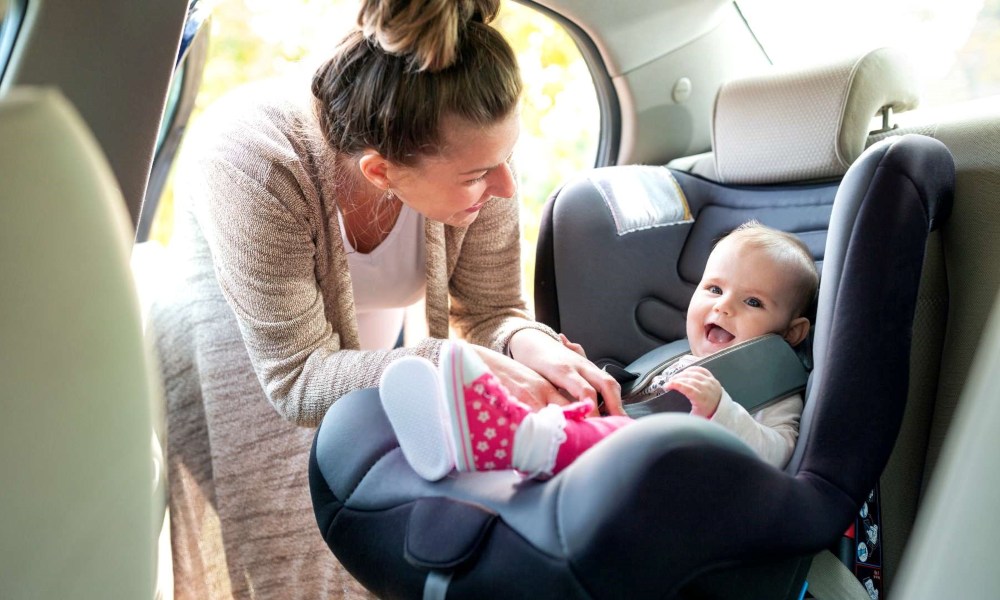
Baby car seats are a modern marvel of child safety which are designed to transport our youngest passengers to their destinations unharmed. Anchoring securely in your vehicle, they provide a comfortable haven for babies and toddlers alike.
Correct installation is paramount to ensure effectiveness because it’s an aspect often overlooked during prenatal hospital visits. The harness itself must fit snugly across the child’s chest and hips to avoid the perilous mistake of a loose buckle that can escalate risks in a crash scenario.
Furthermore, by incorporating Rear Facing Car Mirrors you can effortlessly maintain visual contact with your infants. This not only provides peace of mind but also enhances the protection of your child’s neck and spine, which rear-facing seats offer.
In today’s comprehensive guide, we’ll take you through the paramount steps to correctly installing a baby car seat and spotlight some important safety tips to keep in mind. We hope that this guide will provide you with the necessary knowledge and confidence to use a baby car seat effectively.
Understanding Car Seat Types
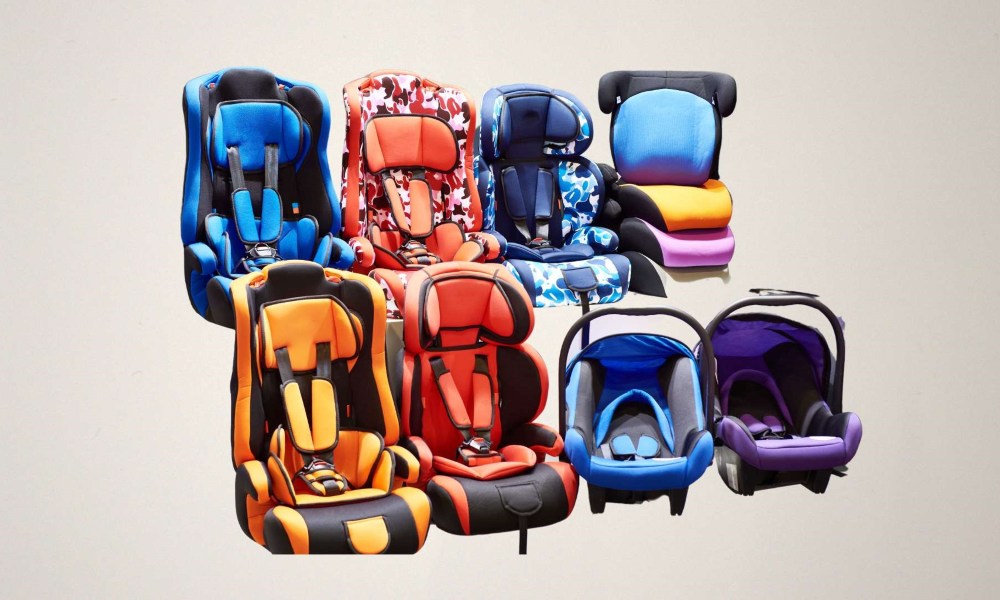
There are different types of car seats available in the market, each designed for a specific age group and weight range of children. The main types are:
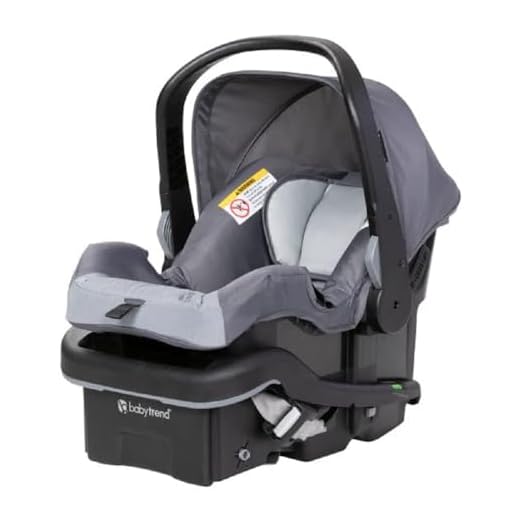
- Infant car seats: These are rear-facing car seats that are suitable for newborns and infants up to 12 months or 13 kg (29 lbs). They have a handle for easy carrying and a base that can be installed in the car. Infant car seats offer the best protection for the baby’s head, neck, and spine in case of a crash.
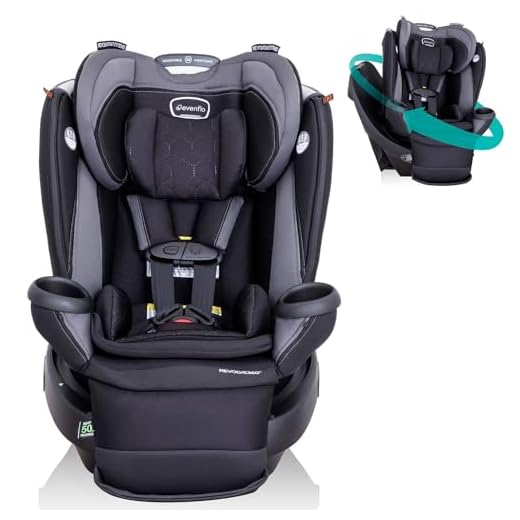
- Convertible car seats: These are car seats that can be used both rear-facing and forward-facing, depending on the child’s age and size. They are typically larger and heavier than infant car seats and have to be installed in the car. Convertible car seats can accommodate children from birth to 4 years or 18 kg (40 lbs) in the rear-facing position, and from 2 to 7 years or 29 kg (65 lbs) in the forward-facing position.
- Booster seats: These are car seats that raise the child’s height so that they can use the adult seat belt safely. They do not have a harness of their own and rely on the vehicle’s seat belt to secure the child. Booster seats are suitable for children who have outgrown their forward-facing car seats, usually from 4 to 12 years or 36 kg (80 lbs).
To select the right car seat for your child, you should consider their age, weight, and height, as well as the car seat’s features, and compatibility. As a general rule, you should keep your child in the rear-facing position as long as possible, as it provides the most protection in a crash.
Installation Steps
Installing a car seat properly is crucial for ensuring your child’s safety. Here are some steps to follow when installing a car seat:
1. Position the car seat properly in the car
The best place to install a car seat is in the back seat, away from active airbags. If possible, use the middle seat, as it is the safest spot in the car. However, if the middle seat does not have a seat belt or lower anchors, you can use the side seat instead. Avoid placing the car seat in the front seat, as it can be dangerous in case of an airbag deployment.
2. Use either the seat belt or lower anchors to secure the car seat
Most car seats and vehicles have a system called LATCH (Lower Anchors and Tethers for Children), which allows you to attach the car seat to the vehicle using metal anchors and straps. Alternatively, you can use the vehicle’s seat belt to secure the car seat, making sure it is locked and tightened. Do not use both methods at the same time, as it can damage the car seat or the vehicle.
3. Make sure the car seat is at the correct angle
The car seat should be reclined at an angle that supports the child’s head and allows them to breathe easily. For rear-facing car seats, the angle should be between 30 and 45 degrees. For forward-facing car seats, the angle should be between 70 and 90 degrees.
You can use the built-in angle indicator or adjuster on the car seat to check the angle. You can also use a rolled towel or a pool noodle under the car seat to achieve the desired angle.
4. Tips for ensuring the car seat is securely installed
To test the stability of the car seat, you should try to move it from side to side and front to back. It should not move more than 2.5 cm (1 inch) in any direction. You should also check the harness straps and the seat belt or lower anchors for any twists, knots, or looseness.
You should regularly inspect the car seat for any cracks, tears, or signs of wear and tear. If you have any doubts or questions about installing the car seat, you can contact the manufacturer or a certified car seat technician for assistance.
Securing Your Child in the Car Seat

Once you have installed the car seat correctly, you should make sure your child is buckled in securely and comfortably. Here are some instructions on how to do that:
1. Place your child in the car seat
For rear-facing car seats, you should place your child with their back flat against the seat and their legs bent at the knees. For forward-facing car seats, you should place your child with their back and bottom flat against the seat and their legs hanging over the edge.
2. Buckle the harness
You should fasten the harness straps over your child’s shoulders and between their legs. The straps should be flat and snug, but not too tight. You should be able to fit one finger between the strap and your child’s chest. The harness clip should be at the level of your child’s armpits, not their neck or stomach.
3. Check for any potential hazards
Some common errors that parents make when securing their child in the car seat are:
- Using bulky clothing or blankets that can interfere with the harness fit. You should dress your child in thin layers and use a blanket over the harness if needed.
- Placing toys, pillows, or other objects in the car seat can pose a choking or suffocation risk. You should only use approved car accessories that are compatible with the car seat.
- Adjusting the harness straps or the car seat position while the vehicle is in motion. You should always stop the vehicle and make any necessary adjustments before resuming your trip.
Maintenance and Safety Tips
To keep your car seat safe and clean, you should follow some maintenance and safety tips, such as:
1. Cleaning the car seat
You should regularly clean the car seat to remove any dirt, stains, or germs. You should follow the manufacturer’s instructions for cleaning the car seat, as different materials may require different methods. Generally, you can use mild soap and water to wipe the plastic parts and a damp cloth to clean the fabric parts. You should avoid using bleach, ammonia, or harsh chemicals that can damage the car seat.
2. Replacing the car seat
You should replace the car seat if it has been involved in a crash, even if it looks fine. The crash may have weakened the car seat’s structure and compromised its safety. You should also replace the car seat if it has expired, as the materials may degrade over time and lose their effectiveness. You can check the expiration date on the car seat’s label or manual. Most car seats last between 6 and 10 years.
Common Mistakes to Avoid
Using a baby car seat can be challenging and confusing for many parents. However, making mistakes can compromise your child’s safety and put them at risk of injury or death. Here are some common mistakes that you should avoid when using a baby car seat:
- Using a second-hand or recalled car seat: Some parents may opt for a second-hand or recalled car seat to save money or convenience. However, this can be risky, as the car seat may be damaged, expired, or unsafe. You should only use a car seat that is new, certified and meets the current safety standards. You should also check the recall list regularly and register your car seat with the manufacturer to receive any updates or notifications.
- Adding extra padding or accessories to the car seat: Some parents may think that adding extra padding or accessories to the car seat can make it more comfortable or stylish for the child. However, this can interfere with the car seat’s function and safety, as it can affect the harness fit, the car seat installation, or the airflow. You should only use the padding or accessories that came with the car seat or are approved by the manufacturer. You should also avoid using aftermarket products that are not tested or certified for the car seat.
Additional Safety Considerations
Besides using the car seat correctly, there are some other factors that you should consider for your child’s safety, such as:
- Airbag considerations: Airbags are designed to protect adults in a crash, but they can be harmful or fatal for children, especially in the front seat. You should never place a rear-facing car seat in the front seat, as the airbag can hit the car seat and cause serious injury to the child. You should also avoid placing a forward-facing car seat or a booster seat in the front seat unless the airbag is turned off or disabled. The safest place for a child is in the back seat, away from the airbags.
- Safe travel tips: If you are planning to travel with your child in a car seat, you should follow some tips to make the trip safe and comfortable, such as:
- Check the car seat before you leave, making sure it is installed and secured properly.
- Pack enough supplies for the child, such as diapers, wipes, snacks, drinks, toys, and blankets.
- Plan your route and schedule, avoiding peak traffic hours and frequent stops.
- Take breaks every two hours or 100 miles, allowing the child to stretch, move, and change positions.
- Always supervise your child during the trip and avoid any distractions while driving.
Final Thoughts
You may know that ensuring the safety and comfort of your child while traveling is paramount, and keeping this thing in mind is essential for any parent. Proper use of car seats can make all the difference in safeguarding your little one during every trip, whether it’s a short drive to the store or a long road trip.
Convertible Car Seats have evolved significantly over the years, offering not only advanced safety features but also improved designs that focus on comfort and durability. These car seats are designed to adapt as your child grows, providing a cost-effective and long-term solution for parents. .
Additionally, the Best Baby Car Seats of 2026 now feature cutting-edge materials and innovative technology, such as side-impact protection and easier installation methods, which enhance both safety and convenience. It’s important to note that properly securing your child in an age-appropriate car seat significantly reduces the risk of injury in the event of an accident.
Staying up-to-date on the latest advancements in car seat technology and following safety guidelines are essential steps in protecting your child. By researching the best options and ensuring proper installation and usage, you can travel with confidence, knowing your child is as safe as possible on every trip.
Shop Related Products