When preparing for a new addition to the family, one of the most crucial decisions parents face is choosing the perfect sleeping arrangement for their little one. Among the myriad of options available, cradles and cribs stand out as two popular choices, each with its own set of advantages and considerations.
As we navigate the world of infant sleep solutions, understanding the nuances between these two options becomes essential for ensuring both baby’s comfort and parents’ peace of mind. Cradles, with their compact size and soothing rocking motion, have been a traditional choice for newborns for centuries.
On the other hand, cribs offer a more spacious and long-term sleeping solution that can grow with your child. Both options come with their own unique features, safety considerations, and benefits that cater to the different needs and preferences of both babies and parents.
This guide explores the key differences between cradles and cribs, focusing on their design, safety standards, and suitability for various stages of infancy. Whether you’re preparing for your first child or considering an upgrade to your baby’s sleeping arrangement, this comparison offers valuable insights to help you make an informed choice.
What Are Cradles? – A Cozy Start for Newborns
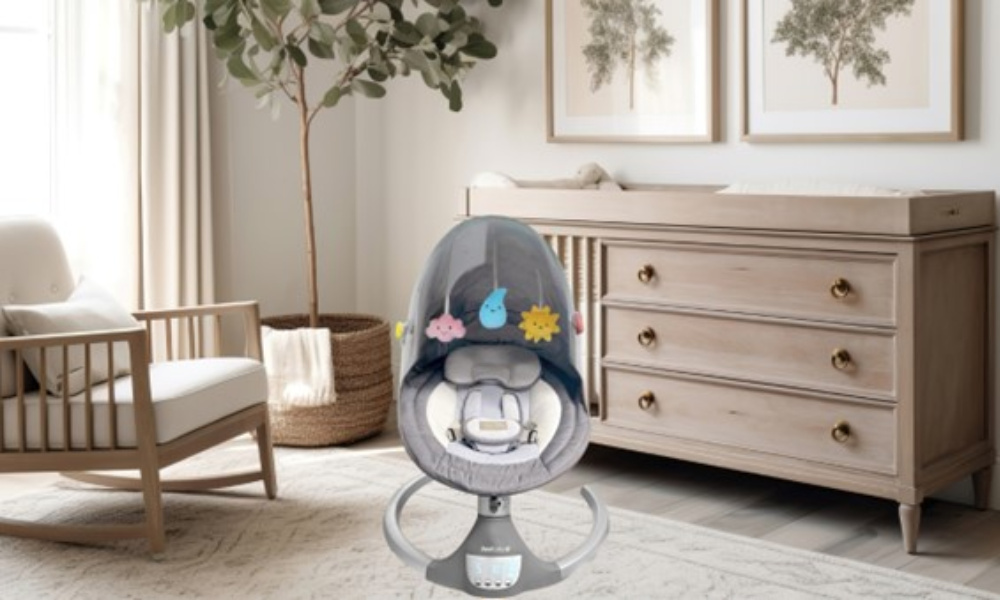
Cradles have been a cherished part of infant care for generations, offering a snug and comforting environment for newborns. But what exactly makes a cradle unique, and why might it be the right choice for your baby?
Design and Features of Cradles
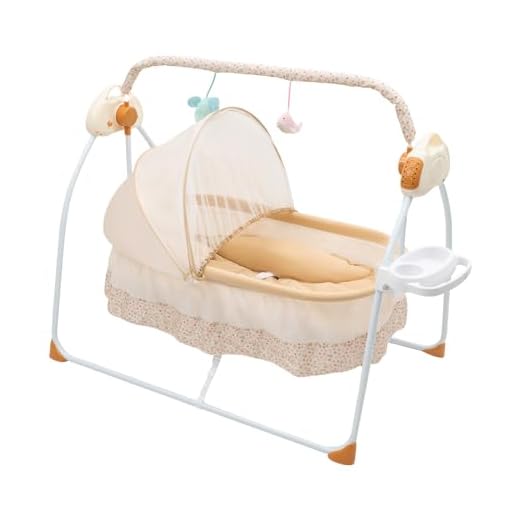
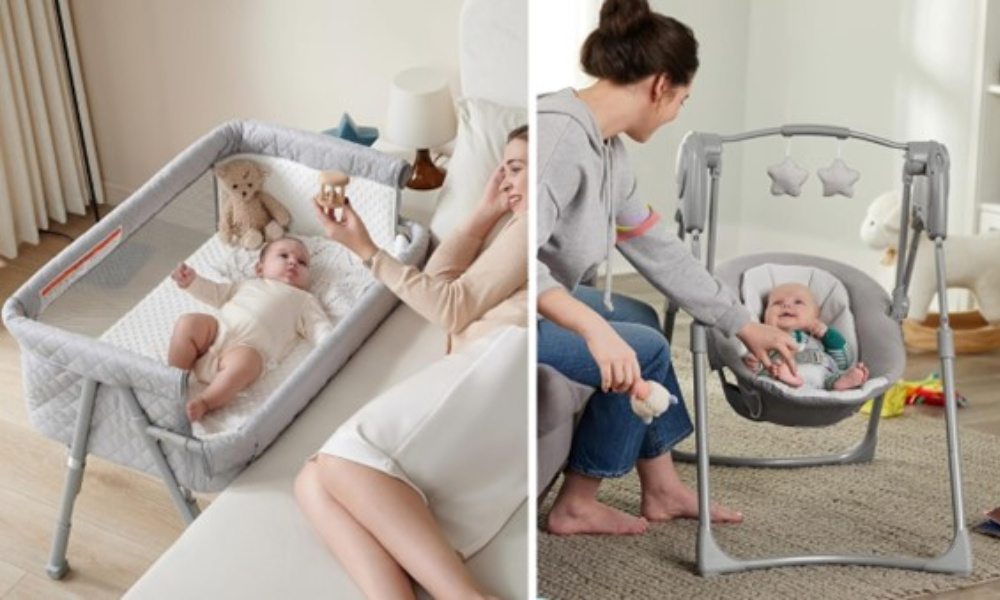
Cradles are typically smaller than cribs and designed specifically with newborns and young infants in mind. Their compact size makes them ideal for keeping your baby close, whether in your bedroom or other living spaces. One of the most distinctive features of a cradle is its ability to rock or sway gently. This motion can be incredibly soothing for infants, often helping them fall asleep more easily.
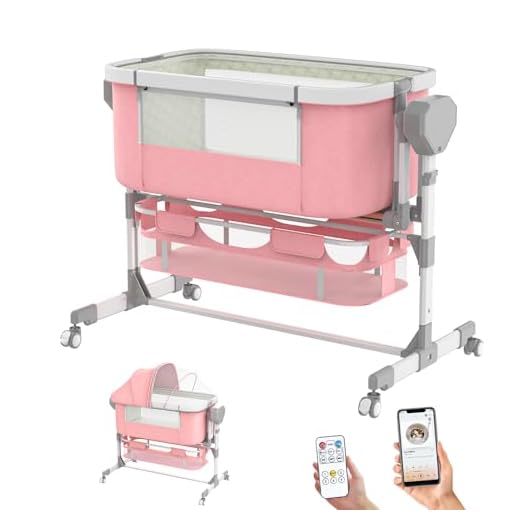
Most cradles are oval or oblong in shape, with sides made of slats or a breathable mesh material. The base of a cradle is usually elevated, making it easier for parents to reach in and lift their baby without straining their back. Some modern cradles come with additional features like built-in mobiles, music players, or even automated rocking mechanisms.
Benefits of Using a Cradle
The primary advantage of a cradle is its ability to provide a cozy, womb-like environment for newborns. The rocking motion can be particularly comforting, mimicking the movements babies experience before birth. This can be especially helpful for babies who have trouble settling or those with colic.
Another benefit is the cradle’s portability. Due to their smaller size and lighter weight, cradles are often easier to move around the house. This allows you to keep your baby close during daytime naps or nighttime feedings, regardless of which room you’re in.
Cradles also tend to have a smaller footprint than cribs, making them an excellent choice for parents with limited space. If you live in a smaller home or apartment, a cradle can provide a safe sleeping space for your baby without taking up too much room.
Safety Considerations for Cradles
While cradles can be a cozy option for newborns, it’s crucial to consider safety. The American Academy of Pediatrics (AAP) recommends that babies sleep on a firm, flat surface to reduce the risk of Sudden Infant Death Syndrome (SIDS). When choosing a cradle, ensure it meets current safety standards and has a firm mattress that fits snugly without gaps around the edges.
It’s also important to note that cradles are typically only suitable for the first few months of a baby’s life. Once your baby can push up on their hands and knees or reaches the weight limit specified by the manufacturer (usually around 15-20 pounds), it’s time to transition to a more secure sleeping arrangement like a crib.
What Are Cribs? – A Long-Term Sleep Solution
While cradles offer a cozy start for newborns, cribs provide a more versatile and long-lasting sleep solution. Let’s delve into what makes cribs a popular choice for many parents and how they differ from cradles.
Design and Features of Cribs
Cribs are larger than cradles and typically rectangular in shape. They’re designed to accommodate babies from birth through toddlerhood, with many convertible models extending use even further. The sides of a crib are made of slats spaced closely together to prevent a baby from getting stuck or falling out.
Unlike cradles, standard cribs don’t rock or sway. However, they offer a stable, secure sleeping environment that remains appropriate as your baby grows and becomes more mobile. Many cribs come with adjustable mattress heights, allowing you to lower the mattress as your baby learns to sit up and stand to prevent falls.
Some cribs also come with additional features like attached changing tables or storage drawers, making them a more comprehensive nursery solution. Convertible cribs, which can transform into toddler beds or even full-sized beds, have become increasingly popular for their long-term value.
Benefits of Using a Crib
The primary advantage of a crib is its longevity. While a cradle might only be suitable for the first few months, a crib can potentially be used for several years. This makes it a more cost-effective option in the long run, especially if you opt for a convertible model.
Cribs also provide a larger sleeping area, which becomes increasingly important as your baby grows and becomes more active during sleep. The extra space allows for comfortable movement without the risk of your baby feeling confined.
From a safety perspective, cribs are designed to meet stringent safety standards. Their sturdy construction and higher sides make them a secure option once your baby starts rolling, sitting up, and eventually standing. This can provide peace of mind for parents, especially as their little one becomes more mobile.
Safety Considerations for Cribs
As with any baby sleep product, safety is paramount when it comes to cribs. Always ensure your crib meets current safety standards set by the Consumer Product Safety Commission (CPSC). This includes having slats no more than 2 3/8 inches apart, no drop sides, and no cutouts in the headboard or footboard.
The mattress is another crucial safety consideration. It should be firm and fit snugly within the crib, with no more than two fingers’ width between the mattress and the crib side. As your baby grows, remember to lower the mattress to prevent falls once they can sit up or stand.
It’s also important to keep the crib free from loose bedding, pillows, and toys to reduce the risk of suffocation or entrapment. The AAP recommends a bare crib with just a fitted sheet for optimal safety.
Let’s Find Out Key Differences: Cradle vs Crib
While both cradles and cribs serve the purpose of providing a safe sleep space for infants, they have several key differences that may influence your choice. Let’s break down these differences to help you decide which option might be best for your family.
Size and Portability
One of the most noticeable differences between a cradle and a crib is their size. Cradles are significantly smaller, typically measuring around 18 inches wide by 36 inches long. This compact size makes them ideal for keeping in your bedroom or moving around the house. A standard crib, on the other hand, is much larger, usually about 28 inches wide by 52 inches long.
The smaller size of cradles makes them more portable. Many cradles come with wheels or are light enough to be easily moved. Cribs, being larger and sturdier, are generally meant to stay in one place, although some models do come with casters for limited mobility.
Age and Weight Limits
Cradles are designed specifically for newborns and young infants. Most have a weight limit of around 15-20 pounds, or until the baby can push up on hands and knees, whichever comes first. This typically means a cradle is only usable for the first 3-5 months of a baby’s life.
Cribs, conversely, are designed for long-term use. Standard cribs can typically be used until a child is 35 inches tall or able to climb out, which usually occurs around age 2-3. Convertible cribs can potentially be used even longer, transforming into toddler beds and sometimes even full-sized beds.
Motion and Soothing Features
Perhaps the most distinctive feature of a cradle is its ability to rock or sway. This gentle motion can be very soothing for newborns, often helping them fall asleep more easily. Some cradles come with a manual rocking feature, while others have motorized options.
Standard cribs don’t offer this rocking motion. They provide a stable, stationary sleep surface. However, some parents choose to use crib attachments like mobiles or sound machines to provide additional soothing elements.
Cost and Long-Term Value
When it comes to cost, there’s a wide range in both categories. However, cribs generally represent a larger initial investment. Basic cradles can start as low as $50, with high-end models reaching $300 or more. Cribs typically start around $100 for basic models, with premium or convertible options ranging up to $1000 or more.
While cribs may have a higher upfront cost, they often provide better long-term value due to their extended usability. A convertible crib that transforms into a toddler bed and eventually a full-sized bed can potentially be used for many years, making it a cost-effective choice in the long run.
Safety Standards and Regulations
When it comes to choosing between a cradle and a crib, understanding the safety standards and regulations for each is crucial. Both types of baby beds are subject to strict safety guidelines, but there are some differences in the specific requirements.
Cradle Safety Standards
Cradles must comply with the ASTM F2194 standard, which covers several key safety aspects:
- The cradle must have a sturdy bottom and a wide base for stability.
- There should be no sharp edges or points.
- The spacing between slats must not exceed 2 3/8 inches.
- The mattress must fit snugly, with no more than a 1-inch gap between the mattress and the cradle side.
- The cradle should have proper ventilation to prevent suffocation.
Additionally, cradles with a rocking feature must have a way to secure the unit to prevent it from tipping over when in use.
Crib Safety Standards
Cribs are subject to even more stringent safety standards, as outlined in the CPSC’s crib regulations:
- Drop-side cribs are banned due to safety concerns.
- Crib slats must be no more than 2 3/8 inches apart.
- Mattress support must be more durable.
- Crib hardware must have anti-loosening devices.
- The wood used must be free from defects that might cause breakage.
- Safety testing must be more rigorous.
These standards apply to both full-size and non-full-size cribs. It’s important to note that cribs manufactured before June 2011 may not meet these standards and should not be used.
Importance of Certification
When shopping for either a cradle or a crib, look for certification from the Juvenile Products Manufacturers Association (JPMA). This certification ensures that the product meets all current safety standards. Always check for recalls before purchasing a used cradle or crib, and avoid using vintage or heirloom cribs that may not meet current safety standards.
Practical Considerations for Parents
Beyond safety and design features, there are several practical factors to consider when choosing between a cradle and a crib. These considerations can significantly impact your day-to-day life with a newborn.
Space and Room Layout
The size difference between cradles and cribs can be a crucial factor, especially if you’re dealing with limited space. A cradle’s smaller footprint makes it ideal for keeping your baby in your bedroom, which aligns with the AAP’s recommendation for room-sharing (but not bed-sharing) for at least the first six months.
If you have a dedicated nursery, a crib might be the more practical choice as it provides a long-term sleeping solution. However, if you’re living in a smaller home or apartment, a cradle could be a space-saving option for the first few months before transitioning to a crib.
Ease of Access
For nighttime feedings and diaper changes, easy access to your baby is crucial. Cradles, with their elevated base and smaller size, can be easier to reach into without straining your back. This can be particularly beneficial for mothers recovering from C-sections.
Cribs, while larger, often come with adjustable mattress heights. You can keep the mattress at a higher level when your baby is newborn for easier access, and then lower it as they grow and become more mobile.
Versatility and Longevity
While cradles offer a cozy start for newborns, their usefulness is limited to the first few months. Cribs, especially convertible models, offer much more longevity. A convertible crib that transforms into a toddler bed and eventually a full-sized bed can potentially be used for many years, making it a more versatile choice.
However, if you’re planning on having more children in quick succession, a cradle could be a practical choice for the newborn stage, with the crib reserved for when the baby outgrows the cradle.
Travel and Portability
If your family travels frequently or you often visit family and friends, the portability of your baby’s sleep space becomes an important consideration. While neither standard cradles nor cribs are designed for travel, there are portable versions of both available.
Travel cribs (often called pack-n-plays) are popular for their versatility, doubling as both a sleep space and a play area. Portable bassinets, which are similar to cradles, are also available and can be a good option for travel with very young infants.
Making the Right Choice for Your Family
Deciding between a cradle and a crib ultimately comes down to your family’s specific needs, lifestyle, and preferences. Here are some scenarios where each option might be the better choice:
When a Cradle Might Be Best
- You want to keep your newborn close in your bedroom for the first few months.
- You have limited space in your home.
- You’re looking for a cozy, womb-like environment for your newborn.
- Your baby responds well to rocking motions for soothing.
- You want a portable option to move around the house easily.
When a Crib Might Be Best
- You’re planning for a long-term sleep solution.
- You have space for a dedicated nursery.
- You prefer a sleep space that will grow with your child.
- You’re concerned about transitioning your baby from one sleep space to another.
- Safety is your top priority, especially as your baby becomes more mobile.
Remember, many families find that a combination of both works well. Using a cradle for the newborn stage and then transitioning to a crib as the baby grows can provide the best of both worlds.
FAQs
1. Is a cradle or crib safer for a newborn?
Both cradles and cribs can be safe for newborns when they meet current safety standards and are used correctly. Cradles offer a snug environment that some newborns find comforting, while cribs provide a larger, more stable sleep space. The AAP recommends room-sharing (but not bed-sharing) for at least the first six months, which can be achieved with either option. Always ensure the sleep surface is firm and free from loose bedding, regardless of whether you choose a cradle or crib.
2. How long can a baby use a cradle?
Most babies outgrow cradles by 3-5 months of age. The exact timing depends on the specific cradle’s weight limit (usually around 15-20 pounds) and your baby’s development. You should stop using a cradle when your baby can roll over, push up on their hands and knees, or reach the cradle’s weight limit, whichever comes first. Always refer to the manufacturer’s guidelines for your specific cradle model.
3. Are convertible cribs worth the investment?
Convertible cribs can be a cost-effective choice for many families. These cribs transform from a full-size crib to a toddler bed, and some models even convert to a full-size bed. This versatility means the crib can potentially be used for many years, growing with your child. However, they typically have a higher upfront cost. Consider your long-term plans, budget, and space constraints when deciding if a convertible crib is right for your family.
4. Can I use a second-hand cradle or crib?
While it’s possible to use a second-hand cradle or crib, it’s important to exercise caution. Always check that the item meets current safety standards and hasn’t been recalled. Cribs manufactured before June 2011 may not meet current safety regulations and should not be used. Inspect the cradle or crib thoroughly for any damage, loose parts, or signs of wear. If possible, get the original instructions and ensure all parts are present. When in doubt, it’s safest to opt for a new crib or cradle to ensure it meets all current safety standards.
Final Thoughts
The choice between a cradle and a crib is a personal one that depends on various factors including your living space, budget, and parenting style. Both options have their merits and can provide a safe, comfortable sleep environment for your little one.
Cradles offer a cozy, soothing start for newborns, with their compact size and gentle rocking motion. They’re particularly useful for keeping your baby close during those early months when frequent nighttime feedings are common. However, their usefulness is limited to a short period, typically the first 3-5 months of your baby’s life.
Cribs, on the other hand, provide a long-term sleep solution that can potentially last for years, especially if you opt for a convertible model. They offer more space for your growing baby and adhere to stringent safety standards. While they lack the soothing motion of cradles, they provide a stable, secure environment that remains appropriate as your baby becomes more mobile.
Shop Related Products