As parents, we’re always on the lookout for ways to make our children’s health routines more engaging and effective. When it comes to oral hygiene, the challenge of getting kids to brush their teeth regularly can be daunting. Traditional toothpaste, while effective, isn’t always appealing to young taste buds or sensitive mouths. This has led many families to explore toothpaste alternatives that can make brushing time more enjoyable while still maintaining good oral health.
In recent years, a variety of innovative and natural toothpaste alternatives have emerged, offering new possibilities for children’s dental care. These alternatives range from homemade concoctions to commercially available products designed specifically for kids with sensory issues or allergies. By considering these options, we can potentially transform the twice-daily struggle of tooth brushing into a fun and health-promoting activity.
Today, we’ll explore various toothpaste alternatives that can help your children maintain healthy teeth and gums. We’ll delve into the benefits and potential drawbacks of each option, providing you with the information you need to make informed decisions about your family’s oral health routine.
Understanding the Importance of Oral Hygiene for Kids
Before we dive into toothpaste alternatives, it’s crucial to understand why maintaining good oral hygiene is so important for children. Proper dental care from an early age sets the foundation for lifelong dental health and can prevent a host of issues down the line.
The Role of Brushing in Dental Health
Brushing is the cornerstone of good oral hygiene. When children brush their teeth regularly, they remove plaque – a sticky film of bacteria that forms on teeth. If left unchecked, plaque can lead to tooth decay and gum disease. The American Dental Association recommends that children brush their teeth twice a day for two minutes each time to effectively remove plaque and food particles.
Regular brushing also helps to prevent cavities, which are particularly common in children. According to the Centers for Disease Control and Prevention, about 20% of children aged 5 to 11 years have at least one untreated decayed tooth. By establishing good brushing habits early, we can significantly reduce this risk and promote overall dental health.
The Challenges of Traditional Toothpaste
While traditional toothpaste is effective in cleaning teeth, it can present challenges for some children. Many kids dislike the strong mint flavor common in adult toothpaste, which can make brushing an unpleasant experience. Some children may also be sensitive to certain ingredients in commercial toothpaste, such as artificial sweeteners or preservatives.
Moreover, young children who haven’t yet mastered the art of spitting out toothpaste may swallow excessive amounts of fluoride, which can lead to dental fluorosis – a cosmetic condition affecting the appearance of teeth. This concern has led many parents to seek fluoride-free alternatives, especially for very young children.
Natural Toothpaste Alternatives
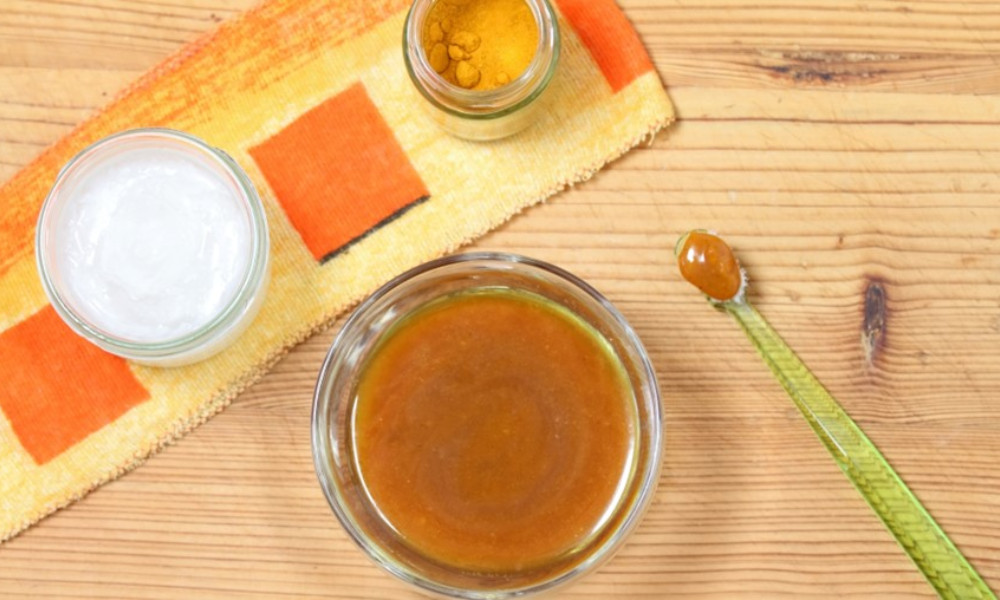
Natural toothpaste alternatives have gained popularity as parents seek gentler, more wholesome options for their children’s oral care. These alternatives often use simple, recognizable ingredients and can be just as effective as traditional toothpaste when used correctly.
1. Baking Soda
Baking soda, or sodium bicarbonate, is a versatile household item that can double as an effective toothpaste alternative. Its mild abrasive properties make it excellent for removing plaque and surface stains from teeth. Baking soda also helps to neutralize acids in the mouth, which can prevent tooth decay and freshen breath.
To use baking soda as a toothpaste, simply mix a small amount with water to create a paste. Some parents add a drop of peppermint essential oil for flavor, but this is optional. It’s important to note that while baking soda is generally safe, its taste can be off-putting for some children. Start with a small amount and gradually increase as your child gets used to the flavor.
2. Coconut Oil
Coconut oil has gained recognition for its potential oral health benefits, thanks to its antimicrobial properties. The practice of oil pulling, swishing oil in the mouth for several minutes – has roots in Ayurvedic medicine and has been shown to reduce plaque and gingivitis.
For children, a gentler approach is to use coconut oil as a toothpaste alternative. Its mild, pleasant taste is often more appealing to kids than strong mint flavors. To use, simply apply a small amount of coconut oil to the toothbrush and brush as normal. Some parents mix in a small amount of baking soda for added cleaning power.
3. Herbal Tooth Powders
Herbal tooth powders offer a natural alternative to commercial toothpaste and can be particularly appealing to children who enjoy earthy flavors. These powders typically contain a blend of herbs and minerals known for their oral health benefits, such as neem, licorice root, and calcium carbonate.
To use an herbal tooth powder, wet the toothbrush and dip it into the powder. Brush as normal, allowing the powder to mix with saliva to form a paste-like consistency. Many children enjoy the habit of using toothpowder, and it can be a fun way to introduce them to different herbs and their benefits.
DIY Toothpaste Recipes for Kids
Creating your own toothpaste at home can be a fun and educational activity to do with your children. Not only does it allow you to control the ingredients, but it also gives kids a sense of ownership over their oral health routine.
1. Simple Clay Toothpaste
Bentonite clay is known for its detoxifying properties and can be an effective base for homemade toothpaste. Here’s a simple recipe:
Mix 2 tablespoons of bentonite clay with 1 tablespoon of coconut oil and enough water to form a paste. Add a drop of peppermint essential oil for flavor if desired. This mixture can be stored in a small jar and used just like regular toothpaste.
2. Strawberry Surprise Toothpaste
For a fruity twist that kids will love, try this strawberry-based recipe:
Mash 1-2 ripe strawberries and mix with 1/2 teaspoon of baking soda. The natural enzymes in strawberries can help whiten teeth, while the baking soda provides cleaning power. This mixture should be made fresh each time due to the perishable nature of strawberries.
3. Remineralizing Toothpaste
For those concerned about strengthening tooth enamel, a remineralizing toothpaste can be beneficial:
Mix 4 tablespoons of food-grade calcium carbonate powder with 2 tablespoons of xylitol powder, 2 tablespoons of coconut oil, and 1/2 teaspoon of natural sea salt. Add water gradually until you achieve the desired consistency. This mixture supports the remineralization process of teeth and can help prevent cavities.
Commercial Toothpaste Alternatives
While homemade options are great, sometimes the convenience of a ready-made product is necessary. Fortunately, there are numerous commercial toothpaste alternatives designed specifically for children with various needs and preferences.
1. Tooth Gels
Tooth gels are a popular alternative to traditional toothpaste, especially for younger children. These gels often have a milder taste and smoother texture, making them more palatable for sensitive mouths. Many toothgels are fluoride-free and use natural ingredients like xylitol for cavity protection.
One example is the Jack N’ Jill Natural Toothpaste, which comes in fun flavors like strawberry and banana. These gels are safe if swallowed, making them ideal for toddlers who are still learning to spit out toothpaste.
2. Chewable Toothpaste Tablets
Chewable toothpaste tablets are an innovative solution that can make brushing more fun for kids. These tablets typically come in small, easy-to-use portions that children chew before brushing. As they chew, the tablet turns into a paste in their mouth.
Brands like Nelson Naturals offer kid-friendly flavors like strawberry and bubble gum. These tablets are often made with natural ingredients and are free from artificial preservatives and flavors.
3. Tooth Powders
Commercial tooth powders are making a comeback as a toothpaste alternative. These powders often contain natural abrasives like calcium carbonate or baking soda, along with essential oils for flavor and antibacterial properties.
The Dirt Natural Tooth Powder is one example that comes in flavors like Sweet Spice and Super Mint. These powders can be particularly effective at removing surface stains and freshening breath.
Making Brushing Fun with Alternatives
One of the biggest challenges in maintaining children’s oral health is making brushing an enjoyable part of their daily routine. Toothpaste alternatives can play a significant role in transforming brushing from a chore into a fun activity.
Flavor Experiments
Experimenting with different flavors can turn brushing time into a taste adventure. Try creating a “flavor of the week” using natural ingredients like mashed berries, mint leaves, or cinnamon. This not only makes brushing more interesting but also introduces children to a variety of tastes and textures.
Colorful Creations
Visual appeal can go a long way in making brushing fun for kids. Consider making colorful toothpaste alternatives using natural food coloring derived from vegetables. For example, a pinch of turmeric can create a bright yellow paste, while beetroot powder can make a vibrant pink one.
Brushing Games
Incorporate toothpaste alternatives into brushing games. For example, you could create a “treasure hunt” where kids have to find hidden flavors in their toothpaste. Or, try a “color change” game where the toothpaste changes color as they brush, encouraging them to brush thoroughly to see the full transformation.
Safety Considerations and Best Practices
While exploring toothpaste alternatives can be exciting, it’s crucial to keep safety at the forefront. Here are some important considerations to keep in mind:
Consulting with a Dentist
Before making any significant changes to your child’s oral care routine, it’s always best to consult with a pediatric dentist. They can provide personalized advice based on your child’s specific dental needs and help you choose alternatives that will be both safe and effective.
Monitoring Ingredients
When using homemade or natural alternatives, be vigilant about the ingredients. Some natural substances, while generally safe, can be harmful if used excessively. For example, while baking soda is an effective cleaner, overuse can potentially erode tooth enamel over time.
Maintaining Proper Brushing Technique
Regardless of the toothpaste alternative you choose, proper brushing technique remains crucial. Ensure your child is brushing for at least two minutes, reaching all surfaces of their teeth, and using gentle circular motions. The effectiveness of any toothpaste or alternative largely depends on correct brushing habits.
FAQs
1. Are toothpaste alternatives as effective as traditional toothpaste?
Many alternatives can be effective when used properly. The mechanical action of brushing is key for plaque removal. However, some lack fluoride for cavity prevention. If choosing fluoride-free options, discuss cavity prevention strategies with your dentist. Regular check-ups and a low-sugar diet are crucial for oral health regardless of toothpaste type.
2. How can I ensure my child gets enough fluoride with alternative toothpaste?
If using fluoride-free alternatives, consider fluoridated water, fluoride treatments at dental check-ups, or supplements if recommended by your dentist. The need for additional fluoride varies based on age, cavity risk, and local water fluoridation. Consult a pediatric dentist for personalized advice.
3. Can I use the same toothpaste alternatives for my entire family?
While many alternatives are safe for all ages, individual dental needs vary. Children may need gentler formulations, while adults might prefer stronger cleaning agents. Those with sensitive teeth may need specialized options. It’s often best to tailor choices to each family member’s needs and preferences.
4. How often should I replace homemade toothpaste alternatives?
Homemade alternatives typically have shorter shelf lives than commercial products. Make small batches to use within 1-2 weeks. Store in a cool, dry place in an airtight container. Discard if you notice changes in color, texture, or smell. For alternatives with perishable ingredients, make fresh batches for each use.
5. Can toothpaste alternatives help with bad breath in children?
Many alternatives can combat bad breath with ingredients like peppermint oil, tea tree oil, and xylitol. Baking soda also neutralizes odors. However, persistent bad breath may indicate underlying dental or health issues. If bad breath continues despite good oral hygiene, consult a dentist for proper evaluation and treatment.
Final Thoughts
Exploring toothpaste alternatives for children opens up a world of possibilities for making oral hygiene more enjoyable and personalized. From natural ingredients like baking soda and coconut oil to innovative commercial products, there are numerous options to suit every child’s needs and preferences. These alternatives not only make brushing more appealing but can also address specific concerns such as sensitivity or ingredient sensitivities.
The journey to finding the right toothpaste alternative for your child may involve some trial and error. What works for one child may not be ideal for another, and it’s perfectly fine to mix and match different options to find what works best for your family. The most important thing is to maintain consistency in oral care routines and to make brushing a positive, stress-free experience for your children.
As we continue to learn more about oral health and develop new products, the field of toothpaste alternatives is likely to expand even further. By staying informed and open to new possibilities, we can ensure that our children develop healthy oral hygiene habits that will serve them well throughout their lives. The goal is not just clean teeth, but a lifetime of confident smiles and good dental health.
Shop Related Products