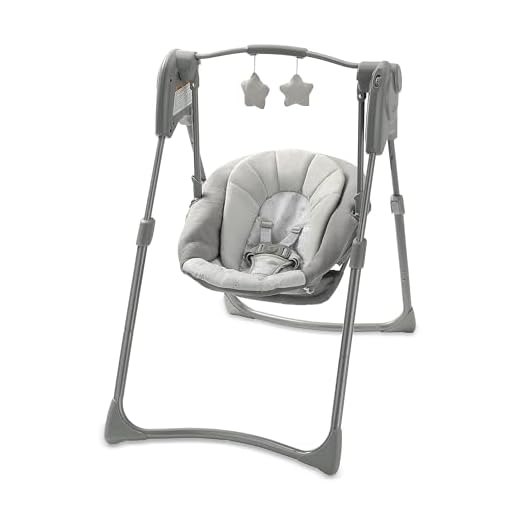
Baby swings have become a go-to solution for many parents seeking to soothe their fussy infants and catch a moment of respite. These ingenious devices mimic the gentle rocking motion that babies find so comforting, often helping them to calm down and even drift off to sleep. However, with the convenience of a baby swing comes an important responsibility, ensuring its safe use, particularly when it comes to weight limits.
Understanding the weight limit for a baby swing is not just about following rules; it’s a crucial aspect of your child’s safety and the product’s effectiveness. Each swing model has its own specific guidelines, designed to protect your baby and maintain the swing’s integrity. Adhering to these limits is essential to prevent accidents and guarantee your little one’s well-being during their swinging sessions.
Our goal is to provide you with valuable insights into baby swing weight limits. We’ll explore the factors that influence these limits, discuss safe usage practices, and offer guidance on transitioning your child out of the swing when the time comes. By the end, you’ll be equipped with the knowledge to ensure your baby’s playtime is both enjoyable and secure.
Understanding Baby Swing Weight Limits
When it comes to using a baby swing, one of the most critical factors to consider is the weight limit. This isn’t just a random number chosen by manufacturers; it’s a carefully calculated maximum that ensures the safety and proper functioning of the swing. The baby swing weight limit is determined based on the swing’s design, materials, and mechanical capabilities.
Typically, most baby swings have a weight limit ranging from 20 to 30 pounds (9 to 13.6 kilograms). However, this can vary significantly depending on the specific model and brand. Some swings designed for newborns might have a lower weight limit, while others meant to accommodate older infants might have a higher capacity. It’s crucial to check the manufacturer’s guidelines for your specific swing, as exceeding the weight limit can compromise the swing’s stability and your baby’s safety.
Why Weight Limits Matter
Understanding why weight limits are so important can help us appreciate the need to adhere to them strictly. Here are some key reasons:
1. Safety First
The primary reason for weight limits is safety. Baby swings are designed to support and move a certain amount of weight safely. When this limit is exceeded, the risk of the swing tipping over or malfunctioning increases significantly. A swing that’s struggling under too much weight might not operate smoothly, potentially causing discomfort or even injury to your baby.
2. Structural Integrity
Baby swings are engineered with specific materials and mechanisms designed to handle a particular weight range. Exceeding this range puts undue stress on the swing’s structure, potentially leading to wear and tear, or in worst-case scenarios, structural failure. This could result in the seat detaching from the frame or the entire swing collapsing, posing serious risks to your baby.
3. Motor Function
Many modern baby swings are powered by motors that create the swinging motion. These motors are calibrated to move a specific weight range efficiently. When the weight limit is exceeded, the motor may strain to maintain the swinging motion, potentially overheating or burning out. This not only shortens the lifespan of your swing but could also create a safety hazard.
Finding Your Swing’s Weight Limit

Now that we understand the importance of adhering to weight limits, let’s discuss how to find this crucial information for your specific swing model.
1. Check the Manual
The most reliable source for your baby swing’s weight limit is the user manual that came with the product. Manufacturers are required to provide this information clearly in the manual. If you’ve misplaced your manual, don’t worry – most companies now offer digital versions on their websites. Simply search for your swing’s model number, and you should be able to download a PDF version of the manual.
2. Look for Product Labels
Many baby swings have weight limit information printed directly on the product. Check for labels or stickers on the swing’s frame, seat, or base. These often provide quick-reference safety information, including weight limits.
3. Contact the Manufacturer
If you’re unable to locate the weight limit information through the manual or product labels, don’t hesitate to reach out directly to the manufacturer. Their customer service should be able to provide you with the correct weight limit for your specific model. This is also a good opportunity to ask any other safety-related questions you might have about the swing.
4. Online Resources
While it’s always best to rely on official sources, there are online databases and parenting forums where you can find information about various baby swing models, including their weight limits. However, always cross-reference this information with the manufacturer’s guidelines to ensure accuracy.
Factors Influencing Weight Limits
The weight limit for a baby swing isn’t arbitrarily set. Several factors influence this crucial safety standard:
1. Swing Design
The overall design of the swing plays a significant role in determining its weight limit. Swings with wider bases and sturdier frames generally have higher weight limits compared to more compact or portable models. The seat’s design, including its depth and how securely it’s attached to the frame, also influences the maximum weight capacity.
2. Materials Used
The durability and strength of the materials used in constructing the swing directly impact its weight limit. Swings made with high-grade plastics, metals, or reinforced fabrics typically have higher weight capacities. The quality of these materials ensures that the swing can safely support and move your baby without risking structural failure.
3. Swing Mechanism
The type of mechanism used to create the swinging motion also affects the weight limit. Swings with more robust motors or mechanical systems can often accommodate heavier weights. Some swings use innovative technologies that allow for higher weight limits while maintaining energy efficiency and smooth operation.
4. Safety Standards
Baby swings must comply with safety standards set by regulatory bodies such as the Consumer Product Safety Commission (CPSC) in the United States. These standards often influence the weight limits that manufacturers set for their products, ensuring a margin of safety beyond the stated maximum weight.
Safe Usage Practices
Knowing the weight limit is just the first step in ensuring safe use of a baby swing. Here are some additional practices to keep in mind:
Regular Weight Checks
Babies grow quickly, and it’s easy to lose track of their weight gain. Make it a habit to regularly check your baby’s weight and compare it to the swing’s limit. A good practice is to check monthly or even bi-weekly during periods of rapid growth. This helps ensure you’re not unknowingly exceeding the weight limit as your baby grows.
Proper Positioning
Even when your baby is within the weight limit, proper positioning is crucial for safety. Always use the swing’s harness or strap to secure your baby. The harness should be snug but not too tight, preventing your baby from slipping or climbing out. Ensure that your baby’s head and neck are well-supported, especially for younger infants.
Supervision is Key
While baby swings can be a great tool for soothing a fussy infant, they should never be used as a substitute for adult supervision. Always keep an eye on your baby when they’re in the swing, even if you’re using it to help them fall asleep. This allows you to quickly respond to any issues and ensure your baby remains comfortable and safe.
Time Limitations
Even if your baby is within the weight limit, it’s important not to leave them in the swing for extended periods. The American Academy of Pediatrics recommends limiting swing use to 30-60 minutes at a time. Extended time in the swing can potentially impact your baby’s physical development and sleep patterns.
Signs It’s Time to Stop Using the Swing
As your baby grows, there will come a time when they outgrow the swing, even if they haven’t reached the weight limit. Here are some signs to watch for:
Approaching the Limit
As your baby nears the weight limit, it’s time to start planning for alternatives. Don’t wait until they’ve reached or exceeded the limit to make the transition. Start reducing swing use and introducing other soothing methods as they approach about 80% of the weight limit.
Increased Activity
If your baby becomes more active in the swing, trying to sit up, roll over, or climb out, it’s time to stop using it, regardless of their weight. These behaviors indicate that your baby has outgrown the swing developmentally and continuing its use could be unsafe.
Loss of Interest
Sometimes, babies will naturally lose interest in the swing as they grow. If you notice your little one becoming fussy or resistant when placed in the swing, it might be a sign that they’re ready to move on to other activities.
Developmental Milestones
As your baby reaches certain milestones, like sitting unassisted or crawling, the swing may no longer be appropriate. These developmental stages often coincide with the need to transition away from the swing to encourage further physical development.
FAQs
1. Can I use a baby swing for my newborn?
Most baby swings are safe for newborns, but always check the manufacturer’s guidelines. Look for a swing with good head and neck support, and a recline position suitable for newborns. Some swings have a specific newborn insert or setting. Always use the lowest speed setting for newborns and ensure they’re securely strapped in. Remember, even for newborns, swing use should be limited and supervised.
2. What should I do if my baby has outgrown the swing but still loves it?
If your baby has outgrown the swing either by weight or development, it’s important to transition away from it for safety reasons. Try introducing alternative soothing methods gradually, such as gentle rocking in your arms, using a rocking chair, or playing calming music. You might also consider a larger baby bouncer or stationary activity center if your baby enjoys movement. Remember, consistency and patience are key when making this transition.
3. Are there any long-term effects of using a baby swing too much?
While baby swings can be beneficial when used appropriately, overuse can potentially lead to some issues. Extended time in a swing may delay motor skill development as it limits opportunities for floor play and movement. It can also potentially affect sleep patterns if babies become reliant on the motion to fall asleep. Some studies suggest that excessive use might contribute to plagiocephaly (flat head syndrome). To avoid these issues, limit swing use to 30-60 minutes at a time and ensure plenty of supervised floor time.
4. Can I use a baby swing to sleep at night?
The American Academy of Pediatrics advises against using baby swings for sleep, especially for extended periods or nighttime sleep. Sleeping in a seated position can potentially lead to airway obstruction, particularly in young infants. If your baby falls asleep in the swing, it’s best to move them to a flat, firm sleep surface like a crib or bassinet. Always follow safe sleep guidelines, which recommend placing babies on their backs on a firm surface free of loose bedding or soft objects.
Final Thoughts
Navigating the world of baby gear can be overwhelming, but understanding the importance of weight limits for baby swings is a crucial step in ensuring your little one’s safety. By staying informed about your specific swing’s limits and following safe usage practices, you can provide a secure and comforting environment for your baby.
Remember that while baby swings can be incredibly helpful tools for soothing and entertaining your infant, they’re just one of many options available. As your baby grows and develops, their needs will change, and it’s important to adapt accordingly. Always trust your instincts as a parent and don’t hesitate to consult with your pediatrician if you have concerns about your baby’s development or the appropriateness of continued swing use.
Prioritizing safety doesn’t mean sacrificing comfort or convenience. By understanding and respecting the weight limits and safety guidelines of baby swings, you’re setting a foundation for safe practices that will serve you well throughout your parenting journey. Here’s to happy, safe swinging for your little one!
Shop Related Products