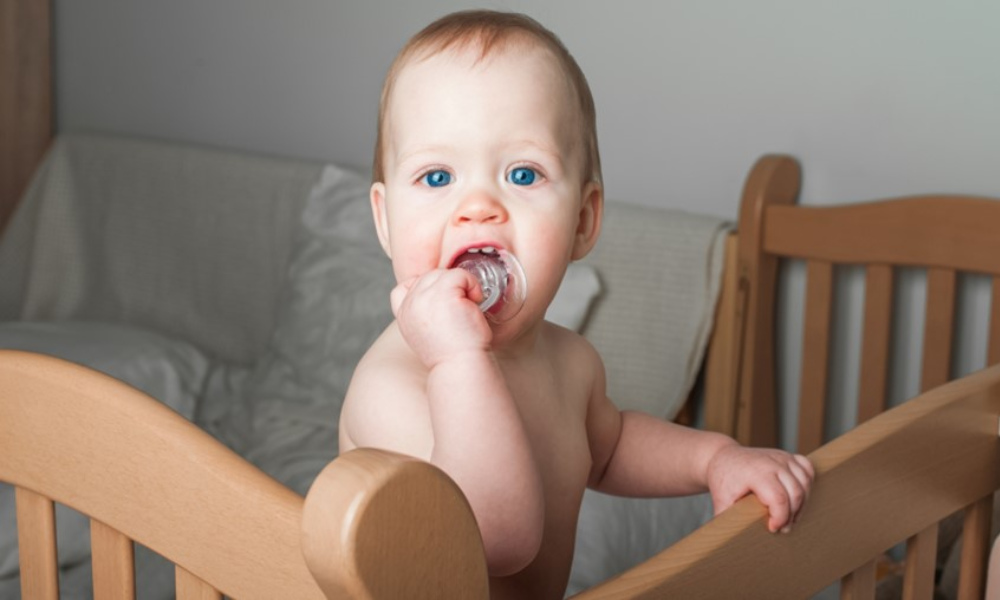
Pacifiers, those small but mighty soothers, have been a go-to comfort tool for parents and babies alike for generations. These seemingly innocuous objects can bring peace to a fussy infant and a moment’s respite to an exhausted parent. However, as with many aspects of childcare, the use of pacifiers comes with its own set of considerations, particularly when it comes to dental health.
The relationship between pacifier use and dental development has been a topic of discussion among parents, pediatricians, and dentists for years. While pacifiers can offer numerous benefits, including reducing the risk of Sudden Infant Death Syndrome (SIDS) and providing non-nutritive sucking satisfaction, concerns about their impact on developing teeth and jaws have persisted.
In this exploration of “pacifier teeth,” we’ll dive into the science behind how these common baby accessories might influence dental development. We’ll examine both the potential risks and benefits, discuss recommended usage guidelines, and offer practical advice for parents navigating this aspect of infant care. Our goal is to provide you with comprehensive, evidence-based information to help you make informed decisions about pacifier use for your little one.
Understanding Pacifier Use and Dental Development
Before we delve into the specifics of how pacifiers might affect dental development, it’s important to understand the basics of early oral development in infants and toddlers. The first years of life are crucial for the formation and alignment of baby teeth, as well as the growth of the jaw and palate.
Baby teeth, also known as primary teeth, typically start to emerge around 6 months of age, although this can vary significantly from child to child. By the age of 3, most children have a full set of 20 primary teeth. These teeth play a vital role not just in chewing and speech development, but also in guiding the proper placement of permanent teeth.
The use of pacifiers interacts with this developmental process through the mechanism of non-nutritive sucking. This natural reflex in infants serves several purposes, including self-soothing and satisfying the innate need to suck even when not feeding. While this reflex is normal and beneficial in many ways, prolonged and excessive non-nutritive sucking, whether through pacifier use or thumb-sucking, can potentially influence the shape and alignment of developing dental structures.
The Potential Impact of Pacifiers on Teeth
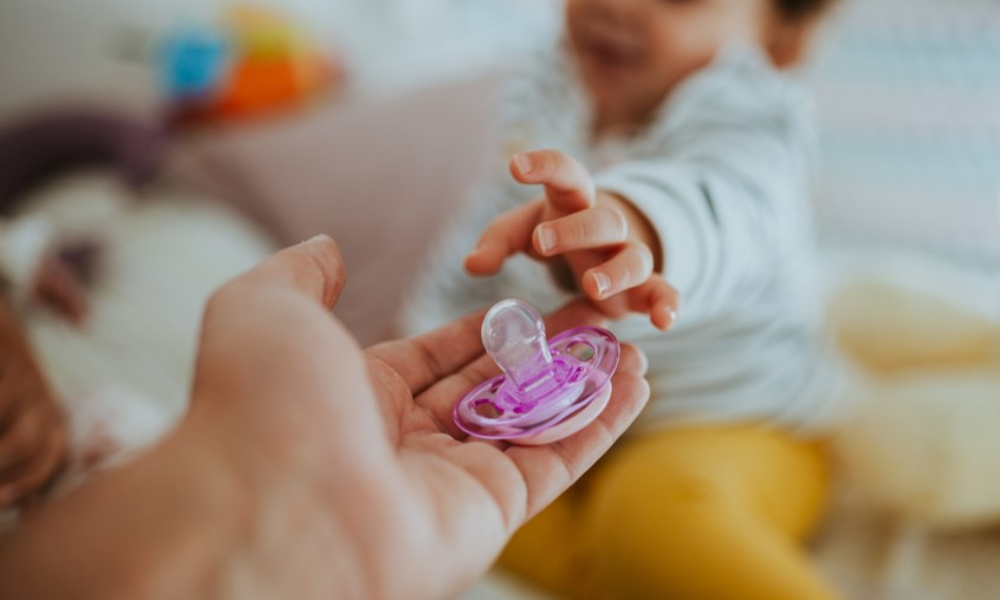
The effects of pacifier use on dental development can vary depending on several factors, including the frequency and duration of use, the type of pacifier used, and individual genetic predispositions. Let’s explore some of the potential impacts:
1. Anterior Open Bite
One of the most commonly cited dental issues associated with prolonged pacifier use is the development of an anterior open bite. This condition occurs when the front teeth don’t meet when the back teeth are closed together. A study published in the Journal of the American Dental Association found that children who used pacifiers past the age of 2 were more likely to develop an anterior open bite compared to those who stopped earlier or never used pacifiers.
2. Posterior Crossbite
Another potential issue is the development of a posterior crossbite, where the upper back teeth bite inside the lower back teeth. This misalignment can occur due to the narrowing of the upper dental arch caused by prolonged pacifier sucking. Research published in the American Journal of Orthodontics and Dentofacial Orthopedics suggests that the risk of posterior crossbite increases with extended pacifier use, particularly beyond the age of 3.
3. Malocclusion
Malocclusion, or misalignment of the teeth, is another concern associated with extended pacifier use. This can include issues such as protruding front teeth or improper bite alignment. The severity and likelihood of malocclusion can increase with the duration and intensity of pacifier use.
4. Changes in Palate Shape
Prolonged pacifier use may also influence the shape of the palate (the roof of the mouth). Some studies suggest that extensive pacifier sucking can lead to a higher, narrower palate, which can affect tooth alignment and potentially impact speech development.
Benefits of Pacifier Use
While the potential dental issues associated with pacifier use are important to consider, it’s equally crucial to acknowledge the benefits that pacifiers can offer:
1. Reduced SIDS Risk
Perhaps the most significant benefit of pacifier use is its association with a reduced risk of Sudden Infant Death Syndrome (SIDS). The American Academy of Pediatrics recommends offering a pacifier at nap time and bedtime to help prevent SIDS, particularly in the first six months of life when the risk is highest.
2. Pain Relief
Pacifiers can provide comfort and pain relief for infants during minor procedures or when experiencing discomfort. A study published in the journal Pediatrics found that pacifier use was effective in reducing pain scores in newborns undergoing heel prick procedures.
3. Self-Soothing
Pacifiers can help babies learn to self-soothe, which is an important developmental skill. This can lead to improved sleep patterns and reduced fussiness, benefiting both the baby and the parents.
4. Alternative to Thumb-Sucking
While both pacifier use and thumb-sucking can potentially impact dental development, pacifier use is generally preferred as it’s easier to control and discontinue compared to the habit of thumb-sucking.
Guidelines for Safe Pacifier Use
To maximize the benefits of pacifier use while minimizing potential dental issues, consider the following guidelines:
1. Timing of Introduction
If you’re breastfeeding, it’s generally recommended to wait until breastfeeding is well-established before introducing a pacifier, usually around 3-4 weeks of age. This helps prevent nipple confusion and ensures that the baby’s nutritive sucking needs are being met through breastfeeding.
2. Choose the Right Pacifier
Opt for orthodontic pacifiers that are designed to better accommodate the shape of a baby’s palate and developing teeth. These pacifiers typically have a flattened bottom and rounded top, which may reduce the pressure on developing dental structures.
3. Limit Use
As your child grows, gradually limit pacifier use to specific times such as bedtime or during stressful situations. The American Academy of Pediatric Dentistry recommends weaning children from pacifiers by age 3 to reduce the risk of dental problems.
4. Regular Dental Check-ups
Schedule regular dental check-ups for your child starting around their first birthday or within six months of the first tooth appearing. This allows for early detection and management of any developing dental issues.
5. Proper Cleaning and Replacement
Keep pacifiers clean to prevent the spread of bacteria, and replace them regularly, especially if you notice any signs of wear or damage. Damaged pacifiers can pose choking hazards and may have uneven surfaces that could affect dental development.
When and How to Wean from Pacifier Use
- Weaning a child from pacifier use can be a challenging process, but it’s an important step in promoting healthy dental development. The timing of when to start weaning can vary depending on the child, but many experts recommend beginning the process between the ages of 2 and 4. It’s important to remember that every child is different, and what works for one may not work for another.
- One effective approach is to start with gradual reduction. Begin by limiting pacifier use to specific times, such as bedtime or during particularly stressful situations. Over a period of weeks or months, you can gradually reduce these times further. This slow transition can help your child adjust to life without the pacifier more easily.
- Positive reinforcement can be a powerful tool in the weaning process. Use praise and small rewards to encourage your child’s efforts to give up the pacifier. This positive approach can make the transition more pleasant for your little one and can help build their confidence in their ability to self-soothe without the pacifier.
- Some parents find success with creative methods like the “pacifier fairy” concept. In this approach, the child gives up their pacifiers in exchange for a special gift or toy. This can turn the weaning process into an exciting milestone rather than a loss.
Addressing Existing Dental Issues
If you’re concerned that prolonged pacifier use may have already impacted your child’s dental development, don’t panic. Many dental issues related to pacifier use can be addressed, especially if caught early.
1. Early Intervention
If you notice any changes in your child’s bite or tooth alignment, consult with a pediatric dentist. Early intervention can often prevent minor issues from becoming more significant problems.
2. Orthodontic Treatment
In some cases, orthodontic treatment may be necessary to correct misalignments caused by prolonged pacifier use. This might include the use of braces or other orthodontic appliances, typically in older children or adolescents.
3. Speech Therapy
If pacifier use has impacted your child’s palate shape and affected their speech, a speech therapist can work with your child to improve articulation and overall speech development.
FAQs
1. At what age should I stop giving my child a pacifier to prevent dental issues
Most dental experts recommend weaning children from pacifiers by age 2-4 to minimize the risk of dental problems. The American Academy of Pediatric Dentistry specifically suggests stopping pacifier use by age 3. However, the exact timing can vary based on individual circumstances. It’s best to consult with your pediatric dentist for personalized advice, as they can assess your child’s specific dental development and provide tailored recommendations.
2. Are there any pacifiers that are better for dental development?
Orthodontic pacifiers, designed with a flattened bottom and rounded top, are often recommended as potentially less harmful to dental development. These pacifiers aim to mimic the natural shape of a mother’s nipple and may reduce pressure on developing teeth and jaws. However, it’s important to note that even orthodontic pacifiers can impact dental development if used excessively or for prolonged periods.
3. How can I tell if pacifier use is affecting my child’s teeth?
Signs that pacifier use might be impacting your child’s dental development include changes in bite alignment (such as front teeth not meeting when back teeth are closed), protruding front teeth, or changes in the roof of the mouth. However, these changes can be subtle and not always noticeable to the untrained eye. Regular check-ups with a pediatric dentist, starting from your child’s first birthday, can help detect any early signs of dental issues related to pacifier use.
4. Is thumb-sucking better or worse than pacifier use for dental development?
Neither thumb-sucking nor pacifier use is inherently better or worse for dental development – both can potentially impact tooth alignment and jaw growth if continued for too long. However, pacifier use is often preferred because it’s generally easier to control and discontinue compared to thumb-sucking.
Parents can take away a pacifier, but stopping thumb-sucking can be more challenging as it’s always available to the child. If you’re concerned about either habit, consult with your pediatric dentist for guidance.
Final Thoughts
The relationship between pacifier use and dental development is complex, with potential risks and benefits to consider. While pacifiers can offer valuable comfort and even health benefits for infants, their prolonged use may indeed impact dental development in some children.
As parents, it’s crucial to approach pacifier use with a balanced perspective. The key lies in moderation and timely weaning. By following recommended guidelines, being vigilant about your child’s dental health, and working closely with pediatric health professionals, you can navigate the use of pacifiers in a way that supports your child’s overall well-being.
Remember that every child is unique, and what works for one may not work for another. Trust your instincts, stay informed, and don’t hesitate to seek professional advice when needed. With thoughtful consideration and care, you can make decisions about pacifier use that support your child’s comfort, development, and long-term dental health.
Shop Related Products