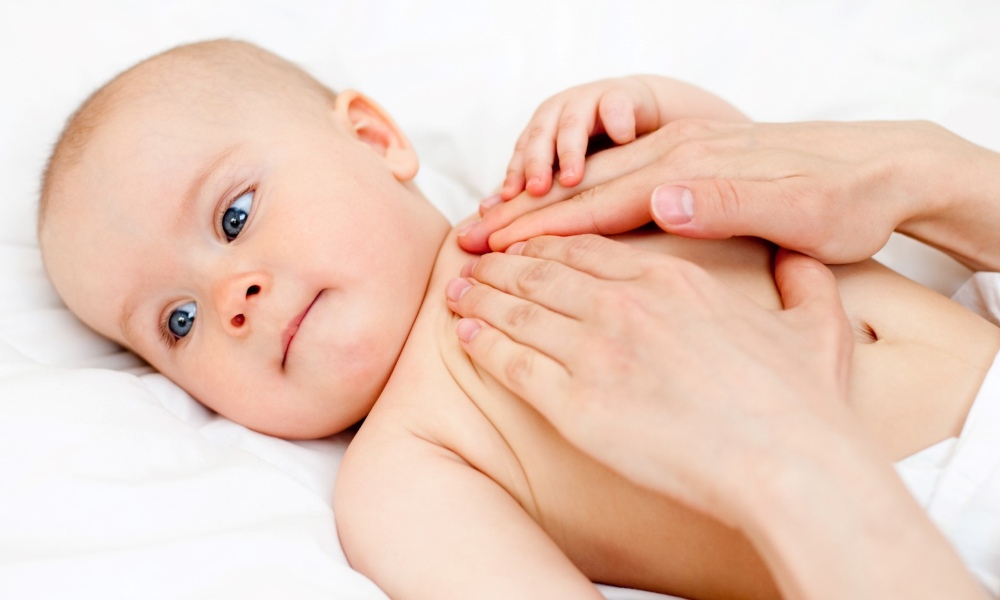
A baby’s skin is a marvel of nature, soft, delicate, and incredibly sensitive. This pristine canvas, untouched by the world’s harsh elements, requires special care and attention. From the moment your little one enters the world, their skin becomes a focal point of your nurturing instincts, demanding gentle touches and carefully chosen products.
Yet, caring for baby skin can feel like navigating a minefield of conflicting advice and endless product options. What works for one infant might irritate another, leaving parents puzzled and concerned. The quest for the perfect skincare routine becomes a journey of trial and error, often accompanied by worry over every red patch or dry spot.
We’ll explore ten essential tips for protecting and nurturing your baby’s sensitive skin. These guidelines, rooted in pediatric dermatology and real-world parenting experience, offer a roadmap for maintaining your little one’s skin health. From daily cleansing routines to addressing common skin concerns, we’ll equip you with the knowledge to make informed decisions about your baby’s skincare needs.
Understanding Baby Skin
Before diving into specific care tips, it’s crucial to understand what makes baby skin unique and why it requires special attention.
The Unique Characteristics of Baby Skin
A newborn’s skin differs significantly from adult skin in several key ways:
- Thickness: Baby skin is about 20-30% thinner than adult skin. This makes it more delicate and prone to irritation.
- pH Balance: While adult skin is slightly acidic (pH 5.5-6.5), a newborn’s skin pH is closer to neutral (pH 6.5-7.5). This higher pH makes baby skin more vulnerable to bacterial growth and dryness.
- Moisture Retention: Infant skin loses moisture more quickly than adult skin, making it prone to dryness and irritation.
- Oil Production: Babies’ sebaceous glands are less active, producing less natural oil to protect the skin.
These characteristics make baby skin more susceptible to environmental factors, irritants, and moisture loss. Understanding these differences is key to providing appropriate care.
Common Baby Skin Concerns
Several skin issues are common in babies due to their sensitive skin:
- Diaper Rash: Caused by prolonged exposure to wet or soiled diapers, this irritation affects many babies at some point.
- Cradle Cap: This scaly, greasy patch on a baby’s scalp is common in the first few months of life.
- Eczema: Characterized by dry, itchy, red patches, eczema is more common in babies with a family history of allergies or asthma.
- Baby Acne: Small red or white bumps on a baby’s face, typically appearing in the first few weeks of life.
Recognizing these common issues can help you address them promptly and effectively.
10 Essential Tips for Baby Skin Care
Now that we understand the unique nature of baby skin, let’s explore ten key tips for keeping your little one’s skin healthy and protected.
1. Gentle Cleansing
Bathing your baby requires a delicate touch and the right approach. Newborns don’t need daily baths; 2-3 times a week is usually sufficient, with spot cleaning as needed. Use lukewarm water (around 100°F or 38°C) to avoid drying out the skin. Choose mild, fragrance-free cleansers specifically designed for baby skin. Avoid adult soaps or bubble baths, which can be too harsh and strip away natural oils.
When washing, use soft washcloths or your hands to gently cleanse, paying special attention to creases and folds where moisture can accumulate. Remember, over-bathing can lead to dryness and irritation, so keep bath time short – about 5-10 minutes is ideal.
2. Moisturizing
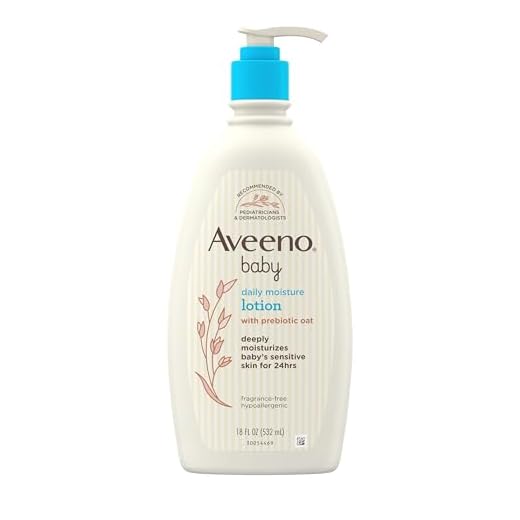
Keeping your baby’s skin hydrated is crucial for maintaining its protective barrier. Apply moisturizer immediately after bathing, while the skin is still damp, to lock in moisture. Opt for hypoallergenic, fragrance-free moisturizers. For very dry skin, thick creams or ointments are often more effective than lotions.
Moisturize daily, especially in dry climates or during winter months when indoor heating can dry out the skin. Pay special attention to areas prone to dryness, such as elbows, knees, and cheeks. If your baby has particularly dry or sensitive skin, you might need to moisturize more than once a day. Always patch-test new products on a small area first to check for any reactions.
3. Diaper Area Care
The diaper area requires special attention to prevent rash and irritation. Change diapers promptly when wet or soiled to minimize skin exposure to moisture and irritants. Use warm water and a soft cloth or hypoallergenic wipes for cleaning. For girls, always wipe from front to back to prevent urinary tract infections. Let the area air dry completely before putting on a new diaper you can gently fan the area with the clean diaper before putting it on.
Apply a thin layer of zinc oxide-based cream to protect the skin from moisture. If you notice any signs of diaper rash, increase the frequency of diaper changes and consider using a more protective barrier cream.
4. Sun Protection
Protecting your baby’s delicate skin from harmful UV rays is crucial. For babies under 6 months, it’s best to keep them out of direct sunlight altogether. Use stroller canopies, and umbrellas, or seek shade when outdoors. Dress your baby in lightweight, long-sleeved clothing and wide-brimmed hats for added protection.
For babies over 6 months, use a broad-spectrum, baby-specific sunscreen with at least SPF 30. Apply sunscreen 15-30 minutes before sun exposure and reapply every 2 hours or after swimming or excessive sweating. Be extra cautious during peak sun hours, typically between 10 am and 4 pm.
5. Choosing the Right Fabrics
The fabrics that come into contact with your baby’s skin can significantly impact its health. Opt for soft, breathable fabrics like cotton, which allow air circulation and are less likely to irritate sensitive skin. Always wash new clothes before putting them on your baby to remove any residual chemicals or irritants from the manufacturing process.
Use mild, fragrance-free detergents designed for sensitive skin, and avoid fabric softeners or dryer sheets which can leave irritating residues. Rinse clothes thoroughly to remove all soap residue. For bedding, choose soft, breathable materials and change them regularly to maintain a clean sleeping environment.
6. Managing Dry Skin
Dry skin is common in babies, but there are several ways to manage it effectively. Use a cool-mist humidifier in your baby’s room to add moisture to the air, especially during dry winter months or in air-conditioned environments. When bathing, use lukewarm water rather than hot, as hot water can strip natural oils from the skin.
Keep baths short, around 5-10 minutes, to prevent excessive drying of the skin. After bathing, pat your baby’s skin dry instead of rubbing, which can irritate dry skin. Apply a gentle, hypoallergenic moisturizer while the skin is still damp to lock in hydration. For persistent dry patches, you might need to moisturize these areas more frequently throughout the day.
7. Addressing Common Skin Conditions
Many babies experience common skin conditions that can be managed at home. For the cradle cap, gently massage a small amount of baby oil or coconut oil into the scalp, leave for a few minutes, then use a soft brush to remove flakes. Follow up with a mild baby shampoo. Baby acne usually clears on its own; keep the area clean with water and mild soap, and avoid applying lotions or oils which can exacerbate the condition.
For eczema, moisturize frequently with fragrance-free emollients and avoid known triggers like certain fabrics or temperature extremes. If these conditions persist or worsen, or if you notice any signs of infection (redness, swelling, warmth), consult your pediatrician.
8. Nail Care
Baby nails grow surprisingly fast and can easily scratch their delicate skin. Trim or file your baby’s nails weekly to keep them short and smooth. Use baby nail scissors or clippers with rounded edges to prevent accidental cuts. The best time to trim nails is while your baby is sleeping or after a bath when nails are softer.
If you’re nervous about trimming, gently file nails instead. For very young babies, you might want to use mittens or socks on their hands while sleeping to prevent scratching. However, don’t use these for extended periods as babies need free movement of their hands for development.
9. Avoiding Irritants
Protect your baby’s skin by minimizing exposure to potential irritants. Choose fragrance-free products for skincare, laundry, and cleaning. Avoid using harsh chemicals, including fabric softeners or dryer sheets, on baby clothes or bedding. Be mindful of environmental irritants like pet dander, dust, or pollen, especially if your baby shows signs of sensitivity.
When introducing new products, do so one at a time and watch for any adverse reactions. Keep your baby’s environment clean but avoid over-sanitizing, as some exposure to normal household bacteria can be beneficial for developing a robust immune system.
10. When to Seek Professional Help
While many skin issues resolve on their own, some require medical attention. Consult your pediatrician if you notice persistent rashes that don’t improve with home care or spread to other areas. Signs of infection like redness, swelling, warmth, or pus need prompt medical attention. If eczema is severe or doesn’t respond to over-the-counter treatments, seek professional advice.
Any signs of an allergic reaction, such as sudden swelling, difficulty breathing, or widespread rash, require immediate medical care. Additionally, if you’re ever unsure about a skin condition or if your baby seems unusually uncomfortable, it’s always better to err on the side of caution and consult a healthcare professional.
FAQs
1. How often should I bathe my newborn?
Newborns don’t need daily baths. 2-3 times a week is usually sufficient, with spot cleaning as needed. Over-bathing can dry out their delicate skin. For the first few weeks, until the umbilical cord stump falls off, stick to sponge baths. After that, you can begin regular baths in a baby tub.
2. Is it safe to use baby powder on my infant?
The American Academy of Pediatrics (AAP) recommends against using baby powder due to the risk of inhalation, which can be harmful to a baby’s lungs. If you choose to use it, shake it onto your hand away from the baby, then apply it to the skin. Cornstarch-based powders are generally considered safer than talc-based ones.
3. Can I use adult skincare products on my baby?
It’s best to avoid using adult skincare products on babies. Their skin is much more sensitive and has different needs than adult skin. Adult products often contain fragrances, alcohol, and other ingredients that can irritate baby skin. Stick to products specifically formulated for infants, which are typically gentler and less likely to cause irritation.
4. How can I tell if my baby has sensitive skin?
Signs of sensitive skin in babies include frequent rashes, dry patches, redness, or irritation after using certain products. Your baby might also be more prone to diaper rash or react to changes in temperature or fabrics. If you notice these signs, it’s best to use hypoallergenic, fragrance-free products and consult with your pediatrician for personalized advice.
Final Thoughts
Caring for your baby’s skin is a journey of discovery, filled with tender moments and occasional challenges. Each soft touch and gentle application of lotion is an act of love, nurturing not just your baby’s skin but the bond between you. While the array of products and advice can seem overwhelming, the essence of baby skincare is simple: gentleness, consistency, and attentiveness.
Your baby’s skin will continue to develop and change over time, and so too might your approach to caring for it. What works perfectly in the newborn stage might need adjustment as your little one grows. Stay observant, trust your instincts, and don’t hesitate to seek advice from your pediatrician when you’re unsure.
Above all, remember that every baby is unique. What works for one might not work for another. Be patient with yourself as you learn what’s best for your little one. With time and care, you’ll develop a routine that keeps your baby’s skin healthy, protected, and as soft as the day they are born. Cherish these moments of care – they’re fleeting, precious, and fundamental to your baby’s well-being and your journey as a parent.
Shop Related Products