
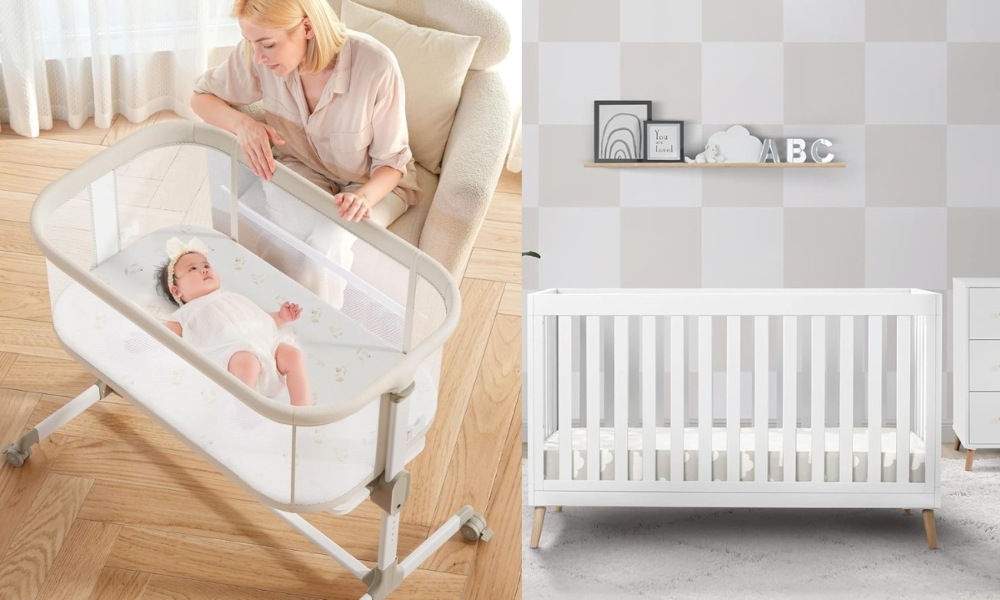
Welcoming a new little one into your home brings countless decisions, and choosing the perfect sleep space stands among the most crucial ones. Many parents find themselves navigating the choice between bassinets and cribs, each offering unique advantages for your growing family. With safety and comfort at the forefront of every parent’s mind, understanding these two options becomes essential for creating the ideal sleep environment.
The journey of parenthood often begins with seemingly simple choices that carry significant weight. Whether you’re expecting your first child or preparing for a new addition, the decision between a bassinet and crib impacts both your baby’s sleep quality and your daily routine. We’ve carefully researched and analyzed both options to help you make the best choice for your baby.
Creating a safe sleep environment requires thoughtful consideration of various factors, from space constraints to mobility needs. Your newborn will spend many hours sleeping, making this decision particularly important for their development and your peace of mind. Let’s explore the key differences, benefits, and considerations of bassinets and cribs to help you choose the perfect sleep solution.
What is a Bassinet?
A bassinet is a small, lightweight bed designed explicitly for infants, typically not exceeding a weight of about 15 to 20 pounds. These sleep spaces often feature a curved or oval design, aiming to cradle newborns snugly, mimicking the sense of security they felt in the womb. Many bassinets now come with additional features such as rocking capabilities, soothing sounds, or vibrations, all designed to help your little one relax and fall asleep more easily.
Bassinets generally stand low to the ground, making it easy for parents to reach in during nighttime feedings or comfort. The compact nature of a bassinet allows it to fit into tight spaces, making it an excellent choice for apartment dwellers or those looking for a temporary sleep solution that can be moved easily from room to room.
Benefits of Using a Bassinet
- Portability and Convenience: Bassinets are designed to be lightweight and often come with a handle, allowing parents to easily relocate them from room to room. This can be especially beneficial for nighttime feedings, as you can keep your baby close to your bed and gently soothe them back to sleep without requiring them to travel far.
- Ideal for Small Spaces: If you are short on space, a bassinet can be a perfect solution. Its petite design allows you to maintain a sense of mobility while still providing a dedicated sleep area for your baby. You can place it next to your bed, ensuring that your little one is sleeping in the same room as you, which studies have shown can contribute to safe sleep practices.
- Promotes Safe Sleep: The confined space of a bassinet can help promote safe sleeping positions for your baby. Many models come equipped with a firm mattress that fits snugly within the base, essential for preventing suffocation risks. It is critical to note that, to maintain a safe sleep environment, only a fitted sheet should cover the mattress, avoiding any blankets, pillows, or toys that could endanger your baby’s safety.
- Soothing Features: Many modern bassinets come equipped with features designed to soothe your baby. These may include calming vibrations, gentle rocking motions, or even built-in lullabies. Such options can create a comforting environment, encouraging your little one to drift off to sleep more effortlessly.
What is a Crib?
A crib is a larger, more permanent bed designed for infants and toddlers. Unlike a bassinet, cribs provide a spacious environment that allows babies more room to stretch and move as they grow. Most cribs come with adjustable mattress heights, allowing for customization based on your child’s developmental stages. Cribs feature vertical slats to ensure appropriate ventilation while also preventing infants from climbing out prematurely.
Cribs are often built with longevity in mind, meaning that they can accommodate your child from birth through toddlerhood. Some cribs even come with conversion features that allow them to transform into toddler beds, making them a significant investment for parents.
Benefits of Using a Crib
1. Longevity and Adaptability: One of the most significant advantages of a crib is its longevity. While a bassinet is suitable for only a few months, well-designed cribs can accommodate children for several years. As your baby transitions from a crib to a toddler bed, you can save money in the long run by avoiding the need for additional purchases. Some cribs even convert into twin beds, enhancing their adaptability.
2. More Room to Grow: As your baby develops and gains mobility, they will need ample space to move about when they are awake. Cribs offer enough room for babies to explore and practice rolling over, sitting up, or crawling, all critical milestones of early childhood development.
3. Strong and Secure: Cribs are built from sturdy materials designed to withstand the wear and tear of daily use. They typically have stricter safety regulations than bassinets, making them a reliable choice when it comes to ensuring your baby’s security. The standard cribs include features that prevent accidental falls and reduce the risk of entrapment.
4. Variety of Designs: Cribs come in various designs and finishes, allowing you to choose one that fits seamlessly into your nursery decor. With countless options ranging from classic wooden designs to modern, minimalist styles, you are bound to find a crib that complements your aesthetic while providing a functional sleeping space.
Key Differences Between Bassinets and Cribs
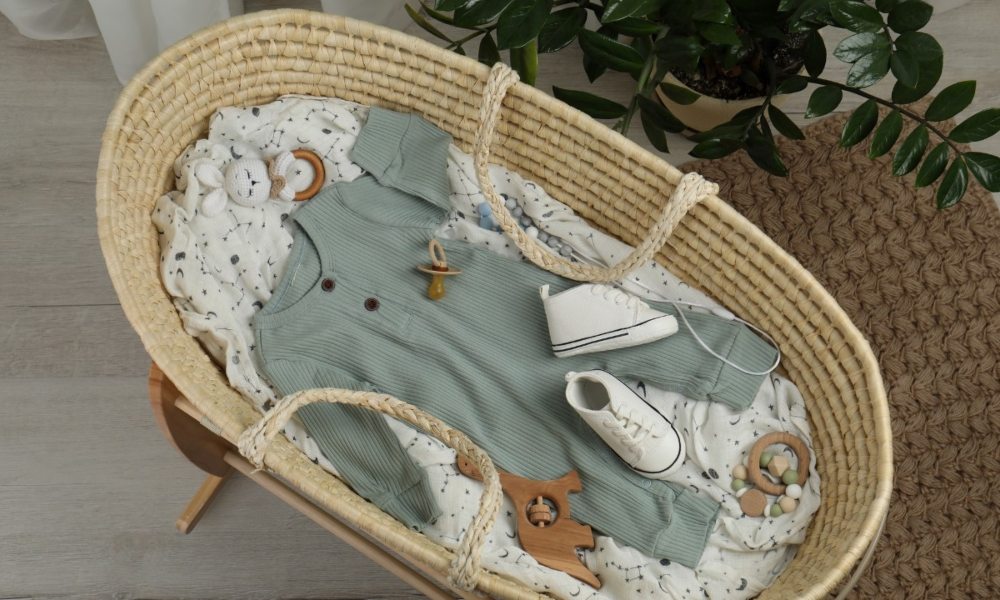
1. Size and Portability
The size and portability of bassinets and cribs are distinctly different. Bassinets are primarily designed for newborns and infants, making them significantly smaller and easier to transport. Their lightweight structure allows parents to move them easily from room to room and even take them on short trips. In contrast, cribs are larger, making them more of a permanent fixture in the nursery.
If your living arrangements require you to frequently move your baby, a bassinet may be the better option initially. However, if you envision a long-term sleeping solution that offers durability and room for your growing child, a crib should be your choice.
2. Age Appropriateness
Another crucial factor is how long your baby can use each bed type. Bassinets are usually suitable for infants up to 3 or 4 months of age or until they reach a certain weight limit, which can vary depending on the model. On the other hand, cribs are designed to accommodate children from birth to toddlerhood, seamlessly transitioning them through the various stages of early childhood with appropriate safety features.
Understanding the growth pattern of your child will help you assess which option is better for your family, whether you prefer an immediate solution or a long-term investment.
3. Safety Features
Safety is a paramount concern for every parent when it comes to choosing a sleep space for their baby. Both bassinets and cribs have unique safety features, but cribs tend to offer a higher level of security. Most modern cribs are built according to stringent safety standards, minimizing the risk of falls with stable railings and sturdy construction. When it comes to bassinet safety, it is essential to ensure that it has a flat, firm mattress, and does not include soft items that could pose suffocation risks.
Always follow the manufacturer’s guidelines to maintain safety while using either a bassinet or crib. Parents must also remain vigilant about their baby’s developmental milestones, keeping in mind that once a baby can roll over or push against the sides, it might be time to transition to a crib for safety.
4. Making the Right Choice for Your Baby
Deciding between a bassinet and a crib ultimately depends on your lifestyle, living situation, and personal preferences. If you value keeping your baby close during those sleep-deprived early days, a bassinet may be your ideal choice. With its portability and comforting features, it provides a cozy environment for your newborn.
Alternatively, if you’re considering the long-term implications of your choice and want a bed that your child will grow into, a crib offers longevity and ample room for exploration. It also sets the stage for healthy sleep habits, giving your child a safe space to develop their independence.
5. Combining Both Options
For many families, utilizing both a bassinet and a crib is the best approach. Parents may start their journey with a bassinet, allowing for easy accessibility and close proximity during nighttime feedings. Once your baby reaches the transition age or weight limit for the bassinet, moving them to a crib provides the necessary space for development.
This combination allows parents to enjoy the benefits of each option and cater to their baby’s evolving sleeping needs. Additionally, transitioning from a bassinet to a crib can help your little one acclimate to a new sleeping environment smoothly, setting the foundation for successful sleep routines down the line.
Frequently Asked Questions
1. Can my baby sleep safely in a bassinet overnight?
Yes, bassinets are designed for overnight sleep, provided they meet current safety standards and are properly assembled. Ensure the mattress fits snugly without gaps, use only the included bedding, and always place your baby on their back. Regular safety checks and proper weight limit adherence maintain a secure sleep environment for your infant.
2. When should we transition from bassinet to crib?
Transition timing varies based on your baby’s development, typically occurring between 4-6 months. Watch for signs like rolling over, pushing up, or reaching the weight limit. Begin the transition before these milestones to ensure a smooth adjustment period and maintain safe sleeping conditions throughout the change.
3. How long can my baby use a crib?
Most children use cribs until age 2-3 years, depending on their development and ability to climb. Many modern cribs convert to toddler beds, extending their usefulness. Monitor your child’s growth and climbing attempts to determine the right time for transitioning to a bigger bed setup.
4. What’s more cost-effective: a bassinet or a crib?
While bassinets cost less initially, cribs often provide better long-term value, especially convertible models that adapt to your growing child. Consider your budget alongside factors like space constraints and planned usage duration when making this investment decision for your family.
5. Should we get both a bassinet and a crib?
Having both options can be beneficial, particularly for families wanting close proximity during the early months while maintaining a permanent sleep space. Consider your living arrangement, budget, and daily routine when deciding if dual sleep solutions best serve your family’s needs.
Final Thoughts
Your baby’s sleep environment significantly influences both their safety and your daily parenting experience. Both bassinets and cribs serve valuable purposes, offering distinct advantages for different stages of infant development. The choice depends heavily on your specific circumstances, space availability, and long-term plans.
Each option brings unique benefits to the table – bassinets excel in portability and early infant care, while cribs provide enduring stability and growth accommodation. Your decision should reflect your family’s needs, living situation, and comfort level with various sleep arrangements.
The perfect sleep solution balances safety, convenience, and practicality for your unique situation. Whichever option you choose, ensuring proper assembly, regular safety checks and adherence to manufacturer guidelines creates an optimal sleep environment for your growing child.
Shop Related Products


