Choosing the right baby gear can make a world of difference for both parents and their little ones. Among the many options available, baby bouncers and swings stand out as two of the most popular soothing solutions. Both are designed to provide comfort and entertainment for babies, offering a safe space to relax while giving parents a much-needed break. However, deciding between a baby bouncer and a swing can be challenging, as they each come with unique features, benefits, and limitations. Understanding the differences between these two options is crucial to finding the perfect fit for your baby’s needs and your lifestyle.
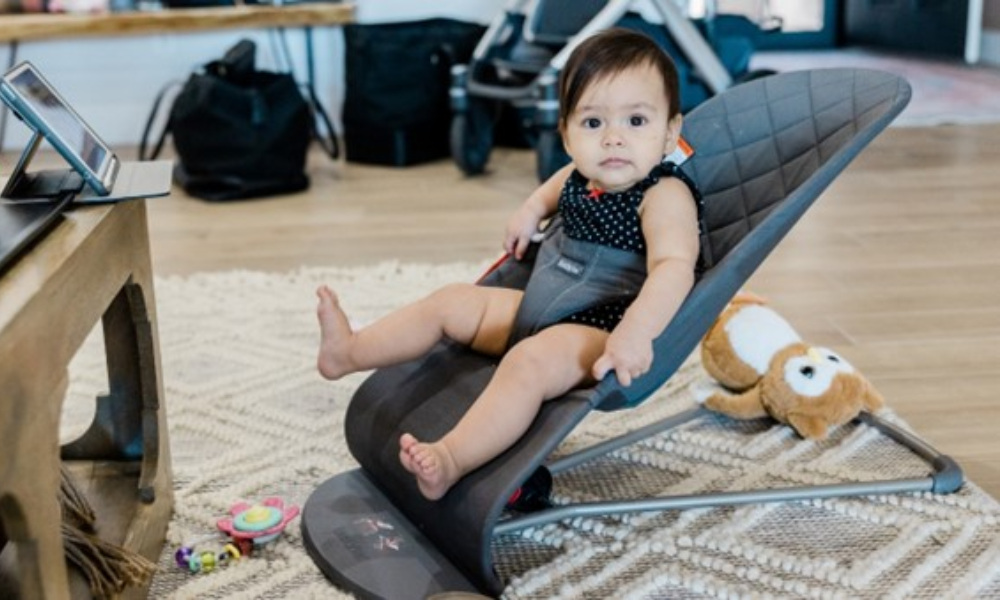
A baby bouncer is typically lightweight and portable, making it easy to move around your home or take with you on the go. It offers gentle, manual bouncing motions that can calm fussy babies and keep them entertained. On the other hand, a baby swing is usually larger and comes with automated swinging motions, along with additional features like music, vibration settings, and toy attachments. These swings can often be a lifesaver for parents dealing with restless babies. This guide compares the pros and cons of baby bouncers and swings to help you make an informed decision for your family in 2026.
Understanding Baby Bouncers: The Basics
Baby bouncers have been a popular choice for parents for decades, offering a simple yet effective way to keep babies entertained and soothed. But what exactly is a baby bouncer, and how does it work?
What is a Baby Bouncer?
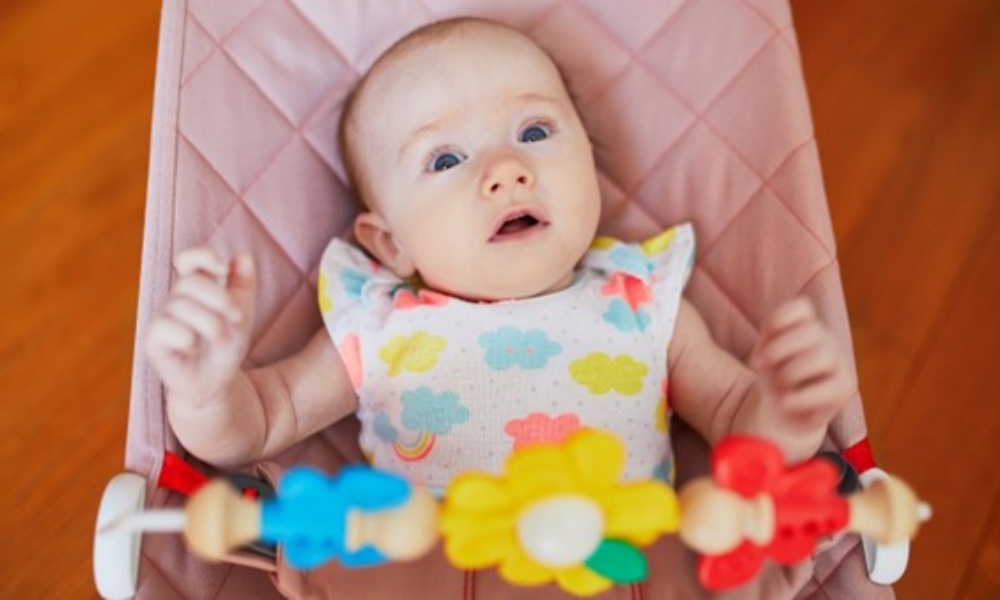
A baby bouncer is a seat designed for infants that allows for a gentle bouncing motion. Typically, it consists of a frame with a fabric seat suspended from it. The seat is usually slightly reclined and designed to respond to a baby’s movements or a parent’s gentle push, creating a soothing bouncing motion.
Most baby bouncers are designed for use from birth until your little one can sit up unassisted, usually around 6 months of age. However, always check the manufacturer’s guidelines for specific age and weight limits.
How Baby Bouncers Work
The beauty of a baby bouncer lies in its simplicity. The bouncing motion is usually created by the baby’s own movements or a gentle push from a parent. As your newborn kicks or wiggles, the seat responds with a gentle bounce. This interactive element can be both entertaining and soothing for babies.
Many modern bouncers also come with additional features such as vibration settings, toy bars, or even music players. These extras can provide additional stimulation and entertainment for your baby.
Benefits of Baby Bouncers
Baby bouncers offer several advantages that make them a popular choice among parents. Let’s explore some of these benefits in detail.
Compact and Portable
One of the main advantages of baby bouncers is their compact size and portability. Most bouncers are lightweight and easy to move from room to room, allowing you to keep your baby close by as you go about your daily tasks. This portability can be a real lifesaver when you need to cook dinner or take a quick shower.
Interactive and Entertaining
Baby bouncers encourage your little ones to interact with their environment. As they learn that their movements can create a bouncing motion, it helps develop their sense of cause and effect. Many bouncers also come with attached toys or mirrors, providing additional stimulation and entertainment.
Soothing for Babies
The gentle bouncing motion can be very soothing for many babies. It mimics the movement they experienced in the womb, which can help calm fussy infants. Some parents find that a bouncer can be particularly helpful during the “witching hour” when babies tend to be more irritable.
Hands-Free Option for Parents
While it’s important not to leave your baby in a bouncer for extended periods, they can provide a safe spot for your baby when you need to be hands-free for a short time. This can be invaluable when you need to accomplish tasks around the house.
Potential Drawbacks of Baby Bouncers
While baby bouncers offer many benefits, there are also some potential drawbacks to consider.
Limited Age Range
Baby bouncers typically have a shorter usable lifespan compared to some other baby gear. Most are only suitable until your baby can sit up unassisted, which usually happens around 6 months of age. After this point, the bouncer may no longer be safe to use.
Less Varied Motion
Compared to baby swings, bouncers offer a more limited range of motion. While some babies find the bouncing motion soothing, others may prefer the varied movements that a swing can provide.
Understanding Baby Swings: The Basics
Baby swings have evolved significantly over the years, becoming a staple in many homes with infants. But what exactly is a baby swing, and how does it differ from a bouncer?
What is a Baby Swing?
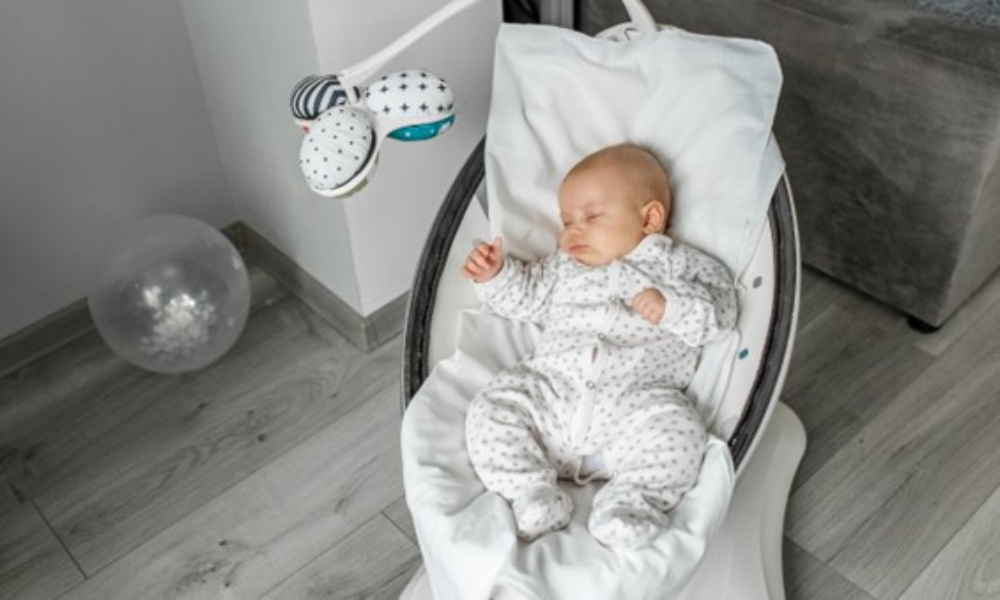
A baby swing is a piece of baby gear designed to mimic the soothing rocking motion that many babies find comforting. Unlike a bouncer, a baby swing is powered, usually by batteries or an electrical outlet, allowing for continuous motion without input from the baby or parent.
Baby swings typically have a wider age range than bouncers, with many models suitable from birth up to around 6-8 months, or until your baby reaches the swing’s weight limit or can sit up unassisted.
How Baby Swings Work
Baby swings use a motor to create a swinging or rocking motion. Most modern swings offer multiple speed settings and sometimes different motion patterns (such as side-to-side or front-to-back). This allows you to find the perfect motion to soothe your baby.
Many baby swings also come with additional features such as music players, nature sounds, and detachable toy bars. Some high-end models even offer connectivity with smartphone apps for remote control and customization.
Benefits of Baby Swings
Baby swings offer several unique advantages that make them a popular choice for many parents. Let’s explore these benefits in more detail.
Hands-Free Soothing
One of the biggest advantages of a baby swing is its ability to provide continuous soothing motion without requiring constant attention from a parent. This can be a real lifesaver during those times when your baby is fussy but you need to attend to other tasks.
Variety of Motions
Many modern baby swings offer a range of motion options. From gentle side-to-side swinging to more vigorous front-to-back motions, you can often find a setting that best suits your baby’s preferences. This versatility can be particularly helpful as your baby’s needs and preferences change over time.
Longer Period of Use
Compared to bouncers, baby swings typically have a longer usable lifespan. Many swings can be used from birth until your baby reaches around 25-30 pounds or can sit up unassisted, whichever comes first. This extended period of use can make swings a more cost-effective option for some families.
Additional Features
Many baby swings come with a host of additional features designed to entertain and soothe your baby. These can include built-in music players, nature sounds, adjustable recline positions, and detachable toy bars. Some high-end models even offer connectivity with smartphone apps, allowing you to control settings remotely.
Potential Drawbacks of Baby Swings
While baby swings offer many benefits, there are also some potential drawbacks to consider.
Size and Portability
One of the main drawbacks of baby swings is their size. Most swings are significantly larger than bouncers, which can be an issue if you have limited space in your home. They’re also generally less portable, making them less convenient for moving from room to room or taking on trips.
Cost
Baby swings, especially those with advanced features, tend to be more expensive than basic baby bouncers. While the extended period of use can offset this cost for some families, it’s still an important factor to consider when making your decision.
Risk of Over-Reliance
While baby swings can be a wonderful tool for soothing fussy babies, there’s a potential risk of over-reliance. It’s important to remember that swings should not be used for extended periods or for overnight sleep, as this can pose safety risks.
Safety Considerations: Bouncers vs Swings
When it comes to any baby product, safety should always be the top priority. Both baby bouncers and swings have specific safety considerations that parents should be aware of.
Safety in Baby Bouncers
Baby bouncers are generally considered safe when used properly, but there are some important guidelines to follow:
- Always use the safety harness provided with the bouncer.
- Never place the bouncer on an elevated surface like a table or countertop.
- Don’t leave your baby unattended in the bouncer.
- Stop using the bouncer once your baby can sit up unassisted or reaches the weight limit.
It’s also important to ensure that the bouncer has a wide, sturdy base to prevent tipping.
Safety in Baby Swings
Baby swings also come with their own set of safety considerations:
- Always use the safety harness and ensure it’s properly adjusted.
- Make sure the swing is on a level surface to prevent tipping.
- Don’t let your baby sleep in the swing for extended periods.
- Stop using the swing once your baby can sit up unassisted or reaches the weight limit.
Additionally, it’s crucial to follow the manufacturer’s guidelines for assembly and use, as improper setup can lead to safety issues.
General Safety Tips
Regardless of whether you choose a bouncer or a swing, there are some general safety tips to keep in mind:
- Always supervise your baby when they’re in the bouncer or swing.
- Don’t use these products for extended periods – limit use to 30 minutes at a time.
- Ensure that the product meets current safety standards.
- Check regularly for any signs of wear and tear, and discontinue use if you notice any damage.
Remember, while bouncers and swings can be valuable tools for soothing and entertaining your baby, they should never be used as a substitute for a safe sleep environment like a crib or bassinet.
So What’s Best, Baby Bouncer or Swing?
Deciding between a baby bouncer and a swing ultimately comes down to your specific needs, preferences, and lifestyle. Here are some factors to consider when making your decision:
Space Considerations
If you have limited space in your home, a baby bouncer might be the better choice due to its compact size and portability. However, if space isn’t an issue and you’re looking for a more feature-rich option, a swing could be a good fit.
Budget
Baby bouncers are generally less expensive than swings, making them a more budget-friendly option. However, if you’re willing to invest more for additional features and potentially longer use, a swing might be worth the extra cost.
Your Baby’s Preferences
Every baby is different, and what soothes one might not work for another. Some babies prefer the gentle bouncing motion of a bouncer, while others might find the rhythmic swinging of a swing more soothing. If possible, try to test both options before making a purchase.
Your Lifestyle
Consider your daily routine and how a bouncer or swing might fit into it. If you move around the house a lot during the day, a portable bouncer might be more convenient. If you’re looking for a stationary spot where your baby can be soothed for longer periods, a swing might be the better choice.
Age and Development
Think about how long you plan to use the product. Bouncers typically have a shorter lifespan of use compared to swings. If you’re looking for a product that will grow with your baby for a longer period, a swing might offer more value.
FAQs
1. Are baby bouncers or swings safe for newborns?
Both baby bouncers and swings can be safe for newborns when used properly and according to manufacturer guidelines. Always ensure the product is appropriate for your baby’s age and weight, use the safety harness, and supervise your baby at all times. For newborns, look for models with adequate head and neck support. Remember that neither bouncers nor swings are suitable for prolonged sleep.
2. How long can my baby use a bouncer or swing each day?
It’s recommended to limit the use of both bouncers and swings to 30 minutes at a time, up to a maximum of 1-2 hours per day. Prolonged use can potentially impact your baby’s development and may increase the risk of flat head syndrome. Always follow the “awake and supervised” rule when your baby is in a bouncer or swing, and alternate with other positions like tummy time.
3. Can my baby sleep in a bouncer or swing?
While babies may fall asleep in bouncers or swings, these are not safe sleep environments for extended periods or overnight sleep. The American Academy of Pediatrics recommends moving your baby to a flat, firm sleep surface (like a crib or bassinet) if they fall asleep in a bouncer or swing. This helps reduce the risk of Sudden Infant Death Syndrome (SIDS) and other sleep-related risks.
4. At what age should my baby stop using a bouncer or swing?
The age to stop using a bouncer or swing varies depending on your baby’s development and the specific product’s guidelines. Generally, you should stop using a bouncer once your baby can sit up unassisted or reaches the weight limit, usually around 6 months. For swings, this is typically when your baby can sit up or climb out, or reaches the weight limit, often around 8-9 months. Always refer to your product’s specific guidelines.
5. Are more expensive bouncers or swings worth the cost?
The value of a more expensive bouncer or swing depends on your specific needs and budget. Higher-priced models often offer additional features like multiple motion settings, music, remote controls, or longer battery life. They may also use higher-quality materials for improved durability. However, a basic model can still effectively soothe your baby. Consider how often you’ll use the product, for how long, and which features are most important to you when deciding if a pricier model is worth the investment.
Final Thoughts
The choice between a baby bouncer and a swing is a personal one that depends on various factors including your living space, budget, and your baby’s individual preferences. Both options offer unique benefits that can make life with a newborn a little easier.
Baby bouncers shine in their simplicity, portability, and ability to encourage interactive play. They’re often more budget-friendly and can be a great choice for families with limited space or those who move around the house frequently. On the other hand, baby swings offer a wider range of motions, often come with more features, and typically have a longer period of use. They can be particularly helpful for parents looking for hands-free soothing options.
Regardless of which option you choose, remember that both bouncers and swings are tools to complement your care, not replace it. The most important thing is the love, attention, and interaction you provide your little one. Whether it’s a gentle bounce or a soothing swing, the best soother for your baby in 2026 is the one that works for your unique family situation and brings comfort to your precious little one.
Shop Related Products