Caring for our feline friends involves more than just feeding and cuddling. Keeping them clean is an essential part of their overall health and well-being. As pet parents, we often find ourselves wondering about the best grooming practices for our cats. One question that frequently arises is whether baby wipes are safe to use on our feline companions.
Many of us have baby wipes readily available in our homes, and it’s tempting to reach for them when our cats need a quick clean-up. They’re convenient, gentle, and seem like a perfect solution for those minor messes. However, before we start using these household staples on our furry friends, it’s crucial to understand the potential risks and benefits.
In this blog post, we’ll explore the topic of using baby wipes on cats in depth. We’ll discuss the differences between baby wipes and pet-specific wipes, examine the potential risks associated with using baby wipes on cats, and provide you with safe alternatives for keeping your feline friend clean and fresh. By the end, you’ll have a clear understanding of whether baby wipes are a suitable option for your cat’s grooming routine.
The Difference Between Baby Wipes and Pet Wipes
When it comes to cleaning our beloved cats, it’s essential to understand that not all wipes are created equal. Baby wipes and pet wipes may seem similar at first glance, but they’re designed for very different purposes and have distinct formulations.
Ingredients and Formulation
Baby wipes are specifically formulated for human infants’ sensitive skin. They often contain gentle cleansing agents, moisturizers, and fragrances that are safe for human use. However, these ingredients may not be suitable for cats. Some common ingredients in baby wipes, such as propylene glycol and certain essential oils, can be harmful or irritating to cats if ingested or absorbed through their skin.
On the other hand, pet wipes are made specifically for use on animals. These wipes safe for pets are formulated with ingredients that are non-toxic and safe for cats and dogs. They often contain mild, pet-friendly cleansers and may be enriched with conditioners or deodorizers that are beneficial for your cat’s skin and coat.
pH Balance
One crucial difference between baby wipes and pet wipes lies in their pH balance. Human skin has a pH level that ranges from 5.5 to 6.5, which is slightly acidic. Baby wipes are designed to maintain this pH balance. However, cats have a more alkaline skin pH, typically ranging from 6.4 to 7.4. Pet wipes are formulated to match this higher pH level, ensuring they don’t disrupt your cat’s natural skin barrier.
Texture and Durability
The texture of baby wipes and pet wipes can also differ significantly. Baby wipes are often softer and more delicate to accommodate an infant’s sensitive skin. Pet wipes, however, are usually more durable and textured to effectively remove dirt, debris, and loose fur from your cat’s coat.
Potential Risks of Using Baby Wipes on Cats
While baby wipes may seem like a convenient solution for cleaning your cat, using them can pose several risks to your feline friend’s health and well-being.
1. Skin Irritation and Allergic Reactions
The ingredients in baby wipes that are safe for human skin may cause irritation or allergic reactions in cats. Fragrances, alcohols, and preservatives commonly found in baby wipes can lead to redness, itching, or even more severe skin problems in cats. Their sensitive skin may react negatively to these substances, causing discomfort and potential health issues.
2. Disruption of Natural Oils
Cats have natural oils in their skin and coat that help maintain a healthy pH balance and protect against bacteria and parasites. Baby wipes can strip away these essential oils, leaving your cat’s skin dry and vulnerable to infections. This disruption of the natural balance can lead to skin problems and an increased risk of bacterial or fungal growth.
3. Ingestion Risks
Cats are meticulous groomers and will often lick themselves clean after being wiped down. If you’ve used a baby wipe on your cat, they may ingest the residual chemicals left on their fur. Some ingredients in baby wipes can be toxic to cats when ingested, potentially leading to digestive issues, vomiting, or more severe health problems.
4. Eye and Ear Irritation
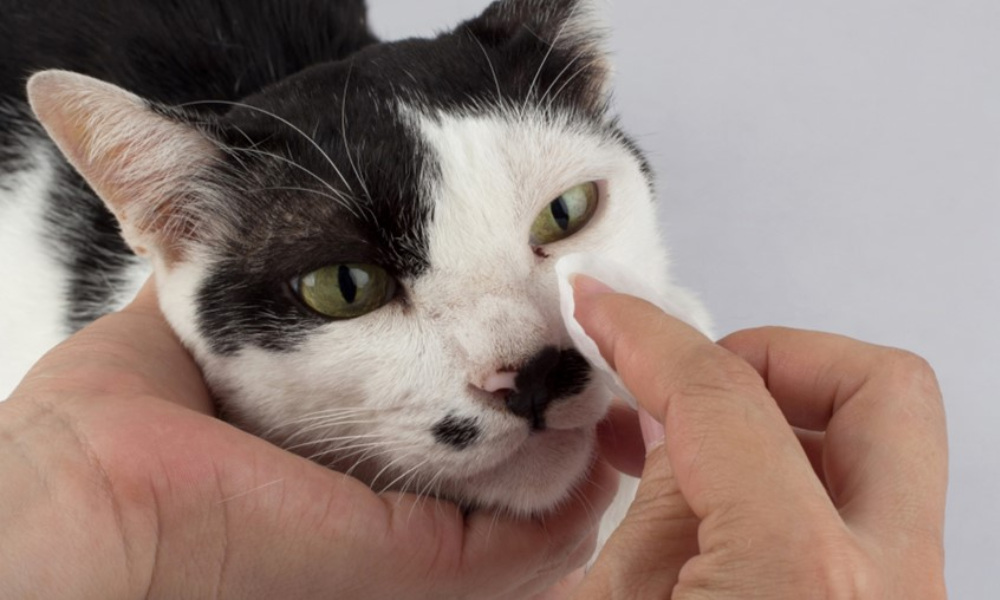
Using baby wipes near your cat’s eyes or ears can be particularly dangerous. The sensitive tissues in these areas are easily irritated by the chemicals in baby wipes. This can lead to redness, swelling, or even infections if the wipes come into contact with these delicate areas.
5. Long-term Health Concerns
Regular use of baby wipes on your cat can lead to chronic skin issues and other health problems over time. The cumulative effect of exposure to inappropriate chemicals and disruption of the skin’s natural balance can weaken your cat’s immune system and make them more susceptible to various health issues.
Safe Alternatives for Cleaning Your Cat
While baby wipes may not be the best choice for cleaning your cat, there are several safe and effective alternatives available. These options will help you keep your feline friend clean without risking their health.
1. Cat-Specific Wipes
The safest and most convenient option for quick clean-ups is to use pet wipes made specifically for cats. These cat wipes are formulated with feline-friendly ingredients and are designed to maintain the proper pH balance of your cat’s skin. They’re effective at removing dirt, debris, and minor messes while being gentle on your cat’s coat and skin.
2. Damp Cloth or Washcloth
For a simple and cost-effective solution, a soft cloth dampened with warm water can be an excellent tool for cleaning your cat. This method is particularly useful for spot cleaning and is free from any potentially harmful chemicals. Be sure to use a clean cloth each time to avoid spreading bacteria.
3. Waterless Cat Shampoo
Waterless or dry cat shampoos are another great option for cleaning your cat without the need for a full bath. These products come in spray or foam formulations and are designed to be applied to your cat’s fur, worked in, and then brushed or toweled off. They’re especially useful for cats who dislike water or for quick freshening up between baths.
4. Grooming Wipes for Cats
Specialized grooming wipes for cats are available that go beyond basic cleaning. These wipes often contain ingredients that help condition your cat’s coat, reduce shedding, or address specific skin issues. They’re a great option for regular grooming sessions and can help maintain your cat’s overall skin and coat health.
When and How to Clean Your Cat
Understanding when and how to clean your cat is crucial for maintaining their health and hygiene without causing undue stress. Here are some guidelines to help you establish a good cleaning routine for your feline friend.
Regular Grooming
Most cats are excellent self-groomers, but they can benefit from regular brushing sessions. Aim to brush your cat’s coat at least a few times a week, or daily for long-haired breeds. This helps remove loose fur, prevent matting, and distribute natural oils throughout their coat. It’s also an excellent opportunity to bond with your cat and check for any skin issues or abnormalities.
Spot Cleaning
There will be times when your cat needs a quick clean-up, such as after eating messy food or stepping in something dirty. In these cases, use a pet-safe wipe or a damp cloth to gently clean the affected area. Be sure to dry the area thoroughly afterward to prevent skin irritation.
Paw Cleaning
Cats that go outdoors may need their paws cleaned more frequently. Use a damp cloth or pet wipe to clean between the paw pads and around the nails. This is especially important during wet or muddy weather to prevent your cat from tracking dirt into the house and to check for any injuries or foreign objects stuck in their paws.
Eye and Ear Cleaning
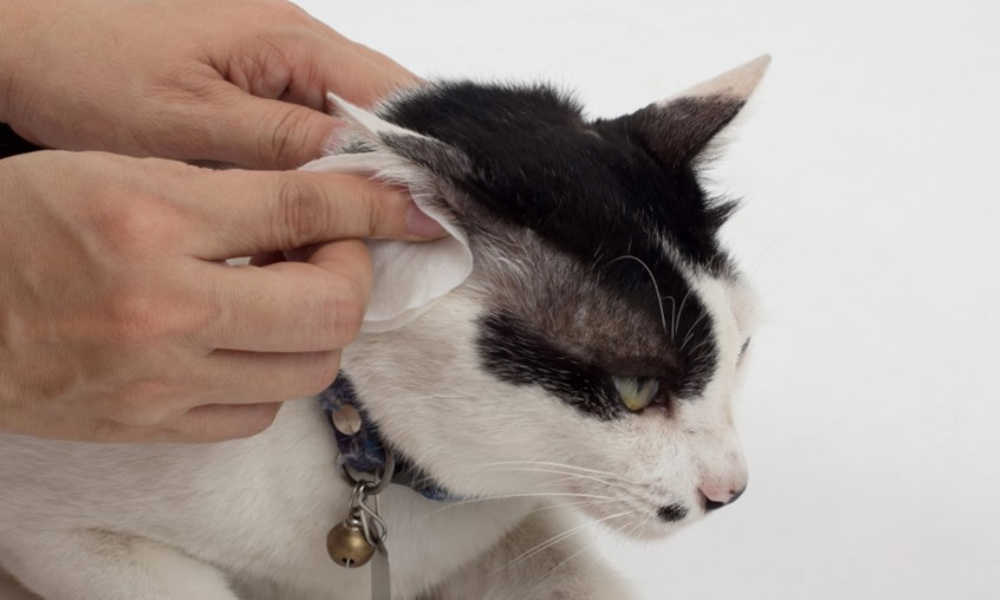
Some cats are prone to eye discharge or ear wax buildup. For eye cleaning, use a soft, damp cloth to gently wipe away any discharge from the corners of the eyes. For ear cleaning, consult with your veterinarian for proper techniques and use only cat-specific ear cleaners.
Full Baths
Most cats rarely need full baths unless they’ve gotten into something particularly messy or have a medical condition that requires bathing. If you do need to bathe your cat, use lukewarm water and cat-specific shampoo. Support your cat’s body in the water, work the shampoo gently through their fur, and rinse thoroughly. Dry your cat with a warm towel and keep them in a warm room until their coat is completely dry.
Choosing the Right Products for Your Cat
Selecting the appropriate cleaning products for your cat is crucial for their health and well-being. Here’s what you need to consider when choosing grooming products for your feline friend.
Understanding Your Cat’s Needs
Every cat is unique, and their grooming needs can vary based on factors such as coat type, skin sensitivity, and overall health. Take the time to observe your cat and consult with your veterinarian to determine what specific grooming requirements your cat may have.
Reading Labels Carefully
When selecting any product for your cat, whether it’s wipes, shampoo, or other grooming tools, always read the labels carefully. Look for products that are specifically formulated for cats and avoid those containing harsh chemicals, artificial fragrances, or known irritants.
Hypoallergenic Options
If your cat has sensitive skin or is prone to allergies, consider hypoallergenic grooming products. These are formulated to minimize the risk of allergic reactions and are often gentler on your cat’s skin and coat.
Natural and Organic Products
Many pet owners prefer natural or organic grooming products for their cats. These products often contain fewer synthetic ingredients and may be less likely to cause irritation. However, it’s important to note that “natural” doesn’t always mean safe for cats, so still check the ingredient list carefully.
pH-Balanced Formulas
Look for grooming products that are pH-balanced for cats. As mentioned earlier, cats have a different skin pH than humans, so using products designed to maintain this balance is important for your cat’s skin health.
Avoiding Human Products
It’s crucial to avoid using human grooming products on your cat, including baby wipes, human shampoos, or other personal care items. These are not formulated for feline use and can cause serious health issues.
Consulting with Your Veterinarian
If you’re unsure about which products are best for your cat, don’t hesitate to consult with your veterinarian. They can provide recommendations based on your cat’s specific needs and health status.
FAQs
1. Are there any situations where using baby wipes on a cat might be okay?
While it’s generally not recommended, in an absolute emergency where no other options are available, a single use of an unscented baby wipe might be acceptable for a quick clean-up. However, it’s crucial to rinse the area with water afterward and monitor your cat for any adverse reactions. Always consult with your veterinarian if you have concerns.
2. How often should I clean my cat with wipes?
The frequency of cleaning depends on your cat’s lifestyle and needs. For most indoor cats, weekly spot cleaning with pet-safe wipes is sufficient. Outdoor cats or those with specific health issues may require more frequent cleaning. Always use pet-specific wipes and avoid over-cleaning, which can disrupt your cat’s natural oils and skin balance.
3. Can I make my own cat-safe cleaning wipes at home?
Yes, you can make DIY cat wipes at home. A simple solution of warm water and a small amount of cat-safe, fragrance-free soap can be used to dampen soft cloths or paper towels. However, it’s crucial to ensure all ingredients are safe for cats and to avoid any essential oils or other potentially harmful additives. Always consult with your veterinarian before using homemade solutions on your cat.
4. What should I do if my cat has an adverse reaction to a cleaning product?
If you notice any signs of irritation, such as redness, swelling, excessive scratching, or changes in behavior after using a cleaning product, rinse the affected area with lukewarm water immediately. If symptoms persist or worsen, contact your veterinarian promptly. It’s important to discontinue the use of the product and bring the packaging with you to the vet for reference.
Final Thoughts
Keeping our feline companions clean and healthy is a vital part of responsible pet ownership. While the convenience of baby wipes might be tempting, it’s clear that they’re not the best choice for our cats’ delicate skin and overall well-being. The risks associated with using baby wipes on cats far outweigh any potential benefits.
Instead, we should focus on using products specifically designed for feline care. Pet wipes, cat-specific shampoos, and other grooming tools formulated for cats are not only safer but also more effective in maintaining your cat’s coat and skin health. These products are tailored to meet the unique needs of our feline friends, ensuring that we can keep them clean without compromising their health.
Remember, every cat is unique, and what works for one may not work for another. Pay attention to your cat’s reactions to different grooming products and techniques, and don’t hesitate to consult with your veterinarian if you have any concerns. With the right approach and products, you can keep your cat clean, comfortable, and purring with contentment.
Shop Related Products