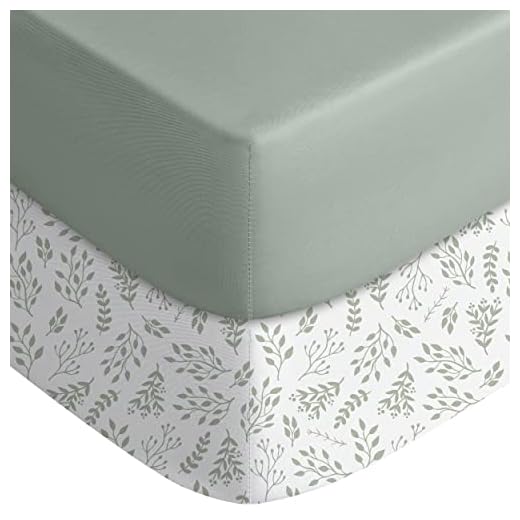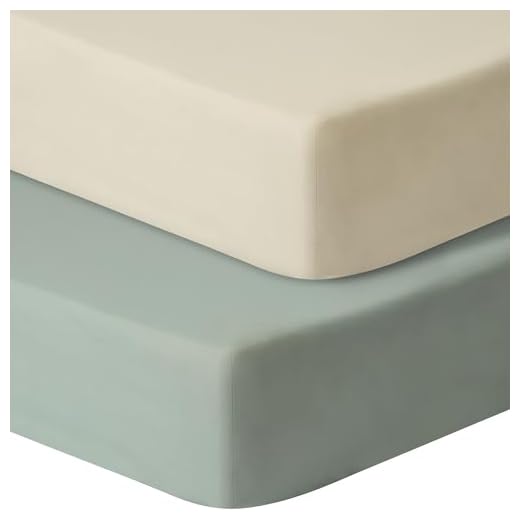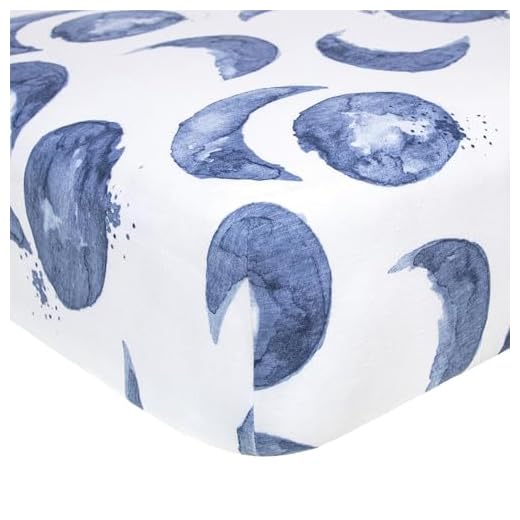
When it comes to creating a cozy and safe sleep environment for your little one, choosing the right crib sheet is crucial. As new parents, we often find ourselves overwhelmed by the myriad of options available in the market. From fitted crib sheets to various sizes and materials, the choices can be daunting. But fear not! In this comprehensive guide, we’ll walk you through everything you need to know about crib sheet sizes in 2025, to ensure your baby’s comfort and safety.
Crib sheets are designed to do more than just cover the mattress. They play a vital role in your baby’s sleep routine, providing a soft and secure surface for your little one to rest on. With the ever-evolving world of baby products, staying up-to-date with the latest trends and safety standards is essential. We’ll explore the different types of cribs, from standard to mini cribs, and help you find the perfect sheet size for each.
So, whether you’re a first-time parent or looking to upgrade your baby’s bedding, this guide is your go-to resource for all things crib sheet-related. Let’s dive in and discover how to choose the ideal crib sheet size that will keep your baby comfortable and snug throughout the night.
Understanding Crib Sheet Sizes
Before we delve into the specifics of crib sheet sizes, it’s important to understand that there isn’t a one-size-fits-all solution. The size of your crib sheet will depend on the type and dimensions of your crib mattress. In this section, we’ll break down the most common crib types and their corresponding sheet sizes to help you make an informed decision.
Standard Crib Sheet Size
The standard crib is the most common type found in nurseries across the United States. These cribs typically accommodate mattresses measuring 52 inches long by 28 inches wide. When it comes to standard crib sheets, you’ll want to look for dimensions that fit these mattresses snugly. Most fitted crib sheets for standard cribs measure 52 inches in length and 28 inches in width, and have a height of 5 to 8 inches to account for mattress thickness.
It’s crucial to ensure that the sheet fits tightly around all corners of the mattress to prevent any loose fabric that could pose a safety risk to your baby. A well-fitted sheet not only looks neat but also stays in place during your baby’s movements throughout the night. When shopping for standard crib sheets, always check the product specifications to ensure they match your mattress dimensions.
Mini Crib Sheet Size
Mini cribs are becoming increasingly popular, especially for those with limited space or for use as a secondary sleep area. These cribs are smaller than standard cribs and require sheets tailored to their dimensions. Typical mini crib sheet sizes are 38 inches in length, 24 inches in width, and have a height of about 5 inches.
When shopping for mini crib sheets, it’s essential to double-check the measurements of your specific mini crib mattress, as there can be slight variations between brands. Some mini cribs may have unique dimensions, so it’s always best to measure your mattress before making a purchase. Keep in mind that using a standard crib sheet on a mini crib can result in excess fabric, which can be dangerous for your baby.
Portable Crib Sheet Size
Portable cribs, also known as pack ‘n plays or travel cribs, offer convenience for families on the go. These cribs often have unique shapes and sizes, which means finding the right sheet can be tricky. Common portable crib sheet dimensions range from 37 to 39 inches in length, 25 to 26 inches in width, and have a height of 2 to 3 inches.
Due to the variety of portable crib designs, it’s essential to measure your specific model before purchasing sheets. Some portable cribs may require specially designed sheets to ensure a proper fit. When selecting sheets for a portable crib, look for those specifically labeled for pack ‘n plays or travel cribs to ensure compatibility.
Factors Affecting Crib Sheet Fit
While knowing the general dimensions is helpful, several factors can affect how well a crib sheet fits your mattress. Let’s explore these to ensure you get the perfect fit for your baby’s crib.
Mattress Thickness
Crib mattresses can vary in thickness, typically ranging from 4 to 6 inches. This variation can impact how well a fitted sheet stays in place. When selecting a crib sheet, pay attention to the pocket depth – this is the part of the sheet that wraps around the sides of the mattress.
For thicker mattresses, look for deep-pocket sheets that can accommodate the extra height without pulling away from the corners. Conversely, if you have a thinner mattress, a standard pocket depth should suffice.
Material and Elasticity
The material of your crib sheet plays a significant role in how well it fits and stays in place. Sheets made from 100% cotton may shrink slightly after washing, which could affect the fit over time. On the other hand, sheets with elastic all around the edges tend to provide a more secure fit.
We recommend looking for sheets with high-quality elastic that maintains its stretch over multiple washes. This ensures a snug fit that won’t loosen during your baby’s movements throughout the night.
Shrinkage Allowance
When purchasing crib sheets, it’s wise to account for potential shrinkage, especially with natural fibers like cotton. Look for pre-shrunk sheets or consider buying sheets slightly larger than your mattress dimensions to allow for some shrinkage after washing.
A good rule of thumb is to allow for about 5% shrinkage. For a standard crib sheet, this means looking for initial dimensions of around:
- Length: 54.6 inches
- Width: 29.4 inches
This extra allowance can make a significant difference in maintaining a proper fit after multiple washes.
Measuring Your Crib Mattress for the Perfect Fit
To ensure you get the right size crib sheet, it’s crucial to measure your crib mattress accurately. This step is often overlooked, but it can make a significant difference in finding sheets that fit properly and safely. Here’s a detailed guide to help you get precise measurements:
- Start by removing any existing bedding from the mattress. This includes the current sheet, mattress pad, and any other accessories. You want to measure the bare mattress to get the most accurate dimensions.
- Using a tape measure, measure the length of the mattress from one end to the other. Place the tape measure at the center of one short end and extend it to the center of the opposite end. Make sure the tape measure is straight and not curved along the mattress surface. Record this measurement to the nearest inch or centimeter, depending on your preference.
- Next, measure the width of the mattress from side to side. Again, start at the center of one long side and extend the tape measure to the center of the opposite side. Ensure the tape measure is taut and straight for an accurate measurement.
- Now, measure the thickness of the mattress from top to bottom. Place one end of the tape measure on the surface where the mattress sits in the crib and extend it to the top surface of the mattress. This measurement is particularly important for ensuring the sheet’s pocket depth is appropriate.
- Take note of these measurements, rounding up to the nearest inch. It’s better to have a sheet that’s slightly too big rather than too small, as excess fabric can be tucked under the mattress.
With these measurements in hand, you’ll be well-equipped to find sheets that fit your crib mattress perfectly. Remember, a well-fitting sheet not only looks better but also provides a safer sleeping environment for your baby.
Choosing the Right Material for Your Crib Sheet
The material of your crib sheet plays a significant role in your baby’s comfort and the sheet’s durability. Let’s explore some popular materials and their benefits to help you make an informed decision.
Cotton
Cotton is a classic choice for crib sheets, prized for its softness and breathability. It’s an excellent option for regulating your baby’s body temperature, keeping them cool in summer and warm in winter.
Benefits of cotton crib sheets:
- Hypoallergenic, making it suitable for sensitive skin
- Highly absorbent, which helps keep your baby dry
- Easy to clean and becomes softer with each wash
When choosing cotton sheets, look for high-quality, long-staple cotton like Egyptian or Pima cotton for the best durability and softness.
Organic Cotton
For parents concerned about environmental impact and chemical exposure, organic cotton sheets are an excellent choice. These sheets are made from cotton grown without the use of harmful pesticides or synthetic fertilizers.
Advantages of organic cotton crib sheets:
- Free from harsh chemicals that could irritate your baby’s skin
- Environmentally friendly production process
- Often softer than conventional cotton due to the absence of chemical treatments
Bamboo
Bamboo sheets have gained popularity in recent years due to their exceptional softness and eco-friendly properties.
Bamboo crib sheets offer:
- Natural temperature regulation, keeping your baby comfortable all night
- Antimicrobial properties that help reduce odors and bacteria
- High moisture-wicking ability, ideal for babies who tend to sweat during sleep
Microfiber
Microfiber sheets are made from synthetic fibers and are known for their durability and resistance to wrinkles.
Benefits of microfiber crib sheets:
- Quick-drying properties
- Resist pilling and maintain their appearance after multiple washes
- Often more affordable than natural fiber options
When selecting microfiber sheets, opt for high-quality options to ensure they’re gentle on your baby’s skin.
Seasonal Considerations for Crib Sheet Selection
As the seasons change, so do your baby’s bedding needs. Choosing the right crib sheet for different times of the year can help ensure your little one stays comfortable throughout the night. In this section, we’ll explore how to select crib sheets that are suitable for various seasons and climates.
Summer Crib Sheets
During the warmer months, the focus should be on lightweight, breathable materials that help keep your baby cool. Light-colored sheets are preferable as they reflect heat rather than absorb it. Look for moisture-wicking fabrics like bamboo or lightweight cotton that can help manage any nighttime sweating. Breathable weaves that allow for air circulation are also crucial in maintaining a comfortable sleep temperature.
When selecting summer crib sheets, consider the thread count. While higher thread counts are often associated with luxury, they can actually trap heat and may be less comfortable in hot weather. For optimal breathability, aim for sheets with a thread count between 200-400. These sheets will still feel soft against your baby’s skin but won’t impede air flow.
Winter Crib Sheets
As the weather cools down, you’ll want to switch to sheets that provide warmth without overheating your baby. Flannel sheets are a popular choice for winter, offering extra coziness with their soft, brushed surface. The slight fuzziness of flannel traps air, creating an insulating layer that helps keep your baby warm.
Jersey knit cotton is another excellent option for colder months. These sheets are made from a stretchy, t-shirt-like material that provides both warmth and comfort. The flexibility of jersey knit also means these sheets tend to fit well and stay in place, even with a wiggly sleeper.
Year-Round Options
If you prefer not to switch sheets seasonally, or if you live in an area with relatively stable year-round temperatures, look for materials that perform well in various conditions. High-quality cotton sheets are a great all-season option as they naturally regulate temperature, keeping your baby cool in summer and warm in winter.
Bamboo sheets are another excellent year-round choice, known for their adaptability to different climates. They’re cool in summer and warm in winter, making them a versatile option for your baby’s crib.
Care and Maintenance of Crib Sheets
Proper care of your crib sheets not only extends their lifespan but also ensures they remain safe and comfortable for your baby. Let’s discuss some best practices for maintaining your crib sheets.
Washing Frequency
Babies can be messy, and their sheets often need frequent washing. As a general rule, we recommend washing crib sheets at least once a week. However, you should wash them immediately if they become soiled or wet.
Use a gentle, baby-safe detergent to avoid irritating your baby’s sensitive skin. It’s also a good idea to wash new sheets before first use to remove any manufacturing chemicals. Consider having multiple sets of sheets for easy rotation.
Washing Instructions
Always follow the care label on your crib sheets for the best results. Here are some general guidelines:
Wash in warm water (about 104°F or 40°C) to remove bacteria without damaging the fabric. Use the gentle cycle to prevent excessive wear on the sheets. Avoid using fabric softeners, which can reduce the sheet’s flame-resistant properties and may irritate your baby’s skin.
Drying and Storage
Proper drying and storage can help maintain the shape and fit of your crib sheets. Tumble dry on low heat to prevent shrinkage and maintain elasticity. Remove sheets promptly from the dryer to minimize wrinkles. Air drying is an excellent option for preserving fabric quality, especially for delicate materials.
Store sheets in a cool, dry place to prevent mildew growth. Fold or roll sheets neatly to minimize creases. Consider using breathable storage bags to protect sheets from dust.
FAQs
1. What is the standard size for a crib sheet?
The standard size for a crib sheet typically measures 52 inches in length by 28 inches in width, with a height of 5 to 8 inches to accommodate different mattress thicknesses. However, it’s always best to measure your specific crib mattress before purchasing sheets, as there can be slight variations between brands and models. Ensuring a proper fit is crucial for your baby’s safety and comfort during sleep.
2. How often should I change my baby’s crib sheet?
We recommend changing your baby’s crib sheet at least once a week under normal circumstances. However, you should change the sheet immediately if it becomes soiled or wet. Babies with sensitive skin or allergies may benefit from more frequent sheet changes. Regular washing helps maintain a hygienic sleep environment and can prevent skin irritations. It’s a good idea to have multiple sets of sheets on hand for easy rotation and to always have a clean sheet available.
3. Are organic crib sheets worth the investment?
Organic crib sheets can be a worthwhile investment for several reasons. They are made without harmful pesticides or chemicals, which can be gentler on your baby’s sensitive skin and reduce the risk of allergic reactions. Organic sheets are often more durable and softer than conventional options, potentially lasting longer and providing better comfort.
Final Thoughts
Selecting the right crib sheet is an essential step in creating a safe, cozy sleep space for your baby. From understanding crib sizes to considering seasonal needs and trends, choosing the perfect crib sheet involves more than meets the eye. By focusing on factors like material, fit, and safety, you can make a thoughtful choice tailored to your little one’s needs.
In 2025, crib sheets are combining functionality with style like never before. Eco-friendly materials and innovative designs are leading the way, reflecting a growing emphasis on sustainability and the vital role of quality sleep for infants. These advancements go beyond aesthetics, they’re about ensuring your baby gets the best possible start in life.
When shopping for the ideal crib sheet, your baby’s comfort and safety should be your top priorities. Start by measuring your crib mattress carefully, select high-quality materials suited for your climate, and always ensure a snug, secure fit. With the right crib sheet, you can rest assured that your baby is sleeping peacefully in a safe and nurturing environment.
Shop Related Products