
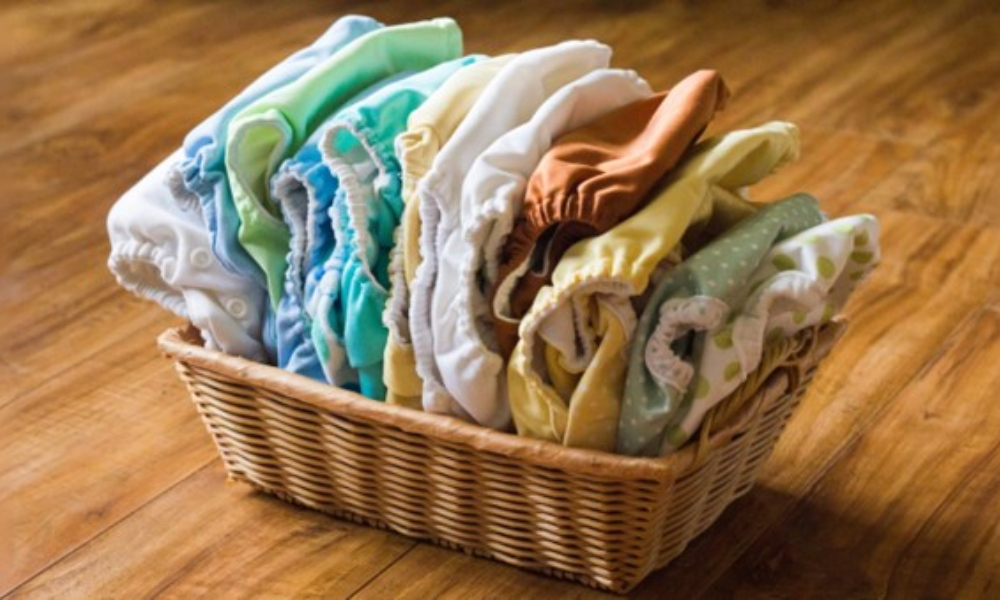
When it comes to preparing for your cloth diapering journey, one question stands out above all others: exactly how many diapers will you need? This seemingly simple question involves multiple factors that can significantly impact your success with cloth diapering. From laundry routines to your baby’s age and unique needs, understanding these elements helps you build the perfect diaper stash.
Making the switch to Baby Cloth Diapers represents more than just a practical choice, it’s an investment in both environmental sustainability and your baby’s comfort. Each family’s needs differ based on their lifestyle, washing schedule, and baby’s age, making it crucial to carefully consider these factors when planning your diaper supply. The right quantity ensures you’re well-prepared without overextending your budget.
Whether you’re preparing for a new arrival or considering the switch from disposables, determining your ideal diaper quantity can feel overwhelming. Here, we’ll guide you through calculating the perfect number for your situation by taking into account factors like age-specific needs and preferred diaper styles that influence your daily diaper usage. Our comprehensive approach helps ensure you start your cloth diapering journey with confidence and success.
What Exactly Are Cloth Diapers?
Cloth diapers are reusable, washable alternatives to disposable diapers. They come in various styles and materials, designed to be comfortable for your baby while effectively containing messes. Unlike their disposable counterparts, cloth diapers can be used multiple times which makes them an eco-friendly and cost-effective choice for many families.
Get To Know Cloth Diaper Needs by Age
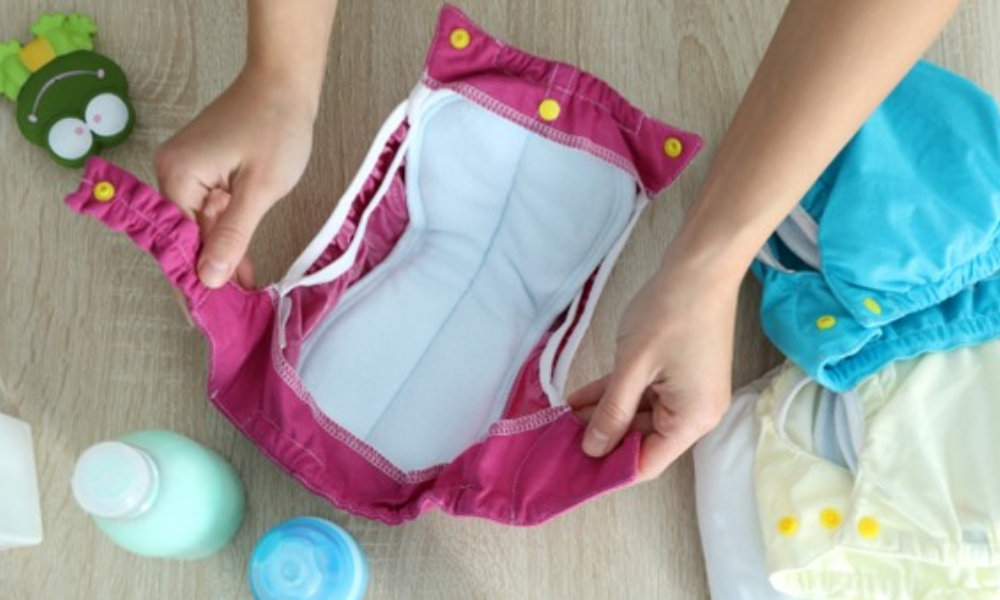
1. Newborn Stage (0-3 months)
Your newborn cloth diaper needs during the first three months are significantly higher than at any other stage. Newborns typically require 10-12 diaper changes daily, sometimes even more in the early weeks. This intensive period demands special consideration when building your diaper stash. So we highly recommend you go with 24-36 diapers for this stage, as they allow for frequent changes while maintaining a manageable laundry schedule.
2. Infant Period (3-12 months)
During this period, your baby’s diapering needs begin to stabilize as their bladder capacity grows and they start to develop more regular patterns. The Number of cloth diapers you’ll use daily typically drops to around 8-10 changes which makes it slightly easier to manage your supply. To ensure you’re always prepared, we recommend maintaining a stock of 20-24 cloth diapers. This amount is ideal for covering two full days between washes, while also allowing for unexpected messes, delayed laundry routines, or the occasional extra diaper change.
3. For Toddlers (12 Months and Beyond)
As your baby grows, diaper changes become less frequent but often messier due to increased mobility and changing eating habits. At this stage, it’s important to choose diapers that can handle the extra movement and meet varying absorbency needs to ensure your baby stays comfortable throughout the day.
Cloth diapers, in particular, need to be durable and flexible to accommodate your baby’s active lifestyle. Compared to the Best Baby Diapers of 2025, they offer an eco-friendly and cost-effective alternative. To keep up with diaper changes, which average around 6-8 times per day, a stash of 18-20 diapers is typically sufficient.
Types of Cloth Diapers and Quantity Recommendations
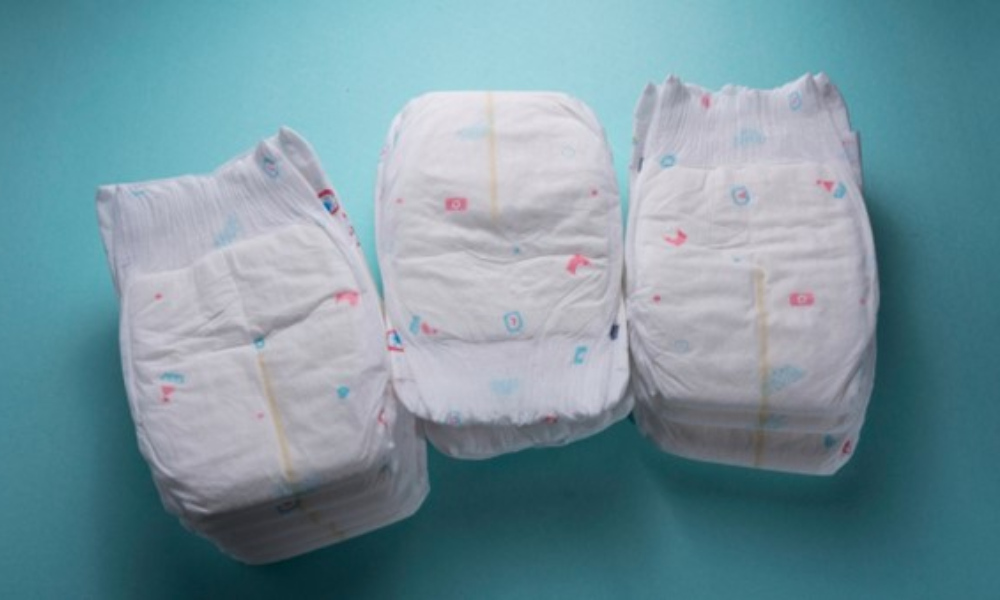
All-in-One Diapers
All-in-one diapers offer convenience similar to Baby Disposable Diapers but in a reusable format. These diapers take longer to dry, so you’ll need more in your rotation. We recommend 24-30 all-in-ones if they’re your primary diapering choice, ensuring you always have clean diapers available while others are drying.
Pocket Diapers
Pocket diapers provide versatility and customizable absorbency. Their modular design allows for faster drying times compared to all-in-ones. A baseline stash of 20-24 pocket diapers, along with 35-40 inserts, typically meets most families’ needs while allowing for adequate rotation and wash cycles.
Prefolds and Covers
This traditional system often requires fewer pieces overall, though you’ll need multiple components. Consider 24-30 prefolds and 6-8 covers for a functional stash. This combination provides excellent coverage while being more economical than other systems.
Laundry Routine and Its Impact on Diaper Quantity
Your laundry schedule significantly influences the number of diapers you’ll need. Most families find a rhythm washing every 2-3 days, which prevents odor build-up and staining while maintaining a manageable routine. If you plan to wash every two days, you’ll need enough diapers to cover at least 2.5 days of changes, allowing for unexpected delays or particularly messy days.
Different diaper styles have varying drying times, which affects the total quantity needed. All-in-one diapers typically take 4-6 hours to dry completely, while pocket diapers and prefolds might dry in 2-3 hours. Consider your climate and drying method (line drying vs. machine drying) when calculating your total diaper needs.
What Else Do I Need to Begin Cloth Diapering?
- 35-40 cloth wipes (since you’re already washing diapers, you might as well toss the wipes in too!) or disposable wipes if you prefer.
- Diaper pail: Consider using this diaper pail paired with reusable pail liners, which work wonderfully for cloth diapering. Alternatively, a lidded trash can will do the job. For a more compact option, a large wet bag is perfect for storing wet and soiled diapers until laundry day.
- Small wet bags: Keep a few small wet bags in your diaper bag for on-the-go cloth diapering. If that’s not your style, many parents opt for disposables when they’re out and about.
- Peri bottle or diaper sprayer: A peri bottle (the kind hospitals often provide postpartum) or a dedicated diaper sprayer is great for rinsing solids into the toilet before adding diapers to the pail. Note: this step isn’t necessary for exclusively breastfed babies, as their waste can go directly into the wash!
- Laundry detergent: Use a detergent that’s safe for cloth diapers. For guidance on choosing the right detergent and tips for cleaning cloth diapers effectively, refer to this article.
Some Exceptional Challenges and Their Impact
1. Overnight Solutions
Nighttime diapering presents unique challenges that require specialized solutions with enhanced absorbency capabilities. We recommend maintaining 4-5 dedicated overnight diapers in your rotation, which allows for proper washing and drying time between uses.
These diapers typically feature multiple layers or special inserts designed specifically for extended wear. While they represent a higher initial investment, quality overnight cloth diapers eliminate the need for disposables and can provide up to 12 hours of leak-free protection when properly prepped and fitted.
2. Heavy Wetter Adaptations
Some babies naturally produce more urine, requiring specialized solutions to prevent leaks and discomfort. For heavy wetters, we recommend having 6-8 heavy-duty diapers with additional inserts or boosters in your rotation.
These specialized systems often combine multiple types of absorbent materials like hemp, bamboo, and microfiber to maximize both absorption and quick-drying capabilities. Consider investing in diapers with wider gussets and higher rise to contain increased moisture effectively. The key lies in finding the right combination of materials that work for your baby’s unique needs.
3. Temperature Regulation Features
Modern cloth diapers often incorporate innovative materials that help regulate your baby’s temperature throughout the day and night. We suggest having 4-6 diapers with specific seasonal features, breathable materials for summer, and warming layers for winter use.
These specialized diapers often include moisture-wicking inner layers combined with weather-appropriate outer materials. The investment in temperature-regulating diapers can significantly improve your baby’s comfort and reduce the need for frequent changes due to sweating or overheating.
4. Athletic Movement Design
For active babies and toddlers, specially designed cloth diapers provide enhanced flexibility and movement while maintaining superior containment. Include 5-6 athletic-style diapers in your rotation if you have a particularly active little one.
These diapers feature strategic elastics, streamlined profiles, and movement-friendly cuts that prevent gaps while allowing a full range of motion. The specialized design often incorporates quick-dry materials and secure closures that stay in place during vigorous activity, making them ideal for daytime use with mobile babies.
Frequently Asked Questions
1. How often should I replace cloth diapers in my rotation?
The lifespan of cloth diapers varies based on quality, care routine, and usage frequency. Generally, expect to replace diapers showing wear in elastic, closures, or waterproofing after 6-12 months of regular use. High-quality diapers might last through multiple children with proper care. Consider implementing a rotation system and inspecting diapers monthly for signs of wear to maintain an effective stash.
2. Can I use the same quantity of cloth diapers for twins?
For twins, double your base stash and add an extra 20% to account for simultaneous changes and potential laundry delays. This means if you normally need 24 diapers for one baby, plan for 50-60 diapers for twins. Consider your laundry capacity and drying space when determining your final number, as managing a larger stash requires more robust washing systems.
3. How do I adjust my cloth diaper quantity for travel?
For travel, calculate your normal daily diaper use and add 30% extra for unexpected situations. Consider factors like laundry access, trip duration, and travel method. For example, a three-day trip requiring 8 changes per day would need about 30 diapers (24 regular + 6 backup). Pack a combination of your most reliable and quickest-drying options.
4. What’s the minimum number of cloth diapers needed to get started?
Start with enough diapers for 2 full days plus 4-6 extra for emergencies. For a newborn using 10-12 diapers daily, this means a minimum of 24-30 diapers. Beginning with this quantity allows you to establish a routine while determining if cloth diapering works for your family before making a larger investment.
5. How should I adjust my cloth diaper quantity for heavy wetters?
For heavy wetters, increase your standard stash by 25-30% to accommodate more frequent changes and additional inserts. Include 6-8 overnight-specific diapers with higher absorbency ratings. Consider having extra inserts on hand to double up during high-need periods. This might mean 30-36 diapers total instead of the standard 24 for optimal coverage.
Final Thoughts
Building an adequate cloth diaper stash requires careful consideration of multiple factors, from your baby’s age and habits to your household’s unique routines. The perfect number balances practicality with convenience, ensuring you’re never caught short while maintaining a manageable laundry schedule. Your diaper journey will likely evolve as you discover what works best for your family.
Success with cloth diapering comes from understanding both your immediate needs and how they might change over time. Starting with a core stash and gradually expanding based on experience often proves more effective than trying to predict every possible scenario from the beginning. This approach allows you to adapt your system as you learn your preferences and your baby’s patterns.
Your cloth diapering experience should enhance, not complicate, your parenting journey. Whether you opt for a minimal stash with frequent washing or a larger collection for more flexibility, the key lies in finding a balance that works for your family’s lifestyle. The right number of diapers supports your routine while providing the reliability and convenience you need for successful cloth diapering.
Shop Related Products


