Bringing a new life into the world comes with countless responsibilities, and monitoring your baby’s growth stands at the forefront of parental duties. While regular pediatrician visits provide professional weight measurements, many parents feel anxious about their little one’s progress between appointments. The ability to weigh your baby at home offers peace of mind and helps track developmental milestones more closely.
The journey of parenthood involves countless learning curves, and mastering the art of weighing your newborn safely at home is one of them. Whether you’re dealing with feeding concerns or simply want to maintain detailed growth records, having reliable weighing methods at your disposal can make a significant difference in your parenting experience.
Understanding various techniques to monitor your baby’s weight can empower you to make informed decisions about their health and nutrition. From digital baby scales to creative DIY methods, we’ll explore multiple approaches that ensure accurate measurements while keeping your precious one comfortable and secure throughout the process.
Importance of Weighing Your Baby Regularly
Monitoring your baby’s weight is crucial for several reasons. Firstly, weight gain is a primary indicator of your baby’s overall health and well-being during the first year of life. Regular weight checks can help you identify any growth concerns early, which can be vital if your newborn isn’t gaining weight as expected. As new parents, it’s natural to worry about your baby’s health, and having ongoing data can provide peace of mind.
Moreover, tracking your baby’s weight can help you better understand their feeding habits. Whether you’re breastfeeding, using formula, or a combination of both, knowing how your newborn’s weight fluctuates can reveal important insights about their nutritional intake. If your baby is experiencing growth spurts or seems hungrier than usual, monitoring their weight provides a clearer picture of their growth patterns.
Finally, weighing your baby regularly fosters a closer bond between you and your child. The process serves as an opportunity for you to engage with them, chat, and even sing as you prepare them for weighing. These precious moments contribute to creating a nurturing environment that supports their emotional and physical development.
Essential Equipment for Weighing Your Baby
1. Choosing the Right Baby Scale
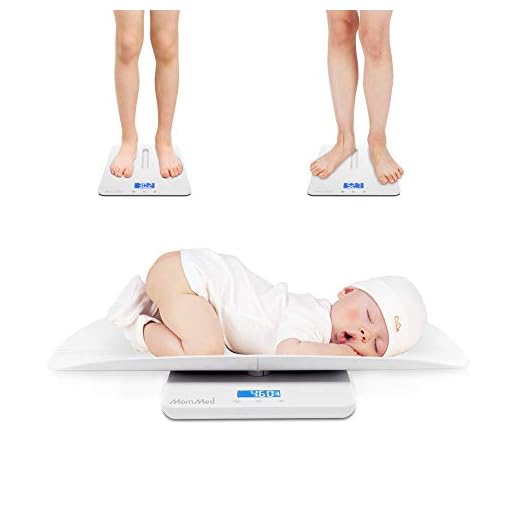
When selecting a baby scale for home use, accuracy and reliability should be your top priorities. Digital baby scales offer precise measurements and often come with additional features like weight memory and growth-tracking capabilities. Look for scales with a weight capacity that accommodates your baby’s expected growth through at least the first year.
2. Alternative Weighing Tools
If you’re not ready to invest in a specialized baby scale, you might consider using a regular bathroom scale with a different method. However, keep in mind that this approach may not provide the same level of accuracy as dedicated baby scales. Some parents also use kitchen scales for newborns, though this method requires extra caution and is only suitable for very young infants.
Step-by-Step Guide on How to Weigh Baby at Home With Digital Scale
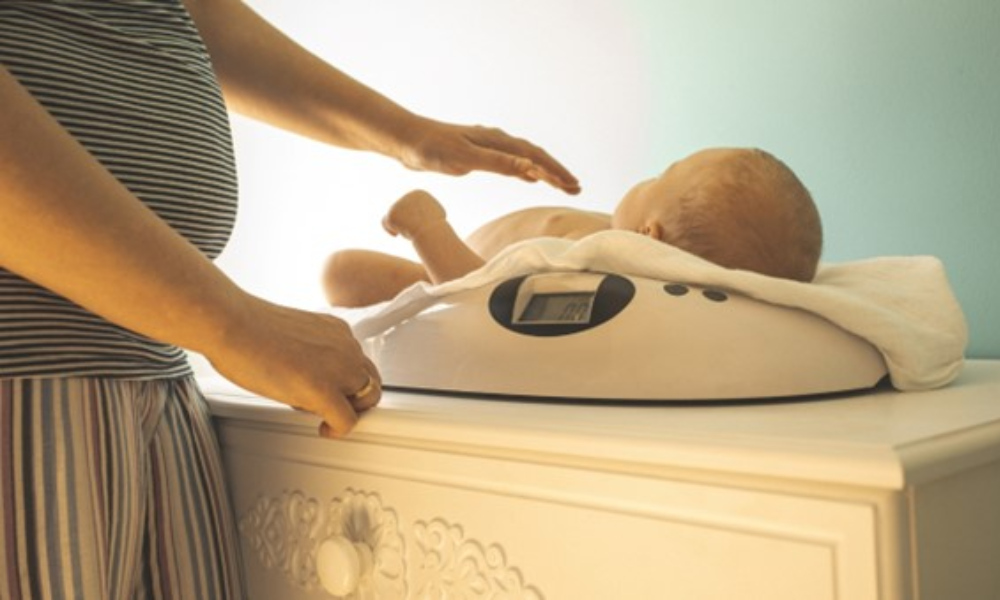
Let’s go through a straightforward step-by-step guide on how to weigh your baby effectively at home.
Step 1: Gather Your Supplies
Before you start, gather all the necessary supplies. You’ll need a reliable baby scale, a soft cloth or blanket to place over the scale, and a quiet, comfortable space for your baby. It can also be helpful to have a notebook or app handy for recording your baby’s weight for future reference.
Step 2: Prepare the Scale
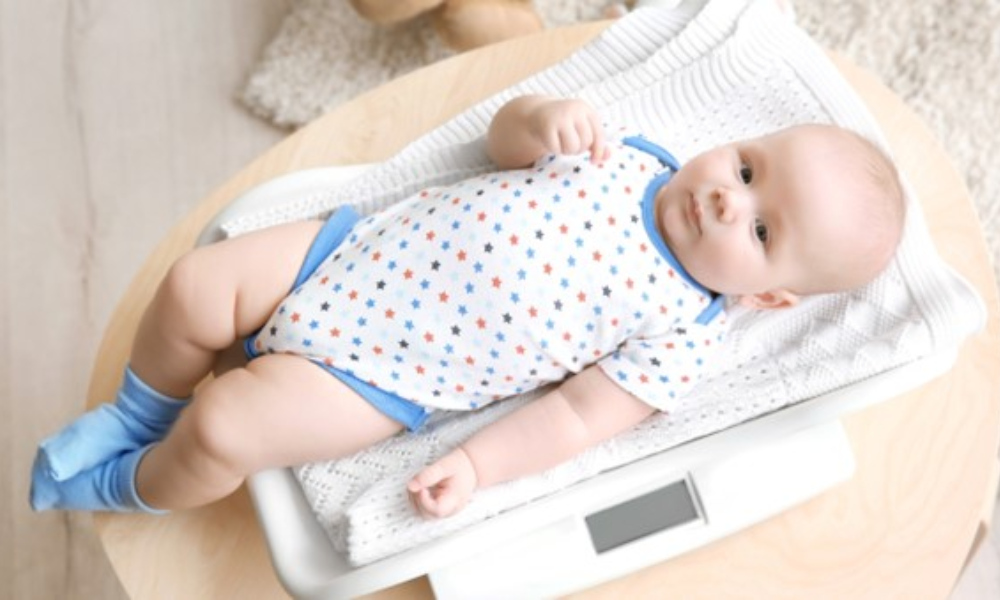
Place your baby scale on a flat, hard surface, such as a floor or a stable table. Avoid weighing your baby on soft surfaces, as this can provide inaccurate readings. If required, turn the scale on and ensure it is calibrated to zero. Some digital scales allow for tare functions, which can deduct the weight of any blankets or clothes used.
Step 3: Place Your Baby on the Scale
Gently place your baby on the scale, making sure they are lying flat. You want to ensure that their entire body is situated on the weighing platform. Keep the baby calm and still, as movement can lead to inaccurate readings. If your baby is upset, try distracting them with soothing sounds or toys until they are settled.
Step 4: Record the Weight
Once your baby is still, check the reading on the scale and take note of the weight. Digital scales will provide an immediate reading, while mechanical scales may require some adjustment to read accurately. Be sure to write the weight down immediately, preferably in a dedicated baby health journal or app.
Step 5: Repeat for Accuracy
For the most accurate measurement, it’s advisable to weigh your baby a couple of times in a row. Remove your baby from the scale, then place them back on it again to confirm consistency in the weight reading. If there’s a significant discrepancy between the readings, wait a few moments and try again.
Step 6: Clean the Scale After Use
It’s essential to keep your scale clean, especially since it’s used on a delicate newborn’s body. Wipe down the surface with a soft, damp cloth after each use. Make sure to avoid harsh chemicals or anything abrasive that could damage the scale.
Step 7: Monitor and Track Growth
Incorporate weighing your baby into your regular routine, perhaps doing it weekly or bi-weekly. By tracking your baby’s growth over time, you’ll be able to share accurate progress reports with your pediatrician during check-ups and have better insights into their feeding patterns.
Alternative Ways to Weigh Your Baby at Home
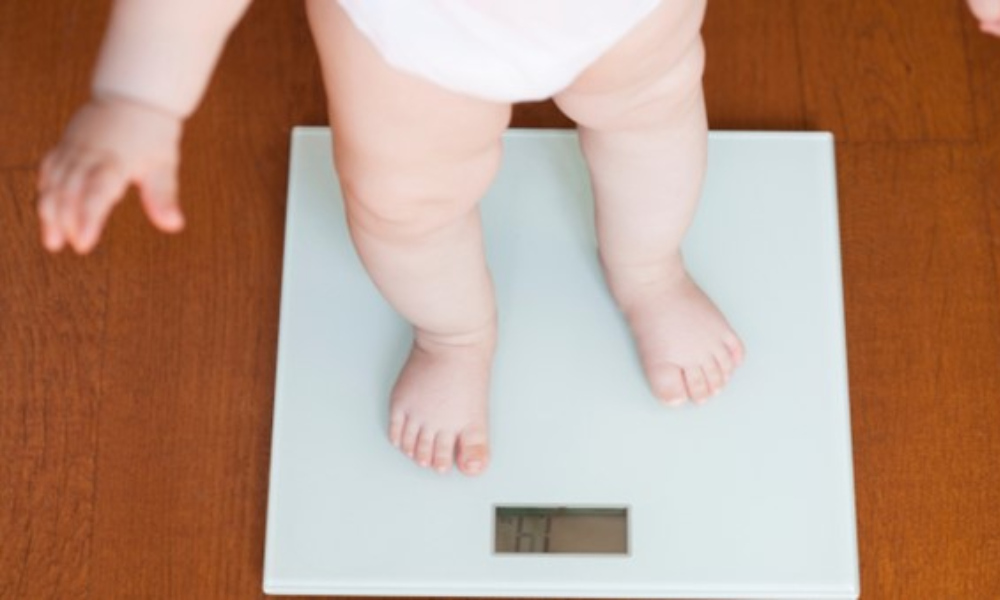
In addition to using baby scales, there are several alternative methods to weigh your baby if you find yourself without a scale or prefer other options. Here are a couple of approaches:
1. Using a Standard Bath Scale
If you don’t have baby scales, a standard bathroom scale can work in a pinch. Here’s how to do it:
- Weigh Yourself: Start by stepping onto the bathroom scale and record your weight.
- Weigh Yourself with Baby: Next, hold your baby in your arms and step back onto the scale. Record the combined weight.
- Subtract the Two Weights: Subtract your original weight from the combined weight to calculate your baby’s weight.
This method isn’t as precise as using baby scales but can serve as a stopgap when needed.
2. Using a Kitchen Scale
If you have a sturdy kitchen scale that can measure up to your baby’s weight, you can use it as follows:
- Tare the Scale: Place a soft cloth or a small blanket on the scale and tare it to zero.
- Place Your Baby on the Scale: Gently place your baby on the cloth and read the weight.
- Record the Weight: Keep a consistent record of weights to monitor growth.
This method may also work for small babies, but larger infants might exceed the weight limit of a typical kitchen scale, so proceed with caution.
Understanding Weight Milestones for Your Baby
As we weigh our baby, it’s helpful to know what to expect regarding weight milestones. During the first few months, newborns typically regain their birth weight by two weeks of age and are expected to gain around 5-7 ounces weekly during the first few months. Tracking weight assists in ensuring they are on target during these critical growth periods.
From three months to six months, babies generally gain 1-2 pounds a month. After six months, growth rates tend to slow down a bit, with babies typically gaining around 1 pound each month until their first birthday. Remember, each baby grows at their own pace, so while these milestones provide a guideline, maintaining flexible expectations is key.
Common Concerns When Weighing Your Baby
While weighing your baby at home is helpful, you may encounter some common concerns as you establish this routine. Below are a few points to keep in mind.
- Inconsistent Readings: It’s normal to struggle with slight variations in weight measurements. Focus on the trend over time rather than individual readings, as growth patterns are more significant than day-to-day fluctuations.
- Weighing Too Frequently: Although it’s important to monitor your baby’s growth, weighing them too often might lead to unnecessary anxiety for you. Strive for a balance in tracking, which could mean weighing them weekly or bi-weekly during their first year.
- Tracking Feeding Patterns: Use the weight readings to help inform you about your baby’s feeding patterns, but remember that every infant is different. Consult with a pediatrician if you have concerns regarding their weight or feeding habits.
- Dealing with Movement: Active babies can make weighing challenging. Try weighing your baby when they’re naturally calmer, such as after a bath or during their usual quiet time. Some parents find success in weighing their baby during early morning hours when they’re typically more relaxed.
Frequently Asked Questions
1. How often should I weigh my baby at home?
For newborns, weighing once or twice a week provides sufficient tracking without causing unnecessary stress. As your baby grows, you can reduce the frequency to every two weeks or monthly, unless your healthcare provider recommends otherwise. Consistency in timing and conditions matters more than frequency.
2. What’s the most accurate time to weigh my baby?
The optimal time is in the morning before the first feed when your baby has a dry diaper. This provides consistent conditions for comparison. Avoid weighing after feeds or baths when weight might temporarily fluctuate due to feeding or water exposure.
3. Is it normal for a baby’s weight to fluctuate daily?
Yes, daily weight fluctuations are completely normal and can vary by several ounces due to feeding timing, diaper status, and normal bodily functions. Focus on overall trends rather than daily variations. Weekly or bi-weekly measurements typically provide more meaningful insights into your baby’s growth pattern.
4. How accurate are bathroom scales for weighing babies?
While bathroom scales can provide approximate measurements using the difference method, they’re generally less accurate than dedicated baby scales. If using a bathroom scale, take multiple measurements and average them for better accuracy. Consider it a supplementary method rather than your primary weighing solution.
5. Can environmental factors affect weight measurements?
Yes, factors like scale placement, room temperature, and even air drafts can influence measurements. Always place your scale on a hard, flat surface, maintain consistent room conditions, and ensure your baby is calm and comfortable for the most accurate results.
Final Thoughts
Home weighing provides valuable insights into your baby’s growth journey, offering reassurance between professional check-ups. The process becomes smoother with practice, and establishing a routine helps both you and your baby feel more comfortable with regular weighing sessions.
The confidence gained from monitoring your baby’s progress at home strengthens your parenting instincts and helps you make informed decisions about feeding and care. While home measurements shouldn’t replace professional medical supervision, they serve as excellent complementary tools in tracking your baby’s development.
Regular weight monitoring at home creates opportunities to bond with your baby while staying proactive about their health. The key lies in maintaining consistency, following safety protocols, and understanding that every baby grows at their own unique pace.
Shop Related Products