The warmth of sunlight on your baby’s skin might seem harmless, even delightful. Yet, beneath this gentle caress lies a potential threat that demands our attention. A baby’s delicate skin, still new to the world, lacks the natural defenses adults have developed over years of sun exposure. This vulnerability makes sun protection not just a casual consideration, but a crucial aspect of infant care.
Navigating the world of sun protection for babies can feel like walking through a maze of conflicting advice and overwhelming options. From sunscreens to protective clothing, each choice carries weight in safeguarding your little one’s tender skin. The stakes are high – proper sun protection in infancy and early childhood can significantly reduce the risk of skin damage and related health issues later in life.
In this guide, we’ll illuminate the path to effective sun protection for your baby. We’ll explore the science behind sun damage, debunk common myths, and provide practical, evidence-based strategies to keep your baby safe under the sun’s gaze. Whether you’re planning a beach day or simply venturing out for a stroll, this information will empower you to make informed decisions about your baby’s sun safety.
Understanding Sun Exposure and Baby Skin
Before diving into protection methods, it’s crucial to understand why babies are particularly vulnerable to sun damage and how the sun affects their delicate skin.
The Unique Vulnerability of Baby Skin
A baby’s skin is fundamentally different from an adult’s. It’s thinner, more delicate, and still developing its protective functions. The melanin content, which provides natural sun protection, is lower in infant skin. This means that harmful UV rays can penetrate more deeply, potentially causing more damage.
Moreover, babies have a higher surface area to body weight ratio compared to adults. This means that relative to their body size, they have more skin exposed to the sun, increasing their risk of overheating and sun damage. The American Academy of Pediatrics notes that sunburns in childhood significantly increase the risk of skin cancer later in life, underscoring the importance of early sun protection.
Types of UV Rays and Their Effects
The sun emits different types of ultraviolet (UV) radiation, primarily UVA and UVB rays. Both types can harm the skin, but in different ways:
- UVA rays penetrate deeply into the skin, causing premature aging and contributing to skin cancer risk. These rays can pass through windows and are present even on cloudy days.
- UVB rays are the primary cause of sunburn. They damage the outer layers of the skin and play a key role in the development of skin cancer.
For babies, exposure to either type of UV ray can be particularly harmful. Their skin hasn’t yet built up enough melanin or thickness to provide significant natural protection against these damaging rays.
Essential Sun Protection Strategies for Babies

Protecting your baby from the sun involves a multi-faceted approach. Here are key strategies to implement for comprehensive sun protection.
1. Limiting Sun Exposure
The most effective way to protect your baby from sun damage is to limit their exposure, especially during peak UV hours. The U.S. Environmental Protection Agency advises that UV rays are strongest between 10 a.m. and 4 p.m. During these hours, it’s best to keep your baby in the shade or indoors.
When outdoors, seek shade under trees, umbrellas, or canopies. Remember that surfaces like sand, water, and concrete can reflect UV rays, increasing exposure even in shaded areas. Be particularly cautious around these reflective surfaces.
2. Protective Clothing
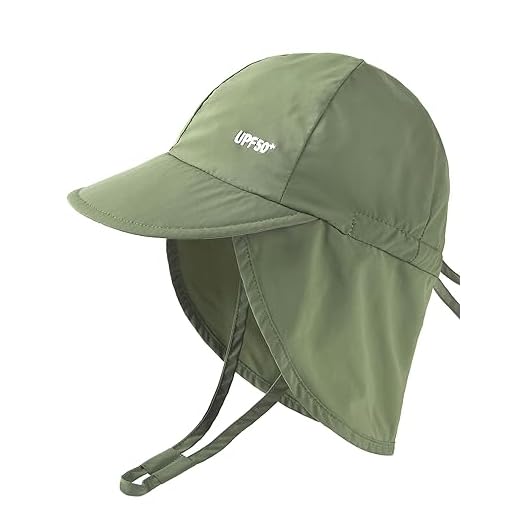
Clothing acts as a physical barrier against UV rays. Opt for lightweight, tightly woven fabrics that cover as much skin as possible. Long-sleeved shirts and long pants or skirts provide excellent protection. Some clothing is specially designed with UV protection, often labeled with a UPF (Ultraviolet Protection Factor) rating.
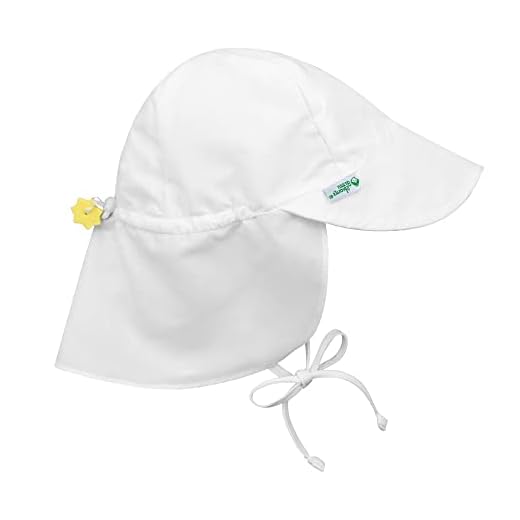
Don’t forget about protecting your baby’s head and eyes. A wide-brimmed hat shields the face, ears, and neck from direct sunlight. Sunglasses designed for infants can protect their sensitive eyes from UV damage.
3. Sunscreen Use for Babies
The use of sunscreen on babies requires careful consideration. The American Academy of Pediatrics recommends avoiding sunscreen for babies under 6 months old whenever possible. Instead, rely on shade and protective clothing for these very young infants.
For babies older than 6 months, choose a broad-spectrum sunscreen that protects against both UVA and UVB rays. Look for a minimum SPF of 30. Apply sunscreen generously to all exposed skin about 15-30 minutes before sun exposure. Don’t forget often-missed areas like ears, feet, and the back of the neck.
Reapply sunscreen every two hours, or more frequently if your baby is swimming or sweating. Even water-resistant sunscreens can be washed off or diluted by water activities.
Choosing the Right Sunscreen for Your Baby
Selecting a sunscreen for your baby requires careful consideration. Not all sunscreens are created equal, especially when it comes to infant skin.
1. Physical vs. Chemical Sunscreens
Sunscreens generally fall into two categories: physical (mineral) and chemical. For babies, physical sunscreens are often recommended. Physical sunscreens contain active minerals like zinc oxide or titanium dioxide. They work by sitting on top of the skin and deflecting UV rays. These are less likely to cause skin irritation and start working immediately upon application.
Chemical sunscreens, on the other hand, absorb into the skin and then absorb UV rays, converting them into heat. These may be more likely to cause irritation in sensitive baby skin and typically need to be applied 15-30 minutes before sun exposure to be effective.
Key Ingredients to Look For and Avoid
When selecting a sunscreen for your baby, prioritize these beneficial ingredients:
- Zinc oxide and titanium dioxide: These are the key active components in physical sunscreens, offering safe and effective protection.
- Moisturizing agents like glycerin or hyaluronic acid: These ingredients help keep your baby’s skin hydrated and prevent dryness.
It’s equally important to avoid certain ingredients that may pose risks:
- Oxybenzone and octinoxate: These chemical filters have been linked to health concerns and environmental harm.
- Fragrances and dyes: Common irritants that can aggravate sensitive skin.
- Parabens: Preservatives associated with potential hormone disruption.
Before using any new sunscreen, always perform a patch test. Apply a small amount on a small area of your baby’s skin and wait 24 hours to check for any adverse reactions. Taking these steps ensures your baby’s skin stays safe and protected.
Creating a Sun-Safe Environment
Beyond personal protection measures, creating a sun-safe environment can significantly reduce your baby’s UV exposure.
Sun Protection in the Car
Car windows block most UVB rays but allow UVA rays to penetrate. Consider applying UV-protective film to your car windows or using removable sunshades. These can reduce UV exposure during car rides without compromising visibility.
Always keep your baby in the shade within the car. If sunlight is falling directly on them, use a light blanket or sunshade attached to the window to create shade. Never leave your baby unattended in a car, as temperatures can rise quickly, leading to heatstroke.
Outdoor Spaces and Activities
When setting up outdoor spaces for your baby, prioritize shade. Use umbrellas, canopies, or pop-up tents to create shaded play areas. If you have a sandbox or kiddie pool, ensure it’s positioned in a shaded area or create shade over it.
For stroller rides, use the canopy or attach a sunscreen for additional protection. Some parents find UV-protective stroller covers useful, especially for longer outings.
When planning outdoor activities, consider the UV index. This measure of UV radiation intensity can help you gauge the potential for sun damage. The World Health Organization recommends sun protection when the UV index is 3 or higher.
Special Considerations for Water Activities
Water activities present unique challenges for sun protection. Water reflects and intensifies UV rays, increasing the risk of sunburn and sun damage.
Sun Protection While Swimming
When your baby is in or around water, sun protection becomes even more critical. Water can wash off sunscreen, even those labeled as water-resistant. Reapply sunscreen more frequently during water activities, ideally every 40-80 minutes or immediately after toweling off.
Consider using UV-protective swimwear for your baby. These specially designed suits cover more skin and provide consistent sun protection, reducing the amount of sunscreen needed. Look for suits with a high UPF rating for maximum protection.
Beach and Pool Safety
At the beach or pool, set up a shaded area for your baby to rest and play. A beach tent or large umbrella can provide a sun-safe zone. Remember that sand and water reflect UV rays, so even in the shade, your baby may need additional protection like a hat and sunglasses.
Be cautious of the time spent in direct sunlight, especially between 10 a.m. and 4 p.m. when UV rays are strongest. Take frequent breaks in the shade and ensure your baby stays hydrated to prevent heat-related illnesses.
Recognizing and Treating Sun Damage
Despite our best efforts, sun damage can sometimes occur. Knowing how to recognize and treat it is crucial for your baby’s health and comfort.
Signs of Sunburn in Babies
Sunburn in babies can be more serious than in adults due to their sensitive skin. Signs of sunburn in babies include:
Skin that feels warm or hot to the touch Redness or pinkness of the skin Swelling Fussiness or crying when the sunburned area is touched In severe cases, blistering, fever, or chills
If you notice these signs, move your baby to a cool, shaded area immediately. Sunburn can progress for 24-36 hours after exposure, so what initially seems mild can become more severe.
First Aid for Sunburn
If your baby gets sunburned:
Cool the skin with a cool (not cold) bath or by applying cool compresses Keep your baby hydrated with extra breast milk or formula Apply a gentle, fragrance-free moisturizer to soothe the skin Consider using a mild, over-the-counter pain reliever if recommended by your pediatrician Dress your baby in loose, soft clothing to avoid irritating the burned skin. For severe sunburn, especially if accompanied by blistering, fever, or other concerning symptoms, consult your pediatrician immediately.
FAQs
1. Can babies get vitamin D from the sun without risking sun damage?
While sunlight is a source of vitamin D, it’s not recommended to rely on sun exposure for vitamin D in babies due to the risk of skin damage. The American Academy of Pediatrics recommends vitamin D supplements for breastfed infants and some formula-fed infants. Always consult your pediatrician about your baby’s vitamin D needs.
2. Is it safe to use sunscreen on a baby younger than 6 months?
Generally, it’s recommended to avoid sunscreen on babies under 6 months and instead rely on shade and protective clothing. However, if adequate shade isn’t available, applying a small amount of broad-spectrum, mineral-based sunscreen to exposed areas is preferable to risking sunburn. Always consult your pediatrician first.
3. How often should I reapply sunscreen on my baby?
Sunscreen should be reapplied every two hours, or more frequently if your baby is swimming or sweating excessively. Even water-resistant sunscreens can be washed off or diluted by water activities, so it’s important to reapply after swimming or toweling off.
4. Can babies get sunburned on a cloudy day?
Yes, babies can get sunburned on cloudy days. Up to 80% of UV rays can penetrate light cloud cover. It’s important to practice sun safety measures even when it’s overcast, including using shade, protective clothing, and sunscreen for babies over 6 months old.
Final Thoughts
Protecting your baby from the sun is a vital aspect of infant care that extends far beyond preventing a sunburn. It’s an investment in your child’s long-term health, significantly reducing their risk of skin damage and related health issues later in life. The strategies we’ve explored – from limiting sun exposure and using protective clothing to carefully selecting and applying sunscreen – form a comprehensive approach to sun safety.
Yet, sun protection doesn’t mean keeping your baby in a bubble. Outdoor experiences are crucial for your baby’s development and wellbeing. The key is finding a balance – enjoying the outdoors while minimizing risks. With proper precautions, you can create positive, sun-safe experiences for your little one.
Remember, every baby is unique, and what works best may vary. Stay attentive to your baby’s needs and responses, and don’t hesitate to consult your pediatrician with any concerns. By making sun protection a consistent part of your routine, you’re setting a foundation for lifelong healthy sun habits. Your efforts today in shielding your baby from harmful rays will pay dividends in their future health and well-being.
Shop Related Products