Welcoming a new baby into your home is an exciting time filled with joy and anticipation. As parents, we want to provide the best for our little ones, and one of the most important decisions we face is choosing the right sleeping arrangement. In recent years, the debate between traditional cribs and mini cribs has gained momentum, leaving many parents wondering which option is best for their family.
The choice between a crib and a mini crib can significantly impact your baby’s comfort, safety, and overall nursery setup. With space constraints becoming increasingly common in modern homes, the compact size of mini cribs has made them an attractive option for many families. However, traditional cribs still hold their ground with their larger size and long-term usability.
In this comprehensive guide, we’ll dive deep into the world of cribs and mini cribs, exploring their features, benefits, and potential drawbacks. We’ll examine factors such as size, safety, longevity, and cost to help you make an informed decision that best suits your family’s needs in 2026. Whether you’re a first-time parent or expanding your family, this comparison will provide valuable insights to ensure your little one has the perfect sleep sanctuary.
1. Size and Space Considerations
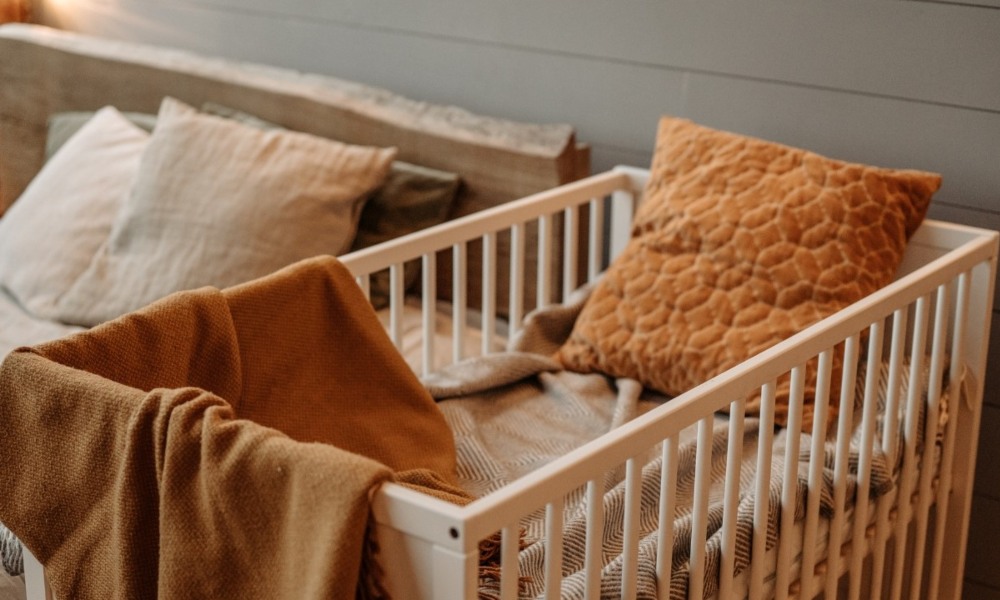
When it comes to choosing between a crib and a mini crib, one of the most significant factors to consider is the size and how it fits into your available space. Let’s break down the dimensions and space requirements for both options.
Standard Crib Dimensions:
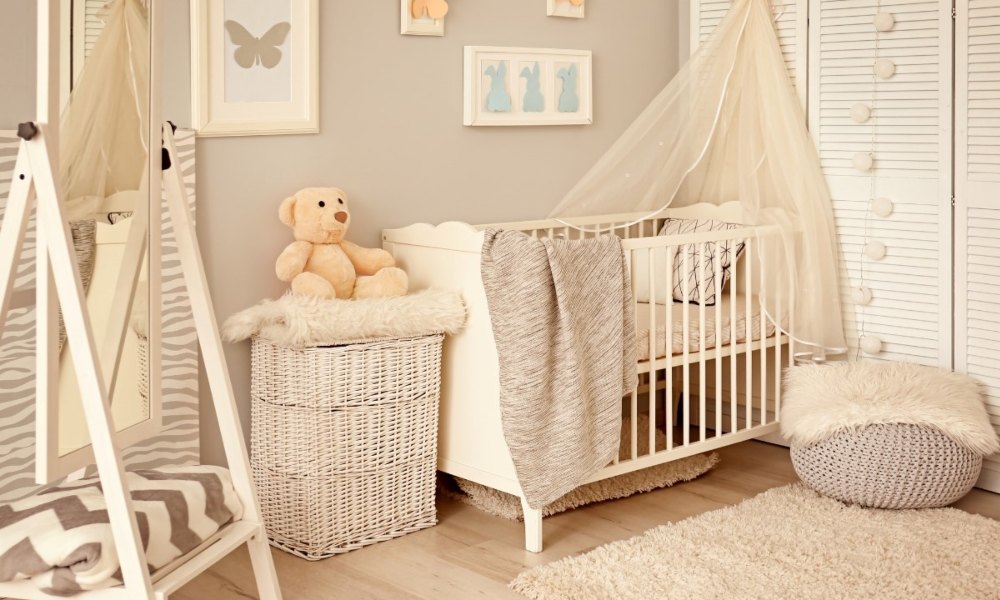
A standard crib typically measures around 52 inches long by 28 inches wide. The height can vary, but most cribs stand between 35 to 45 inches tall. These dimensions provide ample space for your baby to sleep comfortably and move around as they grow. However, the larger size also means that a standard crib requires more floor space in your nursery.
Mini Crib Dimensions:
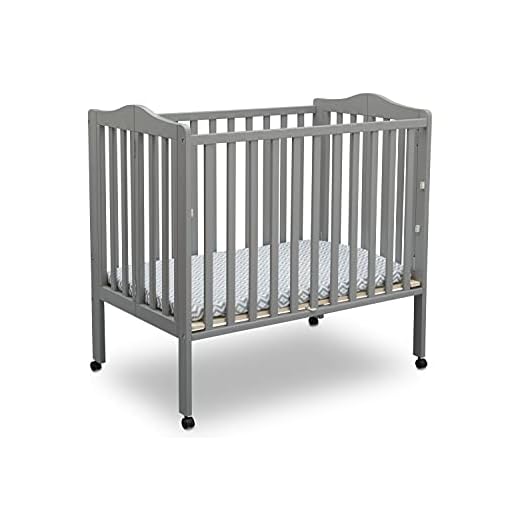
Mini cribs, as the name suggests, are more compact. They usually measure about 38 inches long by 24 inches wide. The height is similar to standard cribs, ranging from 35 to 43 inches. This smaller footprint makes mini cribs an excellent option for smaller nurseries, apartments, or even for placing in your bedroom for the first few months.
Room Layout and Functionality:
When deciding between a crib and a mini crib, consider your room’s layout and how the crib will fit with other furniture. A standard crib may dominate a small room, leaving little space for other essentials like a changing table or rocking chair. On the other hand, a mini crib’s compact size allows for more flexible room arrangements and can even fit in unconventional spaces like walk-in closets converted into nurseries.
2. Safety Features and Standards
Regardless of which option you choose, safety should be your top priority. Both cribs and mini cribs must meet strict safety standards set by regulatory bodies. Let’s examine the safety features and standards for each type.
Crib Safety Standards:
Standard cribs are subject to rigorous safety regulations. In the United States, all cribs must comply with the Consumer Product Safety Commission (CPSC) standards. These standards include:
- Slat spacing of no more than 2 3/8 inches to prevent head entrapment
- No drop-side rails
- Sturdy construction with no sharp edges or points
- Non-toxic finish and materials
- Secure, non-sagging mattress support
Mini Crib Safety Standards:
Mini cribs are held to the same safety standards as their full-sized counterparts. They must meet all CPSC requirements, ensuring that your baby is just as safe in a mini crib as they would be in a standard crib. However, due to their smaller size, mini cribs may have fewer slats overall, which could potentially impact air circulation.
Additional Safety Considerations:
When setting up either a crib or mini crib, it’s crucial to follow the manufacturer’s instructions carefully. Avoid adding extra padding, blankets, or toys to the sleeping area, as these can pose suffocation risks. Always use a firm mattress that fits snugly within the crib frame to prevent gaps where a baby could become trapped.
3. Longevity and Adaptability
One of the key differences between cribs and mini cribs is their longevity and ability to adapt to your growing child’s needs. Let’s explore how each option fares in terms of long-term use.
Standard Crib Longevity:
A standard crib is designed to accommodate your child from infancy through toddlerhood. Many cribs come with adjustable mattress heights, allowing you to lower the mattress as your baby grows and becomes more mobile. Some cribs even convert into toddler beds, daybeds, or full-sized beds, extending their usability for several years.
Mini Crib Longevity:
Mini cribs generally have a shorter lifespan in terms of use. While they’re perfect for infants and younger babies, your child may outgrow a mini crib sooner than a standard crib. Some mini cribs do offer convertible options, transforming into toddler beds or daybeds, but the smaller size means your child may transition out of them earlier.
Adaptability to Growing Needs:
Standard cribs often come with features that adapt to your child’s developmental stages. For example, teething rails protect the crib and your baby’s gums during the teething phase. The higher weight limit of standard cribs also means they can safely accommodate your child for a longer period.
Mini cribs, while less adaptable in terms of size, often make up for it with portability. Many mini cribs come with wheels, allowing you to easily move them from room to room. This feature can be particularly useful if you want to keep your baby close during naps or when traveling within your home.
4. Cost Comparison
When deciding between a crib and a mini crib, cost is often a significant factor. Let’s break down the financial aspects of each option to help you make an informed decision. Generally, standard cribs tend to be more expensive than mini cribs. The price range for standard cribs can vary widely, from budget-friendly options around $100 to high-end models costing over $1000. Mini cribs, on the other hand, typically fall in the $100 to $400 range, with some premium models costing more.
5. Long-term Cost Considerations
While mini cribs may have a lower upfront cost, it’s important to consider the long-term financial implications. If your child outgrows the mini crib quickly, you may need to purchase a standard crib or toddler bed sooner, potentially increasing your overall expenditure. Conversely, investing in a convertible standard crib that grows with your child could save money in the long run, eliminating the need for additional furniture purchases as your toddler grows.
Remember to factor in the cost of mattresses, bedding, and accessories. Standard cribs and mini cribs require different mattress sizes, and you may need to purchase specialized bedding for mini cribs. However, the smaller size of mini crib bedding could lead to some cost savings in this area.
6. Comfort and Sleep Quality
Ensuring your baby gets quality sleep is crucial for their development and your sanity as a parent. Both cribs and mini cribs can provide a comfortable sleeping environment, but there are some differences to consider.
Sleeping Space:
Standard cribs offer more sleeping space, which can be beneficial as your baby grows and becomes more active in their sleep. The extra room allows for more movement without the risk of bumping into the crib sides. This additional space can be particularly advantageous during warmer months when babies tend to move more to regulate their body temperature.
Mini cribs provide a cozier sleeping environment, which some infants may prefer. The smaller space can help recreate the snug feeling of the womb, potentially leading to better sleep for newborns and younger babies. However, as your child grows, they may feel more confined in a mini crib.
Mattress Quality:
Both standard and mini cribs can accommodate high-quality mattresses. However, due to the more common size of standard cribs, you may find a wider variety of mattress options available. This can be beneficial if your baby has specific sleep needs or preferences.
Mini crib mattresses, while less varied, are often thinner to maintain the crib’s compact profile. Some parents find that this can make the sleeping surface feel firmer, which is actually recommended for infant sleep safety.
Temperature Regulation:
The size difference between cribs and mini cribs can affect air circulation and temperature regulation. Standard cribs, with their larger size and typically more slats, may provide better airflow. This can be advantageous in maintaining a comfortable sleep temperature for your baby.
Mini cribs, being more compact, may retain heat more easily. While this can be beneficial in cooler climates, it’s something to be mindful of in warmer environments or during summer months.
7. Portability and Versatility
The ability to move your baby’s sleep space can be a game-changer for many families. Let’s explore how cribs and mini cribs compare in terms of portability and versatility.
Standard Crib Portability:
Traditional cribs are generally not designed for frequent movement. Their larger size and heavier weight make them challenging to relocate once assembled. However, this stability can be a positive feature, ensuring the crib remains securely in place as your baby becomes more mobile.
Mini Crib Portability:
Mini cribs excel in portability. Many models come with wheels which allows you to easily move the crib from room to room. This feature can be particularly useful for:
- Keeping your baby close during daytime naps
- Accommodating guests with infants
- Adapting to changing space needs in your home
Some mini cribs even fold for storage or travel, making them an excellent option for families who frequently visit relatives or take trips.
Versatility in Use:
Standard cribs often offer more versatility in terms of long-term use. Many convert into toddler beds, daybeds, or even full-sized beds, adapting to your child’s needs as they grow. This multi-functionality can make a standard crib a more cost-effective choice over time.
Mini cribs, while less adaptable size-wise, offer versatility in their use around the home. Their compact size allows them to fit in spaces where a standard crib wouldn’t, such as:
- Master bedrooms for keeping the baby close during early months
- Small nurseries or shared rooms
- Living areas for daytime supervision
FAQs
1. What is the main difference between a crib and a mini crib?
The primary difference lies in size. Standard cribs typically measure around 52 inches long by 28 inches wide, while mini cribs are more compact at about 38 inches long by 24 inches wide. This size difference affects not only the space they occupy in your home but also how long your child can comfortably use them. Standard cribs generally accommodate children for a longer period, often converting into toddler beds, while mini cribs are ideal for infants and younger babies.
2. Are mini cribs safe for newborns?
Yes, mini cribs are safe for newborns when used properly. They must meet the same safety standards as full-sized cribs set by the Consumer Product Safety Commission (CPSC). This includes regulations on slat spacing, mattress fit, and overall construction. However, it’s crucial to follow the manufacturer’s guidelines, use the appropriate mattress size, and avoid adding extra bedding or toys that could pose a suffocation risk.
3. How long can a baby use a mini crib?
The duration a baby can use a mini crib varies depending on the child’s size and development. Generally, most babies can comfortably use a mini crib until they are 18-24 months old. However, some may outgrow it sooner, especially if they are tall or particularly active. It’s important to transition your child to a larger sleeping space once they can sit up, stand, or climb, as this increases the risk of falling out of the mini crib.
4. Can a mini crib convert to a toddler bed?
Some mini cribs are designed to convert into toddler beds, but this feature is less common than with standard cribs. If convertibility is important to you, be sure to check the product specifications when shopping for a mini crib. Keep in mind that even convertible mini cribs will typically result in a smaller toddler bed compared to converted standard cribs, which may limit how long your child can use it.
5. Is a mini crib or standard crib better for small spaces?
For small spaces, a mini crib is often the better choice. Its compact size makes it ideal for apartments, small nurseries, or even for placing in parents’ bedrooms for the first few months. Mini cribs are also more likely to come with wheels, allowing for easy relocation. However, if space allows and you’re looking for a longer-term solution, a standard crib might be more practical as it can accommodate your child for a longer period.
Final Thoughts
Choosing between a crib and a mini crib is a decision that depends on various factors unique to each family’s situation. Both options have their merits, and the right choice for you will depend on your specific needs, space constraints, and long-term plans.
Standard cribs offer longevity, adaptability, and ample space for your growing child. They’re an excellent choice for families with dedicated nursery space and those looking for a sleep solution that will last well into the toddler years. The wide range of design options and potential for conversion into bigger beds make standard cribs a versatile investment.
Mini cribs, on the other hand, shine in their space-saving design and portability. They’re ideal for urban dwellers, those with smaller homes, or parents who want the flexibility to move the crib around easily. While they may have a shorter lifespan in terms of use, their compact size and often lower price point make them an attractive option for many families.
Shop Related Products