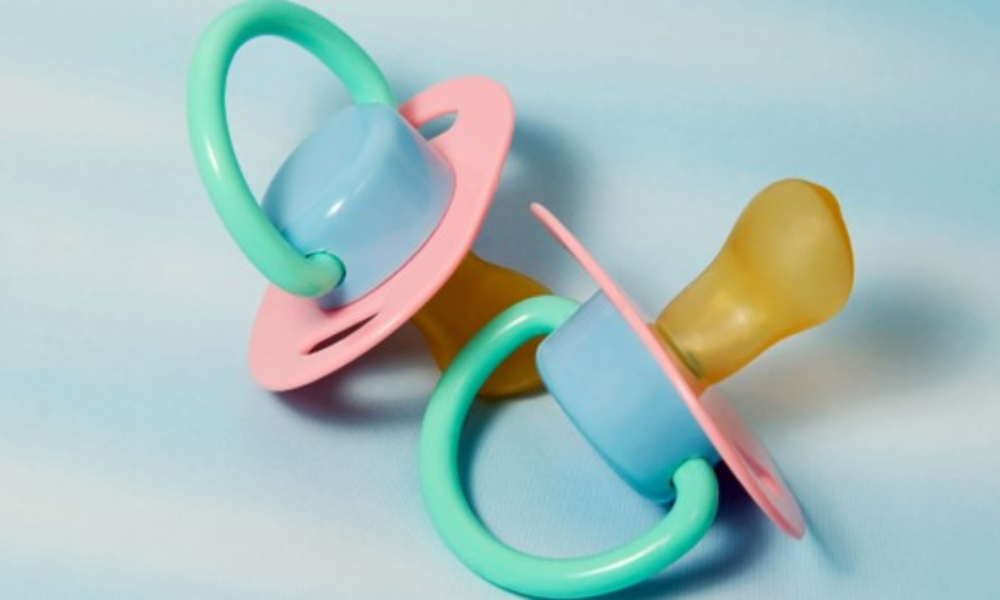
Welcoming a newborn into your life is a moment filled with joy and excitement, but it can also bring challenges. One essential item you will consider for your little one is the pacifier. Known for their soothing properties, pacifiers can be a great help in calming fussy infants and providing comfort during stressful moments.
However, as new parents, you might wonder how many pacifiers you should have on hand. Determining the right quantity of pacifiers is not just about having enough but also about understanding when to use a pacifier effectively. Newborns have a natural sucking reflex, making pacifiers an excellent tool for both soothing and non-nutritive sucking.
You might find that your baby prefers a pacifier over time, so having the right number can ensure that you’re prepared for different situations. This guide will help you navigate the world of pacifiers for babies, including how many to purchase, the benefits of their use, and some tips on choosing the right types for your growing child.
What Are Pacifiers?
Pacifiers, also known as soothers or dummies, are small, nipple-like devices designed to satisfy a baby’s natural sucking reflex. They typically consist of a nipple, shield, and handle, and come in various shapes and sizes.
Babies have an innate need to suck, which extends beyond feeding. This sucking reflex can provide comfort and help soothe your little one during times of stress or discomfort. A pacifier offers a way for your baby to satisfy this urge without relying solely on breastfeeding or bottle-feeding.
Potential Benefits of Pacifier Use
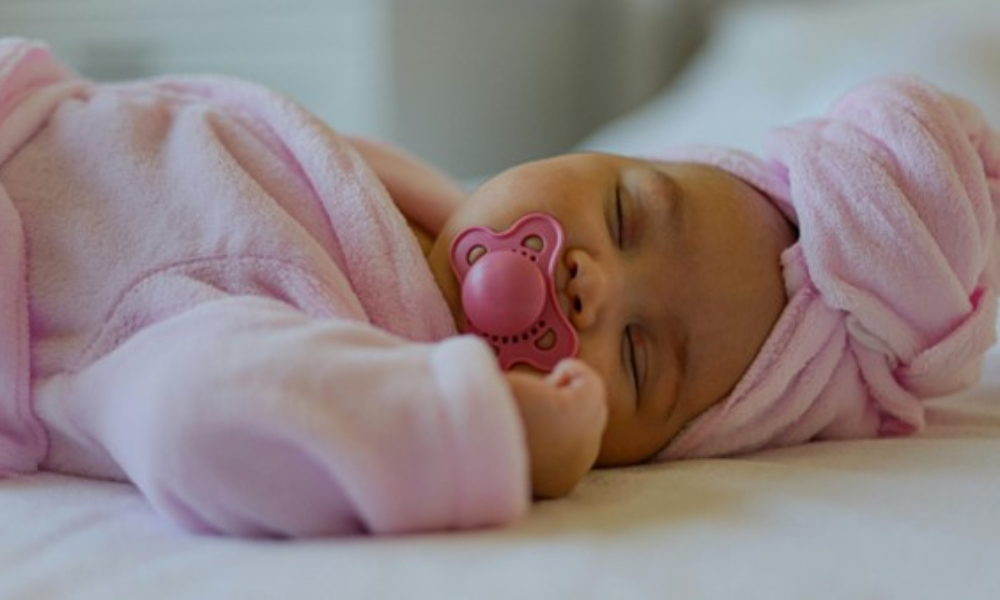
Pacifiers provide numerous benefits for both parents and babies. For infants, they offer a sense of comfort during stressful moments that facilitates a calming effect that can help soothe fussy cries. The act of sucking is instinctual for newborns; it mimics breastfeeding, which can be helpful for babies who need more time to adjust to feeding routines or for those who may be breastfed.
Moreover, pacifiers can play a role in reducing the risk of Sudden Infant Death Syndrome (SIDS). Research suggests that if a baby may sleep with a pacifier, it might help lower this risk in infants younger than one year. If you’re considering using a pacifier, make sure to introduce it usually after breastfeeding is well established, typically around three to four weeks of age.
Another advantage of pacifiers is that they provide a distraction during uncomfortable situations, such as long car rides or doctor visits. They can become a trusty ally to help ease the stress of those moments when your little one might feel uneasy or anxious.
How Many Pacifiers Do You Really Need?
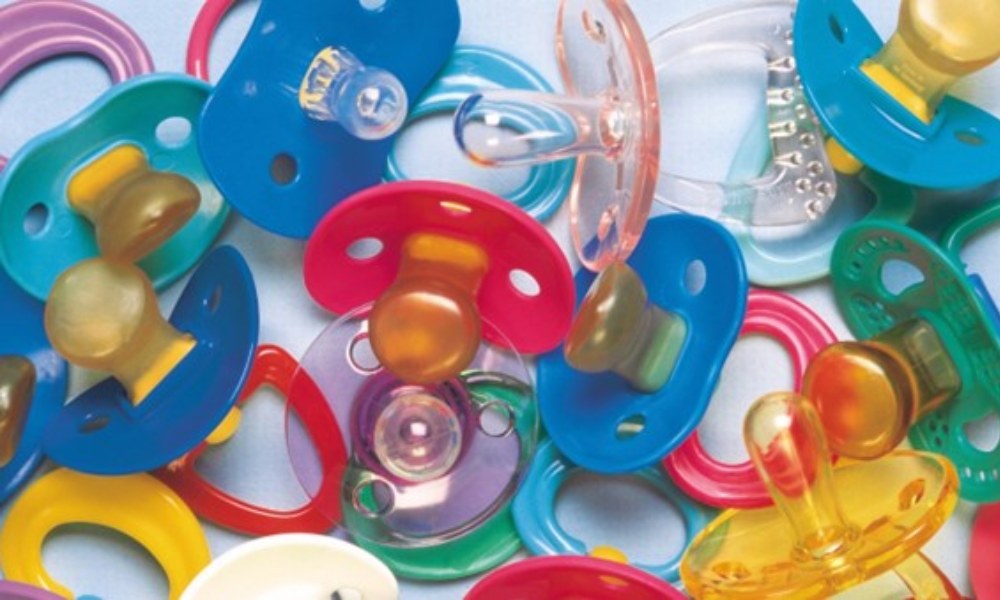
When it comes to the quantity of pacifiers you should keep in your home, it generally depends on a few factors, including your baby’s needs, your home environment, and even personal preferences. Typically, having around 4-6 pacifiers is recommended, but let’s delve deeper into why this range is often ideal.
Newborns and infants can be unpredictable, so it’s best to prepare for various situations. Having multiple pacifiers gives you the flexibility to offer one for soothing at all times. Babies are not always gentle with their toys, and pacifiers are no exception. They may get lost under couch cushions, dropped on the floor, or simply need replacing after extensive use.
With a supply of pacifiers, we can confidently provide our little ones with a clean, safe option every time they need soothing comfort. This is particularly handy during those late-night wake-ups when we may not have the time or energy to find a misplaced pacifier.
When You Should Introduce Pacifiers to Your Baby?
Timing and technique are crucial when introducing pacifiers to your newborn. The American Academy of Pediatrics suggests waiting until breastfeeding is well-established, usually around 3-4 weeks, before introducing a pacifier. This helps prevent nipple confusion and ensures your baby is getting enough breast milk. However, every baby is different, and you should consult with your pediatrician to determine the best time for your little one.
When you’re ready to introduce a pacifier, choose a calm moment when your baby is content but awake. Gently touch the pacifier to your baby’s cheek or lips. If your baby shows interest, guide the pacifier into their mouth. It’s important to never force the pacifier if your baby resists. Remember, some babies may not take to pacifiers right away or at all, and that’s perfectly normal. Be patient and follow your baby’s cues.
Choosing The Right Pacifiers
With countless options available, selecting the right pacifiers can feel overwhelming. Here’s what to consider:
1. Age-Appropriate Sizing
Pacifiers come in different sizes based on age. You’ll typically find options for 0-6 months, 6-18 months, and 18+ months. Choosing the correct size is crucial as it ensures a proper fit and reduces potential dental issues. As your baby grows, you’ll need to adjust the pacifier size accordingly. You may consider a Frigg pacifier as your ideal choice because of its different size options and soft silicone material that mimics a mother’s breast.
2. Material Matters
The material of the pacifier is another important consideration. Silicone pacifiers are popular due to their durability and ease of cleaning. Latex pacifiers are softer but less durable and may pose an allergy risk for some babies. Natural rubber pacifiers are an eco-friendly option, though they may not last as long as other materials. Consider your baby’s preferences and any potential allergies when selecting materials.
3. Shape and Design
Pacifiers come in various shapes, each with its own benefits. Orthodontic pacifiers are designed to support proper oral development. Round pacifiers have a traditional shape that some babies prefer. Flat pacifiers aim to mimic the shape of a mother’s nipple. Some babies have strong preferences for certain shapes, so you might need to experiment to find what works best for your little one.
Pacifier Care and Maintenance
Proper care of pacifiers is essential for your baby’s health and safety.
1. Cleaning and Sterilizing
Before first use and regularly thereafter, wash pacifiers with soap and warm water. You can also sterilize pacifiers by boiling them for 5 minutes or using a sterilizer. After cleaning, allow pacifiers to air dry completely before use. This routine helps ensure that the pacifiers remain clean and safe for your baby to use.
2. Inspection and Replacement
Regularly check pacifiers for signs of wear or damage. Look for tears, discoloration, or sticky surfaces. It’s generally recommended to replace pacifiers every 2 months or sooner if you notice any of these signs of wear. Regular inspection and timely replacement help maintain the safety and effectiveness of the pacifiers.
How Convenient is Traveling with Pacifiers
When you’re planning a trip with your little one, pacifiers can be a lifesaver. However, traveling with pacifiers requires some extra consideration and preparation.
- First, always pack more pacifiers than you think you’ll need. Pacifiers have a knack for disappearing at the most inconvenient times, so having extras can prevent a meltdown in an unfamiliar place. Consider packing at least one pacifier for each day of your trip, plus a few extras.
- Invest in pacifier clips or tethers for your journey. These handy devices attach the pacifier to your baby’s clothing, reducing the chances of it falling on dirty surfaces or getting lost. Just be sure to remove the clip during nap or bedtime to prevent any safety hazards.
- When flying, the sucking motion of using a pacifier can help relieve ear pressure during takeoff and landing. Offer your baby a pacifier during these times to make the flight more comfortable for them.
- For international travel, be aware that pacifier standards may differ between countries. If you need to purchase a pacifier while abroad, ensure it meets safety standards you’re comfortable with. When in doubt, pack enough from home to last the entire trip.
Transitioning Away from Pacifiers
Eventually, there will come a time when you’ll need to wean your baby off the pacifier. The transition process can be different for every child, and it’s vital to approach it gently. Start by limiting pacifier use during the day and only offer it during naptime or at night. This method helps your child reduce dependency while still allowing them to feel comforted during sleep.
When they seem more comfortable without the pacifier, you can start eliminating it altogether. Some parents opt for gradual phase-out techniques, while others may choose a “cold-turkey” approach. Whichever method works for you, patience is key. If your child appears distressed, offerings of other comfort items, like a favorite blanket or stuffed animal, can also help soothe them during this transition.
FAQs
1. How do I know if my baby is ready for a pacifier?
If your baby consistently shows signs of being fussy or has a strong sucking reflex, they may be ready for a pacifier. It is also advisable to introduce it once breastfeeding is well established, typically around three to four weeks of age.
2. Can pacifiers interfere with breastfeeding?
Pacifiers may interfere with breastfeeding if introduced too early. It’s crucial to wait until breastfeeding is firmly established to ensure your baby learns the proper latching technique without confusion.
3. Can using a pacifier cause dental issues?
Yes, prolonged use of a pacifier beyond the age of two can lead to dental problems, including misalignment of teeth. It’s essential to monitor and limit pacifier usage as your child grows.
4. How should I clean pacifiers?
Wash pacifiers daily with warm, soapy water and rinse thoroughly. Sterilizing them occasionally, especially after illness, is also a good practice to ensure hygiene and safety for your baby.
Final Thoughts
Navigating the world of pacifiers can be complex, but with the right information, you can make choices that best suit your baby and your family. Remember that every baby is unique, and what works for one may not work for another. It’s okay to experiment with different types of pacifiers or to decide not to use them at all.
The most important thing is to prioritize your baby’s comfort and well-being. Whether you choose to use pacifiers or explore alternatives, trust your instincts as a parent. You know your baby best, and with time, you’ll find the soothing methods that work for your little one.
As you journey through parenthood, remember that there’s no one “right” way to approach pacifiers or any aspect of baby care. Stay flexible, be patient with yourself and your baby, and don’t hesitate to seek advice from healthcare professionals when needed. Your love and attention are the most powerful soothing tools you have, pacifier or not.
Shop Related Products