In the quest for a healthier home environment, many of us find ourselves pondering the choice between an air purifier and a humidifier. As we become increasingly aware of the impact our indoor air quality has on our overall well-being, these two devices have risen to prominence as potential solutions. But what exactly sets them apart, and which one might be the best fit for your specific needs?
The air purifier and humidifier, while both aimed at improving our living spaces serve distinctly different purposes. Air purifiers focus on cleaning the air by removing pollutants, allergens, and other harmful particles. Humidifiers, on the other hand, add moisture to the air, combating the effects of dry environments. As we navigate through 2025, advancements in both technologies have made these devices more efficient and versatile than ever before.
In this guide, we’ll delve into the key differences between air purifiers and humidifiers, exploring their unique benefits, potential drawbacks, and ideal use cases. Whether you’re battling allergies, seeking relief from dry air, or simply aiming to improve your home’s air quality, understanding these devices will empower you to make an informed decision.
So, let’s dive in!
Understanding Air Purifiers: Clearing the Air
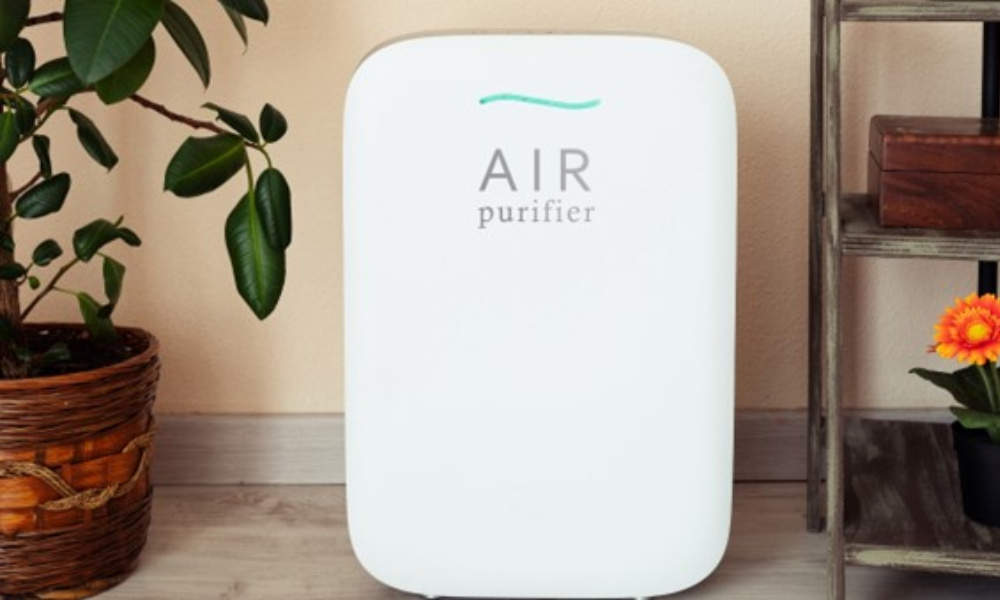
Air purifiers have become increasingly popular in recent years, especially as we’ve become more aware of the potential pollutants in our indoor environments. But what exactly do these devices do, and how do they work?
The Mechanics of Air Purification
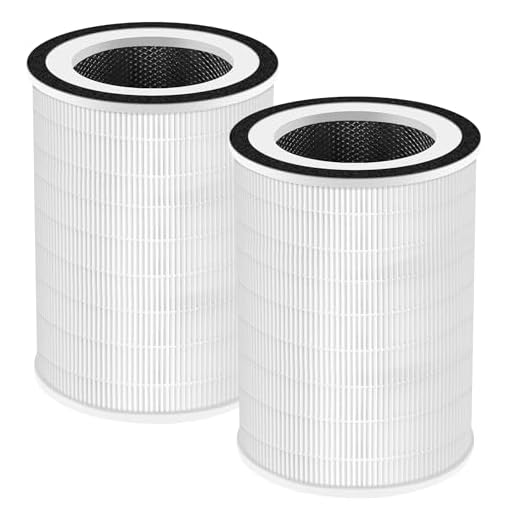
At its core, an air purifier is designed to remove contaminants from the air in a room. These devices typically use a fan to draw in air, which then passes through one or more filters before being released back into the room. The type and number of filters can vary depending on the model, but most air purifiers use a combination of the following:
- HEPA (High-Efficiency Particulate Air) filters: These can remove 99.97% of particles that are 0.3 microns in diameter.
- Activated carbon filters: These are effective at removing odors and gases.
- Pre-filters: These capture larger particles, extending the life of the main filters.
Today’s advanced models also incorporate UV-C light technology to neutralize bacteria and viruses, or ionizers to charge particles so they’re more easily captured.
Benefits of Air Purifiers
The primary benefit of an air purifier is its ability to improve indoor air quality. This can be particularly beneficial for people with allergies, asthma, or other respiratory conditions. By removing allergens like pollen, pet dander, and dust mites from the air, air purifiers can help reduce allergy symptoms and make breathing easier.
Air purifiers can also help remove odors from your home, whether they’re from cooking, pets, or other sources. This can make your living space more pleasant and reduce the need for artificial air fresheners.
In addition, air purifiers can help remove harmful pollutants from the air. This includes volatile organic compounds (VOCs) that can off-gas from furniture and building materials, as well as outdoor pollutants that make their way indoors. Some studies have shown that using an air purifier can lead to improved cardiovascular health by reducing exposure to fine particulate matter.
Considerations When Choosing an Air Purifier
When selecting an air purifier, it’s important to consider the size of the room you’ll be using it in. Most manufacturers provide a recommended room size for each model. You’ll also want to look at the Clean Air Delivery Rate (CADR), which measures how quickly the device can filter air.
Another factor to consider is the noise level. Some air purifiers can be quite loud, especially in higher settings. If you’re planning to use the device in a bedroom or office, you may want to look for a model with a quiet operation mode.
Finally, consider the ongoing costs. Air purifiers require regular filter replacements, which can add up over time. Look for models with washable pre-filters and long-lasting main filters to help reduce these costs.
Exploring Humidifiers: Adding Moisture to Your Life
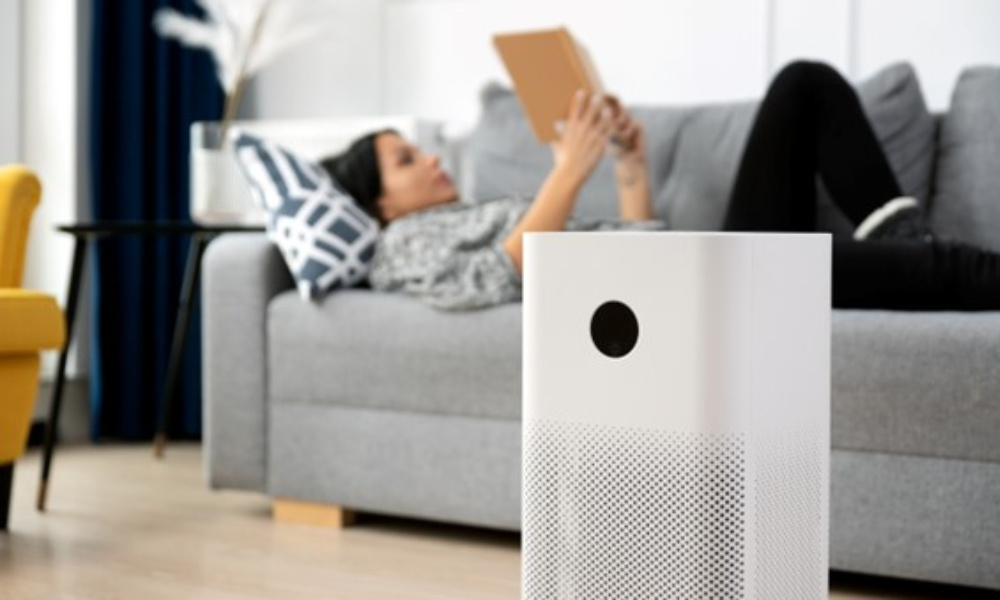
While air purifiers focus on removing particles from the air, humidifiers serve a different purpose entirely. These devices are designed to add moisture to the air, which can be particularly beneficial in dry climates or during winter months when indoor heating can dry out the air.
How Humidifiers Work
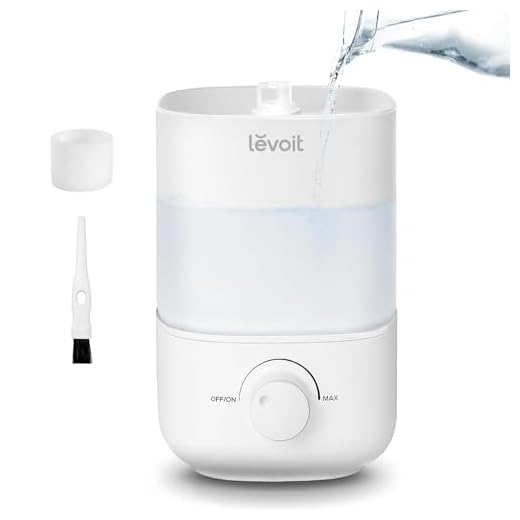
Humidifiers come in several different types, each with its own method of adding moisture to the air:
- Evaporative humidifiers: These use a fan to blow air through a wet wick or filter.
- Ultrasonic humidifiers: These use high-frequency vibrations to create a fine mist.
- Steam vaporizers: These boil water and release the steam into the air.
- Impeller humidifiers: These use a rotating disc to fling water at a diffuser, which breaks the water into fine droplets.
Regardless of the type, the end goal is the same: to increase the humidity level in your room or home.
Benefits of Humidifiers
The primary benefit of a humidifier is its ability to combat the effects of dry air. When the air in your home is too dry (typically below 30% relative humidity), it can lead to a range of issues:
- Dry skin and chapped lips
- Irritated nasal passages and throats
- Increased susceptibility to colds and respiratory illnesses
- Static electricity
- Damage to wood furniture and flooring
By adding moisture to the air, humidifiers can help alleviate these problems. Many people find that using a humidifier helps them sleep better, especially if they’re prone to snoring or congestion.
Humidifiers can also help preserve your home. Wood furniture, flooring, and even paint can crack or peel in excessively dry conditions. By maintaining an optimal humidity level (typically between 30-50%), you can help protect your home and belongings.
Considerations When Choosing a Humidifier
When selecting a humidifier, one of the main factors to consider is the size of the area you want to humidify. Small, portable humidifiers are great for individual rooms, while whole-house humidifiers can be integrated into your HVAC system.
You’ll also want to think about ease of cleaning. Humidifiers can become breeding grounds for mold and bacteria if not properly maintained, so look for models that are easy to clean and refill.
Some humidifiers come with built-in hygrometers, which measure the humidity level in your room. This can be a helpful feature to ensure you’re maintaining an optimal level of humidity.
Finally, consider the noise level and energy efficiency of the humidifier. Some models, particularly ultrasonic humidifiers, operate very quietly, which can be beneficial if you’re using the device in a bedroom.
Air Purifiers vs Humidifiers: Key Differences
While both air purifiers and humidifiers aim to improve your indoor environment, they do so in very different ways. Let’s break down the key differences between these two devices.
1. Purpose and Functionality
The primary difference between air purifiers and humidifiers lies in their core function. Air purifiers are designed to remove particles and pollutants from the air, effectively cleaning it. They can help reduce allergens, dust, smoke, and other airborne contaminants.
Humidifiers, on the other hand, add moisture to the air. They don’t clean the air or remove particles; instead, they increase the humidity level in a room or home. This can help alleviate issues associated with dry air, such as dry skin, static electricity, and cracked wood furniture.
2. Health Benefits
Air purifiers can be particularly beneficial for people with allergies or respiratory conditions. By removing allergens and irritants from the air, they can help reduce symptoms and make breathing easier. Some studies have shown that air purifiers can improve cardiovascular health by reducing exposure to fine particulate matter.
Humidifiers offer a different set of health benefits. By adding moisture to the air, they can help soothe dry skin, chapped lips, and irritated nasal passages. Some people find that using a humidifier helps reduce congestion and makes it easier to breathe, especially when they have a cold or the flu.
3. Maintenance Requirements
Both air purifiers and humidifiers require regular maintenance, but the nature of this maintenance differs. Air purifiers typically need filter replacements every few months to a year, depending on the model and usage. Some models have washable pre-filters that can help extend the life of the main filters.
Humidifiers, on the other hand, need to be cleaned regularly to prevent the growth of mold and bacteria. This usually involves emptying, rinsing, and drying the water tank daily, and doing a more thorough cleaning with vinegar or other disinfectants weekly. Some humidifiers also have filters that need to be replaced periodically.
4. Energy Consumption
In general, air purifiers tend to use more energy than humidifiers, especially if they’re running continuously. However, many modern air purifiers are designed to be energy-efficient and may have energy-saving modes.
Humidifiers typically use less energy, with ultrasonic models being particularly efficient. However, whole-house humidifiers that are integrated into HVAC systems can use more energy.
5. Cost Considerations
The initial cost of air purifiers and humidifiers can vary widely depending on the size, features, and brand. However, air purifiers often have higher ongoing costs due to the need for regular filter replacements. These filters can be quite expensive, especially for high-end models.
Humidifiers generally have lower ongoing costs, as they don’t require frequent filter replacements. However, they do need to be cleaned regularly, which can involve some time and effort.
Combining Air Purifiers and Humidifiers: The Best of Both Worlds?
Given the distinct benefits of both air purifiers and humidifiers, you might be wondering if you can use both devices together. The good news is that yes, you can! In fact, using both an air purifier and a humidifier can create a more comprehensive approach to improving your indoor air quality.
Benefits of Using Both Devices
By using both an air purifier and a humidifier, you can address multiple aspects of your indoor air quality simultaneously. The air purifier can remove pollutants, allergens, and other harmful particles from the air, while the humidifier can maintain an optimal humidity level.
This combination can be particularly beneficial during winter months when indoor heating can dry out the air and trap pollutants inside. The humidifier can help combat the dry air, while the air purifier ensures that the added moisture doesn’t become a breeding ground for mold or bacteria.
Considerations When Using Both
If you decide to use both an air purifier and a humidifier, it’s important to place them correctly. The devices should be kept at least a few feet apart to ensure they don’t interfere with each other’s operation.
You’ll also need to be diligent about maintenance. Both devices will need regular cleaning and filter replacements to function effectively and safely.
All-in-One Solutions
Recognizing the benefits of combining air purification and humidification, some manufacturers have started producing devices that serve both functions. These all-in-one units can be a space-saving solution, especially for smaller homes or apartments.
However, it’s worth noting that these combination devices may not be as effective as separate, specialized units. If you have severe allergies or live in an area with very poor air quality, you might be better served by separate, high-quality air purifiers and humidifiers.
FAQs
1. Can I use an air purifier and a humidifier in the same room?
Yes, you can use both devices in the same room. In fact, they can complement each other well. The air purifier will clean the air of pollutants and allergens, while the humidifier adds moisture to prevent dryness. Just make sure to place them a few feet apart to prevent interference. Also, be diligent about cleaning both devices regularly to prevent any potential issues with mold or bacteria growth.
2. How often should I clean my humidifier?
Humidifiers should be cleaned frequently to prevent the growth of mold and bacteria. Ideally, you should rinse out and dry the water tank daily, and perform a more thorough cleaning with vinegar or a mild disinfectant weekly. Some humidifiers may have specific cleaning instructions, so always refer to your device’s user manual. Regular cleaning ensures that your humidifier continues to function effectively and safely.
3. Will an air purifier help with my allergies?
Air purifiers can be very beneficial for allergy sufferers. They work by removing allergens such as pollen, pet dander, and dust mites from the air. Look for air purifiers with HEPA filters, which can remove 99.97% of particles as small as 0.3 microns. However, air purifiers are most effective when used in conjunction with other allergy control measures, such as regular cleaning and keeping windows closed during high pollen days.
4. How do I know if I need a humidifier?
Signs that you might benefit from a humidifier include dry skin, frequent static electricity shocks, cracking wood furniture, and feeling cold even when the temperature is relatively warm. You might also notice increased respiratory discomfort, especially at night. Ideally, indoor humidity should be between 30-50%. If you’re unsure, you can purchase a hygrometer to measure the humidity in your home.
5. Can air purifiers remove viruses and bacteria?
While standard HEPA filters can trap some viruses and bacteria, they’re not 100% effective against these microorganisms. Some air purifiers include additional technologies like UV-C light or ionizers that can help neutralize viruses and bacteria. However, it’s important to note that no air purifier can completely eliminate the risk of airborne illnesses. They should be used in conjunction with other health and hygiene practices recommended by health authorities.
Final Thoughts
The choice between an air purifier and a humidifier ultimately depends on your specific needs and the conditions in your home. If you’re primarily concerned with removing allergens, pollutants, and odors from your air, an air purifier is likely the better choice. On the other hand, if you’re dealing with the effects of dry air, such as dry skin, static electricity, or damage to wood furniture, a humidifier might be more beneficial.
Many households find that using both devices provides the most comprehensive solution for improving indoor air quality. This approach allows you to address both air cleanliness and humidity levels, creating a more comfortable and healthier living environment. However, it’s important to consider factors such as maintenance requirements, energy consumption, and ongoing costs when making your decision.
Whichever option you choose, investing in your indoor air quality can have significant benefits for your health and comfort. As we spend more time indoors, particularly in the wake of recent global events, ensuring that our home environments are as healthy as possible has never been more important. By understanding the differences and benefits of air purifiers and humidifiers, you’re well-equipped to make an informed decision that will help you breathe easier and feel better in your home.
Shop Related Products