When it comes to navigating the world with your little one, choosing the right stroller is paramount. As parents, we want a smooth, comfortable ride for our baby and a practical, easy-to-use solution for ourselves. In the realm of strollers, one of the most fundamental choices we face is between 3-wheel and 4-wheel models.
This decision isn’t just about aesthetics; it’s about functionality, maneuverability, and suitability for your lifestyle. Each design has its unique advantages and potential drawbacks, which can significantly impact your daily life with your child. From city sidewalks to park trails, the type of stroller you choose can make a world of difference in your parenting journey.
This guide offers a detailed comparison of 3-wheel and 4-wheel strollers, highlighting their unique strengths and ideal uses. We’ll break down key differences, explore scenarios where each type shines, and provide the insights you need to make the best choice for your family. Whether you’re a first-time parent or upgrading your stroller, this guide will help you select the perfect companion for your family adventures.
Understanding the Basics: 3 Wheel vs 4 Wheel Strollers
Before we dive into the detailed comparison, let’s establish a clear understanding of what we mean by 3-wheel and 4-wheel strollers. This foundation will help us better appreciate the nuances of each design.
What is a 3 Wheel Stroller?

A 3 wheel stroller, as the name suggests, features three wheels in a triangular configuration. Typically, it has two larger wheels at the back and one front wheel at the center. This design is often associated with a more sporty, dynamic look and is popular among active parents.
The single front wheel can be either fixed or swivel. Fixed wheels are common in dedicated jogging strollers, providing stability at higher speeds. Swivel wheels, on the other hand, offer greater maneuverability for everyday use. Many modern 3-wheel strollers come with a lockable front wheel, allowing you to switch between fixed and swivel modes as needed.
What is a 4 Wheel Stroller?
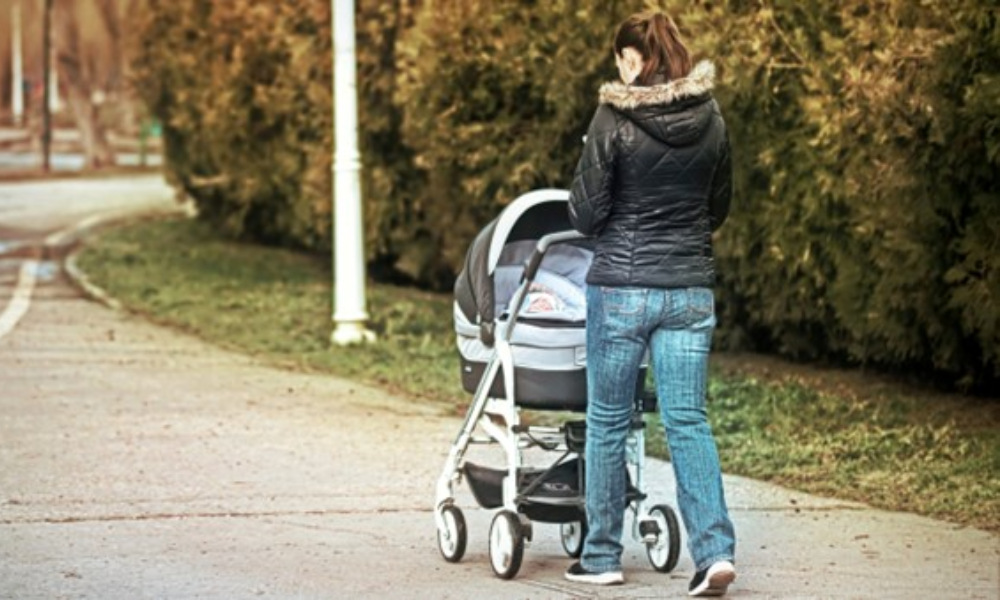
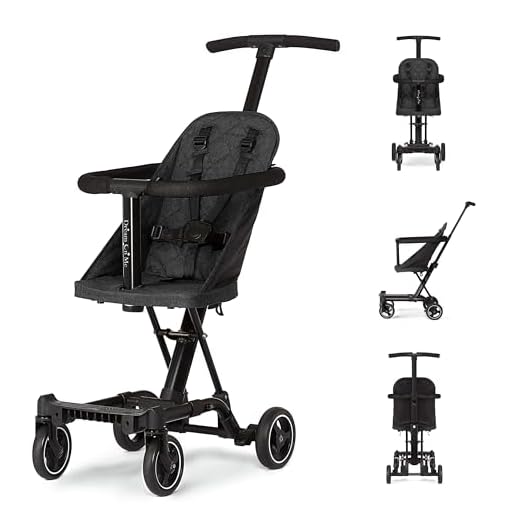
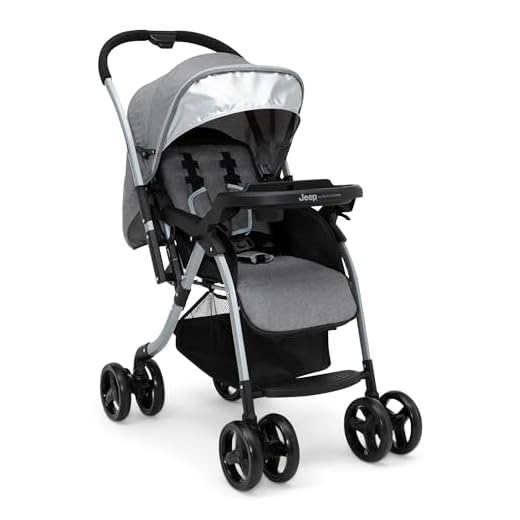
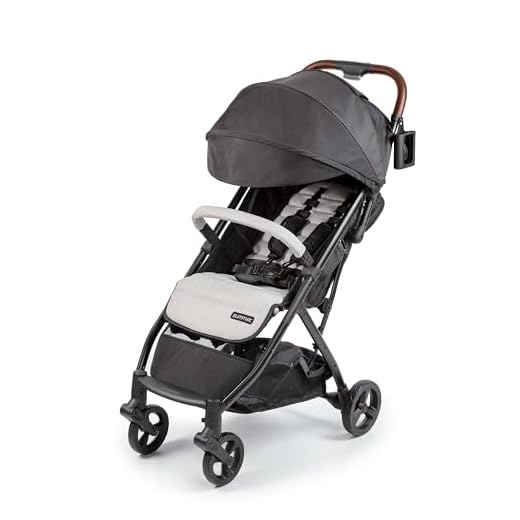
A 4-wheel stroller has a more traditional design with four wheels, usually arranged in a rectangular configuration. This layout typically consists of two wheels at the front and two at the back, all of similar size.
4-wheel strollers are known for their stability and are often preferred for their balanced feel. The four-point contact with the ground provides a solid base, which can be particularly reassuring when navigating uneven surfaces or when the stroller is heavily loaded.
Maneuverability: Navigating Your World
One of the most significant factors in choosing between a 3-wheel and 4-wheel stroller is maneuverability. How easily can you navigate tight spaces, turn corners, and handle different terrains? Let’s explore how each design performs in various scenarios.
3 Wheel Maneuverability
3-wheel strollers are often praised for their agility and ease of steering. The triangular wheel configuration, especially with a swiveling front wheel, allows for tight turns and smooth navigation through crowded spaces. This can be particularly beneficial in urban environments with narrow sidewalks, busy stores, or crowded public transportation.
The single front wheel design also makes it easier to “pop” the stroller over small obstacles like curbs or uneven pavement. This can provide a smooth ride for your baby even on slightly rough terrain. However, it’s worth noting that the narrower front end can sometimes feel less stable on very uneven surfaces.
4 Wheel Maneuverability
4-wheel strollers, while generally considered less nimble than their 3-wheel counterparts, offer their own advantages in maneuverability. The four-point contact with the ground provides excellent stability, which can be reassuring when navigating bumpy or sloped surfaces.
Many modern 4-wheel strollers come with swiveling front wheels, significantly improving their turning radius and overall maneuverability. While they may not match the agility of a 3-wheel design in very tight spaces, they perform admirably in most everyday situations.
Stability and Safety: Keeping Your Little One Secure
When it comes to transporting our precious cargo, stability and safety are paramount concerns. Both 3-wheel and 4-wheel strollers are designed with safety in mind, but their different configurations can affect stability in various situations.
3 Wheel Stability
3-wheel strollers, particularly those designed for jogging or all-terrain use, often have a wider wheelbase at the rear. This provides good lateral stability, reducing the risk of tipping sideways. However, the single front wheel design can sometimes make the stroller feel less stable when heavily loaded at the front, such as when hanging a diaper bag on the handlebar.
It’s important to note that many 3-wheel strollers come with safety features to mitigate potential stability issues. These may include wrist straps to maintain control while jogging and adjustable tracking to ensure the stroller runs straight when the front wheel is in fixed mode.
4 Wheel Stability
4-wheel strollers are often considered the more stable option, especially on flat surfaces. The rectangular wheel configuration provides a solid, balanced base that resists tipping in any direction. This can be particularly reassuring for new parents or those dealing with older children who might try to climb on the sides of the stroller.
The four-point contact also distributes weight more evenly, which can be beneficial when the stroller is heavily loaded or when you’re navigating slopes or uneven terrain. However, this stability can sometimes come at the cost of the agility offered by 3-wheel models.
Terrain Handling: From Sidewalks to Trails
The type of terrain you’ll frequently encounter is a crucial factor in choosing between a 3-wheel and 4-wheel stroller. Whether you’re primarily a city dweller or an outdoor enthusiast, your stroller needs to handle your typical environment with ease.
3 Wheel Terrain Handling
3-wheel strollers, especially those designed for all-terrain use, often excel on a variety of surfaces. The larger rear wheels and single front wheel can make it easier to navigate over rough terrain, including gravel paths, grass, and even light sand. This design allows the stroller to roll over obstacles more smoothly, providing a comfortable ride for your little one.
Many 3-wheel strollers also come with suspension systems, further enhancing their ability to absorb shocks and provide a smooth ride on bumpy surfaces. This makes them a popular choice for parents who enjoy outdoor activities or live in areas with diverse terrain.
4 Wheel Terrain Handling
4-wheel strollers typically perform best on flat, smooth surfaces like sidewalks and indoor floors. Their design provides excellent stability and smooth rolling on even terrain. However, many modern 4-wheel strollers are equipped with features that improve their performance on varied surfaces.
Some 4-wheel models come with larger, air-filled tires and suspension systems that can handle rough terrain quite well. While they may not match the off-road capabilities of some 3-wheel designs, they can certainly hold their own on most everyday surfaces, from park paths to cobblestone streets.
Weight and Portability: On-the-Go Convenience
For parents constantly on the move, the weight and portability of a stroller can make a significant difference in daily life. Let’s compare how 3-wheel and 4-wheel strollers stack up in terms of weight, folding mechanism, and overall portability.
3 Wheel Weight and Portability
3-wheel strollers, particularly those designed for jogging or all-terrain use, can sometimes be on the heavier side due to their robust construction and larger wheels. However, many manufacturers have recognized the need for lightweight options and now offer 3-wheel strollers that are surprisingly portable.
One advantage of many 3-wheel designs is their compact folding mechanism. The triangular wheel configuration often allows for a more streamlined fold, which can be beneficial when storing the stroller in a car trunk or small apartment. Some models even offer one-handed folding, a feature many parents find invaluable.
4 Wheel Weight and Portability
4-wheel strollers come in a wide range of weights, from ultra-lightweight travel models to sturdier full-featured options. In general, basic 4-wheel strollers tend to be lighter than their 3-wheel counterparts, making them a popular choice for parents who prioritize easy lifting and carrying.
When it comes to folding, 4-wheel strollers can vary greatly. Some models offer compact, one-handed folding similar to many 3-wheel designs, while others may have a bulkier fold. It’s worth noting that the rectangular shape of a folded 4-wheel stroller can sometimes be easier to fit into certain storage spaces.
Comfort Features: Keeping Your Little One Happy
A comfortable baby makes for a more enjoyable outing for everyone. Both 3-wheel and 4-wheel strollers can offer a range of comfort features, but there may be some differences in how these features are implemented.
3 Wheel Comfort Features
3-wheel strollers, especially those designed for jogging or all-terrain use, often come with advanced suspension systems. This can provide a smoother ride for your baby, particularly on uneven surfaces. Many models also offer adjustable handlebars, making it comfortable for parents of different heights to push.
When it comes to seating, 3-wheel strollers often provide a deep, bucket-style seat that can feel secure and cozy for your little one. Many models offer multiple recline positions, including a near-flat recline for naps on the go. Some high-end 3-wheel strollers even feature adjustable suspension, allowing you to fine-tune the ride based on your child’s weight and the terrain.
4 Wheel Comfort Features
4-wheel strollers are known for their stable, smooth ride on flat surfaces, which can translate to good comfort for your baby. While they may not always have the advanced suspension systems found in some 3-wheel models, many 4-wheel strollers do offer shock absorption features for a comfortable ride.
Seating in 4-wheel strollers can vary widely, from basic upright seats to plush, multi-position recliners. Many models offer full recline capabilities, making them suitable for newborns. Some 4-wheel strollers also feature reversible seats, allowing your baby to face you or face the world, depending on their mood and developmental stage.
Price Range: Budgeting for Your Ideal Stroller
When it comes to choosing between a 3-wheel and 4-wheel stroller, price can be a significant factor. Let’s explore the typical price ranges for each type and what you can expect at different price points.
3-Wheel Stroller Price Range
3-wheel strollers often fall into the mid to high price range, particularly those designed for jogging or all-terrain use. Entry-level 3-wheel strollers might start around $150, while high-end models with advanced features can easily exceed $500 or even $1000.
The higher price of many 3-wheel strollers often reflects their specialized design, robust construction, and advanced features like adjustable suspension or high-quality, air-filled tires. However, it’s important to note that there are affordable 3-wheel options available that still offer good quality and functionality.
4-Wheel Stroller Price Range
4-wheel strollers generally offer a wider range of price points, making them accessible to various budgets. You can find basic 4-wheel strollers starting as low as $50, while premium models with high-end features can reach prices similar to top-tier 3-wheel strollers.
The broad price range of 4-wheel strollers reflects the variety of designs and features available. From simple, lightweight models for occasional use to fully-featured “travel system” strollers that grow with your child, there’s likely a 4-wheel stroller to fit your needs and budget.
FAQs
1. Are 3-wheel strollers safe for newborns?
Many 3-wheel strollers are indeed safe for newborns, but it’s crucial to check the specific model’s features. Look for strollers that offer a full recline position or the ability to attach an infant car seat. Some 3-wheel strollers come with bassinets or carrycots designed for newborns. Always ensure the stroller meets safety standards and provides adequate head and neck support for your newborn.
2. Can I jog with any 4-wheel stroller?
While it’s possible to jog with some 4-wheel strollers, it’s generally not recommended unless the stroller is specifically designed for jogging. Most standard 4-wheel strollers lack the necessary suspension, fixed front wheel, and hand brake required for safe jogging. If you plan to jog regularly with your stroller, it’s best to invest in a dedicated jogging stroller, which is typically a 3-wheel design.
3. Which type of stroller is better for travel?
Both 3-wheel and 4-wheel strollers can be suitable for travel, depending on the specific model. For air travel or frequent public transport use, a lightweight, compact-folding stroller is ideal, regardless of wheel configuration. Some 3-wheel strollers fold very compactly, while many 4-wheel umbrella strollers are designed specifically for travel convenience. Consider factors like weight, folded size, and durability when choosing a travel stroller.
4. Can I use a car seat with both 3-wheel and 4-wheel strollers?
Many 3-wheel and 4-wheel strollers are compatible with infant car seats, creating a travel system. However, compatibility varies by brand and model. Some strollers come as part of a travel system package, while others require separate adapters for car seat attachment. Always check the stroller’s specifications and ensure any car seat you use is correctly and securely attached according to the manufacturer’s instructions.
Final Thoughts
Choosing between a 3-wheel and 4-wheel stroller is a decision that depends on your lifestyle, needs, and preferences. Both designs offer unique advantages and can provide a safe, comfortable ride for your little one. The key is to consider how you’ll primarily use the stroller and what features matter most to you.
3-wheel strollers excel in maneuverability and often handle diverse terrains with ease, making them a great choice for active families or those living in areas with varied surfaces. Their sporty design and often advanced features can provide a smooth, comfortable ride, albeit sometimes at a higher price point.
On the other hand, 4-wheel strollers offer tried-and-true stability and often come in a wider range of prices and designs. They perform exceptionally well on flat surfaces and can be a great all-around choice for many families. With modern improvements in design, many 4-wheel strollers now offer impressive maneuverability and comfort features rivaling their 3-wheel counterparts.
Shop Related Products