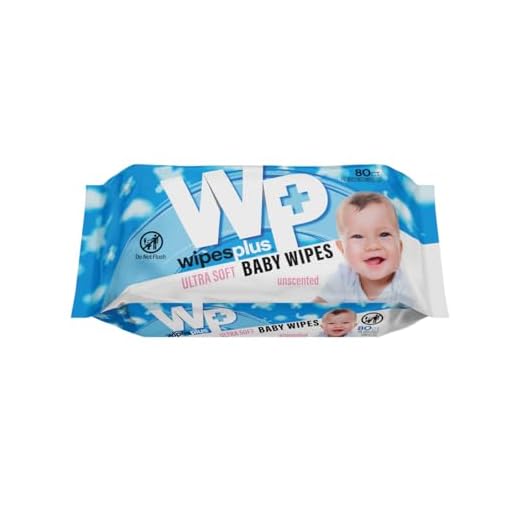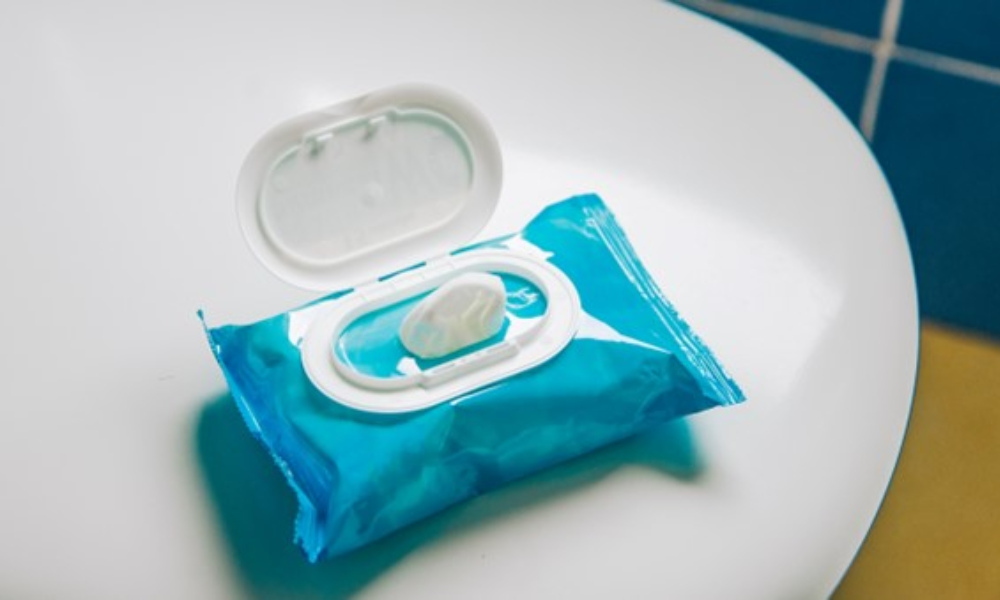
In the world of parenting, convenience often reigns supreme. Baby wipes have become an indispensable tool in our daily routines, offering quick and efficient clean-ups for everything from diaper changes to messy hands and faces. But as we reach for these handy little sheets, a question frequently pops up: can we simply flush them away when we’re done?
This seemingly innocent query has sparked debates and caused headaches for homeowners and municipalities alike. While the idea of flushing baby wipes might seem harmless at first glance, the reality is far more complex. The consequences of this simple action can range from minor inconveniences to major plumbing disasters.
In this comprehensive guide, we’ll dive deep into the world of baby wipes and their impact on our plumbing systems. We’ll explore the composition of these wipes, the potential risks of flushing them, and the alternatives available to us in 2025. Whether you’re a new parent, a seasoned caregiver, or simply someone curious about household best practices, this article will provide you with the knowledge you need to make informed decisions about disposing of baby wipes.
Understanding Baby Wipes: Composition and Types
Before we delve into whether baby wipes can be flushed, it’s crucial to understand what these convenient cleaning tools are made of. Baby wipes typically consist of a non-woven fabric material, often a blend of natural and synthetic fibers. These fibers are bonded together using various techniques, resulting in a strong, flexible sheet that can withstand the rigors of cleaning without falling apart.
Materials Used in Baby Wipes
The most common materials used in baby wipes include polyester, polypropylene, viscose, and cotton. Polyester and polypropylene are synthetic fibers known for their strength and durability. Viscose, a semi-synthetic fiber derived from wood pulp, offers a cloth-like feel. Some brands incorporate natural cotton fibers for added softness. These materials are chosen for their ability to hold moisture, maintain strength when wet, and provide a gentle touch on a baby’s sensitive skin. However, these same properties that make them excellent for cleaning can also make them problematic when it comes to disposal.
Types of Baby Wipes
Not all baby wipes are created equal. In recent years, manufacturers have introduced various types of wipes, each designed for specific purposes. Standard baby wipes are the most common type, used for diaper changes and general cleaning. Sensitive skin wipes are formulated with fewer ingredients for babies with delicate skin. Biodegradable wipes are made with more natural materials that break down more easily in the environment. Flushable wipes are marketed as safe for sewage systems, though their flushability is often debated. It’s important to note that even among these categories, there can be significant variations in composition and durability.
The Great Debate: To Flush or Not to Flush
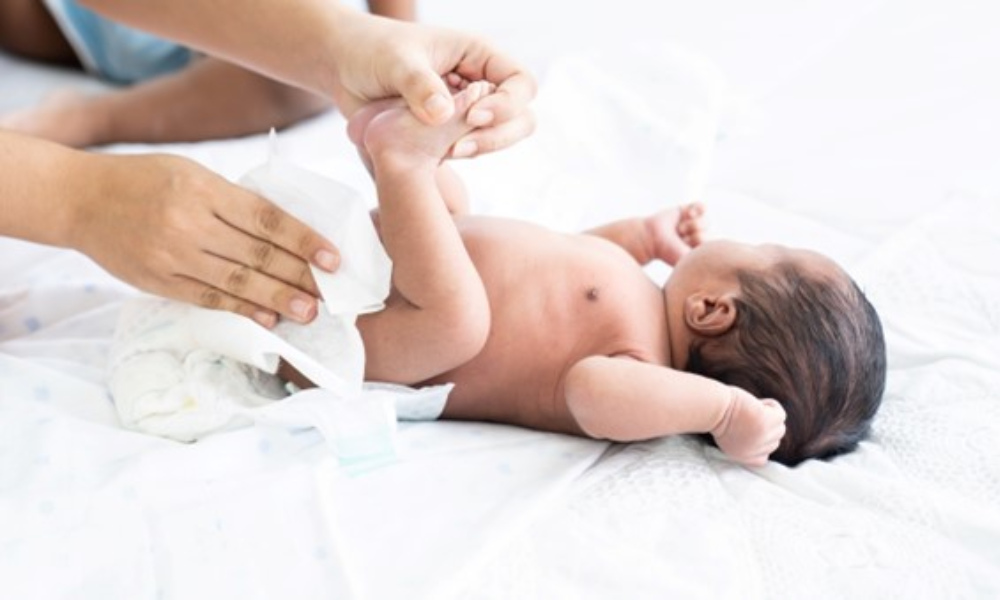
Now, let’s address the burning question: can you flush baby wipes? The short answer is no, you should not flush baby wipes, even those marketed as “flushable.” Here’s why:
The Problem with Flushing Baby Wipes
Unlike toilet paper, which is designed to break down quickly in water, baby wipes are engineered to maintain their strength when wet. This durability, while excellent for cleaning, becomes problematic once the wipes enter your plumbing system. When flushed, baby wipes don’t disintegrate. Instead, they can cause immediate clogs in your home’s plumbing, accumulate in your septic system leading to backups, and contribute to larger blockages in municipal sewer systems.
These issues aren’t just theoretical. In 2017, a massive 130-ton fatberg was discovered in the sewers of London, with baby wipes making up a significant portion of the mass. This fatberg, as long as 11 double-decker buses, serves as a stark reminder of the consequences of flushing non-flushable items.
The Myth of “Flushable” Wipes
You might be wondering about wipes labeled as “flushable.” While these products are marketed as safe for sewage systems, many experts and municipalities disagree. The problem lies in the lack of standardized testing and regulations for flushability claims. A study conducted by Ryerson University in 2019 tested 23 wipes labeled as flushable. None of them passed the flushability tests set by wastewater treatment associations. These wipes failed to break down sufficiently, potentially causing the same issues as standard baby wipes.
The Impact on Plumbing and Sewage Systems
When we flush baby wipes, the consequences extend far beyond our own homes. The impact on plumbing and sewage infrastructure can be significant and costly.
Home Plumbing Issues
In our homes, flushed wipes can cause immediate and costly problems. They can lead to toilet clogs, getting caught in the curves of your toilet’s plumbing, and causing backups. As wipes accumulate, they can form clogs in your home’s main sewer line, leading to pipe blockages. In homes with septic tanks, wipes can fill the tank faster and prevent proper decomposition of waste, potentially causing septic system failures. These issues often require professional intervention, leading to unexpected expenses and inconvenience.
Municipal Sewer System Challenges
On a larger scale, flushed wipes contribute to significant problems in municipal sewer systems. They can wrap around pump impellers at pump stations, causing equipment failure. When pipes become blocked, sewage can back up and overflow into streets or waterways. Municipalities spend millions annually to remove wipes and repair damage caused by them. For instance, New York City alone spends approximately $18.8 million per year dealing with wipe-related issues in its sewer system.
Environmental Concerns
Beyond the immediate plumbing problems, flushed wipes can have lasting environmental impacts. When sewer systems overflow, untreated wastewater can enter natural water bodies, leading to water pollution. As wipes break down, they can release microplastics into the environment. Marine animals can mistake wipes for food or become entangled in them, causing harm to wildlife. These environmental consequences underscore the importance of proper wipe disposal.
Alternatives to Flushing: Proper Disposal Methods
Given the problems associated with flushing baby wipes, it’s crucial to explore alternative disposal methods. The simplest and most effective method is to dispose of used wipes in the trash. You can use a diaper pail, which is specially designed to contain odors and make disposal convenient. If using a regular trash bin, seal wipes in small plastic bags before disposal. Remember to empty diaper pails or bins frequently to minimize odor and hygiene issues.
Some biodegradable wipes can be composted, but it’s important to check the manufacturer’s guidelines. Only compost wipes if they’re specifically labeled as home-compostable. Some wipes are suitable for industrial composting facilities, which use higher temperatures to break down materials.
While not widely available, some recycling programs accept certain types of wipes. Check for local options, as some communities have special recycling programs for baby products. A few wipe manufacturers offer recycling programs for their products.
Eco-Friendly Alternatives to Disposable Wipes
As we become more aware of the environmental impact of disposable products, many parents are seeking eco-friendly alternatives to traditional baby wipes. Cloth wipes offer a sustainable alternative to disposable ones. You can choose from organic cotton, bamboo, or microfiber cloths. Make your own wipe solution using water, gentle soap, and essential oils. Establish a regular washing routine to maintain cleanliness and hygiene.
If you prefer the convenience of disposable wipes, look for truly biodegradable options. Check for wipes certified as biodegradable by reputable organizations. Remember that even biodegradable wipes should not be flushed.
Sometimes, the simplest solution is the most effective. Use warm water and a soft washcloth for diaper changes at home. For on-the-go cleaning, carry a small spray bottle of water and reusable cloths.
FAQs
1. What happens if I accidentally flush a baby wipe?
If you accidentally flush a baby wipe, don’t panic, but monitor your plumbing closely. A single wipe may pass through without issue, but it could also catch on something and cause a blockage. If you notice slow draining or gurgling sounds in your pipes, contact a plumber. Avoid flushing more water down as this could exacerbate any potential blockage.
2. Are there any truly flushable wipes on the market?
While some wipes are marketed as “flushable,” most wastewater experts advise against flushing any type of wipe. Even wipes that break down more easily than others can still contribute to sewer system problems. The safest approach is to dispose of all wipes, regardless of their claims, in the trash.
3. How long does it take for a baby wipe to decompose in a landfill?
The decomposition time for baby wipes in a landfill can vary greatly depending on their composition. Traditional plastic-based wipes can take hundreds of years to break down. Biodegradable wipes may decompose in a few months under ideal conditions, but landfill conditions often slow this process significantly. This is why it’s important to consider eco-friendly alternatives when possible.
4. Can I compost baby wipes at home?
Most baby wipes are not suitable for home composting due to their synthetic materials and chemical treatments. However, some brands offer fully compostable wipes made from natural materials. Always check the packaging carefully and follow the manufacturer’s guidelines. Even compostable wipes should never be composted if they’ve been used with human waste.
5. How can I make my own reusable baby wipes?
Making reusable baby wipes is simple. Cut soft flannel or cotton into squares (about 8×8 inches works well). For the cleaning solution, mix 2 cups of warm water, 2 tablespoons of gentle baby soap, and 1 tablespoon of baby oil or coconut oil. Store the cloth wipes in this solution or keep them dry and use a spray bottle to dampen as needed. Wash the wipes with your regular laundry after use.
Final Thoughts
The debate over flushing baby wipes has shed light on a significant issue that impacts our homes, communities, and environment. As we’ve explored throughout this article, the convenience of disposable wipes comes at a cost that extends far beyond our immediate surroundings. The problems caused by flushing these wipes from household plumbing disasters to massive municipal sewer blockages highlight the need for more responsible disposal practices.
In 2025, we’re at a pivotal point where awareness of this issue is growing, but action is still needed. The good news is that we have a range of alternatives at our disposal. From proper trash disposal methods to eco-friendly reusable options, there are numerous ways we can maintain cleanliness and convenience without compromising our plumbing systems or the environment.
Education plays a crucial role in addressing this challenge. By spreading awareness about the impacts of flushing wipes and sharing knowledge about better disposal methods, we can collectively make a difference. It’s a small change in habit that can lead to significant positive outcomes for our infrastructure, our wallets, and our planet. Let’s embrace this opportunity to make more informed choices and contribute to a more sustainable future.
Shop Related Products