
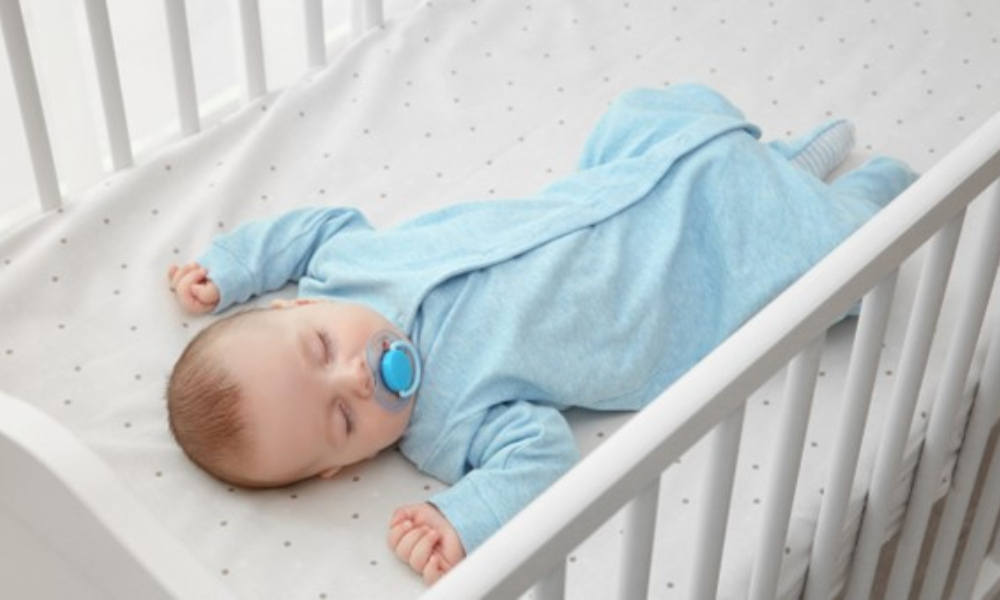
As new parents, we often find ourselves navigating the challenging waters of infant sleep. One tool that many of us turn to in our quest for peaceful nights is the pacifier. This small, seemingly simple device can play a significant role in helping our little ones settle down and fall asleep. However, incorporating a pacifier into sleep training can be a double-edged sword, offering both benefits and potential pitfalls.
In this comprehensive guide, we’ll explore the intricate relationship between pacifiers and sleep training. We’ll delve into the science behind why pacifiers can be effective sleep aids, discuss the pros and cons of their use, and provide practical strategies for integrating pacifiers into your sleep training routine. Our goal is to equip you with the knowledge and tools you need to make informed decisions about your baby’s sleep habits.
Whether you’re a first-time parent just starting your sleep training journey or a seasoned caregiver looking for new insights, this guide is designed to help you navigate the complex world of infant sleep. We’ll address common concerns, debunk myths, and offer evidence-based advice to help you and your little one achieve restful nights. So, let’s dive in and explore how pacifiers can be a valuable ally in your sleep training efforts.
Understanding the Role of Pacifiers in Sleep
Before we delve into sleep training strategies, it’s crucial to understand why pacifiers can be effective sleep aids for babies and toddlers. This knowledge will help us make informed decisions about when and how to use pacifiers in our sleep training efforts.
The Science Behind Pacifier Use
Pacifiers tap into a baby’s natural sucking reflex, which is not only essential for feeding but also serves as a powerful soothing mechanism. When babies suck on a pacifier, it triggers the release of endorphins, the body’s natural feel-good chemicals. This physiological response can help calm and relax your baby, making it easier for them to fall asleep.
Moreover, the rhythmic sucking motion can help regulate your baby’s breathing and heart rate, promoting a state of relaxation conducive to sleep. A study published in the Journal of Pediatrics in 2022 found that infants who used pacifiers during sleep had more stable heart rates and oxygen levels compared to those who didn’t.
Benefits of Pacifier Use for Sleep
Pacifiers can offer several benefits when it comes to sleep:
- Soothing Effect: As mentioned earlier, the sucking action can help calm and relax your baby, making it easier for them to fall asleep and stay asleep.
- Reduced SIDS Risk: The American Academy of Pediatrics (AAP) recommends pacifier use during sleep as it has been associated with a reduced risk of Sudden Infant Death Syndrome (SIDS). This protective effect is particularly significant in the first six months of life.
- Sleep Association: When used consistently, a pacifier can become a positive sleep association, signaling to your baby that it’s time to sleep.
- Pain Relief: Sucking on a pacifier can help alleviate discomfort from teething or minor illnesses, potentially leading to better sleep.
Potential Drawbacks of Pacifier Use
While pacifiers can be beneficial, it’s important to be aware of potential drawbacks:
- Dependency: Some babies may become overly reliant on the pacifier to fall asleep, which can be problematic if it falls out during the night.
- Dental Concerns: Prolonged pacifier use (typically beyond age 2-4) may affect tooth alignment or mouth shape. However, these effects are generally reversible if pacifier use is stopped early enough.
Incorporating Pacifiers into Sleep Training
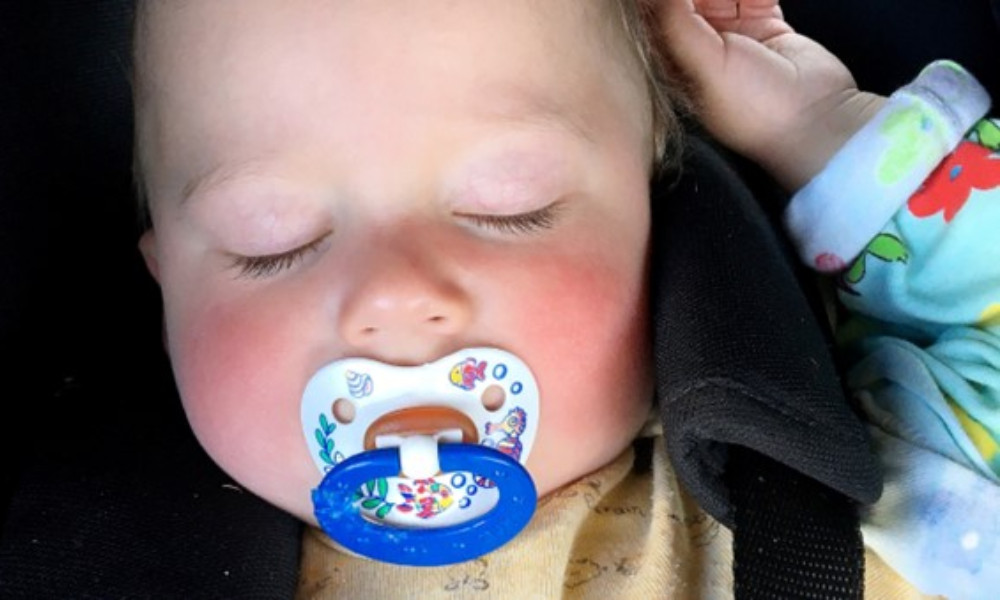
Now that we understand the role of pacifiers in sleep, let’s explore how to effectively incorporate them into your sleep training routine. Remember, every baby is unique, so what works for one may not work for another. It’s all about finding the right balance for your little one.
When to Introduce the Pacifier
Timing is crucial when introducing a pacifier for sleep training. As mentioned earlier, if you’re breastfeeding, it’s generally recommended to wait until breastfeeding is well-established, usually around 3-4 weeks. For bottle-fed babies, you can introduce the pacifier earlier if you choose.
Start by offering the pacifier when your baby is drowsy but not yet asleep. This helps them associate the pacifier with the process of falling asleep, rather than relying on it to stay asleep throughout the night.
Creating Positive Sleep Associations
Consistency is key when using a pacifier for sleep training. Try to make the pacifier part of your bedtime routine. For example, you might give your baby a warm bath, put on their pajamas, offer a feeding, and then give them the pacifier as you place them in their crib.
Over time, the pacifier can become a strong sleep cue, helping your baby understand that it’s time to wind down and prepare for sleep. This can be particularly helpful for babies who have difficulty transitioning from awake to asleep states.
Dealing with Nighttime Wakings
One challenge of using pacifiers for sleep is dealing with nighttime wakings when the pacifier falls out. Here are some strategies to help:
- Multiple Pacifiers: Place several pacifiers in the crib so your baby can easily find one if they wake up.
- The “Sprinkle” Technique: Scatter pacifiers around the crib so your baby can find one no matter where they roll.
- Gradual Removal: As your baby gets older, you can start gradually reducing pacifier use, beginning with naps and then nighttime sleep.
Remember, the goal is to help your baby sleep, not to create a new sleep problem. If you find yourself constantly replacing the pacifier throughout the night, it might be time to reassess your approach.
Age-Appropriate Pacifier Use in Sleep Training
As your baby grows, their sleep needs and patterns will change, and so should your approach to using pacifiers in sleep training. Let’s explore how pacifier use can evolve from infancy through toddlerhood.
1. Newborns and Young Infants (0-6 months)
For newborns and young infants, pacifiers can be particularly helpful in soothing and promoting sleep. At this age, babies have a strong sucking reflex, and the pacifier can satisfy this need when they’re not feeding.
When introducing the pacifier for sleep, offer it after feeding and when your baby is drowsy but still awake. This helps them learn to fall asleep with the pacifier rather than relying on feeding to sleep. Remember, at this age, frequent night wakings are normal and necessary for feeding, so don’t expect the pacifier to eliminate all night wakings.
2. Older Infants (6-12 months)
As your baby approaches the six-month mark, they may start to develop the ability to self-soothe. This is a great time to start teaching them to fall asleep without the pacifier in their mouth.
You might try putting your baby to bed with the pacifier, but not replacing it if it falls out during the night. This encourages them to find other ways to self-soothe, such as cuddling a lovey or sucking their thumb.
3. Toddlers (1-3 years)
For toddlers, pacifiers can become a comfort object that helps them feel secure and fall asleep. However, this is also the age when you might start thinking about phasing out pacifier use to prevent dental issues and encourage language development.
If you’re using a pacifier for sleep training with a toddler, consider limiting its use to sleep times only. You might also start talking to your child about “growing up” and gradually reducing pacifier use.
Troubleshooting Common Pacifier Issues in Sleep Training
Even with the best intentions, you may encounter some challenges when using pacifiers as part of your sleep training strategy. Here are some common issues and how to address them:
Pacifier Dependency
If your baby becomes overly dependent on the pacifier to fall asleep, try gradually reducing its use. Start by removing it from nap times, then bedtime. You can also try the “pull-out” method: gently remove the pacifier just as your baby is falling asleep to help them learn to sleep without it.
Frequent Night Wakings
If your baby is waking frequently to have the pacifier replaced, it might be creating more sleep disruptions than it’s solving. In this case, you might need to reconsider your pacifier strategy. You could try the multiple pacifier method mentioned earlier, or start working on phasing out nighttime pacifier use.
Pacifier Rejection
Sometimes, babies who previously accepted pacifiers might start rejecting them. This could be due to teething, illness, or simply a phase. If your baby rejects the pacifier, don’t force it. Instead, try other soothing methods like gentle rocking, white noise, or a lovey (for babies over 12 months).
Transitioning Away from Pacifiers
When it’s time to stop using pacifiers for sleep, make it a gradual process. You might start by limiting pacifier use to the crib only, then to nighttime only, and finally phasing it out completely. Some parents find success with the “pacifier fairy” concept, where the child gives up their pacifiers in exchange for a special gift.
Alternatives to Pacifiers in Sleep Training
While pacifiers can be effective sleep aids, they’re not the only tool in your sleep training toolkit. Here are some alternatives that can help your baby sleep without relying on a pacifier:
1. White Noise
White noise machines or apps can create a consistent, soothing background sound that helps mask sudden noises and promotes sleep. A study published in the journal Sleep in 2026 found that infants exposed to white noise fell asleep 30% faster than those in a quiet environment.
2. Swaddling
For younger babies, swaddling can provide a sense of security similar to being in the womb. This can help calm your baby and promote longer sleep periods. Just remember to stop swaddling once your baby shows signs of rolling over, typically around 2-3 months.
3. Bedtime Routine
A consistent bedtime routine can be a powerful sleep cue for babies and toddlers. This might include a warm bath, gentle massage, reading a story, or singing a lullaby. The key is consistency – doing the same activities in the same order each night helps signal to your baby that it’s time to sleep.
4. Sleep-Friendly Environment
Creating a sleep-friendly environment can make a big difference. This includes keeping the room dark (or using blackout curtains), maintaining a comfortable temperature (around 68-72°F or 20-22°C), and ensuring the sleep space is quiet and free from distractions.
FAQs
1. At what age should I start sleep training with a pacifier?
You can start introducing a pacifier for sleep as early as 3-4 weeks old for bottle-fed babies, or once breastfeeding is well-established (usually around 3-4 weeks) for breastfed babies. However, formal sleep training is generally recommended from around 4-6 months of age, when babies are developmentally ready to learn self-soothing skills. Always consult with your pediatrician before starting any sleep training method to ensure it’s appropriate for your baby’s age and development.
2. Can using a pacifier for sleep training lead to dental problems?
Prolonged pacifier use, typically beyond age 2-4, may potentially affect tooth alignment or mouth shape. However, these effects are generally reversible if pacifier use is stopped early enough. The American Academy of Pediatric Dentistry suggests that pacifier use in the first few years of life doesn’t typically cause long-term dental problems. It’s important to phase out pacifier use as your child grows, usually starting around age 2-4, to minimize any potential dental issues.
3. How can I prevent my baby from becoming too dependent on the pacifier for sleep?
To prevent pacifier dependency, try not to use it as the first solution for every fuss. Offer the pacifier when your baby is drowsy but still awake, rather than already asleep. As your baby grows, gradually reduce pacifier use, starting with daytime and then moving to nighttime. You can also try the “pull-out” method, where you gently remove the pacifier just as your baby is falling asleep, helping them learn to sleep without it in their mouth.
4. What should I do if my baby keeps waking up when the pacifier falls out?
If your baby is waking frequently due to losing the pacifier, you have a few options. You can try the “multiple pacifier” method, placing several pacifiers in the crib so your baby can easily find one. Alternatively, you might consider starting to phase out nighttime pacifier use. Begin by not replacing the pacifier if it falls out during the night. This can encourage your baby to find other ways to self-soothe and fall back asleep independently.
Final Thoughts
Sleep training with a pacifier can be an effective strategy for many families, offering a way to help babies and toddlers settle down and fall asleep more easily. The soothing effect of sucking can provide comfort and security, potentially leading to longer sleep periods and fewer night wakings. However, it’s important to approach pacifier use thoughtfully, considering both its benefits and potential drawbacks.
As with all aspects of parenting, there’s no one-size-fits-all solution when it comes to sleep training and pacifier use. What works best will depend on your individual child’s temperament, age, and sleep patterns. It’s crucial to remain flexible and willing to adjust your approach as your child grows and their needs change. Remember, the goal is not just to achieve best sleep in the short term, but to help your baby develop healthy sleep habits that will serve them well into childhood and beyond.
Ultimately, whether you choose to use a pacifier in your sleep training efforts or opt for alternative methods, the most important factors are consistency, patience, and responsiveness to your child’s needs. Trust your instincts as a parent, stay informed about best practices, and don’t hesitate to seek professional advice if you’re struggling. With time and persistence, you and your little one can achieve restful nights and peaceful sleep, setting the stage for healthy growth and development.
Shop Related Products


