Parenting brings a whirlwind of joys and challenges, and one common hurdle many face is the pacifier dilemma. While these small soothers can be a lifesaver in certain situations, there comes a time when we need to explore alternatives. Whether you’re looking to wean your toddler off their beloved binky or seeking different ways to comfort your little one from the start, you’re in the right place.
In today’s guide, we’ll delve into a variety of pacifier alternatives and soothing techniques that can help both you and your child navigate this transition smoothly. From innovative teething toys to time-tested comforting methods, we’ve got you covered with practical, effective solutions that go beyond the traditional pacifier.
So, if you’re ready to discover new ways to soothe your child without relying on pacifier use, let’s embark on this journey together. We’ll explore options that not only calm your little one but also support their development and well-being. Get ready to find the perfect alternative that works for your unique family situation.
Understanding The Need For Pacifier Alternatives
Before we dive into the alternatives, it’s crucial to understand why we might need to move away from pacifiers in the first place. Pacifiers, while helpful in many situations, can sometimes lead to dental issues, speech delays, or dependency if used excessively or for too long.
The American Academy of Pediatrics recommends limiting or stopping pacifier use around 6 months to prevent ear infections and suggests weaning from the pacifier between ages 2 and 4 to avoid dental problems. However, every child is different, and these are general guidelines. You know your child best, and the decision to transition away from a pacifier should be based on your child’s individual needs and development.
Benefits of Exploring Pacifier Alternatives
Moving beyond pacifiers can offer several benefits for your child. Improved oral development is a key advantage, as reducing pacifier use can help prevent dental issues like misaligned teeth or changes in the roof of the mouth. Enhanced speech development is another benefit, as, without a pacifier, children have more opportunities to practice making sounds and forming words.
Emotional regulation is also fostered when children learn to self-soothe without a pacifier, helping them develop important emotional regulation skills. Health-wise, limiting pacifier use, especially after 6 months of age, can lower the risk of middle ear infections. Lastly, transitioning away from pacifiers can lead to easier nighttime sleep with fewer wakings to replace a lost pacifier.
Comforting Objects as Pacifier Alternatives
One of the most effective ways to transition away from pacifier use is to introduce alternative comfort objects. These can provide a similar sense of security and soothing that a pacifier offers.
1. Soft Toys and Loveys
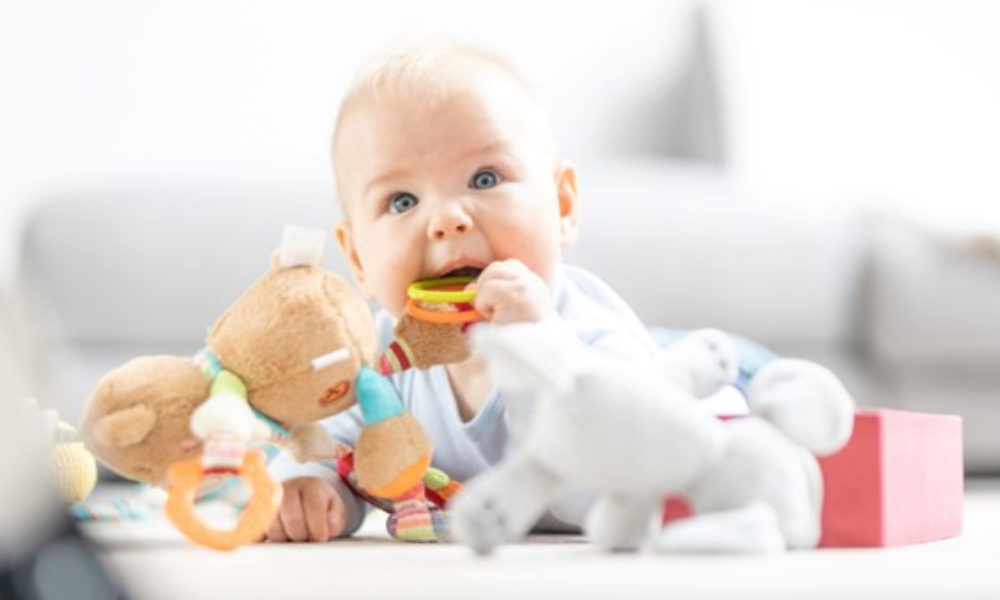
Soft toys or small blankets, often called “loveys,” can become cherished comfort objects for your child. These items can provide a tactile and emotional connection that soothes your little one. When choosing a lovey, opt for something small enough for your child to easily hold and carry around. Ensure it’s machine washable and consider having a backup in case one gets lost.
To help your child form an attachment to the lovey, incorporate it into your bedtime routine, keeping it near during story time or cuddles. Give the lovey a special name to make it more personable. You might also consider a scented lovey (using safe, child-friendly scents) to add an extra sensory element. Remember, it may take time for your child to form an attachment to a new comfort object, so be patient and consistent in offering it as an alternative.
2. Teething Toys
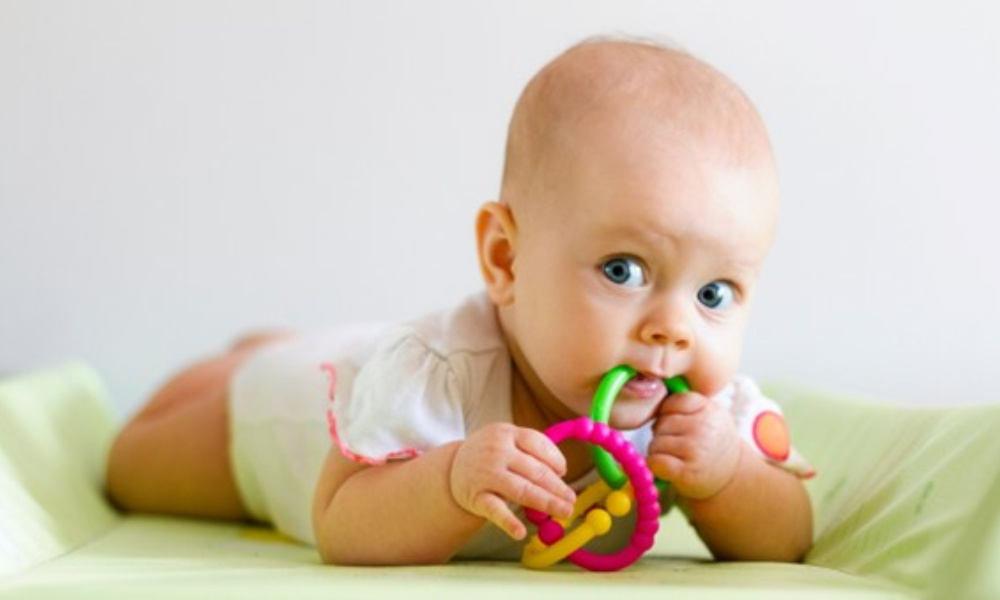
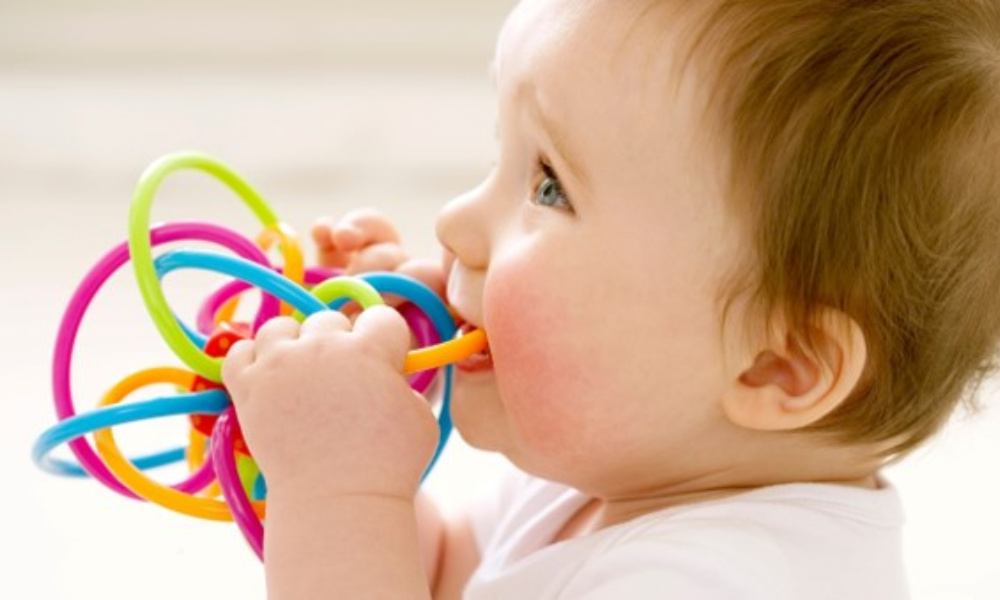
For younger children who are still teething, specialized teething toys can serve as excellent pacifier alternatives. These not only provide comfort but also help soothe sore gums. Look for teething toys that are made from safe, BPA-free materials, easy for small hands to grasp, textured to provide gum relief, and freezer-safe for extra soothing power.
Some popular options include silicone teething necklaces (worn by parents, not children), teething mittens, and textured teething rings. Always supervise your child when using teething toys and regularly check for signs of wear and tear. The right teething toy can provide both comfort and relief, making it an effective alternative to pacifier use.
Soothing Techniques Without Objects
While comfort objects can be helpful, it’s also valuable to teach your child self-soothing techniques that don’t rely on any physical items. These skills can serve them well throughout their lives.
1. Deep Breathing and Relaxation
Even young children can benefit from simple breathing exercises. You can make this fun and engage by pretending to blow out birthday candles, imagining blowing bubbles or using a pinwheel to visualize breath. For older toddlers, you can introduce basic guided relaxation. Have them lie down and imagine their favorite place or tell a calming story while they focus on taking slow, deep breaths. These techniques not only help in the moment but also provide valuable lifelong skills for managing stress and emotions.
2. Positive Self-Talk
Encourage your child to use positive self-talk when they’re feeling upset or anxious. This might sound like “I can do this”, “I am brave”, or “I am calm and relaxed”. Model this behavior yourself and praise your child when you hear them using positive self-talk. Over time, this practice can help build resilience and self-confidence, providing a powerful alternative to the comfort of a pacifier.
3. Physical Touch and Massage
Never underestimate the power of physical touch. A gentle back rub, foot massage, or even just holding hands can be incredibly soothing for a child. You can make this a special part of your bedtime routine or use it as needed during the day. For younger children, try gentle pressure on the palms or soles of the feet. This can be especially calming and may help replace the oral satisfaction they got from a pacifier. The key is to make these moments of touch feel special and comforting, creating a positive association that can rival the comfort of a pacifier.
Distraction Techniques
Sometimes, the best way to move past the need for a pacifier is to redirect your child’s attention. Here are some effective distraction techniques:
1. Engaging Activities
Keep a variety of engaging, age-appropriate activities on hand. This could include puzzles, coloring books and crayons, building blocks, or Play-Doh. These activities not only distract from the desire for a pacifier but also promote fine motor skills and creativity. The key is to have a variety of options available so you can switch things up and maintain your child’s interest. Remember, the goal is to engage your child’s mind and hands, providing a satisfying alternative to the pacifier.
2. Sensory Experiences
Sensory play can be incredibly soothing and distracting for children. Consider creating a sensory bin filled with items like dry rice or beans, water beads, shredded paper, or pom poms. Add scoops, funnels, and containers for extra fun. Always supervise children during sensory play, especially with small objects. The varied textures and sensations can provide a rich, engaging experience that captures your child’s attention and provides comfort in a new way.
3. Music and Movement
Music has a powerful effect on mood and can be an excellent tool for soothing without a pacifier. Try singing lullabies or favorite songs together, having a dance party to upbeat tunes, or playing calming classical music during quiet time. Incorporating movements, like gentle swaying or rocking, can enhance the calming effect of music. This combination of auditory and kinesthetic stimulation can be a powerful pacifier alternative, engaging multiple senses to provide comfort and distraction.
Nighttime Soothing Strategies
Nighttime can be particularly challenging when transitioning away from a pacifier. Here are some strategies to help your child sleep soundly without their binky:
1. Consistent Bedtime Routine
A predictable bedtime routine can provide the security and comfort your child might be seeking from a pacifier. Your routine might include a warm bath, putting on cozy pajamas, reading a favorite story, and singing a lullaby. The key is consistency – do the same activities in the same order each night to signal to your child that it’s time to wind down. This predictability can be very comforting and help ease the transition away from pacifier use.
2. White Noise or Soft Music
Background noise can be soothing and help mask household sounds that might disturb your child’s sleep. Consider using a white noise machine, a fan, or soft, instrumental music. Be sure to keep the volume at a safe level – around 50 decibels or lower, which is about the sound level of a quiet refrigerator. The constant, gentle sound can provide a comforting presence that may help replace the soothing effect of a pacifier.
3. Gradual Reduction
If you’re weaning an older child off a pacifier, a gradual approach can be effective. Start by limiting pacifier use to bedtime only, then gradually reduce the time they have it each night. You might give the pacifier at bedtime but remove it once they’re asleep, or allow the pacifier for the first 15 minutes of bedtime, then put it away. Some parents find success with the “Pacifier Fairy” concept, where the child trades their pacifier for a special gift. Remember, patience is key. This process can take time, and there may be setbacks along the way.
FAQs
1. At what age should I start transitioning my child away from a pacifier?
The ideal age can vary, but many experts recommend beginning the transition between 6 months and 1 year to prevent potential dental issues and speech delays. However, some children may use pacifiers up to age 2-4 without problems. It’s best to consult with your pediatrician to determine the right time for your child based on their individual development and needs.
2. How can I help my child cope with the emotional aspect of giving up their pacifier?
Acknowledge your child’s feelings and provide extra comfort during this transition. You can create a special “goodbye” ceremony for the pacifier, read books about giving up pacifiers, or use positive reinforcement techniques like sticker charts. Consistency, patience, and lots of cuddles can help your child feel secure during this change.
3. What if my child becomes overly attached to a new comfort object?
While comfort objects can be helpful, it’s important to encourage a balance. Set boundaries for when and where the object can be used, similar to pacifier rules. Gradually introduce other soothing techniques alongside the comfort object to prevent over-reliance. If you’re concerned about the level of attachment, consult with your pediatrician for personalized advice.
4. Are there any risks associated with using teething toys as pacifier alternatives?
While teething toys can be safe alternatives when used properly, it’s important to choose age-appropriate options and supervise use. Check toys regularly for signs of wear and tear, and avoid freezing solid teething rings as they can become too hard and potentially harm your child’s gums. Always follow manufacturer guidelines and consult your pediatrician if you have concerns.
5. How long does it typically take for a child to adjust to not using a pacifier?
The adjustment period can vary greatly from child to child. Some may adapt within a few days, while others might take several weeks. Consistency is key during this transition. If your child is struggling significantly after a few weeks, it might be helpful to reassess your approach or consult with your pediatrician for additional strategies tailored to your child’s needs.
Final Thoughts
Transitioning away from pacifier use is a significant milestone in your child’s development. While it may present challenges, it also offers opportunities for growth, both for your child and for you as a parent. By exploring these alternatives and soothing techniques, you’re equipping your child with valuable self-regulation skills that will serve them well beyond their early years.
Remember that every child is unique, and what works for one may not work for another. Don’t be afraid to mix and match these strategies or come up with your own creative solutions. The key is to approach this transition with patience, consistency, and lots of love and support.
As you navigate this journey, celebrate the small victories along the way. Each day without a pacifier is a step towards independence and emotional resilience. Trust in your child’s ability to adapt and grow, and in your own instincts as a parent. With time and persistence, you’ll find the perfect combination of soothing strategies that work for your family.
Shop Related Products