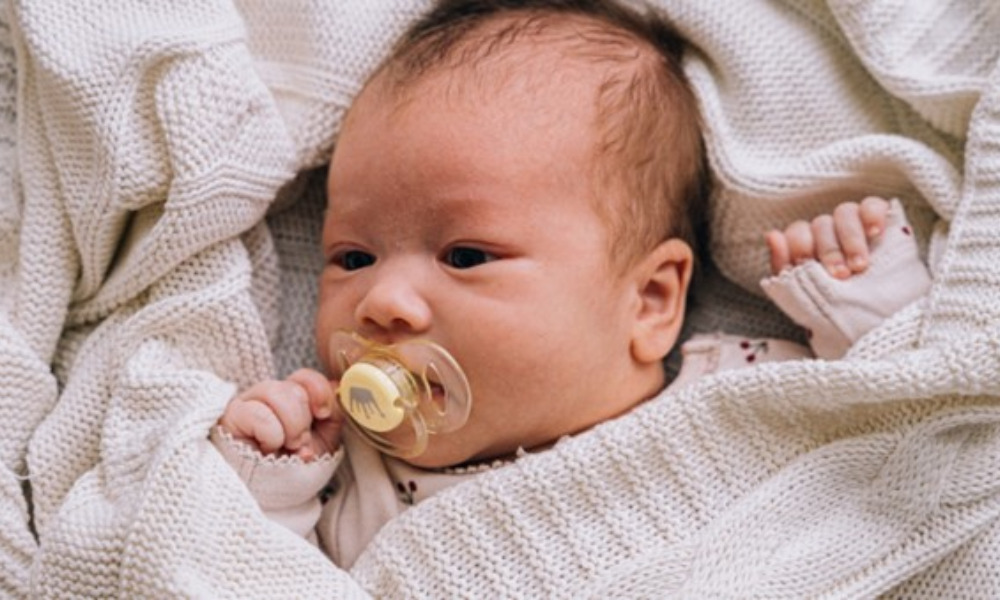
Navigating the world of baby products can be overwhelming, especially when it comes to finding the perfect pacifier for your breastfed baby. As parents, we want to provide comfort and soothing for our little ones while ensuring we don’t interfere with their breastfeeding journey. The right pacifier can be a game-changer, offering moments of calm for both baby and parent.
Choosing a pacifier for a breastfed baby requires careful consideration. We need to look at factors like nipple shape, material, and size to ensure it complements rather than competes with breastfeeding. The ideal pacifier should mimic the breast as closely as possible, promoting a natural sucking motion and reducing the risk of nipple confusion.
In this guide, we’ll explore the key features to consider when selecting a pacifier for your breastfed baby. We’ll delve into the benefits and potential drawbacks of pacifier use, discuss when and how to introduce a pacifier and highlight some top picks that have earned the trust of breastfeeding parents.
Understanding Pacifiers For Breastfed Babies
When it comes to choosing a pacifier for your breastfed baby, it’s crucial to understand how these soothing tools can impact your little one’s feeding habits. A pacifier, also known as a dummy or soother, is designed to satisfy a baby’s natural sucking reflex. For breastfed babies, the challenge lies in finding a pacifier that won’t interfere with their breastfeeding routine or cause nipple confusion.
Nipple confusion is a term used to describe a situation where a baby has difficulty switching between different nipple shapes, such as the breast and an artificial nipple. This can sometimes lead to breastfeeding difficulties. However, with the right pacifier and proper introduction, many breastfed babies can successfully use pacifiers without any negative impact on their feeding.
Benefits of Pacifier Use for Breastfed Babies
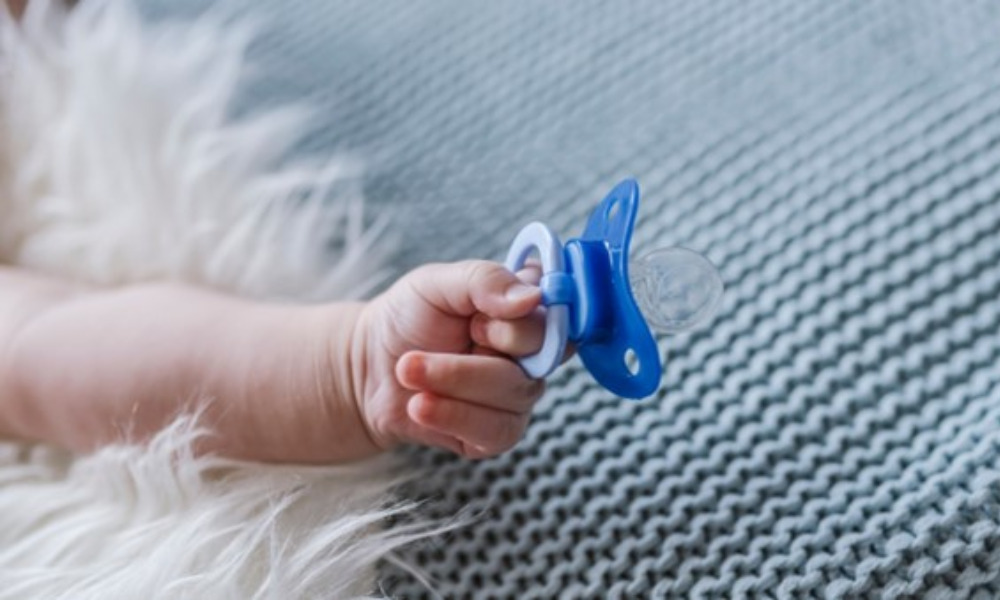
While some parents might be hesitant to introduce a pacifier to their breastfed baby, there are several potential benefits to consider:
Soothing Effect
Pacifiers can provide comfort to babies, especially during times when breastfeeding isn’t possible or practical. The sucking motion can help calm fussy babies and provide a sense of security.
Pain Relief
Studies have shown that pacifier use can help reduce pain in infants during minor medical procedures. A 2016 study published in the Journal of Pediatrics found that pacifier use, combined with sucrose, significantly reduced pain scores in newborns undergoing heel lance procedures.
Reduced SIDS Risk
The American Academy of Pediatrics (AAP) recommends pacifier use during sleep as it may help reduce the risk of Sudden Infant Death Syndrome (SIDS). However, it’s important to note that for breastfed infants, pacifier introduction should be delayed until breastfeeding is well-established, usually around 3-4 weeks of age.
Easier Sleep Transitions
Some babies find it easier to fall asleep or transition between sleep cycles with a pacifier. This can be particularly helpful for parents trying to establish healthy sleep routines.
Key Features to Consider
When selecting a pacifier for your breastfed baby, several key features can make a significant difference in its effectiveness and acceptance:
1. Nipple Shape
Look for pacifiers with a nipple shape that closely resembles the breast. Many brands offer “orthodontic” nipples that are designed to support proper oral development. These nipples are often flatter on the bottom and rounded on top, encouraging a natural sucking motion similar to breastfeeding.
2. Material
Silicone and latex are the most common materials used for pacifier nipples. A silicone pacifier is durable, easy to clean, and doesn’t retain odors. Latex is softer and more flexible but may not last as long and can cause allergic reactions in some babies. Consider your baby’s preferences and any potential allergies when choosing between these materials.
3. Size
Pacifiers come in different sizes to accommodate various age ranges. For newborns and young infants, choose a smaller size that won’t overwhelm their tiny mouths. As your baby grows, you can transition to larger sizes. Always check the manufacturer’s age recommendations to ensure you’re using the appropriate size for your baby.
4. Shield Design
The shield is the part of the pacifier that rests against your baby’s face. Look for a shield with ventilation holes to allow air circulation and prevent saliva buildup. A curved shield that hugs your baby’s face can provide a more comfortable fit and reduce the risk of irritation.
5. One-Piece Construction
For safety reasons, choose a pacifier with a one-piece design where the nipple and shield are molded together. This reduces the risk of the nipple detaching and becoming a choking hazard.
Top Pacifier Picks for Breastfed Babies
While every baby is unique and may have different preferences, here are some pacifiers that have received positive feedback from breastfeeding parents:
1. JollyPop Pacifier
The JollyPop Pacifier is a popular choice among breastfeeding families due to its thoughtful design and baby-friendly features. Made from 100% medical-grade silicone, it is soft, flexible, and designed to closely mimic the natural feel of a breast. This makes it an excellent choice for breastfed babies who may be sensitive to the transition between nursing and pacifier use.
One of the standout features of the JollyPop Pacifier is its lightweight construction, which prevents strain on your baby’s mouth. Additionally, the pacifier features a curved shield with ventilation holes, offering a snug and comfortable fit while minimizing saliva buildup. It is also highly durable, ensuring safety even with prolonged use.
Parents appreciate the JollyPop Pacifier for its easy-to-clean design. Since it is a single-piece construction, there are no small parts or seams that could harbor germs. Its design also meets strict safety standards, giving parents peace of mind. Available in various sizes, the JollyPop Pacifier provides options for both newborns and older infants, ensuring a comfortable fit for your baby at every stage.
2. Dr. Brown’s HappyPaci Pacifier
Dr. Brown’s HappyPaci Pacifier is another excellent option for breastfed babies. Known for its orthodontic design, this pacifier was created to support healthy oral development. The nipple is made of durable and soft medical-grade silicone, offering a shape that closely resembles the nipple of a baby bottle, which can ease the transition for breastfed infants.
The HappyPaci features a lightweight and ergonomic shield that is designed to contour comfortably to your baby’s face. It has large ventilation holes, allowing air circulation and reducing the risk of skin irritation or discomfort. This makes it a practical and comfortable option for daily use.
A unique feature of Dr. Brown’s HappyPaci is its wide base, which mimics the feel of a mother’s breast, helping to minimize nipple confusion. It’s also available in a one-piece design, ensuring a safer pacifier experience. Parents also appreciate its compatibility with other Dr. Brown products, making it a convenient and reliable choice.
3. Other Popular Pacifiers
JollyPop and Dr. Brown pacifiers are often top choices for breastfed babies, but there are plenty of other excellent options to consider. Brands like Philips Avent, MAM, and NUK offer pacifiers specifically designed to mimic the softness and shape of a natural nipple. Exploring different brands can help you find the perfect fit and comfort for your baby.
- Philips Avent Soothie
Widely recommended by hospitals and parents, the Philips Avent Soothie is a trusted favorite. Its one-piece silicone design is both durable and easy to clean. The nipple is thoughtfully crafted to support the natural development of your baby’s teeth and gums, making it a reliable choice for long-term use.
- MAM Pacifiers
MAM pacifiers are designed with a symmetrical nipple that ensures a comfortable fit in your baby’s mouth, no matter how it’s positioned. The shield includes large air holes for better breathability, while the soft, textured surface feels gentle against your baby’s skin—perfect for all-day comfort.
- Natursutten Natural Rubber Pacifier
For eco-conscious parents, the Natursutten pacifier is an excellent choice. Made from 100% natural rubber, it offers a round nipple shape that closely resembles the breast, making it an ideal option for breastfed babies. Its sustainable design provides peace of mind without compromising on quality or comfort.
When and How to Introduce a Pacifier
Introducing a pacifier to your baby can be a smooth process if approached at the right time and with a bit of patience. Experts generally recommend waiting until breastfeeding is well-established, typically around 3 to 4 weeks after birth, to avoid any potential nipple confusion. However, this timeline can vary depending on your baby’s needs and feeding patterns. If you’re bottle-feeding, you may start introducing a pacifier earlier, as there’s less risk of confusion.
When introducing a pacifier, start by choosing one that suits your baby’s age and preferences. Gently offer the pacifier after feeding or during times when your baby is fussing but not hungry. It’s important to allow the baby to accept the pacifier naturally, some babies may take to it right away, while others need more time to adjust. Avoid forcing the pacifier if your baby shows resistance, as this can create negative associations.
Using a pacifier can be a comforting tool for your baby, but it’s essential to monitor its use. Limit reliance on the pacifier by gradually weaning it once your baby reaches the recommended age, typically around 6 to 12 months, to prevent potential long-term issues such as dental misalignment.
FAQs
1. Can using a pacifier cause nipple confusion in breastfed babies?
While nipple confusion is a concern, it’s less likely if you introduce the pacifier after breastfeeding is well-established (usually around 3-4 weeks). Choose a pacifier with a nipple shape similar to the breast and offer it only after feeding sessions. If you notice any changes in your baby’s latch or feeding behavior, consult a lactation specialist.
2. How often should I replace my baby’s pacifier?
It’s recommended to replace pacifiers every 2 months or sooner if you notice signs of wear such as discoloration, tears, or cracks. Always inspect pacifiers regularly for damage and discard them immediately if any defects are found to ensure your baby’s safety.
3. Is it safe for my baby to sleep with a pacifier?
The American Academy of Pediatrics recommends offering a pacifier at naptime and bedtime to reduce the risk of SIDS. However, if the pacifier falls out during sleep, there’s no need to reinsert it. Always follow safe sleep guidelines and place your baby on their back in a crib free of other objects.
4. How can I clean and sterilize my baby’s pacifier?
For daily cleaning, wash the pacifier with hot, soapy water and rinse thoroughly. To sterilize, you can boil the pacifier for 5 minutes or use a sterilizing solution. Always let the pacifier cool completely before giving it to your baby. Avoid cleaning pacifiers in the dishwasher, as the heat can damage some materials.
Final Thoughts
Choosing the best pacifier for your breastfed baby is a personal decision that depends on your baby’s unique preferences and needs. The key is to find a balance between providing comfort and maintaining a successful breastfeeding relationship. By considering factors like nipple shape, material, and size, you can select a pacifier that complements your breastfeeding journey.
Remember that while pacifiers can be helpful tools, they’re not essential for every baby. Some infants may not take to pacifiers at all, and that’s perfectly normal. Trust your instincts as a parent and don’t hesitate to consult with your pediatrician or a lactation consultant if you have concerns about pacifier use and its impact on breastfeeding.
Ultimately, the best pacifier for your breastfed baby is one that provides comfort without interfering with feeding. As your baby grows and develops, their needs may change, so be prepared to adjust your approach to pacifier use accordingly. With patience and attention to your baby’s cues, you’ll find the right balance that works for your family.
Shop Related Products