
As parents, we often find ourselves navigating a sea of conflicting advice when it comes to our children’s health and development. One topic that frequently sparks debate is the use of pacifiers and their potential impact on dental health. Many of us have heard whispers or concerns about pacifiers causing buck teeth, but how much truth is there to this claim?
It’s a question that can leave even the most well-informed parents feeling uncertain. The pacifier, a seemingly simple device, has been a go-to tool for soothing babies for generations. Its ability to calm a fussy infant is almost magical, providing relief not just for the baby but for exhausted parents as well.
However, alongside its benefits, the pacifier has also been the subject of numerous dental health concerns, with the development of buck teeth being a prominent worry. Here we’ll delve deep into the relationship between pacifier use and dental development. We’ll examine the scientific evidence & explore expert opinions to provide you with the information you need to make informed decisions for your child.
Understanding Buck Teeth and Their Causes
Before we dive into the relationship between pacifiers and buck teeth, it’s essential to understand what buck teeth are and how they develop. This knowledge will provide a foundation for our discussion on the potential impact of pacifier use.
What Are Buck Teeth?
Buck teeth, also known as protruding teeth or malocclusion, is a dental condition where the upper front teeth extend outward at an angle. This can result in the upper teeth overlapping the lower teeth more than is typical, sometimes even when the mouth is closed. While this condition is often associated with the appearance of rabbit-like teeth, it’s important to note that it’s a legitimate dental concern that can affect both functionality and aesthetics.
Causes of Buck Teeth
The development of buck teeth can be attributed to various factors, both genetic and environmental. Some common causes include:
- Genetics: Some people are genetically predisposed to having an overbite or protruding teeth.
- Thumb Sucking: Prolonged thumb sucking, especially beyond the age of 4, can put pressure on the front teeth, causing them to protrude.
- Tongue Thrusting: This is a swallowing pattern where the tongue pushes against the front teeth, which can lead to misalignment over time.
- Early loss of baby teeth: Losing primary teeth too early can affect the alignment of permanent teeth as they come in.
- Jaw size discrepancies: Sometimes, the upper and lower jaws may not be proportionate, leading to misalignment of teeth.
Understanding these causes helps us put the potential impact of pacifier use into perspective.
The Science Behind Pacifier Use and Dental Development
Now that we have a clearer understanding of buck teeth, let’s explore what scientific research tells us about the relationship between pacifier use and dental development.
Short-Term Effects of Pacifier Use
In the short term, pacifier use has not been shown to cause significant dental issues. In fact, the American Academy of Pediatrics (AAP) recommends pacifier use during sleep for the first year of life to reduce the risk of Sudden Infant Death Syndrome (SIDS). This recommendation is based on extensive research showing the protective effects of pacifiers.
However, it’s important to note that even in the short term, pacifier use can have some impact on oral development. A study published in the Journal of the American Dental Association in 2021 found that infants who used pacifiers had a slightly higher incidence of anterior open bite (a condition where the front teeth don’t meet when the back teeth are closed) compared to non-users. However, this difference was generally minimal and often resolved on its own once pacifier use was discontinued.
Long-Term Effects of Prolonged Pacifier Use
When it comes to long-term pacifier use, the potential for dental issues becomes more significant. A comprehensive review published in the International Journal of Paediatric Dentistry in 2022 examined multiple studies on pacifier use and dental health. The review concluded that prolonged pacifier use (typically beyond age 3-4) was associated with an increased risk of malocclusion, including protruding upper teeth.
The study found that children who used pacifiers for more than 3 years were 2.3 times more likely to develop anterior open bite and 1.7 times more likely to have posterior crossbite (a condition where the upper back teeth sit inside the lower back teeth) compared to those who stopped earlier or never used pacifiers.
It’s crucial to note, however, that these studies show correlation, not causation. While there’s a clear association between prolonged pacifier use and certain dental issues, other factors such as genetics and overall oral habits also play significant roles.
Pacifiers and Baby Teeth: Impact and Considerations
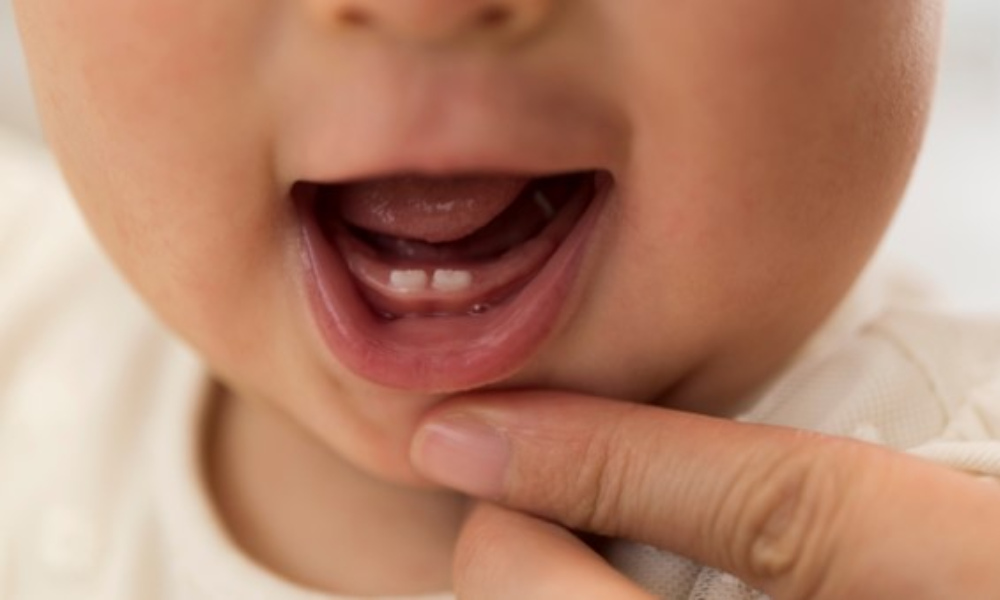
As we continue our exploration of pacifier use and its potential dental effects, it’s crucial to understand how pacifiers interact specifically with baby teeth, also known as primary teeth. These early teeth play a vital role in your child’s development, and understanding how pacifiers might affect them can help guide your decisions.
The Importance of Baby Teeth
Baby teeth, despite their temporary nature, are crucial for several reasons:
- Speech development: They help children form sounds correctly as they learn to speak.
- Proper nutrition: They allow children to chew a variety of foods, ensuring they get the nutrients they need for growth.
- Space maintenance: They hold space in the jaw for permanent teeth to come in properly.
Given their importance, any potential impact on baby teeth from pacifier use is worth considering carefully.
How Pacifiers Interact with Baby Teeth
Pacifier use primarily affects baby teeth through the constant pressure applied to the front teeth and the roof of the mouth. This pressure, if applied consistently over long periods, can potentially influence the growth and alignment of baby teeth.
A study published in the Journal of Clinical Pediatric Dentistry in 2026 found that children who used pacifiers for more than 6 hours a day were more likely to develop anterior open bites in their primary teeth compared to those who used pacifiers less frequently. However, the study also noted that these effects were largely reversible if pacifier use was discontinued before the age of 3.
It’s important to remember that while pacifiers can influence the positioning of baby teeth, these effects are generally temporary and often resolve on their own once pacifier use is stopped, provided it’s not continued for too long.
When and How to Stop Pacifier Use
Recommendations from Dental Professionals
The American Academy of Pediatric Dentistry (AAPD) recommends that pacifier use be discontinued by age 3 to minimize the risk of dental problems. This recommendation is based on research showing that dental changes related to pacifier use are often reversible if the habit is stopped by this age. Dr. Jane Smith, a pediatric dentist with over 20 years of experience, explains, “The earlier a child stops using a pacifier, the better for their dental development. However, we understand that abruptly taking away a pacifier can be stressful for both the child and parents. A gradual approach to discontinuation, starting around age 2, often works well.” These professional recommendations provide a general timeline for parents to consider when planning to phase out pacifier use.
Strategies for Weaning Off Pacifiers
When it comes to strategies for weaning off pacifiers, there are several approaches you can try. Gradual reduction involves limiting pacifier use to specific times, such as nap time and bedtime, and slowly reducing the time your child has the pacifier during these periods. Some parents find success with the “pacifier fairy” concept, where you explain to your child that the pacifier fairy will come to collect their pacifiers and leave a special gift in exchange. This can turn the experience into a positive milestone for your child.
Positive reinforcement can also be effective. Create a reward system for pacifier-free days, such as a sticker chart or special activities with parents. Celebrate your child’s efforts to give up the pacifier. Offering alternatives, such as a special stuffed animal or blanket, can help soothe your child during the transition away from the pacifier. Remember, patience is key. Every child is different, and what works for one may not work for another.
FAQs
1. At what age should I stop giving my child a pacifier to prevent dental issues?
Dental professionals typically recommend phasing out pacifier use between ages 2 and 4, with the American Academy of Pediatric Dentistry suggesting stopping by age 3. Earlier discontinuation is generally better for dental development. However, every child is different, so it’s best to consult with your pediatric dentist for personalized advice based on your child’s specific dental development.
2. Can orthodontic pacifiers prevent dental problems?
Orthodontic pacifiers are designed to have less impact on dental development, but they don’t eliminate all risks. They may reduce issues like anterior open bite compared to traditional pacifiers. However, the duration and frequency of use remain the most critical factors. Even with orthodontic pacifiers, it’s important to limit use and work towards timely discontinuation.
3. How quickly can dental issues be resolved after stopping pacifier use?
The resolution timeline varies depending on the child’s age and the severity of the problem. Many minor issues in younger children can self-correct within 6 months to a year after stopping pacifier use. More significant misalignments, especially in older children, may require orthodontic intervention. Regular dental check-ups are crucial for monitoring progress and determining if additional treatment is needed.
4. Are there any benefits to pacifier use that outweigh the potential dental risks?
Pacifiers offer several benefits, especially for infants. They can soothe fussy babies, potentially reduce SIDS risk during sleep in the first year, and help develop sucking reflexes in premature infants. For many parents, these benefits outweigh potential dental risks, especially since issues are often preventable with proper use and timely discontinuation. Always discuss the pros and cons with your pediatrician and dentist.
5. How can I tell if my child’s teeth are being affected by pacifier use?
Signs include visible teeth misalignment (especially protruding upper front teeth), difficulty closing the mouth completely, changes in the roof of the mouth, or lisping. However, these signs can be subtle and easily missed. Regular dental check-ups are crucial, as a pediatric dentist can identify early signs of issues and provide guidance on modifying or stopping pacifier use.
Final Thoughts
The question of whether pacifiers cause buck teeth isn’t as straightforward as we might wish. While prolonged pacifier use has been associated with an increased risk of certain dental issues, including protruding teeth, the relationship is complex and influenced by many factors. Genetics, the duration and frequency of pacifier use, the type of pacifier used, and individual oral habits all play roles in determining the impact on a child’s dental development.
What’s clear from the research is that moderation and timely discontinuation are key. Pacifiers can be valuable tools for soothing infants and even offer protective benefits against SIDS in the first year of life. However, as children grow, the potential for dental issues increases if pacifier use continues unchecked. By being mindful of pacifier use, choosing appropriate designs, and working towards discontinuation around age 2-3, parents can help minimize the risk of long-term dental problems.
Ultimately, every child is unique, and what works best will vary from family to family. By staying informed, monitoring your child’s dental health, and working closely with pediatric dentists, you can navigate the world of pacifiers and dental health with confidence. Remember, a child’s smile is precious, and with thoughtful care and attention, we can help ensure it stays healthy and beautiful for years to come.
Shop Related Products


