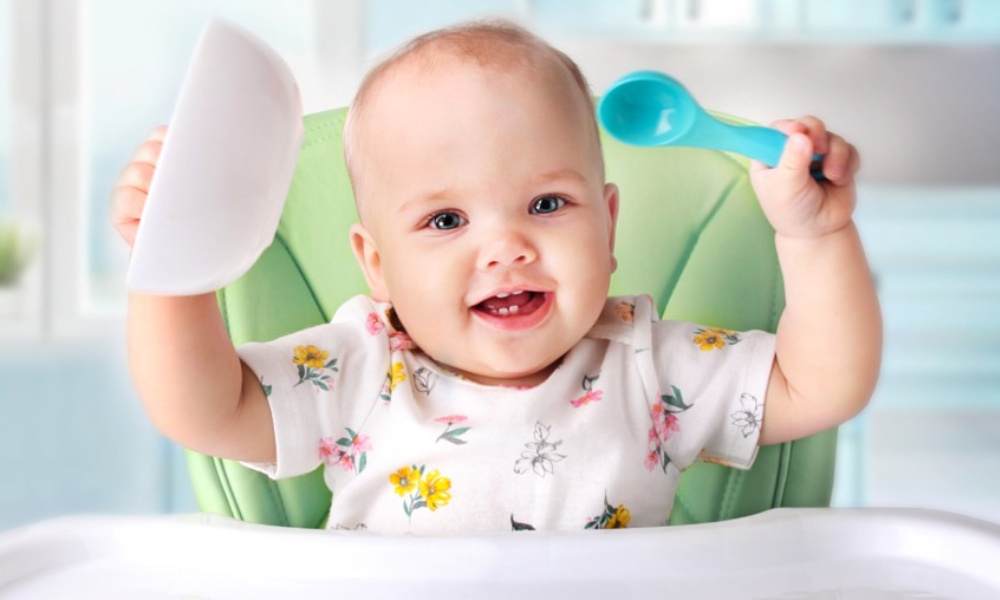
Introducing solid foods to your baby is an exciting milestone in their development. For vegan families, this journey takes on an additional layer of consideration as you navigate the world of plant-based nutrition for your little one. Baby-led weaning, a method that encourages self-feeding from the start, aligns beautifully with the principles of a vegan lifestyle, promoting independence and a healthy relationship with food from an early age.
Combining baby-led weaning with a vegan diet offers a unique opportunity to introduce your child to a diverse array of plant-based foods, textures, and flavors. This approach not only supports your family’s ethical and environmental choices but also lays the foundation for a lifetime of nutritious eating habits. By allowing your baby to explore and self-feed, you’re fostering their autonomy and helping them develop crucial motor skills.
In this guide, we’ll explore the ins and outs of vegan baby-led weaning, addressing common concerns, offering practical tips, and providing a wealth of plant-based food ideas to get you started. We’ll dive into the nutritional considerations specific to vegan diets for infants and share strategies to ensure your baby receives all the essential nutrients they need for healthy growth and development. Let’s embark on this flavorful journey of plant-based starting solids together!
Understanding Baby-Led Weaning
Baby-led weaning (BLW) is an approach to introducing solid foods that skip purees and spoon-feeding in favor of allowing babies to self-feed finger foods from the very beginning. This method, popularized by Gill Rapley in her book “Baby-Led Weaning: Helping Your Baby to Love Good Food,” encourages babies to explore food at their own pace, develop motor skills, and learn to regulate their food intake.
Key Principles of Baby-Led Weaning
The core principle of baby-led weaning is trust, trust in your baby’s ability to feed themselves and to know when they’re hungry or full. With BLW, babies are offered whole pieces of food that they can grasp and bring to their mouths independently. This approach allows babies to:
Explore different textures and flavors at their own pace Develop hand-eye coordination and fine motor skills Learn to chew food before swallowing, potentially reducing the risk of choking Participate in family meals from an early age Develop a positive relationship with food and eating
When to Start Baby-Led Weaning
Most experts recommend starting solid foods, including baby-led weaning, around 6 months of age. By this time, most babies have reached the developmental milestones necessary for safe self-feeding, such as:
- Being able to sit up with minimal support
- Having a good head and neck control
- Losing the tongue-thrust reflex (which pushes food out of the mouth)
- Showing interest in food and reaching for it
It’s important to note that every baby develops at their own pace, so always consult with your pediatrician before starting solid foods.
Vegan Baby-Led Weaning: Nutritional Considerations
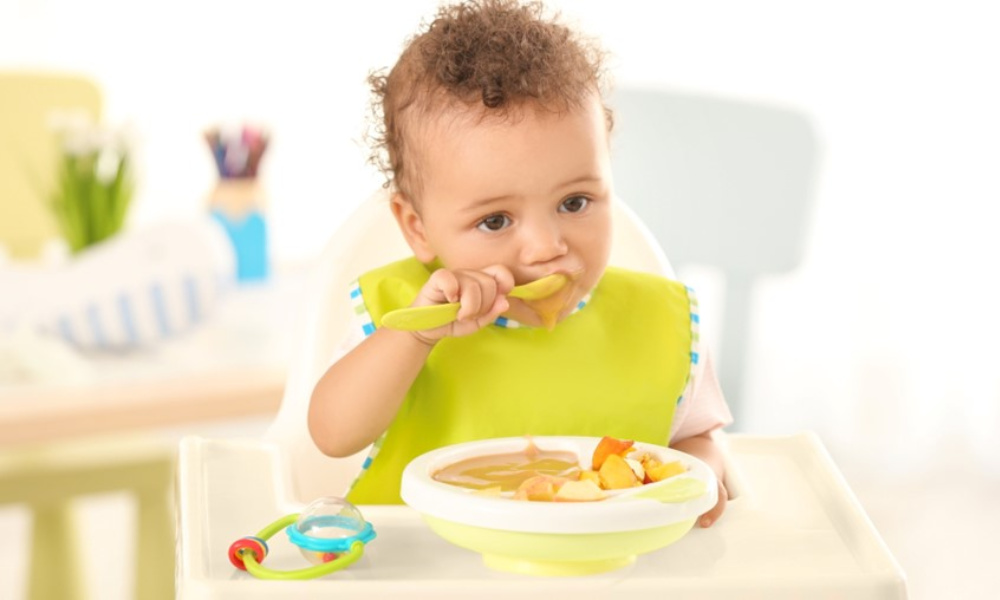
When combining baby-led weaning with a vegan diet, it’s crucial to ensure your little one receives all the necessary nutrients for optimal growth and development. While a well-planned vegan diet can meet all nutritional needs, there are some key nutrients that require special attention:
1. Protein
Protein is essential for growth and development. Vegan sources of protein suitable for baby-led weaning include:
- Tofu: Cut into strips or cubes for easy grasping.
- Legumes: Well-cooked beans, lentils, or chickpeas mashed or served whole if soft enough.
- Nut butter: Thinly spread on toast fingers (be cautious with whole nuts due to choking hazards).
2. Iron
Iron is crucial for brain development and preventing anemia. Vegan iron sources include:
- Iron-fortified cereals: Look for cereals specifically formulated for infants.
- Leafy greens: Offer well-cooked spinach or kale in manageable pieces.
- Legumes: Beans and lentils are good sources of iron.
To enhance iron absorption, pair these foods with vitamin C-rich fruits like strawberries or citrus.
3. Calcium
Calcium is vital for bone development. Vegan calcium sources suitable for BLW include:
- Calcium-fortified plant milk (for cooking, not as a main drink)
- Tofu prepared with calcium sulfate
- Leafy greens like kale and bok choy
4. Vitamin B12
Vitamin B12 is essential for neurological development and is primarily found in animal products. For vegan infants, supplementation is usually necessary. Consult with your pediatrician about B12 supplements or look for fortified foods like nutritional yeast.
5. Omega-3 Fatty Acids
These are crucial for brain and eye development. Vegan sources include:
- Ground flaxseeds or chia seeds (can be sprinkled on other foods).
- Walnuts (finely ground due to choking hazard).
- Algae-based omega-3 supplements (consult with your pediatrician).
Getting Started with Vegan Baby-Led Weaning
Embarking on your vegan baby-led weaning journey can be both exciting and a little nerve-wracking. Here are some tips to help you get started:
1. Preparing Your Space
Create a safe, comfortable eating environment. Use a sturdy high chair that allows your baby to sit upright. Consider using a splash mat under the high chair for easier cleanup, things can get messy with BLW!
2. Choosing First Foods
When selecting the first foods for vegan baby-led weaning, opt for nutrient-dense options that are easy for your baby to grasp. Some excellent choices include:
- Steamed vegetable sticks: Carrots, broccoli, or sweet potato cut into finger-sized pieces
- Ripe fruit slices: Avocado, banana, or mango
- Tofu strips: Firm tofu cut into manageable pieces
Remember to avoid adding salt or sugar to your baby’s food, and always supervise meal times.
3. Ensuring Food Safety
Food safety is paramount in baby-led weaning. Always make sure that:
- Foods are cooked until soft enough to be easily mashed between your fingers.
- Pieces are large enough for your baby to hold but not so large that they could choke.
- You avoid common choking hazards like whole grapes or cherry tomatoes (cut these into quarters).
- You never leave your baby unattended while eating
Expanding Your Baby’s Palate
As your baby becomes more comfortable with solid foods, you can start introducing a wider variety of vegan options. This is an excellent opportunity to expose your little one to diverse flavors and textures:
1. Grains and Cereals
Offer a variety of whole grains to provide energy and fiber:
- Oatmeal Fingers: Cook oatmeal until very thick and cut into strips.
- Quinoa Patties: Mix cooked quinoa with mashed vegetables and shape into small patties.
- Rice Cakes: Look for unsalted varieties
2. Legumes and Pulses
Legumes are excellent sources of protein and iron:
- Hummus: Spread on toast fingers or use as a dip for vegetable sticks.
- Lentil patties: Mix cooked lentils with grated vegetables and form into small patties.
- Bean mash: Mash well-cooked beans and offer as a spread or dip
3. Fruits and Vegetables
Introduce a rainbow of fruits and vegetables to provide various vitamins and minerals:
- Roasted vegetable wedges: Try zucchini, pumpkin, or eggplant.
- Steamed fruit: Apples or pears cooked until soft but still holding their shape.
- Berry compote: Mash soft berries for a naturally sweet treat
4. Plant-Based Fats
Healthy fats are crucial for brain development:
- Avocado slices: Ripe avocado is perfect for little hands
- Nut butter: Thinly spread on toast or fruit slices (always supervise due to potential choking risk)
- Coconut: Offer small pieces of soft, young coconut meat
Meal Planning For Vegan Baby-Led Weaning
Creating balanced, nutritious meals for your vegan baby doesn’t have to be complicated. Here are some ideas to get you started:
1. Breakfast Ideas
- Banana pancakes: Mash banana with ground flaxseed and a bit of plant milk, and cook into small pancakes.
- Tofu scramble: Crumble firm tofu and cook with finely chopped vegetables.
- Overnight oats: Soak oats in fortified plant milk overnight, top with mashed fruit in the morning
2. Lunch Options
- Veggie and bean burger: Mix mashed beans with grated vegetables, form into patties and bake
- Tofu fingers: Cut firm tofu into strips, coat with nutritional yeast, and bake until crispy
- Stuffed bell peppers: Fill soft-cooked bell pepper strips with mashed lentils or quinoa
3. Dinner Suggestions
- Sweet potato curry: Cook sweet potato chunks in a mild, coconut-milk-based curry sauce
- Pasta shapes with vegetable sauce: Offer cooked pasta shapes with a smooth vegetable-based sauce
- Vegetable and tofu stir-fry: Cut vegetables and tofu into strips and stir-fry until soft
Remember to always adapt the texture and size of foods to your baby’s developmental stage and always supervise mealtimes.
Addressing Common Concerns
As you embark on your vegan baby-led weaning journey, you may encounter some concerns. Let’s address a few common ones:
Choking Worries
Many parents worry about choking with baby-led weaning. While it’s important to be vigilant, studies have shown that BLW doesn’t increase choking risk compared to traditional weaning when done correctly. Always ensure foods are soft enough to be mashed between your fingers and avoid common choking hazards.
Ensuring Adequate Nutrition
A well-planned vegan diet can meet all your baby’s nutritional needs. However, it’s crucial to pay special attention to certain nutrients like B12, iron, and omega-3s. Regular check-ups with your pediatrician and potentially working with a registered dietitian can help ensure your baby is thriving.
Dealing with Mess
Baby-led weaning can be messy! Embrace the mess as part of the learning process. Use bibs, splash mats, and easy-to-clean high chairs to make cleanup easier. Remember, this messy exploration is helping your baby develop important skills and a healthy relationship with food.
FAQs
1. Is a vegan diet safe for babies?
A well-planned vegan diet can be safe and healthy for babies. However, it requires careful attention to ensure all nutritional needs are met, especially for nutrients like vitamin B12, iron, and omega-3 fatty acids. It’s crucial to consult with a pediatrician or registered dietitian to ensure your baby’s diet is balanced and complete. They may recommend supplements, particularly for vitamin B12, which is not naturally present in plant foods.
2. How can I ensure my baby gets enough iron on a vegan diet?
Good vegan sources of iron include iron-fortified infant cereals, well-cooked leafy greens, legumes, and tofu. To enhance iron absorption, pair these foods with vitamin C-rich fruits like strawberries or citrus. Cooking in cast iron pans can also increase the iron content of foods. If you’re concerned about iron intake, discuss with your pediatrician who may recommend an iron supplement.
3. What are some easy first foods for vegan baby-led weaning?
Great first foods for vegan baby-led weaning include steamed vegetable sticks (like carrots or broccoli), ripe fruit slices (such as banana or avocado), tofu strips, and cooked bean patties. Ensure all foods are soft enough to be easily mashed between your fingers and cut into sizes that your baby can easily grasp. Always supervise your baby during mealtimes and avoid common choking hazards.
4. How do I know if my baby is getting enough nutrients with vegan baby-led weaning?
Regular check-ups with your pediatrician are crucial to monitor your baby’s growth and development. They may recommend blood tests to check for any nutrient deficiencies. Signs that your baby is thriving include steady weight gain, meeting developmental milestones, and having energy for play. If you have concerns, consider working with a registered dietitian who specializes in vegan infant nutrition for personalized advice.
Final Thoughts
Vegan baby-led weaning offers a wonderful opportunity to introduce your little one to the diverse and delicious world of plant-based eating. By allowing your baby to explore foods at their own pace, you’re fostering independence, developing motor skills, and laying the foundation for a lifetime of healthy eating habits.
While it requires some extra planning and attention to ensure all nutritional needs are met, a vegan baby-led weaning approach can be just as nourishing and beneficial as any other weaning method. The key is variety offer a wide range of plant-based foods to provide all the necessary nutrients for your growing baby.
Always remember that every baby is unique, and what works for one might not work for another. Be patient, stay flexible, and enjoy this exciting phase of your baby’s development. With careful planning and a positive attitude, vegan baby-led weaning can be a joyful, rewarding experience for both you and your little one.
Shop Related Products