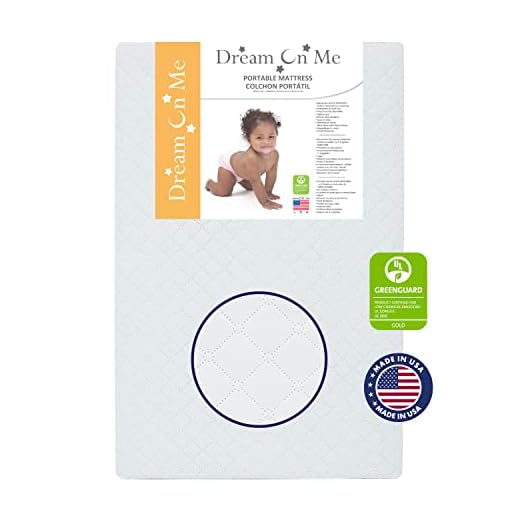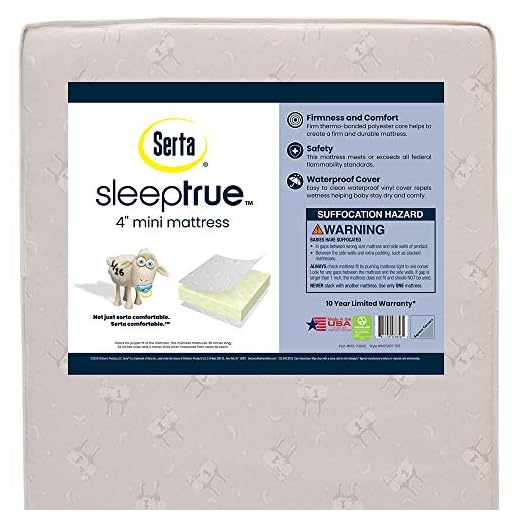
Preparing for a new baby brings excitement and a long list of essential items to acquire. Among these, choosing the right mini crib mattress stands out as a crucial decision for parents. This compact sleeping solution offers a perfect blend of space-saving design and comfort for your little one.
Understanding mini crib mattress sizes is vital for creating a snug and secure sleep environment. These specialized mattresses are tailored to fit smaller cribs, making them ideal for urban dwellings, grandparents’ homes, or as secondary sleeping options. Their unique dimensions require careful consideration to ensure a proper fit and optimal safety for your baby.
We’ve crafted this guide to help you navigate the world of mini crib mattresses in 2026. From exploring standard sizes to discussing key features, we’ll equip you with the knowledge to make an informed choice. Let’s dive into the details of mini crib mattress sizes and discover how to select the best option for your precious little one.
Mini Crib Mattress Dimensions
When it comes to mini crib mattresses, size matters, and understanding the standard dimensions is crucial for ensuring a proper fit in your chosen mini crib. Let’s explore the typical measurements you’ll encounter in the market.
Standard Mini Crib Mattress Size
The standard mini crib mattress size is typically 24 inches wide by 38 inches long. This compact design is significantly smaller than a full-size crib mattress, which usually measures 28 inches wide by 52 inches long. The reduced dimensions make mini crib mattresses perfect for smaller nurseries or multi-purpose rooms where space is at a premium.
It’s important to note that while these are the standard dimensions, there can be slight variations among manufacturers. Always double-check the exact measurements of both your mini crib and the mattress you’re considering to ensure a proper fit.
Thickness Considerations
Mini crib mattress thickness is another crucial factor to consider. The ideal thickness for a mini crib mattress ranges from 3 to 6 inches. This range provides adequate support for your baby while ensuring the mattress fits snugly within the mini crib’s frame.
When selecting the thickness, keep in mind that a thicker mattress doesn’t necessarily mean better quality or comfort. The key is to find a balance between support and proper fit. A mattress that’s too thick might reduce the crib’s side height, potentially compromising safety.
Why Size Matters in Mini Crib Mattresses
Choosing the correct size for a mini crib mattress is not just about aesthetics or convenience; it’s a matter of safety and comfort for your baby. Let’s delve into why getting the size right is so crucial.
1. Safety First: Preventing Gaps
The primary reason for emphasizing the correct mattress size is safety. A properly sized mini crib mattress should fit snugly within the crib frame, leaving no more than two fingers’ width of space between the mattress edge and the crib sides. This snug fit is essential to prevent dangerous gaps where a baby could potentially become trapped.
Gaps between the mattress and crib sides pose a significant suffocation risk. Infants can roll or scoot into these spaces, potentially leading to injury or worse. By ensuring your mini crib mattress fits perfectly, you create a safer sleep environment for your little one.
2. Comfort and Support
A correctly sized mattress also provides optimal comfort and support for your baby. When the mattress fits properly, it creates a stable sleeping surface that supports your infant’s developing body. This proper support is crucial for healthy growth and restful sleep.
Moreover, a well-fitted mattress stays in place better, reducing the likelihood of it shifting during the night. This stability contributes to a more consistent and comfortable sleep experience for your baby.
Types of Mini Crib Mattresses

When shopping for a mini crib mattress, you’ll encounter various types, each with its own set of benefits. Understanding these options will help you choose the best crib mattress for your baby’s needs.
1. Foam Mini Crib Mattresses
Foam mini crib mattresses are popular among parents for several reasons. They’re lightweight, making them easy to lift when changing sheets or cleaning the crib. High-quality foam mattresses provide excellent support and can be quite durable.
When considering a foam mini crib mattress, look for options made from high-density foam. These mattresses offer better support and maintain their shape over time. Many foam mattresses also come with waterproof covers, which is a practical feature for inevitable spills and accidents.
One advantage of foam mattresses is their ability to conform to your baby’s body, potentially offering better comfort. However, ensure the foam is firm enough to provide adequate support for your infant’s developing body.
2. Innerspring Mini Crib Mattresses
Innerspring mini crib mattresses are another excellent option. These mattresses use a system of coils covered with padding and fabric to provide support. They tend to be more durable than foam mattresses and can offer superior edge support.
When shopping for an innerspring mini crib mattress, pay attention to the coil count and gauge. A higher coil count generally indicates better support, while a lower gauge number means thicker, more durable springs. Look for mattresses with at least 80 coils for a mini crib size.
Innerspring mattresses often provide better air circulation, which can be beneficial in regulating your baby’s body temperature during sleep. They’re also typically more resistant to sagging over time compared to foam options.
3. Organic Mini Crib Mattresses
For parents concerned about environmental impact and potential chemical exposure, organic mini crib mattresses are an excellent choice. These mattresses are made from natural materials like organic cotton, wool, or natural latex.
Organic mattresses often come with certifications like GOTS (Global Organic Textile Standard) or GOLS (Global Organic Latex Standard), ensuring the materials meet strict organic standards. They’re free from harmful chemicals and flame retardants, providing a pure sleep environment for your baby.
While organic mini crib mattresses can be more expensive, many parents find the peace of mind worth the investment. These mattresses are often highly durable and can be passed down to siblings or friends once your child outgrows the mini crib.
Key Features to Consider in Mini Crib Mattresses
When selecting a mini crib mattress, several key features can enhance your baby’s comfort and safety. Let’s explore these important attributes to help you make an informed decision.
Firmness Level
The firmness of a mini crib mattress is crucial for your baby’s safety and development. A firm sleep surface reduces the risk of Sudden Infant Death Syndrome (SIDS) and provides the necessary support for your baby’s growing body.
To test firmness, press your hand into the center of the mattress. It should spring back quickly and not conform to the shape of your hand. Remember, what might feel uncomfortably firm to an adult is often perfect for an infant’s needs.
Breathability
A breathable mini crib mattress can help regulate your baby’s body temperature and reduce the risk of overheating. Look for mattresses with good air circulation properties, which can be achieved through specially designed covers or mattress constructions that allow air to flow freely.
Some mattresses feature breathable layers or ventilation systems that promote air circulation. These features can be particularly beneficial in warmer climates or during summer months.
Waterproof Properties
Accidents and spills are inevitable with babies, making waterproof properties a valuable feature in mini crib mattresses. A waterproof cover or surface helps protect the mattress core from moisture, preventing the growth of mold and bacteria.
Many mini crib mattresses come with built-in waterproof layers or removable waterproof covers. If the mattress you choose doesn’t include this feature, consider purchasing a separate waterproof mattress protector designed for mini cribs.
Safety Standards and Certifications
Ensuring your mini crib mattress meets rigorous safety standards is paramount. In the United States, all crib mattresses must comply with regulations set by the Consumer Product Safety Commission (CPSC). Let’s explore some key certifications to look for when shopping for a mini crib mattress.
1. GREENGUARD Gold Certification
GREENGUARD Gold Certification is one of the most stringent certifications for low chemical emissions. Mattresses with this certification have been tested for over 10,000 chemicals and VOCs (Volatile Organic Compounds). This certification ensures that the mattress meets rigorous standards for indoor air quality, making it an excellent choice for your baby’s sensitive respiratory system.
Products with GREENGUARD Gold Certification have been scientifically proven to have low chemical emissions, contributing to healthier indoor air quality. This is particularly important for nurseries where babies spend a significant amount of time.
2. CertiPUR-US Certification
For foam mini crib mattresses, look for the CertiPUR-US certification. This certification ensures that the foam used in the mattress is made without ozone depleters, flame retardants, heavy metals, formaldehyde, and phthalates regulated by the Consumer Product Safety Commission.
CertiPUR-US-certified foams also have low VOC emissions, contributing to better indoor air quality. This certification provides peace of mind that the foam in your baby’s mattress is free from harmful chemicals and meets high standards for content, emissions, and durability.
3. GOTS and GOLS Certifications
If you’re leaning towards an organic mini crib mattress, look for GOTS (Global Organic Textile Standard) and GOLS (Global Organic Latex Standard) certifications. These certifications ensure that the materials used in the mattress are truly organic and meet strict environmental and social criteria.
GOTS certification covers the processing, manufacturing, packaging, labeling, trading, and distribution of all textiles made from at least 70% certified organic natural fibers. GOLS certification ensures that latex foam used in mattresses is made from organic materials and meets specific standards for rubber content and processing methods.
Caring for Your Mini Crib Mattress
Proper care and maintenance of your mini crib mattress can significantly extend its lifespan and ensure a hygienic sleep environment for your baby. Here are some essential tips for keeping your mini crib mattress in top condition.
1. Regular Cleaning
Routine cleaning is crucial for maintaining a healthy sleep environment. For most mini crib mattresses, a simple wipe-down with a damp cloth and mild soap is sufficient for regular cleaning. Always refer to the manufacturer’s care instructions for specific cleaning recommendations.
For deeper cleaning, consider using a mixture of equal parts water and white vinegar. This natural solution can help disinfect the mattress surface without harsh chemicals. After cleaning, ensure the mattress is completely dry before replacing the sheets to prevent mold growth.
2. Handle Spills & Accidents
Accidents are inevitable with babies, so it’s important to address spills promptly. If a spill occurs, remove the bedding immediately and blot the area with a clean, absorbent cloth. For mattresses with waterproof covers, you can usually wipe away spills easily.
For mattresses without waterproof properties, sprinkle baking soda on the affected area after blotting. Let it sit for a few hours to absorb moisture and odors, then vacuum it up. Always ensure the mattress is completely dry before remaking the bed.
3. Rotation and Flipping
To promote even wear and extend the life of your mini crib mattress, consider rotating it regularly. Most experts recommend rotating the mattress end-to-end every few months. This practice helps prevent sagging and ensures your baby has consistent support.
Some mini crib mattresses are designed to be used on both sides. If your mattress is dual-sided, flipping it periodically can further extend its lifespan. Always check the manufacturer’s recommendations before flipping, as some mattresses have a designated sleep surface that should always face up.
FAQs
1. How long can my baby use a mini crib mattress?
The duration a baby can use a mini crib mattress varies depending on their growth rate and the specific crib’s size limitations. Generally, most babies outgrow mini cribs between 6 months to 2 years of age. It’s important to monitor your baby’s size and comfort, transitioning to a full-size crib when they start to look cramped or can easily reach the top of the crib sides.
2. Can I use a mini crib mattress in a pack ‘n play?
While mini crib mattresses and pack ‘n play mattresses are similar in size, they’re not always interchangeable. Pack ‘n plays often have specific mattress requirements for safety reasons. It’s best to use the mattress that comes with your pack ‘n play or purchase a replacement specifically designed for your model to ensure a proper fit and maintain safety standards.
3. How often should I replace a mini crib mattress?
The lifespan of a mini crib mattress depends on its quality and usage. Generally, it’s recommended to replace the mattress every 3-5 years, or sooner if you notice signs of wear such as sagging, lumps, or indentations. If you plan to use the mattress for multiple children, inspect it thoroughly between uses and replace it if there are any doubts about its condition.
4. Is it safe to use a second-hand mini crib mattress?
While it might be tempting to reuse a mini crib mattress, it’s generally recommended to purchase a new one for each baby. Second-hand mattresses can harbor bacteria, mold, and dust mites, even if they appear clean. Additionally, an older mattress might not meet current safety standards. If you do choose to use a second-hand mattress, ensure it’s in excellent condition, meets all current safety requirements, and hasn’t been recalled.
Final Thoughts
Selecting the right mini crib mattress is a crucial step in creating a safe and comfortable sleep environment for your baby. By understanding the standard sizes, types, and key features of mini crib mattresses, you’re well-equipped to make an informed decision that best suits your family’s needs.
Remember that safety should always be your top priority when choosing a mini crib mattress. Look for options that meet or exceed current safety standards and certifications. A firm, well-fitted mattress not only provides the necessary support for your baby’s developing body but also minimizes potential safety risks.
While the array of choices might seem overwhelming, focus on finding a balance between safety, comfort, and practicality. Consider factors like your available space, budget, and long-term plans. With careful consideration and the information provided in this guide, you’ll be able to select a mini crib mattress that ensures peaceful nights for both you and your little one.
Shop Related Products