Welcoming a new baby into your home brings a whirlwind of excitement, joy, and, let’s face it, a fair share of confusion. Among the myriad of decisions new parents face, choosing the right crib and mattress stands out as a critical task. After all, your little one will spend a significant portion of their early years in this sleep haven, making it essential to get it just right.
Navigating the world of crib mattress sizes can feel like deciphering a complex puzzle. With various options available, from standard cribs to mini cribs and even custom sizes, it’s easy to feel overwhelmed. But fear not! Understanding crib mattress dimensions is simpler than it might seem at first glance, and we’re here to guide you through this important decision-making process.
In this guide, we’ll explore everything you need to know about crib mattress sizes for 2026. We’ll break down the standard measurements, discuss the differences between various crib types, and provide you with practical tips to ensure you choose the perfect mattress for your baby’s needs. So, let’s begin!
Understanding Crib Mattress Standards
It’s very important to understand the standards that govern crib mattresses. These regulations ensure that every baby has a safe sleeping environment, minimizing risks associated with improper fit or materials.
Safety Regulations
In the United States, crib mattresses must comply with regulations set by the Consumer Product Safety Commission (CPSC). These guidelines cover everything from size specifications to material safety. As of 2026, all crib mattresses must meet or exceed the following safety standards:
- No more than a 1-inch gap between the mattress and the crib frame when the mattress is pushed to one side.
- Flame retardancy requirements to reduce fire hazards.
- Restrictions on potentially harmful chemicals in mattress materials.
Understanding these regulations helps us appreciate why choosing the right size mattress is not just about comfort, but also about ensuring our baby’s safety during sleep.
Standard Crib Mattress Dimensions
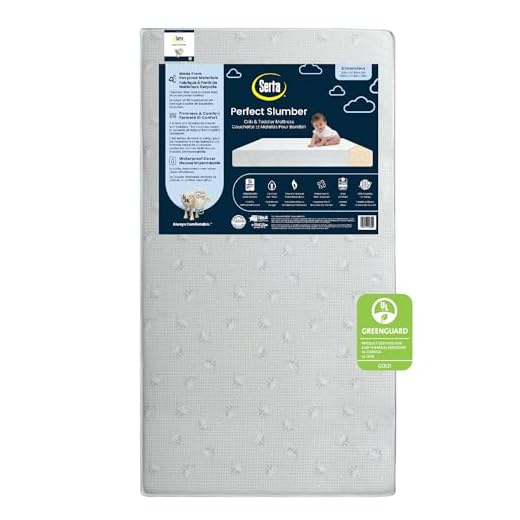
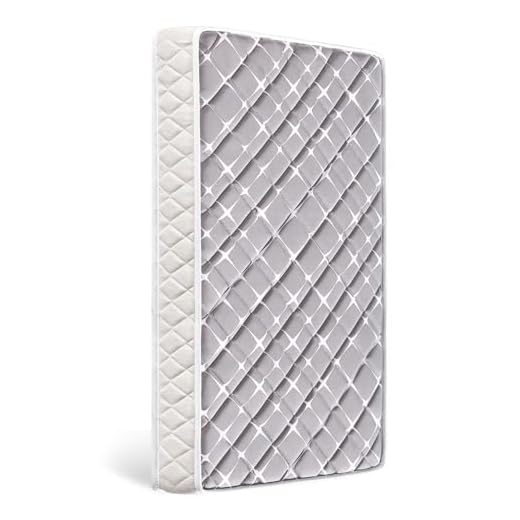
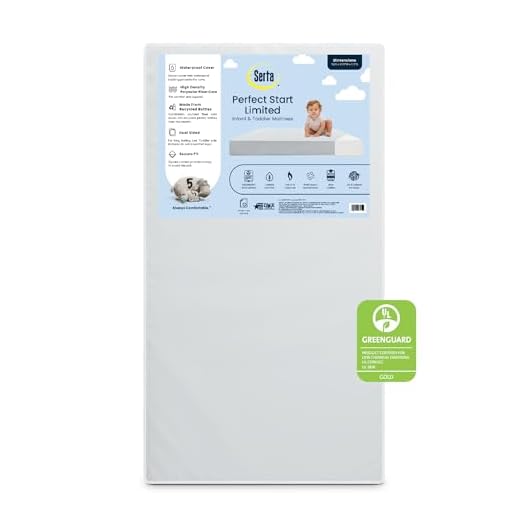
When we talk about a standard crib mattress, we’re referring to the most common size used in full-sized cribs. This size is designed to fit the vast majority of cribs available on the market.
Measurements and Specifications
A standard crib mattress in the United States typically measures 52 inches long by 28 inches wide (132 cm x 71 cm). The thickness can vary, but most standard crib mattresses are between 4 to 6 inches (10-15 cm) thick. It’s important to note that while these dimensions are standard, there can be slight variations between manufacturers. Always check the specific measurements of both your crib and the mattress you’re considering to ensure a proper fit.
Why Size Matters
The precise dimensions of a standard crib mattress are crucial for several reasons:
- Safety: A snug fit prevents gaps where a baby could become entrapped.
- Comfort: The right size ensures your baby has enough space to move and grow.
- Longevity: Standard sizes often fit toddler beds, extending the mattress’s usability.
When shopping for a crib mattress, always prioritize these standard dimensions to choose the right crib mattress that will provide a safe and comfortable sleep environment for your little one.
Mini Crib Mattress Sizes
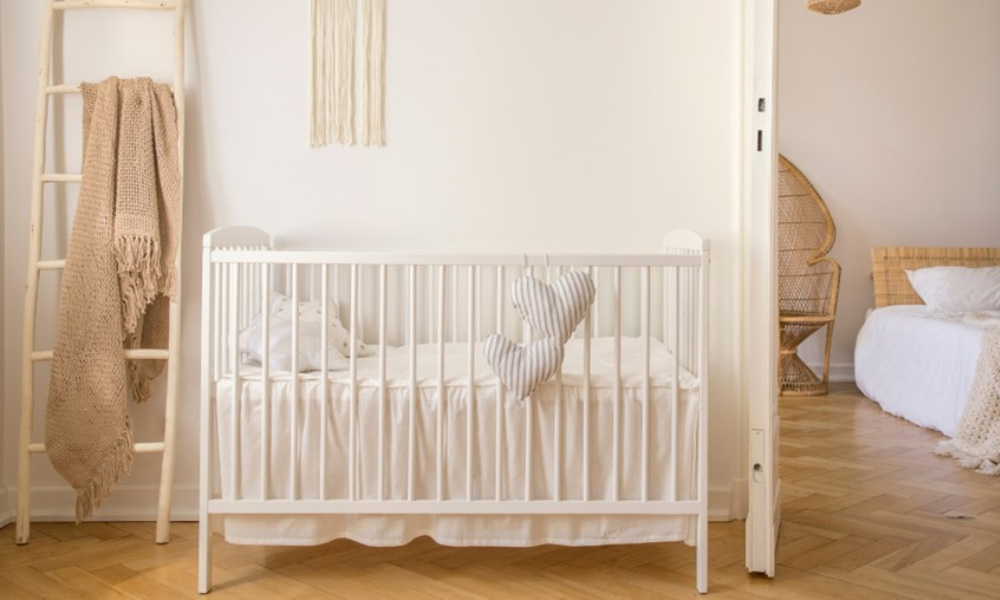
For those with limited space or looking for a more compact option, mini cribs offer a smaller alternative to standard cribs. Naturally, these cribs require smaller mattresses.
Dimensions and Variations
Mini crib mattresses typically measure about 38 inches long by 24 inches wide (96 cm x 61 cm). The thickness usually ranges from 1 to 4 inches (2.5-10 cm). However, it’s important to note that mini crib sizes can vary more than standard cribs. Some popular variations include:
- Oval mini cribs: These may require specially shaped mattresses.
- Portable cribs: Often use mattresses similar in size to mini cribs but may have unique folding features.
When considering a mini crib, always check the manufacturer’s specifications for the exact mattress size required. This attention to detail ensures you’ll get the perfect fit for your chosen crib model.
Benefits and Considerations
Mini cribs and their mattresses offer several advantages:
- Space-saving: Ideal for small nurseries or shared rooms.
- Portability: Many mini cribs are designed to be easily moved or folded.
- Cost-effective: Generally less expensive than full-size options.
However, it’s important to consider that your baby may outgrow a mini crib faster than a standard crib. When making your decision, think about long-term plans and how long you intend to use the crib.
Specialty and Custom Crib Mattress Sizes
While standard and mini crib mattresses cover most needs, there are situations where specialty or custom sizes might be necessary. Understanding these options ensures you can find the perfect fit for any unique crib or situation.
Round and Oval Cribs
Round and oval cribs have gained popularity for their unique aesthetic appeal. These cribs require specially shaped mattresses that conform to their non-rectangular design. Typical dimensions for these mattresses include:
- Round crib mattresses: Often around 42 inches in diameter.
- Oval crib mattresses: Dimensions vary widely, but common sizes are around 42 inches long by 32 inches wide.
When opting for a round or oval crib, it’s crucial to purchase a mattress specifically designed for your crib model to ensure a safe and proper fit.
Custom Solutions
In some cases, you might need a custom-sized mattress. This could be for:
- Antique or heirloom cribs with non-standard dimensions.
- Uniquely designed modern cribs that don’t conform to standard sizes.
- Special needs cribs that require specific mattress specifications.
When seeking a custom mattress, work with reputable manufacturers who specialize in custom crib mattresses. They can guide you through the process of measuring your crib and creating a mattress that meets all safety standards while fitting perfectly.
How to Measure For The Right Crib Mattress
Ensuring you have the correct mattress size is crucial for your baby’s safety and comfort. Here’s a step-by-step guide to measuring for the right crib mattress.
Step-by-Step Measurement Guide
1. Measure the interior of the crib:
- Length: Measure from one inner wall to the opposite inner wall.
- Width: Measure between the two remaining inner walls.
- Depth: Measure from the top of the crib rail to the mattress support in its highest position.
2. Consider the mattress thickness:
- Ensure the distance from the top of the mattress to the top of the crib rail is at least 26 inches when the mattress support is in its lowest position. This prevents your baby from climbing out as they grow.
3. Check for gaps:
- When the mattress is in place, there should be no more than two fingers’ width (about 1 inch) between the mattress edge and the crib frame.
By following these steps, you’ll be well-equipped to choose a mattress that fits snugly and safely in your chosen crib.
Crib Mattress Materials and Firmness
While size is crucial, the material and firmness of your crib mattress are equally important factors to consider. These elements contribute significantly to your baby’s comfort and safety.
Types of Mattress Materials
Crib mattresses come in various materials, each with its own benefits:
- Innerspring: Traditional mattresses with coil springs and padding. They offer good support and tend to be more durable.
- Foam: Lightweight and often less expensive. Look for high-density foam for better support.
- Organic: Made from natural materials like cotton or wool. These are free from synthetic chemicals but can be more expensive.
- Dual-sided: These mattresses have a firmer side for infants and a softer side for toddlers, offering longevity as your child grows.
Importance of Firmness
A firm mattress is crucial for infant safety. The American Academy of Pediatrics recommends a firm sleep surface to reduce the risk of Sudden Infant Death Syndrome (SIDS). When choosing a mattress:
- Press on the center and edges. The mattress should snap back quickly and not conform to your hand shape.
- Ensure there’s no noticeable sagging under your baby’s weight.
Remember, what feels uncomfortably firm to us is just right for a baby’s developing bones and muscles.
Longevity and Convertibility
When investing in a crib and mattress, it’s wise to consider long-term use. Many modern cribs are designed to grow with your child, converting from a crib to a toddler bed and sometimes even to a full-sized bed.
Convertible Cribs and Mattress Compatibility
If you opt for a convertible crib, ensure that your mattress choice supports this transition:
- Check if the mattress is dual-sided with an infant side and a toddler side.
- Confirm that the mattress dimensions will work for all stages of the convertible crib.
- Consider the mattress’s durability and whether it will maintain its shape and support over several years of use.
By thinking ahead, you can choose a crib mattress that offers value and functionality well beyond the infant years, potentially serving your child into early childhood.
Crib Mattress Size Guide for Different Ages
As your baby grows, their sleep needs evolve. Understanding how crib mattress sizes align with different ages can help you plan for your child’s sleep transitions.
Newborns to 18 Months
For newborns up to about 18 months, a standard crib mattress (52″ x 28″) or mini crib mattress (38″ x 24″) is appropriate. During this stage:
- Prioritize firmness for safety and proper development.
- Ensure the mattress fits snugly in the crib with no gaps.
- Use only a fitted sheet over the mattress.
18 Months to 3 Years
Around 18 months to 3 years, many children transition to a toddler bed. Often, you can continue using the same standard crib mattress if you have a convertible crib. If using a separate toddler bed:
- Check if it accommodates a standard crib mattress size.
- Consider transitioning to a slightly softer mattress surface if using a dual-sided mattress.
Beyond 3 Years
After age 3, children typically move to a twin-sized bed or larger. When making this transition:
- A twin mattress measures approximately 38″ x 75″, significantly larger than a crib mattress.
- Consider your child’s room size and layout when choosing the next bed size.
Planning for these transitions can help you make informed decisions about mattress investments and room layouts as your child grows.
FAQs
1. Can I use a standard crib mattress in a mini crib?
No, you cannot use a standard crib mattress in a mini crib. Standard crib mattresses (typically 52″ x 28″) are significantly larger than mini crib mattresses (usually 38″ x 24″). Using a standard mattress in a mini crib would create dangerous gaps and an unsafe sleep environment. Always use a mattress specifically designed for your crib type and size to ensure your baby’s safety.
3. How often should I replace my baby’s crib mattress?
Generally, a high-quality crib mattress can last 3-5 years with proper care. However, you should replace the mattress if it shows signs of wear and tear, sagging, or loses its firmness. For hygiene reasons, it’s often recommended that each child get a new mattress. Always inspect the mattress regularly for any deterioration and replace it if you have any concerns about its condition or safety.
4. Is it safe to use a second-hand crib mattress?
While it’s tempting to save money with a second-hand mattress, it’s generally not recommended for safety and hygiene reasons. Used mattresses may have hidden wear, bacteria, or mold growth. They might also lack the firmness needed for infant safety. If you must use a second-hand mattress, ensure it’s from a trusted source, thoroughly inspect it for any signs of wear or damage, and consider using a waterproof cover for added protection.
5. Do all standard cribs fit all standard crib mattresses?
While standard cribs and mattresses are designed to be compatible, slight variations can occur between manufacturers. Most standard cribs will fit most standard crib mattresses, but it’s crucial to measure your specific crib and check the exact dimensions of the mattress you’re considering. Remember, a proper fit means no more than two fingers’ width (about 1 inch) between the mattress edge and crib frame when the mattress is pushed to one side.
Final Thoughts
Selecting the right crib mattress size is a crucial step in creating a safe and comfortable sleep environment for your baby. Throughout this guide, we’ve explored the various dimensions and considerations that come into play when choosing between standard crib mattresses, mini crib options, and even specialty sizes. The key takeaway is that precision matters, a properly fitting mattress is not just about comfort, but primarily about safety.
As we’ve discussed, the world of crib mattresses extends beyond just size. Material choice, firmness, and longevity all play vital roles in ensuring your baby gets the best possible start in life. From the snug fit of a standard 52″ x 28″ mattress to the space-saving benefits of a 38″ x 24″ mini crib option, each choice comes with its own set of considerations and benefits.
Remember, your baby will spend a significant amount of time in their crib, making this decision an important investment in their well-being. By taking the time to understand crib mattress sizes, measuring carefully, and considering your long-term needs, you’re setting the stage for years of safe, comfortable sleep for your little one. This attention to detail not only provides peace of mind but also contributes to your child’s healthy development during their crucial early years.
Shop Related Products