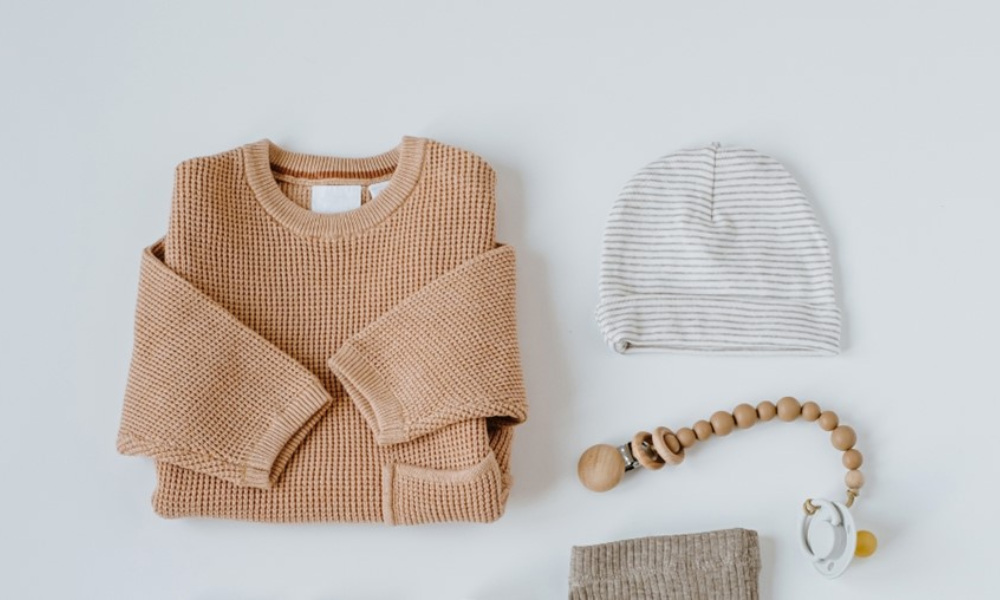
Dressing your little one is more than just a matter of style; it’s a crucial aspect of their health and comfort. The fabrics that touch your baby’s delicate skin play a significant role in their overall well-being. In recent years, organic baby clothes have emerged as a top choice for parents who prioritize both their child’s comfort and environmental responsibility.
The world of baby fashion has witnessed a shift towards more conscious choices, with organic materials leading the way. This trend isn’t just about following a fad; it’s rooted in genuine concerns about the impact of conventional textile production on both baby health and the planet. Organic baby clothes offer a solution that addresses these concerns head-on.
We’ll explore seven compelling reasons why organic baby clothes stand out as the best option for your baby’s sensitive skin. From the absence of harmful chemicals to superior comfort and durability, these benefits highlight why more parents are making the switch to organic. Let’s dive into the world of organic baby fashion and discover how this choice can make a difference in your baby’s life.
Understanding Organic Baby Clothes
Before we delve into the specific benefits, it’s important to understand what exactly makes baby clothes “organic” and how they differ from conventional options.
What Are Organic Baby Clothes?
Organic baby clothes are made from materials grown without the use of synthetic pesticides, herbicides, or genetically modified organisms (GMOs). The most common organic fabric for baby clothes is organic cotton, but other materials like organic bamboo or wool may also be used.
The production of organic baby clothes follows strict guidelines set by certifying organizations. For instance, the Global Organic Textile Standard (GOTS) is one of the most recognized certifications. It ensures that the entire production process, from harvesting of the raw materials to manufacturing and labeling, meets rigorous environmental and social criteria.
How Do They Differ from Conventional Baby Clothes?
The main difference lies in the cultivation and processing of the raw materials. Conventional cotton, for example, is one of the most pesticide-intensive crops globally. According to the Organic Trade Association, conventional cotton farming uses about 16% of the world’s insecticides and 7% of pesticides.
In contrast, organic cotton is grown using methods that have a lower impact on the environment, such as crop rotation to maintain soil health and natural methods of pest control. The processing of organic fabrics also avoids the use of toxic chemicals often employed in conventional textile production.
Moreover, organic baby clothes are typically produced under fair labor conditions, ensuring ethical practices throughout the supply chain. This holistic approach to production results in a product that’s not only better for your baby but also for the environment and the people involved in its creation.
7 Reasons to Choose Organic Baby Clothes
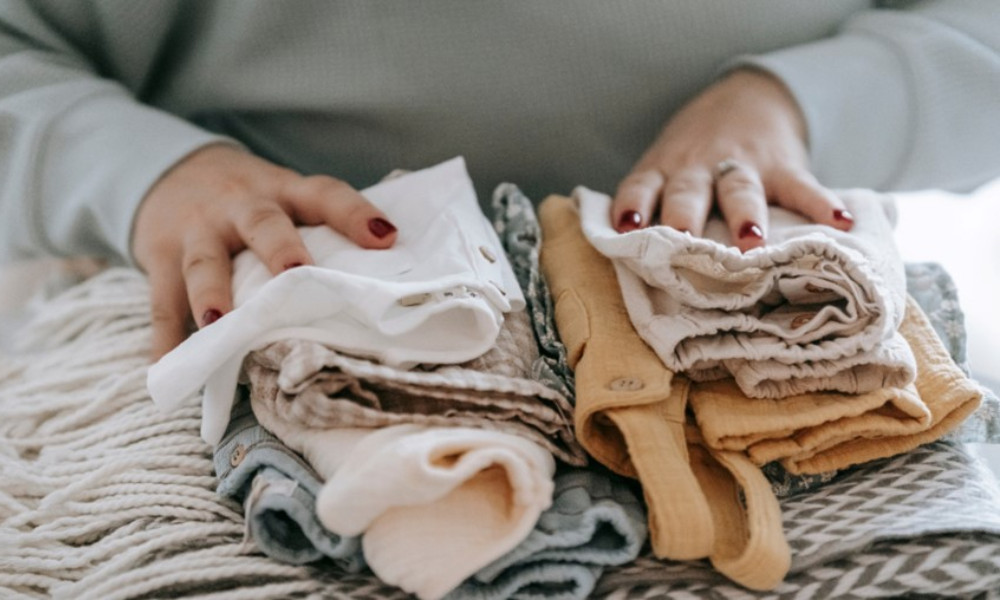
Now that we understand what organic baby clothes are, let’s explore the seven key reasons why they’re considered the best choice for your baby’s sensitive skin.
1. Free from Harmful Chemicals
One of the most significant benefits of organic baby clothes is the absence of harmful chemicals. Conventional cotton farming uses a cocktail of synthetic pesticides, many of which can leave residues on the final product. These chemicals can potentially irritate your baby’s delicate skin or even be absorbed into their bloodstream.
Organic cotton, on the other hand, is grown without these harmful pesticides. Additionally, the processing of organic fabrics avoids the use of toxic chemicals like formaldehyde, flame retardants, and azo dyes, which are commonly used in conventional textile production. By choosing organic, you’re significantly reducing your baby’s exposure to potentially harmful substances.
2. Hypoallergenic Properties
Babies have sensitive skin that’s prone to allergies and irritations. Organic baby clothes are naturally hypoallergenic, making them an excellent choice for all babies, especially those with sensitive skin or allergies. The absence of harsh chemicals and synthetic materials reduces the risk of skin reactions like rashes, eczema flare-ups, or general discomfort.
Moreover, organic fabrics are less likely to trigger respiratory issues. Some conventional fabrics release volatile organic compounds (VOCs) that can irritate the airways. Organic materials, being free from such chemicals, provide a safer option for your baby’s overall health.
3. Softness and Comfort
Organic cotton is renowned for its exceptional softness. The fibers in organic cotton are longer and stronger than those in conventional cotton, resulting in a smoother, softer fabric. This superior texture is gentle on your baby’s skin, reducing the likelihood of chafing or irritation.
The comfort factor extends beyond just the feel of the fabric. Organic materials are often more breathable, allowing better air circulation. This helps regulate your baby’s body temperature, keeping them comfortable in various weather conditions. Whether it’s a warm summer day or a cool winter evening, organic baby clothes provide a comfortable layer that adapts to your baby’s needs.
4. Durability and Cost-Effectiveness
While organic baby clothes might have a higher upfront cost, they often prove to be more cost-effective in the long run due to their superior durability. The stronger fibers in organic cotton result in clothes that can withstand multiple washes without losing their shape or softness. This durability means the clothes can often be passed down to younger siblings or friends, extending their lifecycle.
Additionally, the higher quality of organic fabrics means they’re less likely to pill or wear thin quickly. This longevity not only saves money over time but also reduces the environmental impact of constantly replacing worn-out clothing.
5. Environmental Sustainability
Choosing organic baby clothes is a vote for environmental sustainability. Organic farming practices have a significantly lower environmental impact compared to conventional methods. They help conserve water, reduce soil erosion, and increase biodiversity. According to the Textile Exchange, organic cotton production uses 91% less water than conventional cotton farming.
Furthermore, organic farming practices help combat climate change. Organic soils capture and store more carbon dioxide than conventionally managed soils. By supporting organic agriculture through your clothing choices, you’re contributing to a healthier planet for your baby’s future.
6. Ethical Production
Many organic clothing brands prioritize ethical production practices. This often includes fair wages and safe working conditions for farmers and factory workers. By choosing organic, you’re supporting a more equitable and humane industry.
Ethical production also often extends to animal welfare. For instance, organic wool comes from sheep that are treated humanely and aren’t subjected to mulesing, a controversial practice in conventional wool production. This commitment to ethical practices aligns with many parents’ values and sets a positive example for the next generation.
7. Better for Baby’s Overall Health
The benefits of organic baby clothes extend beyond skin health. By reducing exposure to harmful chemicals, you’re supporting your baby’s overall health and development. Some studies suggest that early exposure to pesticides and other toxic chemicals can have long-term health effects on children.
Moreover, the peace of mind that comes from knowing your baby is clothed in safe, gentle fabrics can reduce parental stress. This positive emotional environment contributes to your baby’s well-being and allows you to focus on enjoying precious moments with your little one rather than worrying about potential irritants in their clothing.
How to Choose the Right Organic Baby Clothes
With the growing popularity of organic baby clothes, it’s important to know how to select the best options for your little one. Here are some tips to guide your choices.
1. Look for Certifications
When shopping for organic baby clothes, look for recognized certifications. The Global Organic Textile Standard (GOTS) is one of the most comprehensive certifications. It ensures that the entire production process meets strict environmental and social criteria. Other reputable certifications include OEKO-TEX Standard 100 and Organic Content Standard (OCS).
These certifications provide assurance that the product you’re buying is genuinely organic and produced ethically. Be wary of products that claim to be organic without proper certification, as they may not meet the stringent standards required for true organic production.
2. Consider the Fabric Blend
While 100% organic cotton is a popular choice, you might also encounter blends. Some organic clothes might include a small percentage of synthetic fibers like elastane to improve stretch and fit. While these blends can be practical, especially for items like socks or waistbands, be aware that the higher the percentage of synthetic fibers, the less breathable the fabric becomes.
For items that are in direct contact with your baby’s skin for extended periods, like onesies or sleepwear, prioritize 100% organic materials for maximum comfort and breathability.
3. Prioritize Functionality and Comfort
When selecting organic baby clothes, consider both style and functionality. Look for designs that make diaper changes easy, like snap closures or envelope necklines. Avoid clothes with small buttons or decorative elements that could pose a choking hazard.
Pay attention to the weight of the fabric as well. Lighter fabrics are better for warmer months or for layering, while heavier organic knits provide warmth in cooler weather. The versatility of organic clothes often allows for comfortable year-round use with proper layering.
FAQs
1. Are organic baby clothes more expensive than conventional ones?
Initially, organic baby clothes may have a higher price point due to the cost of organic farming and ethical production practices. However, their durability often makes them more cost-effective in the long run. They tend to last longer, resist wear and tear better, and can often be passed down to siblings or friends, offering better value over time.
2. How do I care for organic baby clothes to maintain their quality?
Organic baby clothes are generally easy to care for. Wash them in cool or warm water using a mild, eco-friendly detergent. Avoid harsh chemicals or fabric softeners, which can irritate your baby’s skin and degrade the fabric. Air-drying is often recommended to preserve the fabric’s integrity and reduce energy use, but gentle machine drying on low heat is usually fine too.
3. Can organic baby clothes help with my baby’s eczema or sensitive skin?
Many parents find that organic baby clothes can help manage eczema and other skin sensitivities. The absence of harsh chemicals and the softness of organic fabrics reduce potential irritants that can trigger flare-ups. However, every baby is different, and it’s always best to consult with your pediatrician for specific skin concerns.
4. Are all natural fibers considered organic?
Not all natural fibers are organic. For a fiber to be considered organic, it must be grown and processed without synthetic pesticides, herbicides, or GMOs, and adhere to specific organic farming standards. For example, conventional cotton is a natural fiber but isn’t organic unless it’s grown following organic farming practices. Always look for proper organic certifications to ensure you’re getting genuinely organic products.
Final Thoughts
The choice of clothing for your baby is more than a matter of fashion; it’s a decision that impacts their comfort, health, and the world they’ll grow up in. Organic baby clothes offer a compelling solution that addresses multiple concerns, from skin sensitivity to environmental sustainability.
By opting for organic, you’re not just providing the softest, most comfortable garments for your little one. You’re also making a statement about the kind of world you want for them – one where health, ethical practices, and environmental stewardship are prioritized. This choice reflects a holistic approach to parenting that considers both immediate comfort and long-term impact.
While the journey of parenthood is filled with countless decisions, choosing organic baby clothes is one that can bring peace of mind and tangible benefits. It’s an investment in your baby’s well-being and a step towards a more sustainable future. As you navigate the world of baby care, let the choice of organic clothing be one that aligns with your values and aspirations for your child’s health and happiness.
Shop Related Products