Creating an ideal sleep environment for your baby goes beyond a snug crib and calming lullabies. The air quality in their room is a key factor in ensuring comfort, restful sleep, and overall well-being. That’s where a humidifier comes in, a simple yet powerful tool that can turn a dry, stuffy nursery into a sanctuary of moisture-rich air. By promoting easier breathing and deeper sleep, a humidifier helps create the perfect setting for your little one to thrive.
Many parents underestimate the impact of indoor air quality on their baby’s well-being. Dry air can lead to a host of issues, from chapped lips and dry skin to more serious respiratory problems. A humidifier addresses these concerns by adding moisture to the air, creating an environment that’s more conducive to healthy breathing and comfortable sleep.
This guide highlights the many advantages of adding a humidifier to your baby’s room. From enhancing sleep quality to easing common health concerns, a humidifier can significantly improve your baby’s comfort and well-being. Whether you’re a new parent or seeking ways to create the ideal sleep environment for your little one, understanding the role of proper humidity in infant care can be transformative.
What is a Humidifier?
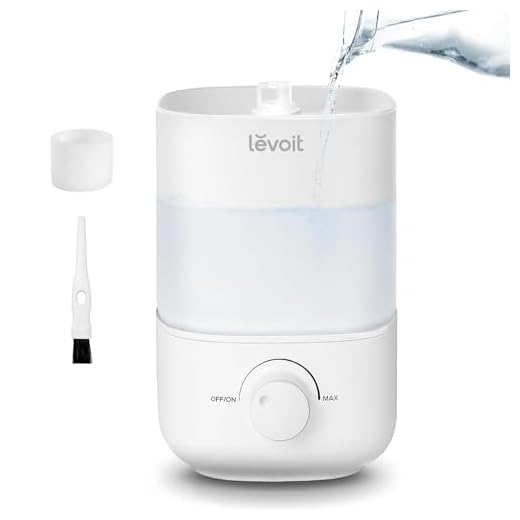
A humidifier is a device that increases humidity (moisture) in a single room or an entire house. For babies, we typically use room humidifiers, which are designed to add moisture to the air in a specific area. These devices work by releasing water vapor into the air, effectively raising the humidity level. There are several types of humidifiers, including cool mist and warm mist varieties, each with its own advantages. Cool mist humidifiers are often recommended for use in baby’s rooms as they don’t pose a burn risk from hot water or steam.
How Humidifiers Work?
Humidifiers operate on a simple principle: they convert water into fine mist or vapor and release it into the air. This process increases the moisture content of the air, raising the humidity level. Most modern humidifiers have adjustable settings, allowing you to control the amount of moisture released. Some advanced models even come with built-in hygrometers, which measure the room’s humidity level, helping you maintain an optimal environment. The ideal indoor humidity level for babies (and adults) is between 30% and 50%. Anything below 30% is considered too dry, while levels above 50% can promote the growth of mold and dust mites.
The Benefits of Using a Humidifier for Your Baby
Now that we understand how humidifiers work, let’s explore the numerous benefits they offer for babies.
1. Improved Sleep Quality
One of the primary benefits of using a humidifier for your baby is improved sleep quality. Dry air can irritate nasal passages and throats, leading to discomfort that can disrupt sleep. By adding moisture to the air, a humidifier can help soothe these irritations, making it easier for your baby to breathe comfortably throughout the night. Many parents report that their babies sleep more soundly and for longer periods when a humidifier is used in the nursery. The gentle hum of the humidifier can also serve as white noise, further promoting restful sleep.
2. Alleviation of Cold and Flu Symptoms
When your little one is battling a cold or flu, a humidifier can provide significant relief. Moist air helps to thin mucus, making it easier for babies to breathe and clear congestion. This can be particularly beneficial during nighttime hours when congestion often worsens. The added moisture also helps soothe irritated nasal passages and throats, potentially reducing coughing and promoting more restful sleep even when your baby is under the weather. While a humidifier isn’t a cure for colds or flu, it can certainly make your baby more comfortable during these times.
3. Prevention of Dry Skin and Chapped Lips
Babies have delicate skin that’s particularly susceptible to dryness, especially in winter months or in air-conditioned environments. Dry air can lead to chapped lips, and flaky skin, and even exacerbate conditions like eczema. A humidifier adds moisture to the air, helping to keep your baby’s skin hydrated and supple. This added humidity can reduce the need for constant application of moisturizers and lip balms, making skincare routines easier for both you and your baby. Many parents notice a significant improvement in their baby’s skin condition after introducing a humidifier to the nursery.
4. Reduced Risk of Airborne Viruses
Interestingly, maintaining proper humidity levels can actually help reduce the spread of airborne viruses. Research has shown that many viruses thrive in very dry conditions. By keeping the humidity level in your baby’s room between 30% and 50%, you create an environment that’s less hospitable to these pathogens. While a humidifier shouldn’t be considered a standalone solution for preventing illness, it can be part of a comprehensive approach to maintaining a healthy environment for your baby.
Choosing the Right Humidifier for Your Baby’s Room
With the benefits clear, let’s discuss how to choose the right humidifier for your baby’s needs.
1. Types of Humidifiers
There are several types of humidifiers available, each with its own pros and cons:
- Cool Mist Humidifiers: These are often recommended for babies as they don’t involve hot water or steam, eliminating burn risks. They’re effective in both warm and cool climates.
- Warm Mist Humidifiers: These boil water to create steam. While effective, they’re generally not recommended for use around babies due to burn risks.
- Ultrasonic Humidifiers: These use high-frequency sound vibrations to create a fine mist. They’re quiet and efficient but may require more frequent cleaning.
- Evaporative Humidifiers: These use a fan to blow air through a wet wick or filter. They’re self-regulating in terms of humidity but can be noisier.
For most parents, a cool mist or ultrasonic humidifier is the best choice for a baby’s room.
2. Features to Consider
When selecting a humidifier for your baby’s room, consider the following features:
- Size and Capacity: Choose a humidifier that’s appropriate for the size of your baby’s room. A unit that’s too small won’t be effective, while one that’s too large might over-humidify the space.
- Noise Level: Some babies are soothed by white noise, while others need silence to sleep. Consider your baby’s preferences when choosing between quieter (ultrasonic) and noisier (evaporative) models.
- Ease of Cleaning: Regular cleaning is crucial to prevent mold and bacteria growth. Look for models with wide openings and dishwasher-safe parts for easy maintenance.
- Automatic Shut-off: This safety feature turns the unit off when the water tank is empty, preventing damage to the device.
- Adjustable Settings: The ability to control mist output and direction can help you maintain optimal humidity levels.
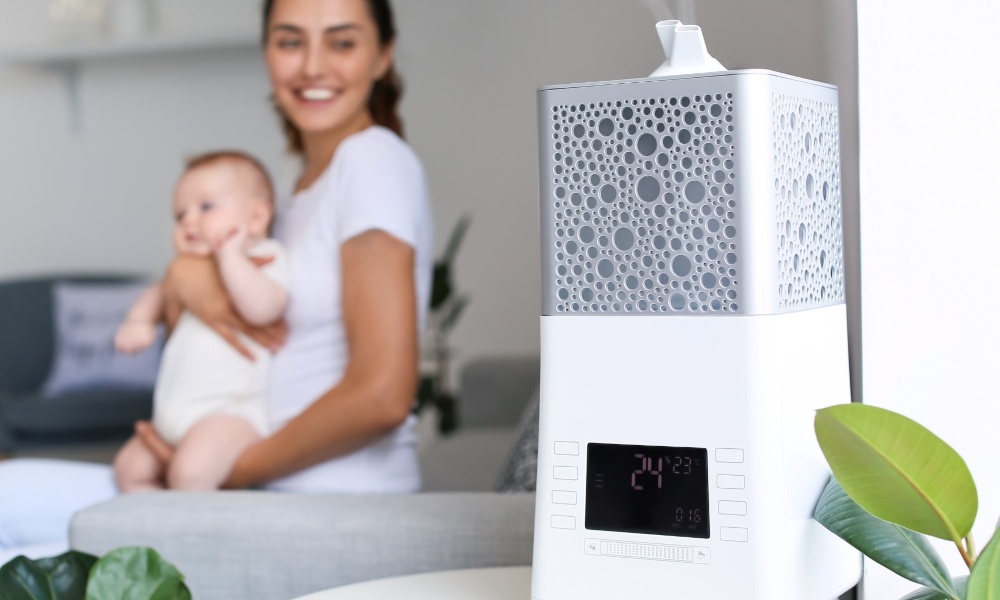
- Built-in Hygrometer: Some advanced models include a hygrometer to measure and display the room’s humidity level, helping you maintain the ideal range.
Proper Use and Maintenance of Humidifiers
To reap the full benefits of using a humidifier for your baby, proper use and maintenance are crucial.
Optimal Placement in the Nursery
Where you place the humidifier in your baby’s room can affect its effectiveness and safety. Position the humidifier at least 3 feet away from your baby’s crib to prevent direct mist exposure. Elevate the humidifier on a waterproof surface to protect furniture and flooring from potential water damage. Ensure the cord is out of reach and that the unit is stable and cannot be easily knocked over. The humidifier should be placed in an area that allows for even distribution of mist throughout the room.
Cleaning and Maintenance
Regular cleaning is essential to prevent the growth of mold and bacteria, which could be harmful to your baby if released into the air. Clean your humidifier at least once a week, or more often if you use it daily. Follow these steps:
Unplug the unit and empty any remaining water. Disassemble removable parts and wash them with mild soap and warm water. For mineral buildup, use a mixture of white vinegar and water to soak the parts. Rinse thoroughly and allow all parts to air dry completely before reassembling. Use distilled or demineralized water in your humidifier to reduce mineral buildup and the risk of releasing microorganisms into the air.
Monitoring Humidity Levels
Maintaining the right humidity level is key to reaping the benefits of a humidifier while avoiding potential issues associated with excessive moisture. The ideal humidity range for a baby’s room is between 30% and 50%. Use a hygrometer (a device that measures humidity) to monitor levels regularly. If you notice condensation on windows or damp spots on walls, reduce the humidifier’s output. Conversely, if the air still feels dry or your baby shows signs of discomfort, you may need to increase the humidity level.
Potential Risks and How to Avoid Them
While humidifiers offer numerous benefits, it’s important to be aware of potential risks and how to mitigate them.
Over-Humidification
Too much humidity can create a breeding ground for mold, dust mites, and bacteria, which can be harmful to your baby’s health. Signs of over-humidification include condensation on windows, walls, or furniture Musty odors Visible mold growth.
To prevent over-humidification, regularly monitor humidity levels and adjust your humidifier’s settings accordingly. If you notice any signs of excessive moisture, reduce the humidifier’s output or use it for shorter periods.
Bacterial and Mold Growth
Without proper maintenance, humidifiers can become breeding grounds for bacteria and mold. These microorganisms can then be released into the air, potentially causing respiratory issues for your baby. To prevent this:
- You should clean your humidifier regularly and thoroughly
- Use distilled or demineralized water
- Replace filters as recommended by the manufacturer
- Allow the humidifier to dry completely between uses
Burns from Steam Humidifiers
If you’re using a warm mist or steam humidifier, there’s a risk of burns from hot water or steam. This is why cool mist humidifiers are generally recommended for use in babies’ rooms. If you do use a warm mist humidifier, ensure it’s placed well out of your baby’s reach and in a stable location where it can’t be knocked over.
FAQs
1. How long should I run the humidifier in my baby’s room?
The duration depends on your room’s specific conditions. Start by running it for a few hours at night and monitor the humidity levels. Adjust as needed to maintain a level between 30% and 50%. Some parents run it all night, while others find a few hours sufficient. Always check the room’s humidity and your baby’s comfort level to determine the ideal duration.
2. Can I use tap water in my baby’s humidifier?
While you can use tap water, it’s not ideal. Tap water contains minerals that can create deposits in your humidifier and may be released into the air. These minerals can also create a fine white dust on surfaces. For best results, use distilled or demineralized water. This reduces mineral buildup and decreases the risk of dispersing potentially harmful microorganisms into the air.
3. Is it safe to use essential oils in a humidifier for babies?
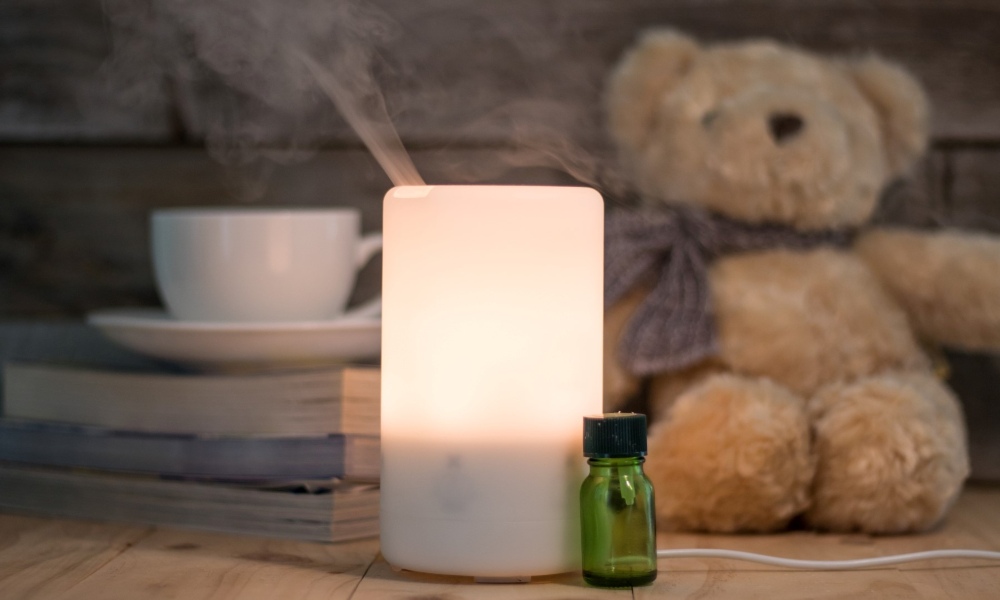
It’s generally not recommended for babies to use essential oils in a humidifier, especially those under 3 months old. Essential oils can be irritating to a baby’s sensitive respiratory system and skin. If you want to use aromatherapy, consult with your pediatrician first and consider safer alternatives like a separate diffuser placed away from the baby’s immediate sleeping area.
4. How do I know if the humidifier is helping my baby?
Signs that the humidifier is benefiting your baby include improved sleep, easier breathing (especially if congested), fewer instances of dry skin or chapped lips, and generally improved comfort. You might also notice less static electricity in the room. If you’re unsure, monitor your baby’s sleep patterns and overall comfort before and after introducing the humidifier to see if there’s a noticeable difference.
Final Thoughts
The benefits of using a humidifier for your baby extend far beyond just adding moisture to the air. From promoting better sleep to alleviating cold symptoms and preventing dry skin, a well-maintained humidifier can significantly contribute to your little one’s comfort and health. The key lies in choosing the right type of humidifier, using it correctly, and maintaining it properly.
As with any aspect of baby care, it’s important to observe your child’s response and adjust accordingly. What works perfectly for one baby might need tweaking for another. Pay attention to your baby’s sleep patterns, skin condition, and overall comfort level to gauge the effectiveness of your humidifier use.
Incorporating a humidifier into your baby’s sleep environment can be a simple yet powerful way to enhance their well-being. By understanding the benefits and following proper usage guidelines, you’re taking a proactive step in creating a healthier, more comfortable space for your little one to rest and grow.
Shop Related Products