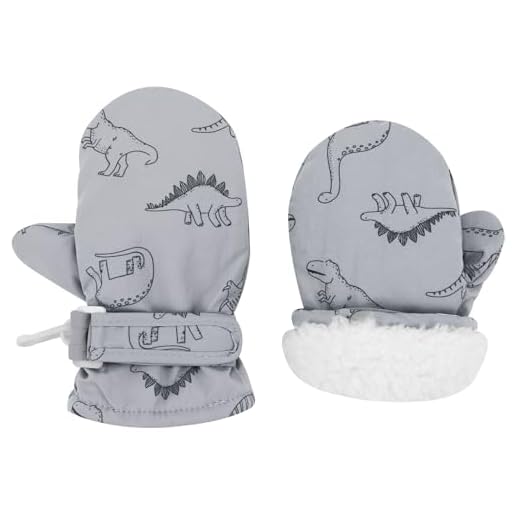
Baby mittens, those tiny hand coverings, often spark curiosity and debate among new parents. These seemingly simple accessories play a more complex role in infant care than one might initially assume. From protecting delicate skin to preventing accidental scratches, baby mittens serve multiple purposes in the early stages of a newborn’s life.
Yet, the use of baby mittens isn’t without controversy. Some parents swear by them, while others question their necessity. This divide often leaves expectant and new parents wondering about the best approach for their little ones. The decision to use mittens involves weighing their benefits against potential drawbacks, considering factors like tactile development and temperature regulation.
We’ll explore the world of baby mittens, uncovering their purposes, benefits, and potential concerns. By examining when and how to use them effectively, we aim to equip you with the knowledge to make informed decisions about your baby’s care. Whether you’re a first-time parent or looking to reassess your approach with a subsequent child, understanding the role of baby mittens can enhance your caregiving toolkit.
Understanding Baby Mittens
Before delving into the when and how of using baby mittens, it’s crucial to understand what they are and why they’ve become a common item in many baby care arsenals.
What Are Baby Mittens?
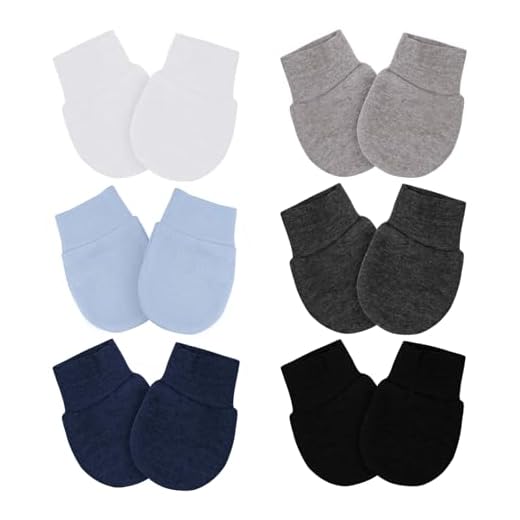
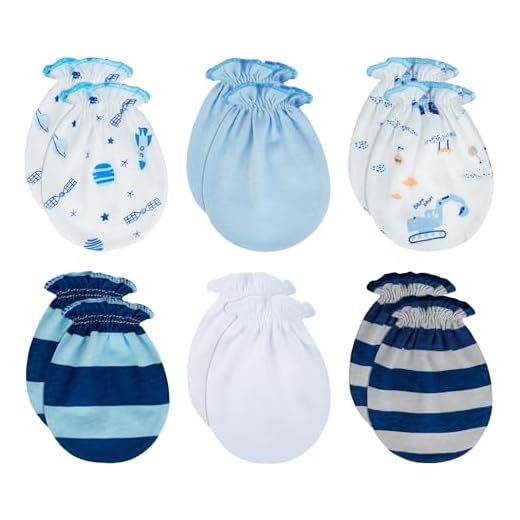
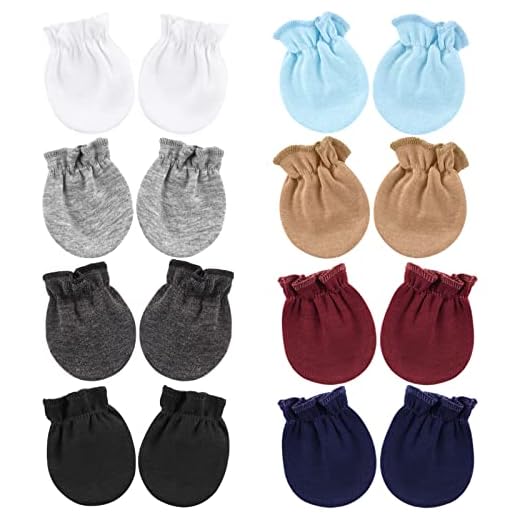
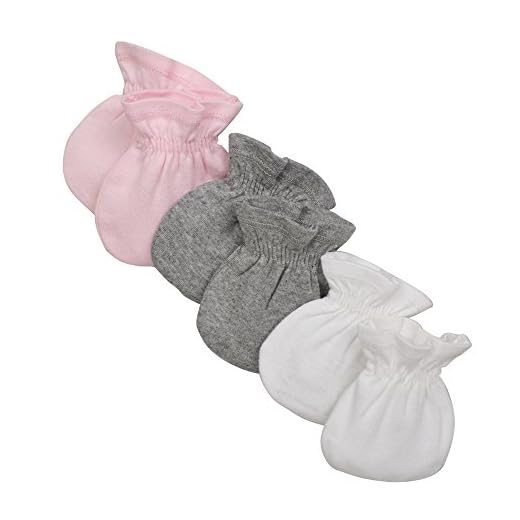
Baby mittens are small, soft coverings designed to fit over an infant’s hands. Unlike adult mittens, which are primarily used for warmth, baby mittens serve a variety of purposes. They’re typically made from gentle, breathable materials like cotton to ensure comfort and prevent overheating.
These mittens come in various styles, from simple pull-on designs to those with elastic or velcro closures to keep them securely in place. Some are plain, while others feature cute designs or patterns. Regardless of their appearance, their primary function remains the same: to cover and protect a baby’s hands.
The Primary Purposes of Baby Mittens
The main reasons parents choose to use baby mittens include:
- Scratch Prevention: Newborns often have sharp, fast-growing nails that can easily scratch their delicate skin. Mittens act as a barrier, preventing babies from accidentally scratching their faces, eyes, or other parts of their bodies.
- Warmth: In cooler environments, mittens can help keep a baby’s hands warm. This is particularly important for newborns who may have difficulty regulating their body temperature.
- Comfort: Some babies find the sensation of fabric on their hands soothing, which can help them feel more secure and comfortable.
- Hygiene: Mittens can help keep babies from putting their hands directly in their mouths, potentially reducing the introduction of germs.
Understanding these purposes helps parents make informed decisions about whether and when to use mittens for their little ones.
When To Use Baby Mittens
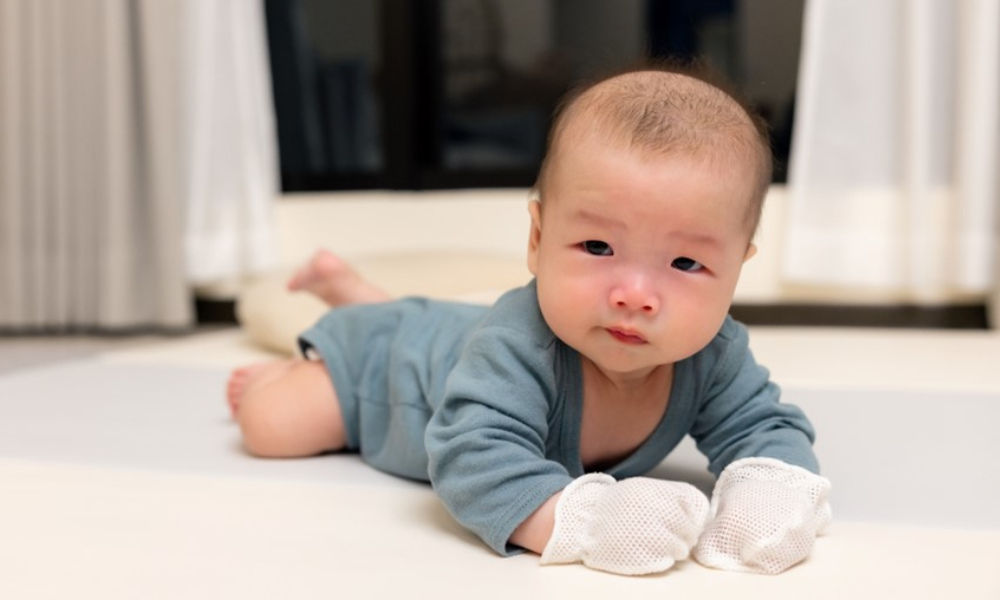
The decision to use baby mittens often depends on various factors, including your baby’s age, behavior, and your specific circumstances. Here’s a guide to help you navigate when mittens might be most beneficial.
1. Newborn Stage (0-2 months)
The newborn stage is when baby mittens are most commonly used. During this period, babies have little control over their arm and hand movements, often resulting in unintentional face scratching. Their nails are also particularly soft and grow quickly, making regular trimming challenging. At this stage, using mittens can be especially helpful during sleep times when you’re not able to closely monitor your baby.
They can prevent scratches that might occur as your newborn moves their hands near their face while sleeping. However, it’s important not to rely on mittens constantly. Babies also need some “hand-free” time during the day for sensory development and to practice coordinating their hand movements.
2. Older Infants (2-6 months)
As babies grow older, their need for mittens typically decreases. By around 2-3 months, most babies gain better control over their arm movements and are less likely to scratch themselves accidentally. Additionally, their nails become easier to trim as they harden.
During this stage, you might choose to use mittens selectively, such as during naps or when your baby is ill and more prone to irritability. However, it’s crucial to provide ample time for your baby to explore their hands and environment without mittens.
3. Special Circumstances
Certain situations might warrant the use of mittens beyond the typical age range:
- Cold Weather: If you live in or are visiting a cold climate, mittens can help keep your baby’s hands warm during outings.
- Skin Conditions: Babies with eczema or other skin conditions might benefit from mittens to prevent scratching and exacerbating their symptoms.
- Medical Procedures: In some cases, mittens might be used to prevent babies from interfering with medical devices or wound sites.
Always consult with your pediatrician if you’re unsure about using mittens in specific situations or for extended periods.
How to Use Baby Mittens Safely
While baby mittens can be beneficial, it’s crucial to use them safely and appropriately. Here are some guidelines to ensure you’re using mittens in a way that benefits your baby without posing any risks.
1. Proper Fit and Material
Choosing the right mittens is the first step in safe usage. Look for mittens that fit snugly but not too tightly. They should be easy to put on and remove but stay in place once on your baby’s hands. Mittens that are too loose can pose a choking hazard if they come off in your baby’s mouth.
Opt for mittens made from breathable, natural materials like cotton. These allow air circulation and help prevent your baby’s hands from getting too sweaty. Avoid mittens with small decorative elements that could come loose and pose a choking risk.
2. Regular Checks and Cleaning
Even when using mittens, it’s important to check your baby’s hands regularly. Remove the mittens every few hours to allow your baby’s skin to breathe and to check for any signs of irritation or overheating.
Wash mittens frequently, ideally after each day of use. Babies often put their hands in their mouths, so keeping mittens clean is crucial for hygiene. Follow the care instructions on the label, but generally, washing in warm water with a gentle, baby-safe detergent should suffice.
3. Balancing Mitten Use with Bare-Hand Time
While mittens serve important purposes, it’s crucial not to overuse them. Babies need plenty of time to explore their hands and environment without mittens. This bare-hand time is essential for sensory development and learning to grasp objects.
A good rule of thumb is to use mittens primarily during sleep times or when you can’t closely supervise your baby. During awake and supervised periods, allow your baby to have free use of their hands as much as possible.
Alternatives to Baby Mittens
While mittens can be useful, they’re not the only solution for protecting your baby’s delicate skin and keeping their hands warm. Here are some alternatives you might consider:
1. Using Built-in Sleeve Mittens
Many baby clothing items, such as onesies and sleepers, now come with built-in sleeve mittens. These are extended fabric pieces at the end of sleeves that can be folded over the baby’s hands when needed. Built-in mittens offer a convenient and reliable alternative to traditional standalone baby mittens.
They remove the worry of mittens slipping off throughout the day or during sleep. Additionally, since they are stitched into the clothing itself, the risk of losing them is eliminated. These built-in options are especially useful for newborns, as they provide warmth and protection during colder months or when scratching is a concern.
However, when opting for built-in sleeve mittens, parents should still consider the importance of balancing mitten use with bare-hand exploration. Ensuring that the baby has regular time to move their fingers freely during playtime is vital for tactile development and motor skills.
2. Swaddling the Baby
Swaddling can serve as another effective way to protect a baby’s sensitive skin and prevent accidental scratching. When swaddled, a baby’s arms are gently tucked inside the fabric, which keeps their hands away from their face. This method is particularly helpful for fussy or restless infants, as swaddling provides a snug, womb-like feeling that helps soothe them. It is important to note, however, that swaddling is primarily intended for sleep time and should not restrict a baby’s movements when they are awake.
When using this method, parents must ensure they’re swaddling correctly to prevent any safety concerns, such as overheating or restricting their baby too tightly. Swaddling should also only be used in the early weeks of a baby’s life before they begin to roll over, typically around two months of age. After this period, transitioning away from swaddling is recommended to maintain safe sleep practices.
3. Long-Sleeve Baby Clothes
During cooler seasons, long-sleeve baby clothes can help keep your baby’s hands warm without requiring separate mittens. High-quality cotton or fleece baby outfits provide both comfort and insulation, ensuring your child stays cozy. Long-sleeve clothing presents an excellent mitt-free option that keeps the hands relatively protected without fully restricting touch and motion. For added protection, you can layer outfits with a lightweight blanket when traveling outside.
Potential Concerns and Considerations
While baby mittens can be beneficial, it’s important to be aware of potential concerns associated with their use. Understanding these considerations can help you make informed decisions about whether and how to use mittens for your baby.
Impact on Sensory Development
One of the primary concerns with the overuse of baby mittens is its potential impact on sensory development. Babies learn about their environment through touch, and their hands play a crucial role in this process. Constantly covering their hands might limit their ability to explore textures and sensations.
To address this concern, ensure your baby has plenty of supervised time without mittens. This allows them to touch, grasp, and explore their surroundings, which is crucial for their cognitive and motor development.
Hygiene and Skin Health
While mittens can protect a baby’s face from scratches, they can also trap moisture if not changed regularly. This moist environment can potentially lead to skin irritation or even fungal growth.
To mitigate this risk, change mittens frequently, especially if they become damp from drool or sweat. Always ensure your baby’s hands are clean and dry before putting on mittens, and give their hands regular breaks from mitten use.
Overheating Concerns
In warm environments, mittens might cause your baby’s hands to overheat. Babies regulate their temperature partly through their hands and feet, so consistently covering them could interfere with this process.
Pay attention to the temperature of your baby’s environment and their overall comfort. If your baby’s hands feel warm or sweaty inside the mittens, it’s time to remove them. In general, if you’re comfortable in short sleeves, your baby probably doesn’t need mittens for warmth.
Dependency and Sleep Association
Some babies might become accustomed to wearing mittens, particularly during sleep. This could potentially lead to sleep associations where the baby has difficulty settling without mittens.
To prevent this, gradually reduce mitten use as your baby grows and gains more control over their movements. By around 2-3 months, most babies can sleep comfortably without mittens.
FAQs
1. How long should babies wear mittens?
The duration of mitten use varies, but generally, they’re most beneficial in the first 2-8 weeks of life. After this period, babies typically gain more control over their movements and are less likely to scratch themselves. However, some parents choose to use mittens for longer, especially during sleep times. Always balance mitten use with plenty of bare-hand time for sensory development.
2. Can mittens affect my baby’s motor skills development?
Prolonged, constant use of mittens could potentially delay fine motor skill development as babies need to explore with their hands. However, using mittens intermittently, especially during sleep, is unlikely to cause issues. Ensure your baby has plenty of supervised, mitten-free time during awake periods to practice grasping and exploring.
3. How often should I wash baby mittens?
Baby mittens should be washed frequently, ideally after each day of use. Babies often put their hands in their mouths, so keeping mittens clean is crucial for hygiene. Use a gentle, baby-safe detergent and wash in warm water. Having multiple pairs allows you to always have clean mittens available.
4. Are there any alternatives to traditional baby mittens?
Yes, there are several alternatives. Regular nail trimming can prevent scratching without the need for mittens. Onesies or sleepers with built-in fold-over mittens are another option. Some parents also use swaddling techniques to keep their baby’s hands covered during sleep. Each alternative has its own pros and cons, so choose what works best for your baby and your parenting style.
Final Thoughts
Tiny hands, and big decisions, are the essence of the baby-mitten debate. As we’ve explored, these small accessories can be mighty helpers in the newborn phase, shielding delicate skin from accidental scratches and providing warmth when needed. Yet, like many aspects of parenting, it’s all about finding the right balance.
Remember, your baby’s hands are their first tools for exploring the world. While mittens have their place, especially in those early weeks, don’t let them become a barrier to your little one’s curiosity and development. As your baby grows, so too should their opportunities for unrestricted hand adventures.
Ultimately, the choice to use mittens – and for how long – rests in your capable hands. Trust your instincts, observe your baby’s needs, and don’t be afraid to adjust your approach. After all, parenting is a journey of constant learning and adaptation. Whether you’re Team Mittens or Team Bare Hands, what matters most is the love and care behind every decision you make for your little one.
Shop Related Products