
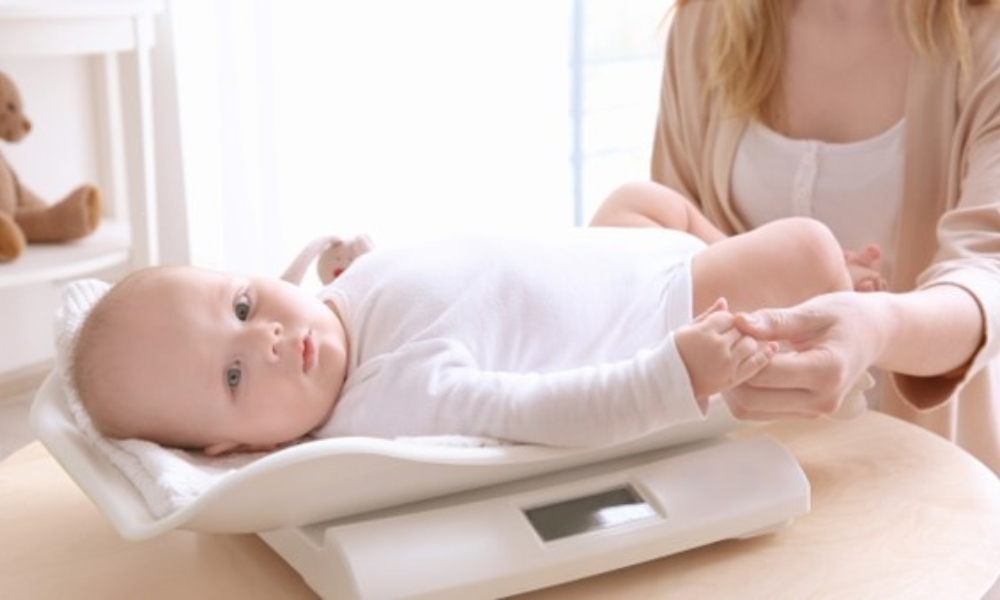
Tracking your baby’s weight is one of the most important ways to monitor their development and ensure they’re thriving. As a parent, understanding how to accurately weigh your newborn can empower you to take an active role in monitoring their growth between pediatrician visits.
Many parents feel uncertain about the best methods for weighing their babies at home, wondering if they’re getting accurate readings. The process might seem straightforward, but there are several factors to consider when choosing a weighing method that will provide reliable results while keeping your little one safe and comfortable.
In this comprehensive guide, we’ll explore various methods for weighing your baby, from professional techniques used in medical settings to practical solutions for home monitoring. Whether you’re tracking feeding progress or preparing for your next wellness check, we’ll help you understand how to get accurate measurements that contribute to monitoring your baby’s development.
What Are Growth Spurts?
Growth spurts are periods of rapid development, often marked by increased appetite and changes in sleep patterns. They commonly occur around 2-3 weeks, 6 weeks, 3 months, and 6 months of age. During these phases, babies may experience noticeable weight gain in a short time, usually followed by intervals of slower & steadier growth.
Why Weighing Your Baby Is Important
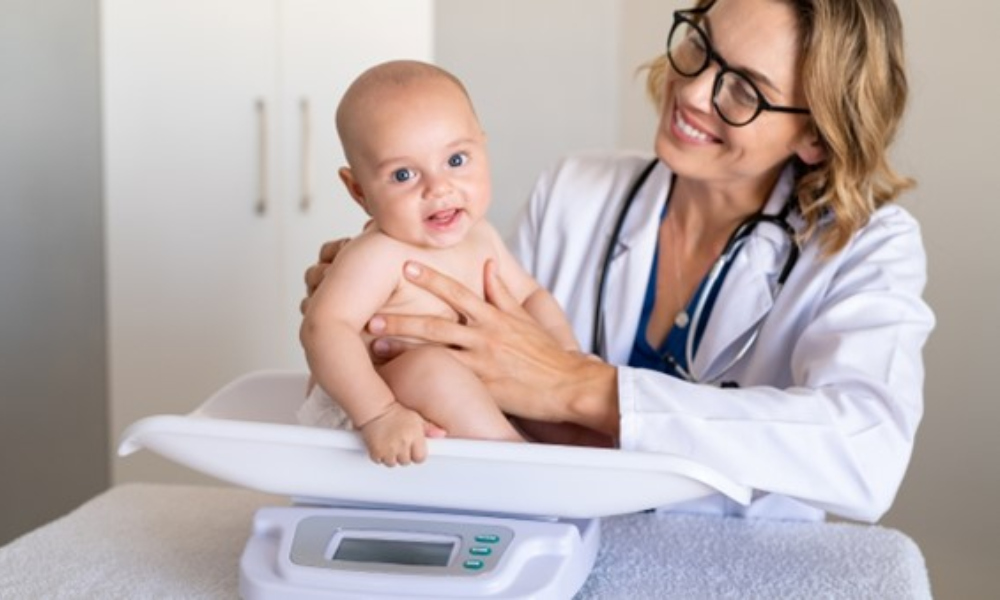
Weighing your baby regularly is a crucial part of monitoring their growth and development. It’s not just about seeing numbers on a scale, it’s about gaining valuable insights into your little one’s health. Here’s why weighing your baby is so important:
1. Tracking Growth Patterns
One of the primary reasons for weighing your baby is to track their growth patterns. Babies grow at an astonishing rate, especially in the first year of life. Regular weighing helps you and your healthcare provider ensure that your baby is growing at a healthy pace. It’s not just about the amount of weight gain, but also about the consistency of growth over time.
2. Assessing Feeding Efficiency
For newborns and infants, weight gain is closely tied to feeding efficiency. Whether you’re breastfeeding or formula-feeding, weighing your baby can give you important feedback on how well they’re taking in nourishment. If your baby is gaining weight steadily, it’s a good sign that they’re getting enough milk or formula. On the other hand, if weight gain is slow or inconsistent, it might indicate feeding issues that need to be addressed.
3. Early Detection of Health Issues
Regular weighing can help in the early detection of potential health issues. Unexpected weight loss or a sudden change in growth patterns could be a sign of an underlying health problem. By keeping a close eye on your baby’s weight, you and your pediatrician can quickly identify and address any concerns before they become serious.
4. Tailoring Nutrition and Care
As your baby grows, their nutritional needs change. Weighing your baby helps in tailoring their nutrition plan, whether it’s adjusting feeding schedules, introducing solid foods, or modifying formula quantities. It allows you to provide the best care tailored to your baby’s specific growth stage and needs.
5. Peace of Mind for Parents
For many new parents, regularly weighing their baby provides peace of mind. It’s a tangible way to see that your efforts in caring for your little one are paying off. Watching your baby grow and gain weight can be incredibly reassuring, especially in those early months when everything feels new and uncertain.
Selecting the Right Tools for Weight Measurement
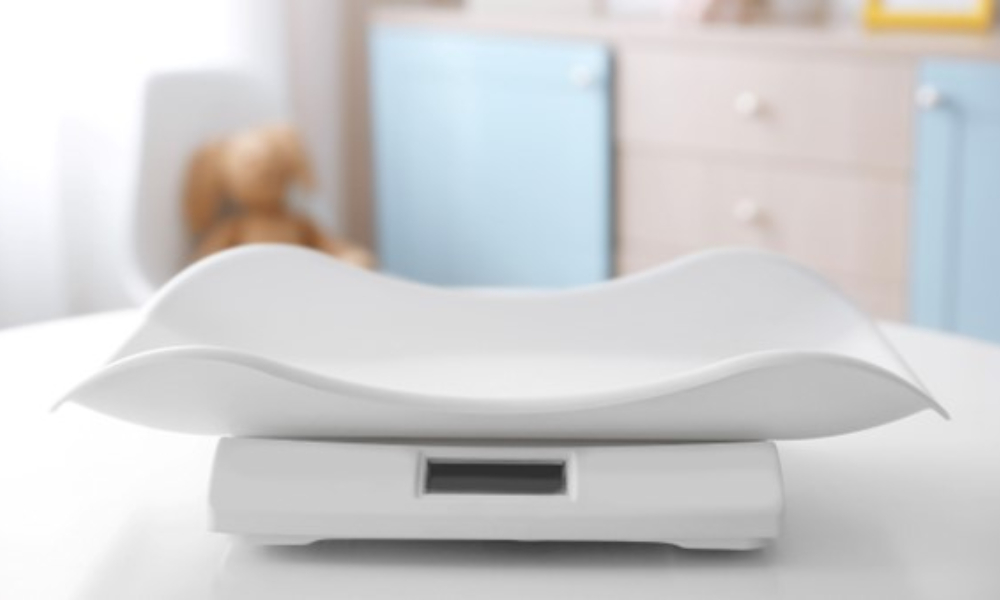
When it comes to weighing your baby, the equipment you choose plays a crucial role in ensuring accuracy. There are several options available, but the two most common types of baby scales are mechanical and digital scales.
Mechanical Baby Scales
These scales operate through a spring mechanism and provide a straightforward method of measuring weight. While they can be quite accurate, some parents find digital scales easier to read. Nonetheless, they often have a higher price tag and may require calibration over time.
Digital Baby Scales
Digital baby scales, on the other hand, provide a clear and precise weight measurement instantly, making them a popular choice among parents. Many models come with convenient features such as memory functions and the ability to measure in different units. Look for baby scales that include a tare function to reset the scale to zero after placing a blanket or cloth on it for comfort.
Tips for Weighing Your Baby Accurately
Getting your baby to settle down for weighing can sometimes feel like a challenge. However, there are several tips to help you through this process:
- Choose the Right Time: Ideally, weigh your baby in the morning when they’re well-rested and have had a good rest. This can provide a more consistent measurement.
- Position Your Baby Comfortably: Lay your baby down carefully on the scale without any bulky clothing or diapers that might interfere with accuracy. A simple onesie can help weigh more accurately.
- Take Multiple Weighings: To ensure you’re getting an accurate reading, it can be helpful to weigh your baby three times in a row and average the results. This can help counteract any minor movements or shifts.
- Record the Results: Keeping a log of your baby’s weight can help you track their growth over time. It can also be a valuable resource during pediatric visits when discussing your child’s overall health and growth patterns.
Creating a Comfortable Environment
While weighing your little one, ensure that you create a calming atmosphere. Babies can often feel anxious or uncomfortable when placed on a scale, so having their favorite toy or a gentle voice nearby can help soothe them during this process.
Moreover, maintaining a consistent environment can facilitate better weight readings. Minimize distractions and ensure the scale is placed on a flat, stable surface.
Monitoring Growth and Consulting Your Pediatrician
Frequent consultations with your pediatrician are recommended to discuss your baby’s growth trajectory. Utilize the data you’ve collected from the weigh-ins to engage in meaningful conversations about your baby’s nutrition and health needs. Pediatricians can offer personalized guidance based on your baby’s specific situation and growth patterns.
In addition, growth charts can serve as a visual representation to help you understand how your baby’s weight aligns with national averages. Keep in mind that growth varies greatly among infants, and your focus should be on trends over time rather than isolated measurements
Understanding Average Baby Weight
As new parents, it’s natural to wonder if your baby’s weight is on track. Understanding typical baby weight milestones can help you gauge your little one’s progress and know when to seek advice. While every baby is unique, there are some general guidelines for average baby weights. Most full-term newborns weigh between 6-9 pounds (2.7-4.1 kg) at birth.
In the first month, babies typically gain 5-7 ounces (140-200 grams) per week. By three months, the average weight is around 12-13 pounds (5.4-5.9 kg). At six months, most babies double their birth weight, reaching about 16-18 pounds (7.3-8.2 kg). By their first birthday, many babies triple their birth weight, averaging 20-23 pounds (9.1-10.4 kg).
Several factors can influence your baby’s weight gain. Genetics play a role, as your family’s body type can influence your baby’s growth pattern. The feeding method can also make a difference, as breastfed babies might gain weight differently than formula-fed babies. Birth weight is another factor, as babies born smaller or larger than average might follow different growth curves. Certain health issues can affect weight gain, and as babies become more active, their weight gain might slow down.
Common Weight Measurement Challenges
Even with the best intentions and equipment, measuring your baby’s weight can sometimes lead to unexpected challenges. Here are some common issues and tips to address them:
- Scales Showing Inconsistent Readings: If you notice a variance in weight each time you measure, you may ensure that the scale is on a flat surface and is calibrated properly. Digital scales can also be reset to avoid any discrepancies.
- Baby Not Staying Still: It’s natural for babies to wiggle which makes it hard to get an accurate reading. In this case, you can try swaddling them lightly or using a comfort item to keep them calm. Consider using a scale with a motion stabilization feature if available.
- Confusion in Weight Units: Many digital scales allow you to switch between pounds and kilograms. Make sure you are using the unit that is most familiar or preferred for your records.
FAQs
1. How often should I weigh my baby at home?
For newborns, weighing once a week can be helpful, especially if you’re monitoring feeding issues. As your baby grows, once a month is usually sufficient unless your pediatrician advises otherwise. Remember, home weighing should complement, not replace, regular check-ups with your healthcare provider.
2. What’s the most accurate way to weigh a baby at home?
The most accurate method is using a digital baby scale designed specifically for infants. If you don’t have one, you can use a regular digital bathroom scale with the “parent-and-baby” method. Consistency is key. Use the same scale and technique each time, and weigh your baby at the same time of day, preferably before feeding.
3. Why is my baby not gaining weight as quickly as others?
Every baby grows at their own pace, and many factors can influence weight gain, including genetics, feeding methods, and overall health. Some babies naturally gain weight more slowly than others. However, if you’re concerned about your baby’s weight gain, it’s always best to consult with your pediatrician to rule out any underlying issues.
4. Can I use a kitchen scale to weigh my newborn?
Yes, for very small babies or newborns, a kitchen scale can be an effective method. Place a bowl or basket on the scale, use the tare function to zero it out, line it with a soft blanket, and gently place your baby in it. This method is only suitable for very small babies who can safely fit in the container.
5. What should I do if my baby’s weight suddenly drops?
If you notice a sudden drop in your baby’s weight, especially if it’s accompanied by other symptoms like decreased feeding, fewer wet diapers, or lethargy, it’s important to contact your pediatrician right away. Sudden weight loss can be a sign of dehydration or other health issues that need prompt attention. Your pediatrician can assess the situation and provide appropriate guidance or treatment if necessary.
Final Thoughts
Weighing your baby is an essential part of monitoring their growth and overall health. It’s a journey that begins from the moment they’re born and continues throughout their early years. As we’ve explored in this guide, there are various methods and considerations when it comes to weighing your little one, from professional techniques to at-home solutions.
Consistency and accuracy are key when it comes to tracking your baby’s weight. Whether you’re using a professional scale at the pediatrician’s office or a home method, following the tips we’ve discussed will help ensure reliable results. Remember, it’s not just about the numbers on the scale, but about understanding your baby’s unique growth pattern and ensuring they’re developing healthily.
While regular weighing is important, it’s equally crucial to keep the bigger picture in mind. Every baby is different, and growth patterns can vary. Trust your instincts as a parent, and don’t hesitate to seek professional advice if you have any concerns. Your pediatrician is your best resource for interpreting your baby’s growth and addressing any potential issues. By staying informed and attentive, you’re taking an important step in supporting your little one’s health and development.
Shop Related Products


