
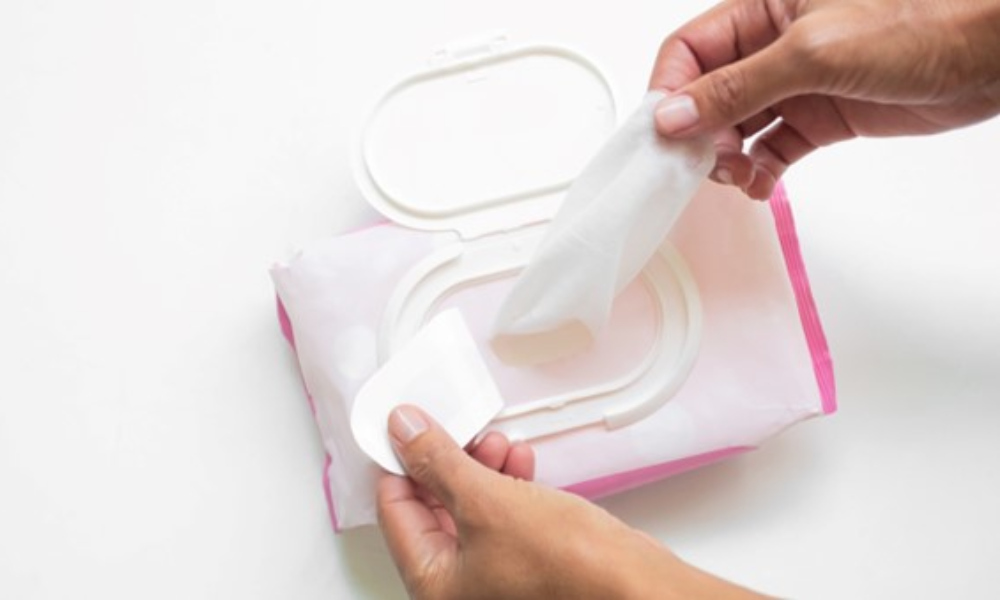
As new parents or parents-to-be, we often find ourselves wondering about the seemingly endless list of supplies we need for our little ones. Among these essentials, baby wipes stand out as a crucial item that we’ll use multiple times a day. But how many do we really need? It’s a question that might seem simple at first but can quickly become overwhelming when we’re standing in the baby aisle, surrounded by countless options and pack sizes.
In 2025, with the ever-changing landscape of parenting products and eco-friendly alternatives, determining the right number of baby wipes to stock up on has become both easier and more complex. With many brands available, from natural baby wipes to scented options, selecting the right type and quantity helps ensure you’re prepared for anything parenthood throws your way.
This blog will break down various aspects of baby wipe usage, including estimating daily and monthly needs by considering factors that influence consumption, and tips for bulk buying. So, let’s get started!
Factors Affecting Wipe Usage
The age of your baby plays a significant role in determining wipe usage. Newborns typically require more frequent diaper changes compared to older infants or toddlers. The feeding method also impacts wipe consumption; breastfed babies often have more frequent bowel movements than formula-fed babies, which can lead to increased wipe usage.
Your diaper-changing technique is another factor to consider. Some parents use more wipes per change than others, depending on their cleaning preferences and habits. Health conditions can also affect wipe usage; babies with sensitive skin or conditions like diaper rash may require extra cleaning and care, leading to increased wipe consumption. Lastly, many parents use wipes for quick clean-ups of hands, faces, and surfaces beyond diaper changes, which can significantly increase overall consumption.
Average Wipe Usage by Age
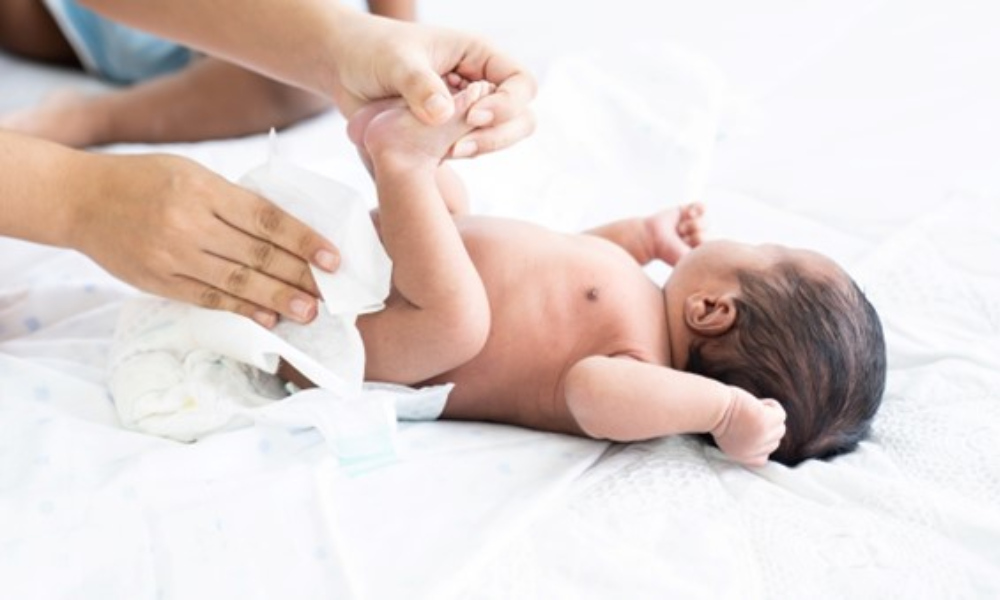
While individual needs may vary, here’s a general guide to help you estimate your baby wipe needs:
For newborns (0-3 months), you can expect to change diapers 10-12 times per day, using about 2-3 wipes per change. This translates to an estimated daily usage of 20-36 wipes and a monthly usage of 600-1,080 wipes.
Infants (3-12 months) typically require 6-8 diaper changes per day, with 2-3 wipes per change. This results in an estimated daily usage of 12-24 wipes and a monthly usage of 360-720 wipes.
For toddlers (1-2 years), diaper changes decrease to about 4-6 per day, still using 2-3 wipes per change. This means an estimated daily usage of 8-18 wipes and a monthly usage of 240-540 wipes.
Wipe Use Beyond Diaper Changes
Consider other scenarios where wipes come in handy. For instance, if you frequently clean your baby’s hands or face after meals, or if you are out and about and need to maintain their hygiene, these factors increase your total daily wipe usage. Adding an extra 3 to 5 wipes daily for these occasions can enhance your estimate. Keeping these factors in mind, your daily total can range anywhere from 30 to 70 wipes, depending on your routine.
Stocking Up: How Much is Enough?
Now that you have an idea of your monthly wipe needs, let’s discuss how to stock up efficiently.
1. Consider Package Sizes
Baby wipes typically come in packages ranging from 50 to 1,000 wipes. Small packs containing 50-100 wipes are great for your diaper bag or short trips. Medium packs with 200-300 wipes are ideal for keeping in different rooms of the house. Large packs of 500-1,000 wipes are perfect for stocking up and saving money in the long run.
2. The One-Month Rule
A good rule of thumb is to always have at least a one-month supply of wipes on hand. This ensures you’re prepared for unexpected situations and can take advantage of sales when they occur. If we take an average of 50 wipes per day and multiply that by 30 days in a month, you’re looking at needing approximately 1500 wipes per month.
By adjusting your daily usage numbers, you can estimate your needs based on specific situations or changes in your routine. For example, you might require more wipes during a particular month when your baby is more active or if they are teething and require extra wiping after meals.
3. Bulk Buying
Purchasing wipes in bulk can lead to significant savings and ensure you have enough on hand for various scenarios. Many retailers offer discounts for larger packs, and buying in bulk often reduces the overall cost per wipe. If you find a brand that works for your baby’s sensitive skin, consider stocking up during sales or using subscription services for savings on your favorite products
Quality vs. Quantity: Choosing the Right Wipes
While having enough wipes is important, the quality of the wipes you choose can significantly impact how many you use per diaper change.
Features to Look for in Baby Wipes
When selecting wipes, consider their thickness; thicker wipes often mean you’ll use fewer per change. The texture is also important, as some wipes have a textured surface that can clean more effectively, potentially reducing the number needed. Pay attention to the moisture level as well; well-moistened wipes clean better and are less likely to irritate your baby’s skin.
The ingredients are crucial, especially if your baby has sensitive skin. Look for gentle, hypoallergenic formulas. Finally, consider the packaging; resealable packages help prevent wipes from drying out, reducing waste.
Natural Baby Wipes: A Growing Trend
In 2025, we’ve seen an increasing demand for natural baby wipes. These eco-friendly options often boast biodegradable materials and natural ingredients. While they may be slightly more expensive, many parents find they need to use fewer natural wipes per diaper change due to their superior quality and effectiveness.
Creative Uses for Baby Wipes
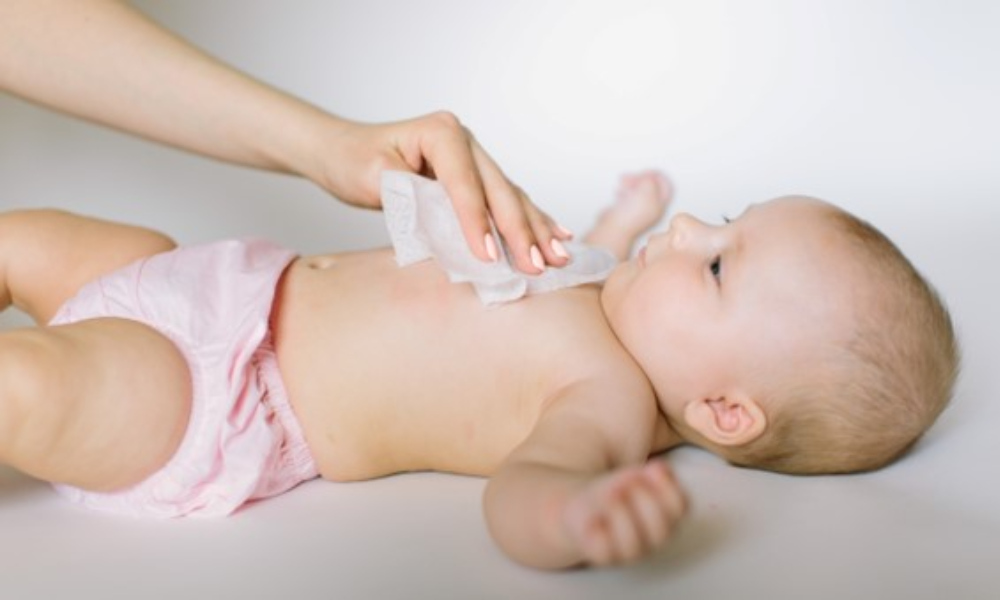
While baby wipes are primarily known for diaper changes, their applications extend far beyond that. Here, we explore some creative and practical uses for baby wipes that can help simplify your daily tasks as a parent.
1. Quick Clean-Ups
Baby wipes are ideal for quick clean-ups around the house. Perhaps you just finished a meal with your little one, and the high chair is covered in crumbs. Instead of reaching for a damp cloth or paper towel, grab a few wipes to swiftly tackle the mess. They can easily handle everything from wipeable surfaces and sticky fingers to spills on toys, making them a versatile cleaning tool.
2. Travel Companion
When traveling with a baby, space and convenience are essential. Baby wipes can serve as your best travel companion, easily fitting into diaper bags, strollers, or even your purse. They can be used to clean hands before snacks, sanitize surfaces like airplane trays, or freshen up baby gear during layovers. The convenience of baby wipes can make outings more enjoyable and reduce worry about hygiene.
3. Pet Care
Interestingly, baby wipes can also come in handy if you have pets. They can be useful for cleaning muddy paws after walks or quick touch-ups when your furry friend needs a little freshening up. Just be sure to select wipes that are free from harmful chemicals, as some ingredients found in regular baby wipes may not be safe for pets.
Overall, baby wipes are a multifunctional tool worth keeping stocked in your home, proving their worth goes beyond diaper changes and daily care routines. By understanding their varied uses, you can maximize the value of these seemingly simple products.
FAQs
1. How many baby wipes do I typically use in a day?
On average, parents use around 5 to 10 wipes per diaper change. If your baby requires about 5 diaper changes daily, this results in approximately 25 to 50 wipes used each day. Additional wipes for cleaning hands or faces could increase your daily total to around 30 to 70 wipes.
2. What factors affect how many wipes I should stock up on?
Several factors can influence the number of wipes you need, including the age of your baby, your daily routine, and events like travel or family gatherings. Babies require different amounts of cleaning as they grow, and lifestyle changes can also impact your consumption rates.
3. How do I determine the monthly amount of baby wipes to buy?
To determine your monthly baby wipes needs, first calculate your average daily usage and multiply that by approximately 30 days. For instance, if you use around 50 wipes daily, you should stock around 1,500 wipes for the month. Be sure to consider any upcoming events that might increase your needs.
4. Are natural baby wipes worth considering?
Yes, natural baby wipes can be an excellent choice for parents concerned about chemicals and skin sensitivity. These wipes are usually made from biodegradable materials and free from harsh additives, offering a safer option for cleaning your baby’s skin while also being environmentally friendly.
5. How can I effectively store baby wipes?
Proper storage of baby wipes is vital for maintaining their quality. Keep them in a cool, dry place, away from direct sunlight. Consider using bins or shelves to organize your supplies, and apply the “first in, first out” method to ensure you use older stock first to prevent expiration.
Final Thoughts
Planning your stock of baby wipes involves more than just guessing how many you might need. By evaluating your daily habits, routines, and special circumstances, you create a clearer idea of how many baby wipes to keep on hand. From the average number of wipes per day to understanding the variations in need as your baby grows, this can be a straightforward process with some awareness and planning.
Additionally, considering factors like lifestyle, wipe types, and bulk purchasing strategies will ensure you have enough supplies without overspending. Ultimately, you want to feel prepared for every situation that parenthood can throw at you, and having the right amount of wipes means less stress and more time to enjoy those priceless moments with your little one.
With the right approach, stocking up on baby wipes can become an effortless task, leading to increased convenience as you care for your baby’s needs. By anticipating your requirements and regularly monitoring your supplies, you can settle into a routine that keeps you well-prepared for diaper changes and beyond.
Shop Related Products


