
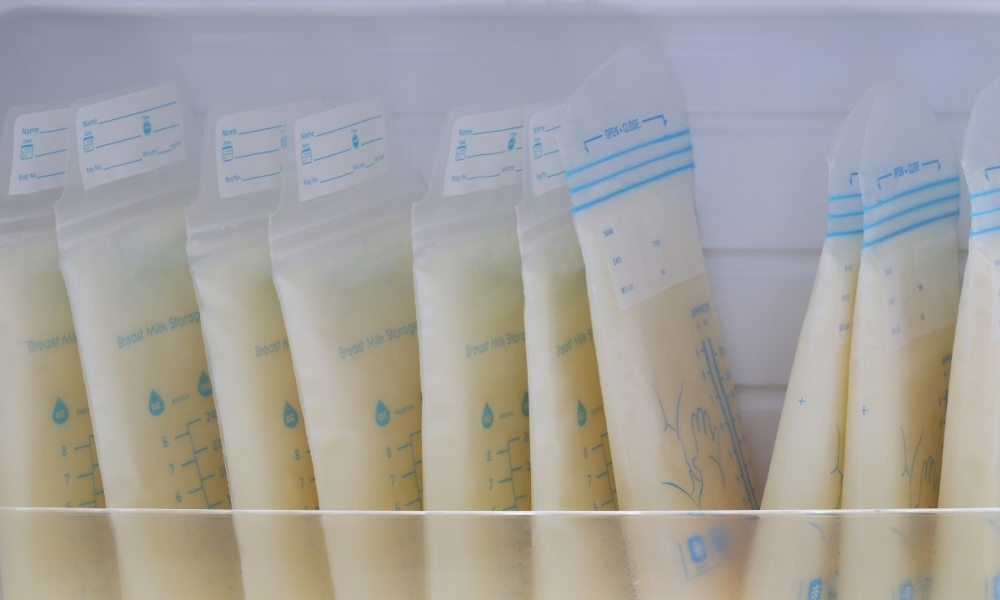
As new parents, we’re always looking for ways to provide the best nutrition for our little ones. Breast milk is often called “liquid gold” for its unparalleled nutritional benefits, but what if we could extend its shelf life and preserve those precious nutrients for even longer? Enter freeze-dried breast milk, a revolutionary method that’s changing the game for parents everywhere.
In this comprehensive guide, we’ll dive deep into the world of freeze-drying breast milk. We’ll explore the science behind this innovative process, its benefits, and most importantly, how you can do it safely at home. Whether you’re a working parent looking to maintain a steady supply, or simply want to ensure your baby has access to your milk for an extended period, this guide is for you.
From the equipment you’ll need to the step-by-step process, we’ve got you covered. We’ll also discuss storage tips, and reconstitution methods, and address common concerns and questions. So, let’s embark on this journey together and unlock the potential of freeze-dried breast milk for your family.
What Is Freeze Dry Breast Milk?
The freeze-drying process, also known as lyophilization, works by freezing the breast milk and then reducing the surrounding pressure. This allows the frozen water in the milk to sublimate directly from the solid phase to the gas phase. What’s left behind is a dry, powdered product that can be reconstituted with water when needed.
Unlike traditional drying methods, freeze-drying retains the maximum amount of nutrients, benefiting your child’s health and well-being. This process involves three main stages: freezing, primary drying, and secondary drying, each designed to ensure quality and safety.
The Essential Equipment You Will Need
To successfully freeze-dry breast milk at home, you will need specific equipment, such as a breast pump & freeze dryer, which can often be a significant investment. These machines vary in size and capacity, allowing you to choose one that fits your needs and space requirements. Besides the freeze dryer, you’ll also need airtight containers for storing the powdered breast milk efficiently. Ensuring these items are food-safe and easy to use will make the process smoother and more successful.
Step-by-Step Guide to Freeze-Drying Breast Milk
Freeze-drying breast milk is a delicate yet straightforward process that requires careful attention to detail to ensure the preservation of nutrients and safety. Here’s an in-depth look at each step involved in freeze-drying breast milk, including specific temperatures and additional facts that will help you successfully navigate this preservation technique.
Step 1: Preparing the Milk
Before you begin the freeze-drying process, it’s crucial to collect your breast milk in a sanitary manner. First, ensure that the pump and storage containers are properly sterilized to eliminate any risk of contamination. Use only freshly expressed breast milk, ideally within 24 hours of expression to guarantee the highest quality.
If you choose to use previously frozen milk, make sure it has been safely thawed in the refrigerator, not at room temperature, to maintain integrity. Label the containers with the date of collection to keep track of freshness, and avoid mixing milk from different pumping sessions unless all the milk is at the same temperature and freshness level. Monitor and record the temperature of your breast milk as it needs to be below -4°F (-20°C) for optimal freezing.
Step 2: Freezing the Milk
Once you have your milk prepared, it’s time to freeze it. You can use a regular freezer or a more robust deep freezer for this purpose. The critical aspect here is to get the milk frozen as rapidly as possible, as this plays a vital role in the overall quality of the freeze-dried product. Ideally, you should aim to freeze the milk at temperatures of -20°F (-29°C) or lower.
If using storage bags, spread the milk flat to ensure even freezing, as this will speed up the freezing process and help it freeze more uniformly. Allow the milk to freeze for approximately 24 hours to ensure that it is completely solid and no slushy or liquid textures remain.
Step 3: Setting Up the Freeze Dryer
Once the milk is fully frozen, you need to prepare your freeze dryer. Be sure to check the equipment’s cleanliness, as any leftover residues from previous uses can contaminate your current batch. Follow the manufacturer’s instructions for loading the machine properly, ensuring the milk containers or trays have enough space for air circulation.
The ideal freeze-drying machine should maintain a vacuum environment and regulate temperature throughout the process, ensuring that it can handle various loads while keeping consistent performance. These machines often require a pre-cooling temperature between -40°F (-40°C) and -50°F (-45°C) to initiate the freeze-drying cycle effectively.
Step 4: Running the Freeze-Drying Cycle
Start the freeze-drying cycle based on your specific machine’s settings. The primary drying phase usually occurs at low pressure and requires temperatures of around -10°F to +20°F (-23°C to -6°C), depending on the specifications of your freeze dryer. The duration of the cycle may vary but generally lasts from 24 to 48 hours, influenced by the type and amount of breast milk being processed.
During this phase, the frozen milk undergoes primary drying, where approximately 95% of the moisture content is removed. This happens by applying heat in a controlled manner while maintaining a vacuum.
Following this, the secondary drying phase will begin. This stage elevates the temperature to about +150°F (+65°C), further reducing the residual moisture content and ensuring a fully dry product. This phase typically lasts an additional 4 to 12 hours, depending on the moisture level in the milk.
Step 5: Storing the Powdered Milk
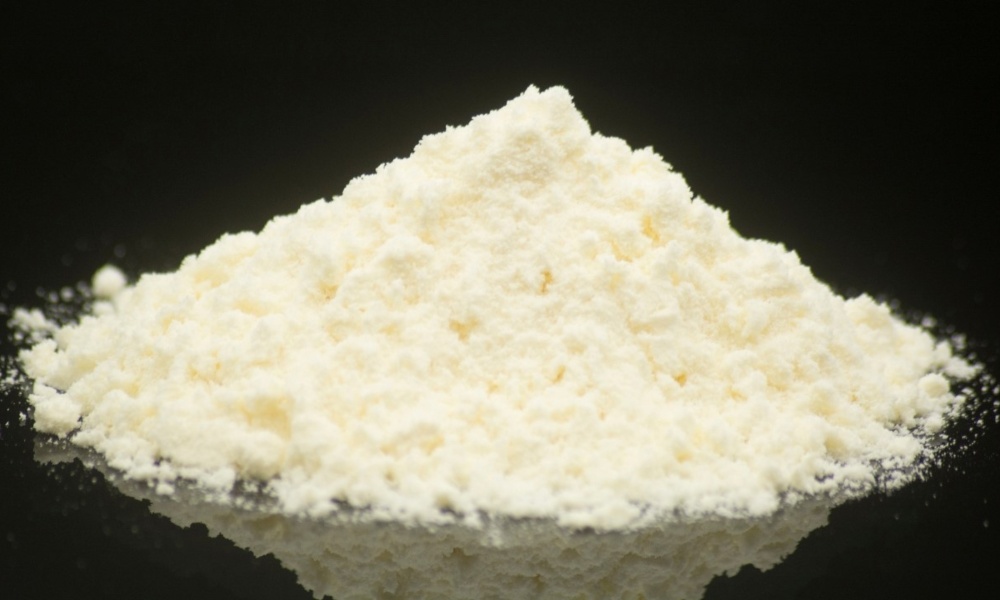
After the freeze-drying cycle is complete, it’s essential to check the milk thoroughly. The freeze-dried product should exhibit a crumbly texture and have little to no moisture left, this means it’s ready for storage. If you notice clumping or any signs of moisture, consider running the cycle longer or re-checking your drying protocol.
Transfer the freeze-dried milk into pre-prepared airtight containers immediately to minimize exposure to air and moisture. It’s crucial to fill the containers in a vacuum-sealed or nitrogen-flushed manner, as these methods further extend the shelf life and maintain quality. Store the containers in a cool, dry place, ideally kept away from direct light, as this can degrade the nutrients over time.
Benefits of Freeze-Drying Breast Milk
- Extended Shelf Life: While frozen breast milk typically lasts 6-12 months, freeze-dried breast milk can be stored for up to 2-3 years when properly packaged.
- Nutrient Retention: The freeze-drying process preserves most of the nutritional components and antibodies present in fresh breast milk.
- Space-Saving: Powdered breast milk takes up significantly less storage space than frozen milk.
- Easy to Transport: Its lightweight nature makes it ideal for travel or shipping to your baby when you’re away.
- Reduced Waste: You can reconstitute only what you need, minimizing waste compared to thawing frozen milk.
Safety Tips for Freeze-Drying
When freeze-drying breast milk, safety should always be a top priority. While the process is generally safe, a few precautions can help ensure optimal results. First and foremost, always start with freshly expressed milk. If using previously frozen milk, be sure it has been thawed properly in the refrigerator, and never refreeze thawed milk. This helps maintain the milk’s nutritional integrity and reduces the risk of bacterial contamination.
Additionally, keep your freeze dryer clean and well-maintained. Routinely inspect the components, especially any parts that come into direct contact with the milk. It’s crucial to follow the manufacturer’s care instructions to prevent any malfunctions or contamination. Lastly, when transferring the powdered milk into storage containers, make sure your hands and the tools used are clean and sanitized. Preventing moisture exposure and ensuring adequate sealing are key to prolonging the shelf life and safety of your freeze-dried breast milk.
How to Rehydrate Freeze-Dried Breast Milk
One of the most straightforward aspects of freeze-dried breast milk is rehydration. When you’re ready to use the milk, you’ll need to add water back into it. Generally, a ratio of 1 part freeze-dried milk to 2 or 3 parts warm water will restore the milk to a liquid state that’s suitable for your baby.
For rehydration, use warmed sterile water to ensure a safe feeding experience. Mix thoroughly and allow the rehydrated milk to settle. Before feeding, check the temperature to ensure it’s suitable for your baby—similar to how you’d warm fresh breast milk. It’s always best to err on the side of caution, making sure the mixture is neither too hot nor too cold for your little one.
The Impact of Freeze-Drying on Breast Milk Composition
The impact of freeze-drying on breast milk composition is significant, as this preservation method helps maintain the milk’s nutritional integrity while extending its shelf life. Research indicates that freeze-drying effectively retains essential nutrients, including proteins, fats, vitamins, and minerals, crucial for infant health. Unlike conventional drying methods that can damage sensitive compounds, freeze-drying utilizes low temperatures and vacuum pressure, preserving the delicate proteins and antibodies found in breast milk.
One of the key benefits is the preservation of immunoglobulins and other bioactive components that bolster an infant’s immune system. Additionally, freeze-dried breast milk retains lactose, essential for energy and proper digestion. Studies show that freeze-dried milk can continue to provide vital nutrients, making it comparable to freshly expressed milk.
Furthermore, the process results in a convenient and shelf-stable product that allows you to store milk for extended periods without refrigeration. This not only offers flexible feeding options, especially for working or traveling parents but also ensures that their babies receive high-quality nutrition regardless of circumstances. Overall, freeze-drying breast milk emerges as an innovative solution for modern parenting while maintaining the essential composition that supports healthy infant development.
FAQs
1. Is Freeze-dried breast milk as nutritious as fresh breast milk?
Freeze-dried breast milk retains most of the nutritional components found in fresh breast milk. While some minor changes may occur during the process, it preserve a significant portion of the proteins, fats, carbohydrates, vitamins, and minerals. However, some bioactive components like live cells may be affected. Overall, it remains a highly nutritious option for infants when fresh breast milk is not available.
2. How long can I store freeze-dried breast milk?
When properly processed and stored in airtight containers in a cool, dry place, freeze-dried breast milk can last up to 2-3 years. This extended shelf life is one of the main advantages of freeze-drying compared to other storage methods. However, it’s always best to use it within the recommended timeframe to ensure optimal nutritional quality.
3. Can I freeze-dry breast milk without a home freeze dryer?
While a home freeze dryer is the most efficient way to freeze-dry breast milk, there are alternative methods. Some parents use a combination of freezing and food dehydrators, though this process is less reliable and may not preserve the milk as effectively. Commercial freeze-drying services are also available in some areas. However, for consistent results and safety, a home freeze dryer designed for this purpose is recommended.
4. Is it safe to mix freeze-dried breast milk with fresh milk?
Yes, it is generally safe to mix reconstituted freeze-dried breast milk with fresh breast milk. However, ensure that both are at similar temperatures before combining to prevent any potential issues. Always follow proper hygiene practices when handling and mixing breast milk, and use the mixture within the recommended timeframe for fresh breast milk.
Final Thoughts
Freeze-drying breast milk represents a significant advancement in infant nutrition, offering a unique solution to the challenges of long-term breast milk storage. This method provides an excellent option for mothers who want to ensure their babies have access to the benefits of breast milk, even when direct breastfeeding isn’t possible.
While the process requires some initial investment in equipment and time to learn, many parents find the flexibility and peace of mind well worth the effort. As with any decision regarding your baby’s nutrition, it’s essential to weigh the pros and cons carefully and consult with healthcare professionals when needed.
Whether you choose to incorporate freeze-dried breast milk into your feeding routine or stick with traditional methods, remember that the most important thing is providing your baby with love and nourishment. Every family’s journey is unique, and there’s no one-size-fits-all solution when it comes to infant feeding.
Shop Related Products


