Between midnight feedings and first smiles, preparing for a new baby involves countless decisions. One question that often perplexes expectant parents is determining the right number of bibs to have on hand. While it might seem like a simple consideration, having the proper quantity of bibs can make a significant difference in your daily routine with a little one.
The journey of parenthood brings joy and challenges, especially during feeding times. A well-stocked supply of bibs are essential items that protect your baby’s clothes and make cleanup easier. Whether you’re bottle-feeding or starting solids, the right number of bibs helps maintain hygiene and comfort for both parent and child.
This comprehensive guide explores everything you need to know about bibs, from quantity recommendations based on age to choosing the right types for different stages. We’ll help you navigate this aspect of baby care with practical insights, ensuring you’re well-prepared for those messy but precious moments with your little one.
Why Are Bibs Essential for Your Baby?
The importance of bibs goes far beyond simply keeping your baby’s clothes clean. A baby bib acts as a protective barrier during feeding times, shielding your little one from food stains and messes while keeping them comfortable throughout the day. Whether it’s milk dribbles from bottle feeding, messy purees during their first meals, or drool from teething, bibs play a key role in maintaining hygiene and protecting your baby’s delicate skin from irritation caused by dampness or food residue.
Bibs are especially essential for minimizing outfit changes, which can often be time-consuming and challenging, particularly when you’re out and about or have a busy day ahead. By keeping your baby’s clothes dry and clean, they eliminate the hassle of carrying multiple backups and save effort in doing frequent laundry. This becomes even more important during teething phases when drooling tends to increase significantly.
Not only are bibs practical, but they also help preserve your baby’s wardrobe from permanent stains by keeping those adorable outfits in great condition for longer. Available in a variety of styles, materials, and patterns, bibs can even be a fun accessory that adds a little charm to your baby’s everyday look, making them both functional and fashionable. Whether you’re at home or on the go, bibs are a must-have tool for parents to keep their baby feeling fresh, dry, and happy throughout the day.
Understanding Different Types of Bibs
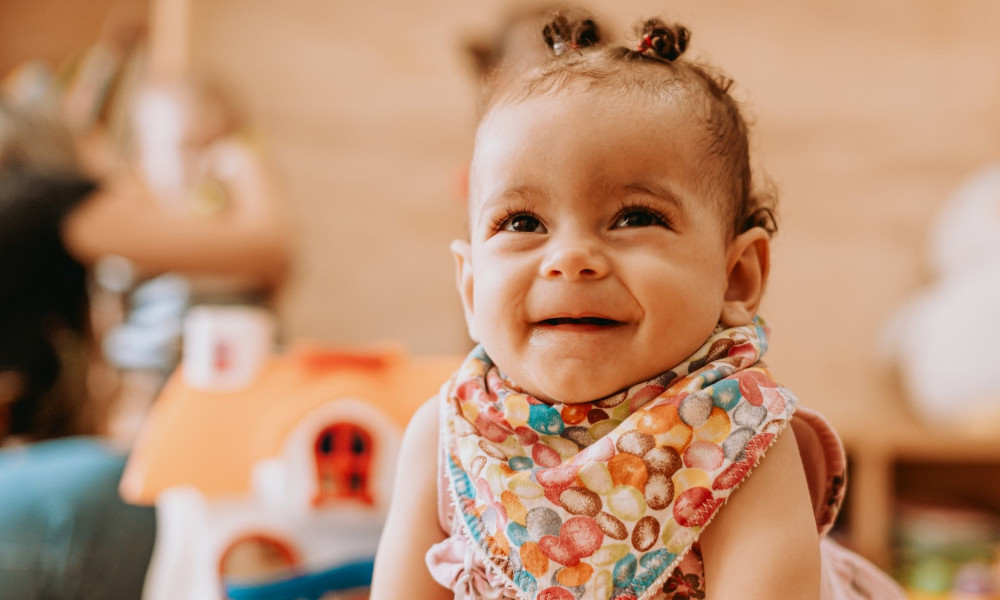
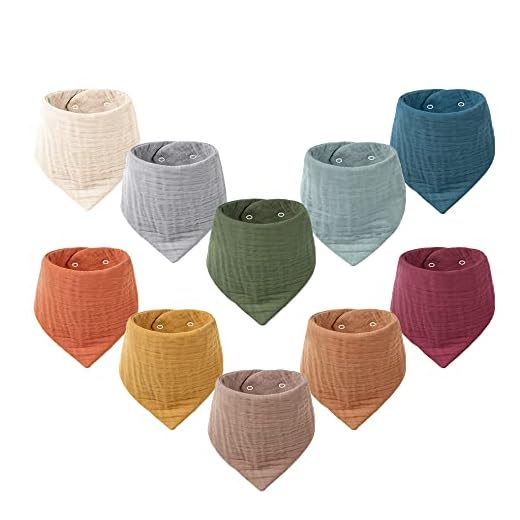
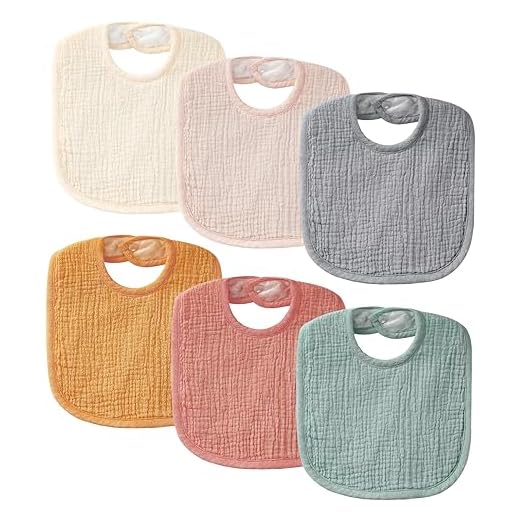
When it comes to baby bibs, one size doesn’t fit all. Bibs are made from various materials, each serving specific purposes, and choosing the right one can make a big difference in keeping your baby clean and comfortable. Cotton bibs, for example, are soft and breathable, making them perfect for absorbing drool and light spills without irritating your baby’s skin. On the other hand, waterproof bibs with a plastic or laminated backing provide enhanced protection during messy mealtimes, preventing liquids from soaking through to your baby’s clothing. These are particularly useful during the early stages of feeding when spills are more frequent.
Our comprehensive guide on Best Baby Bibs dives deeper into detailed comparisons of different materials and styles, helping you choose the best one for your little one’s needs. Silicone bibs have also become a go-to choice for feeding, especially as babies transition to solid foods. Their durable, easy-to-clean surface means you can simply wipe them down or even toss them in the dishwasher, saving time and effort. Plus, the built-in catch pockets do an excellent job of collecting stray crumbs and spills, making them highly practical for messier meals and on-the-go feeding.
If you’re dealing with specific needs like teething babies, then Teething Bibs definitely offers a solution. These bibs often feature absorbent materials paired with silicone teething corners or textured chewable sections, keeping your baby dry while soothing their sore gums. No matter the stage your baby is in, there’s a bib out there designed to make life easier for both you and your little one.
Recommended Number of Bibs by Age
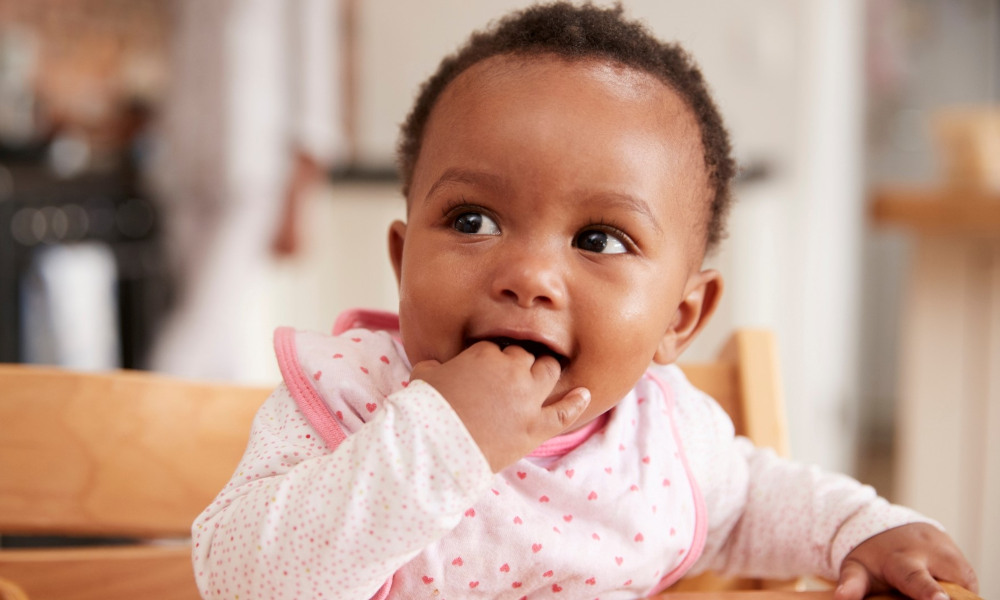
1. Newborn to 3 Months
During the early months, babies require frequent feeding sessions. The number of bibs you need typically ranges from 20-25 for newborns. This quantity ensures you have clean bibs available while others are in the wash. Spit-up and drool happen frequently at this stage, making multiple daily changes necessary.
2. 4 to 8 Months
This period demands 15-20 bibs as feeding patterns become more established. To keep your baby clean during this stage, maintain a rotation of bibs for both feeding times and drooling episodes. Teething often begins during this period, increasing drool production.
3. 9 to 12 Months
For babies starting solid foods, 8-10 durable, waterproof bibs might suffice, as these can be wiped clean after each use. Special occasions might require specific types, such as a Baptismal Bib for ceremonial events.
How to Maintain Your Bib Supply
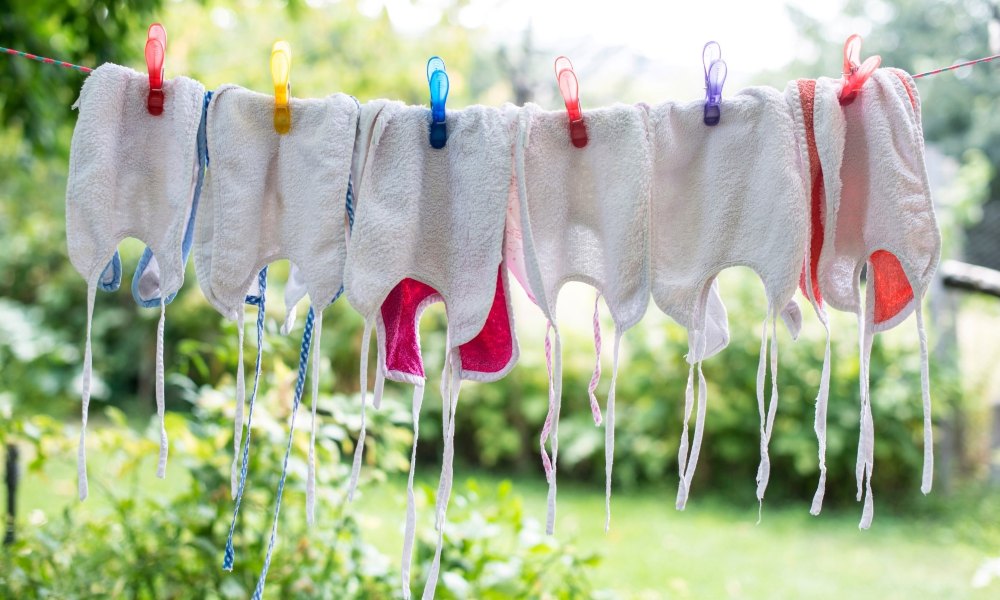
To keep your baby comfortable and clean, establishing a good bib rotation system is essential. Having multiple bibs in use while others are being washed ensures you’re never caught without a clean option. Proper washing and drying methods help extend the life of your bibs and maintain their absorbency.
Storage solutions that keep clean bibs readily accessible can make daily routines smoother. You may consider keeping a few bibs in different locations, such as some on the changing table, in the diaper bag, and near feeding areas for convenience.
Factors Affecting the Number of Bibs You Need
The number of bibs you need largely depends on your baby’s age and feeding schedule. Newborns typically require more frequent changes due to milk spills and reflux, while older babies might need fewer daily changes but more durable bibs for solid foods.
Your laundry routine plays a crucial role in determining your bib inventory. If you do laundry daily, you might manage with fewer bibs. However, if you prefer doing laundry less frequently, you’ll need a larger supply to ensure you always have a clean bib available.
Selecting bibs that are easy to clean can significantly reduce your daily workload. Look for materials that can be machine-washed without losing their shape or absorbency. Some modern materials can be simply wiped clean, making them perfect for on-the-go use.
Consider features like adjustable closures, pocket catches, and waterproof backing when selecting bibs. These elements can make the difference between a practical purchase and one that falls short of your needs.
The Impact of Feeding Methods on Bib Needs
Different feeding methods can significantly influence how many bibs you’ll need. Breastfed babies might require fewer bibs as they tend to have less spillage, while bottle-fed babies might need more due to potential drips and spills. When your baby starts solid foods, you’ll likely need additional heavy-duty bibs.
For combination feeding, consider having separate sets of bibs for different feeding methods. This helps you track wear and tear more effectively and ensures you’re using the most appropriate type for each feeding session.
Seasonal Considerations for Bib Usage
Weather and seasons can affect your bib needs. During summer months, babies tend to drool more due to teething and heat, requiring more frequent bib changes. Winter might call for thicker, more absorbent bibs that can handle both drool and condensation from breathing in cold air.
Additionally, seasonal activities might influence your bib choices. Summer outdoor meals might require more waterproof options, while holiday gatherings might call for decorative bibs that complement special outfits.
Economic Aspects of Bib Shopping
While it might seem expensive to purchase multiple bibs upfront, having an adequate supply can save money in the long run. Sufficient bibs help protect clothing from stains, reducing the need for replacement outfits. They also prevent the need for emergency laundry runs or last-minute purchases at premium prices.
Consider buying bibs in bulk or sets when possible, as this often provides better value. Look for sales and seasonal clearances to stock up on quality bibs at reduced prices. Remember that investing in durable, well-made bibs might cost more initially but can prove more economical over time.
Environmental Considerations
For environmentally conscious parents, the choice of bibs and their quantity can impact your ecological footprint. Opt for sustainable materials like organic cotton or bamboo, which are both gentle on your baby’s skin and the environment. Having the right number of bibs helps optimize your laundry routine, potentially reducing water and energy usage.
Consider the lifecycle of your bibs, those made from high-quality, durable materials might last through multiple children or be suitable for donation after your baby outgrows them. This sustainability aspect can influence both the quantity and types of bibs you choose to purchase.
Frequently Asked Questions – FAQs
Q: How often should I replace my baby’s bibs?
Replace bibs every 3-4 months or when showing signs of wear such as fraying edges, fading colors, or weakened closures. Heavily used bibs may need replacement sooner, while those used occasionally can last longer. Monitor condition regularly and replace when absorbance decreases.
Q: Can I use the same bibs for bottle feeding and solid foods?
While possible, using specialized bibs for different feeding stages proves more effective. Bottle feeding requires absorbent, soft bibs, while solid foods need waterproof, pocket-style bibs. Having dedicated bibs for each purpose ensures better protection and easier cleaning.
Q: Do I need different-sized bibs as my baby grows?
Yes, the bib size should increase with your baby’s growth. Newborn bibs are smaller and lighter, while older babies need larger bibs with more coverage. Consider adjustable bibs that grow with your baby to extend their usability.
Q: What’s the best way to remove tough stains from bibs?
Treat stains immediately by rinsing with cold water and applying a gentle stain remover. For stubborn stains, soak in an oxygen-based cleaner before washing. Always follow care instructions and avoid harsh chemicals that might irritate the baby’s skin.
Q: Should I pack extra bibs in my diaper bag?
Always carry 2-3 extra bibs when going out. This ensures preparedness for unexpected messes, multiple feedings, or extended time away from home. Pack different types to handle various situations.
Final Thoughts
Equipping yourself with the right number of bibs is a game-changer in your parenting journey. The perfect quantity balances practicality with convenience, ensuring you’re prepared for every feeding, drooling, and messy moment without creating unnecessary laundry stress.
Your baby’s comfort and your peace of mind are worth the investment in a well-planned bib collection. Having the right amount means you can focus on enjoying precious moments with your little one instead of worrying about running out of clean bibs or dealing with stained clothes.
Finding your ideal bib quantity might take some trial and error, but starting with our recommended numbers and adjusting based on your experience will help you build the perfect collection for your family’s needs.
Shop Related Products