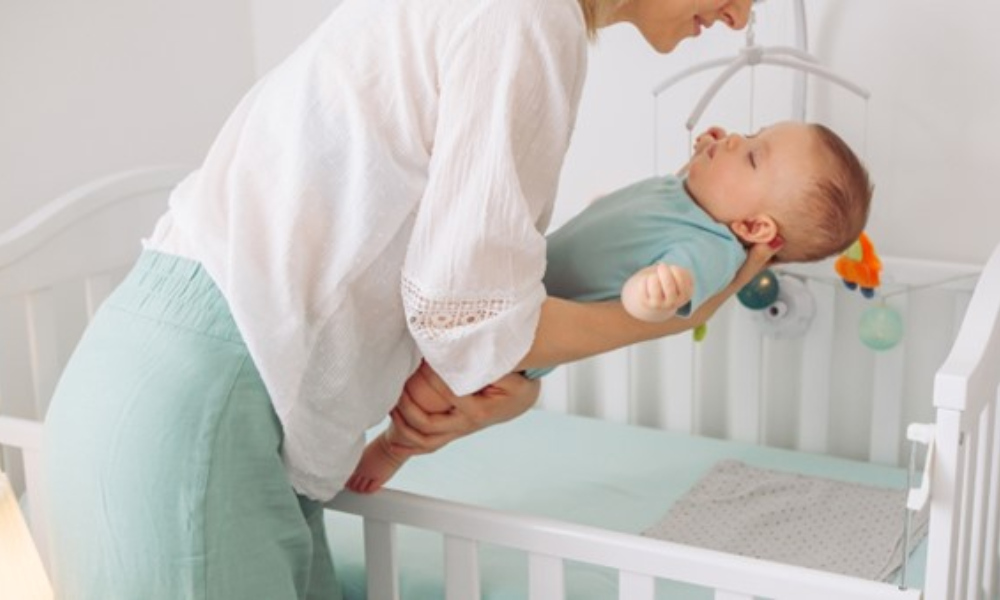
Sleep is a precious commodity for a baby’s growth and development, making it one of the most precious aspects of their well-being. While keeping your baby warm during chilly winters is crucial by ensuring their safety is just as important. Sleep sacks have become a go-to choice for many new parents as they offer a safe and cozy alternative to traditional blankets. However, amidst the variety of options and excitement of preparing for your little one, a common question arises: how many sleep sacks do you actually need?
In this ever-evolving world of baby care, sleep sacks have become more than just a simple blanket alternative. They’ve transformed into sophisticated sleep solutions, offering various features like temperature regulation, organic materials, and even smart technology integration. As we strive to provide the best for our babies, understanding our sleep sack needs becomes crucial for both our child’s comfort and our peace of mind.
Join us as we dive deep into the world of sleep sacks, exploring everything from the basics of why they’re necessary to how many you should own for your unique situations. Whether you’re a first-time parent or looking to optimize your baby’s sleep routine, this guide will help you navigate the sleep sack landscape of 2025 with confidence and clarity.
What is A Sleep Sack?
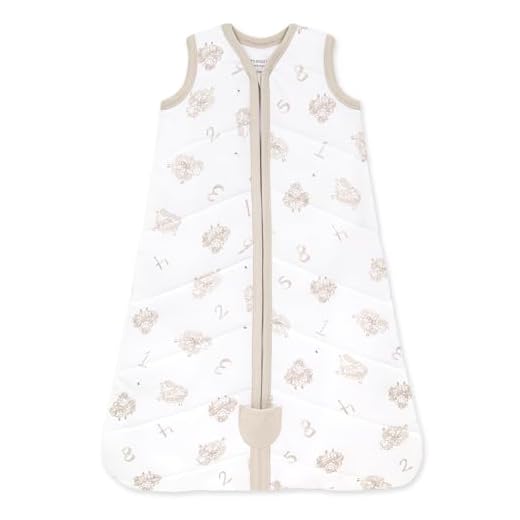
A sleep sack, also known as a wearable blanket, is designed to keep infants warm and safe during sleep. Unlike traditional blankets that can pose suffocation risks, a sleep sack allows babies to move their arms and legs freely while staying snug and secure. Made from soft, breathable materials such as cotton or fleece, they are available in various sizes, weights, and designs to accommodate different temperatures and a baby’s growth. Sleep sacks typically feature a zipper or snap closure for easy access during nighttime diaper changes.
Why Use Sleep Sacks?
Sleep sacks have gained popularity for several compelling reasons. First and foremost, they promote safer sleep by reducing the risk of Sudden Infant Death Syndrome (SIDS). Unlike loose blankets that can cover a baby’s face or get tangled around their body, sleep sacks stay securely in place, allowing your baby to move freely while remaining covered.
Moreover, sleep sacks provide consistent warmth throughout the night. Babies, especially newborns, can have difficulty regulating their body temperature. A well-chosen sleep sack helps maintain a comfortable temperature, potentially leading to longer and more restful sleep for your little one.
Types of Sleep Sacks
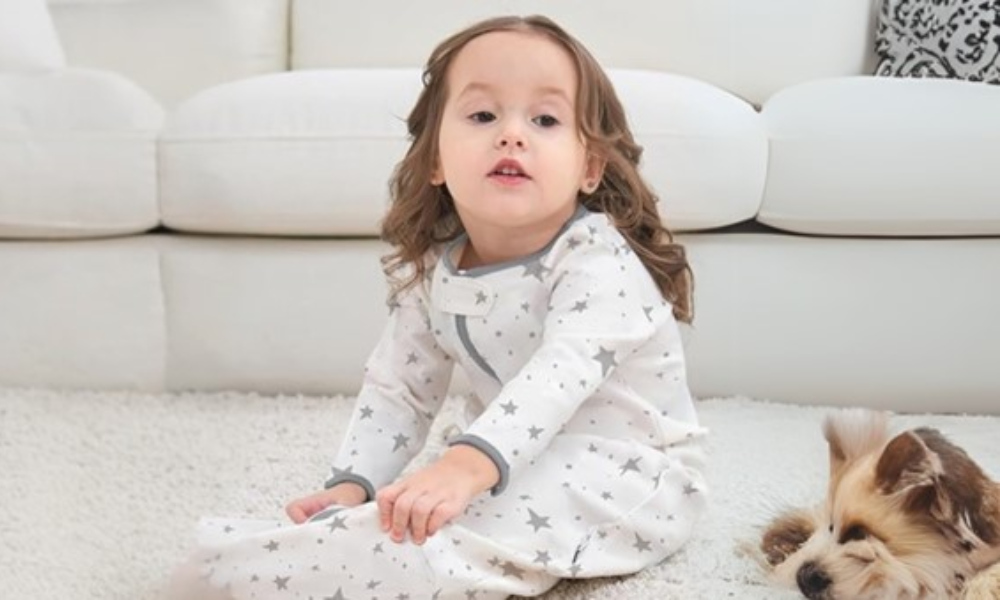
In 2025, the variety of sleep sacks available is more extensive than ever. You’ll find options ranging from lightweight cotton for warmer months to thicker, insulated versions for colder weather. Some popular types include:
- Lightweight cotton sleep sacks
- Fleece sleep sacks for cooler temperatures
- Wool sleep sacks for natural temperature regulation
- TOG-rated sleep sacks for precise warmth control
- Transitional sleep sacks with removable sleeves or legs
The TOG (Thermal Overall Grade) rating is particularly important when choosing a sleep sack. It indicates the warmth level of the garment. For instance, a 2.5 TOG sleep sack is suitable for moderate warmth & standard room temperatures, while a 3.5 TOG sleep sack is ideal for cooler environments or winter use.
Factors Influencing How Many Sleep Sacks You Need
Now that we understand what sleep sacks are and why they’re beneficial, let’s explore the factors that influence how many you might need.
Age and Size of Your Baby
Your baby’s age and size play a significant role in determining your sleep sack needs. Newborns grow rapidly, often outgrowing their sleep sacks within a few months. As your baby grows, you’ll need to size up accordingly. Most brands offer sizes ranging from newborn to toddler, typically based on weight and height.
Climate and Room Temperature
The climate you live in and your home’s temperature control capabilities greatly affect your sleep sack requirements. If you experience distinct seasons, you might need different TOG ratings for various times of the year. In regions with more stable climates, you might get by with fewer variations.
Laundry Frequency
How often you plan to do laundry is a practical consideration. If you prefer to wash less frequently, you’ll need more sleep sacks to rotate through. On the other hand, if you don’t mind frequent washes, you can manage with fewer.
Nighttime Diaper Changes
For newborns and young infants who require frequent nighttime diaper changes, having extra sleep sacks on hand can be a lifesaver. This allows for quick changes without disrupting your baby’s sleep environment too much.
Recommended Quantities for Different Scenarios
Taking into account the factors we’ve discussed, let’s break down some general recommendations for sleep sack quantities based on common scenarios.
Newborns (0-3 months)
For newborns, we recommend having at least 3-4 sleep sacks. This allows for frequent changes due to spit-ups or diaper leaks while ensuring you always have a clean one available. Consider having:
- 2-3 lightweight options for everyday use
- 1-2 slightly warmer options for cooler nights
Infants (3-12 months)
As your baby grows and becomes more settled in their routines, you might find you need fewer daily changes. However, you’ll likely need to size up. For this stage, we suggest:
- 2-3 everyday sleep sacks in the current size
- 1-2 in the next size up
- 1 warmer option for cold nights or travel
Toddlers (12+ months)
Toddlers typically need fewer sleep sacks, but you might want options that accommodate their increasing mobility. Consider:
- 2 regular sleep sacks
- 1 sleep sack with feet for mobile toddlers
- 1 warmer option for winter or travel
Maximizing Your Sleep Sack Investment
To get the most out of your sleep sacks and potentially reduce the number you need, consider these tips:
1. Proper Care and Maintenance
Follow the care instructions carefully to extend the life of your sleep sacks. Most can be machine-washed, but some may require special care. Proper maintenance can help your sleep sacks last longer, potentially reducing the need for frequent replacements.
2. Layering Techniques
Instead of buying sleep sacks in every possible TOG rating, learn to layer effectively. A lightweight onesie under a sleep sack can add warmth on cooler nights, while a simple diaper might suffice under the sleep sack on warmer evenings.
3. Transitional Options
Look for sleep sacks with removable layers or convertible features. These can adapt as your baby grows or as seasons change, potentially reducing the total number of sleep sacks you need to purchase.
Beyond the Basics: Advanced Sleep Sack Considerations
As we move further into 2025, sleep sack technology continues to evolve, offering parents more innovative and practical options for their little ones. Here are some advanced features you might encounter:
Smart Sleep Sacks
Some manufacturers are now incorporating smart technology into sleep sacks which brings a high-tech approach to baby care. These smart sleep sacks can monitor your baby’s temperature, sleep patterns, and even breathing, sending real-time data to your smartphone via a dedicated app. This technology provides peace of mind for parents, especially during those early months, by helping track key health and comfort indicators without disturbing the baby.
Eco-Friendly Options
With increasing awareness of environmental issues, many parents are seeking out eco-friendly sleep sack options. These are crafted from sustainable materials such as organic cotton, recycled polyester, or bamboo fibers. Not only are these materials gentle on your baby’s skin, but they also help reduce your environmental footprint.
Custom-Fit Sleep Sacks
Some brands now offer customizable sleep sacks that adapt as your baby grows, potentially lasting from infancy through the toddler years. These sleep sacks often feature adjustable lengths, removable sections, or expandable designs, providing a snug, safe fit for each stage of development. This customizability not only ensures ongoing comfort but also makes the product a cost-effective and sustainable choice for parents looking to buy fewer baby items over time.
Frequently Asked Questions
1. Can I use a sleep sack for daytime naps as well as nighttime sleep?
Absolutely! Using a sleep sack for naps can help establish a consistent sleep routine for your baby. It signals that it’s time to sleep, whether it’s day or night. Just ensure you’re using an appropriate TOG rating for the room temperature. For daytime naps, you might opt for a slightly lighter sleep sack if the room is warmer during the day.
2. How do I know if my baby is too hot or cold in their sleep sack?
The best way to check is to feel your baby’s chest or back of the neck. If it’s sweaty, your baby might be too warm. If it feels cold, they might need a warmer sleep sack or an extra layer underneath. A good rule of thumb is to dress your baby in one more layer than what you’re comfortable wearing in the same room. Also, look for signs of discomfort like restlessness or sweating.
3. At what age should I stop using sleep sacks?
There’s no strict rule about when to stop using sleep sacks. Many children use them well into their toddler years, especially those designed with foot openings for increased mobility. The key is to transition when your child shows signs of wanting more freedom of movement or starts to actively resist using the sleep sack. This typically happens between 18 months and 2 years, but every child is different.
4. Can sleep sacks help with sleep training?
Yes, sleep sacks can be a valuable tool in sleep training. They provide a consistent sleep environment and can be part of a bedtime routine that signals to your baby it’s time to sleep. The cozy, secure feeling of a sleep sack can also help some babies settle more easily.
However, it’s important to remember that while sleep sacks can aid in sleep training, they’re not a magic solution and should be used as part of a comprehensive sleep strategy.
5. Are sleep sacks safe for babies who can roll over?
Sleep sacks are generally safe for babies who can roll over, as long as they’re the right size and design. Look for sleep sacks that allow free movement of arms and have a snug fit around the chest. Avoid sleep sacks with loose fabric around the neck or armholes.
Once your baby starts rolling, it’s crucial to stop swaddling with arms in and transition to a traditional sleep sack that allows arm movement. Always place your baby on their back to sleep, even if they can roll over.
Final Thoughts
Navigating the world of sleep sacks can seem daunting at first, but with the right information, it becomes an exciting part of preparing for your baby’s arrival and growth. The number of sleep sacks you need will ultimately depend on your specific circumstances, including your baby’s age, your local climate, and your personal preferences.
While having a sufficient number of sleep sacks is important, quality often trumps quantity. Investing in a few well-made, versatile sleep sacks can often serve you better than having a large quantity of lower-quality options. Pay attention to your baby’s comfort and sleep patterns, and don’t be afraid to adjust your sleep sack strategy as needed.
Purchasing sleep sacks that combine quality with functionality means you can trust their durability throughout the growth stages. This thoughtful approach not only ensures maximum comfort for your baby but also simplifies your nighttime routine.
Shop Related Products