The Tooth Fairy, a magical being that has captured the imagination of children for generations, remains one of childhood’s most enchanting mysteries. This tiny, winged creature flutters into bedrooms under the cover of night, exchanging lost teeth for shiny coins or small gifts. But as children grow and the magic slowly fades, a curious question often lingers: what exactly does the Tooth Fairy do with all those collected teeth?
This whimsical query opens up a world of wonder and speculation. Does she build a grand castle with pearly white walls? Are the teeth transformed into twinkling stars that light up the night sky? Or perhaps they’re ground into magical fairy dust that helps her fly from house to house? The possibilities seem as endless as a child’s imagination.
In this blog, we’ll explore the various creative theories and cultural beliefs surrounding the Tooth Fairy’s purpose for collecting teeth. We’ll delve into the origins of this beloved tradition, examine how different cultures around the world celebrate lost teeth, and spark your imagination with magical explanations that can help keep the wonder alive for the little ones in your life. Get ready to embark on a fantastical journey into the secret world of the Tooth Fairy!
The Origins of the Tooth Fairy
Before we dive into the magical theories of what the Tooth Fairy does with teeth, let’s explore where this enchanting tradition came from.
Historical Roots
The concept of the Tooth Fairy as we know it today is relatively modern, but customs surrounding lost teeth have existed for centuries. In early Norse and European traditions, children’s teeth were often buried to ensure good luck or to guarantee that a new tooth would grow in its place. Some cultures would even pay for teeth, believing they could bring good fortune.
Evolution of the Modern Tooth Fairy
The Tooth Fairy as a specific character emerged in the United States in the early 1900s. The earliest known printed reference appeared in a 1908 play called “The Tooth Fairy” by Esther Watkins Arnold. However, it wasn’t until the 1920s and 1930s that the idea really took hold in popular culture, coinciding with the rise of children’s fantasy literature and characters like Peter Pan.
Magical Theories: What Does the Tooth Fairy Do with Teeth?
Now, let’s explore some of the most imaginative and magical explanations for what the Tooth Fairy might do with all those collected teeth.
Building Fairy Castles
One popular theory suggests that the Tooth Fairy uses the collected teeth to build magnificent castles in Fairyland. Imagine towering spires and shimmering walls made entirely of pearly white baby teeth! These magical structures could serve as homes for fairies or grand halls where they hold their enchanted gatherings.
Creating Fairy Dust
Another whimsical idea is that the Tooth Fairy grinds the teeth into a fine, glittering powder to create fairy dust. This magical substance could be what allows her to fly silently from house to house, sprinkle sweet dreams over sleeping children, or even grant wishes to those who believe in magic.
Planting Tooth Trees
Some stories say the Tooth Fairy plants the teeth in her magical garden, growing beautiful “tooth trees.” These trees might bloom with coins or small gifts that the Tooth Fairy then collects to leave for children who lose their teeth. It’s a charming way to explain the cycle of giving and receiving in the Tooth Fairy tradition.
Making Clouds and Stars
A particularly dreamy theory suggests that the Tooth Fairy uses the whitest, brightest teeth to create fluffy clouds or twinkling stars in the night sky. This could explain why the stars seem to shine so brightly on the nights when children lose their teeth!
The Tooth Fairy Around the World
While the American version of the Tooth Fairy is well-known, many cultures around the world have their own unique traditions for lost teeth. Let’s explore some of these fascinating customs.
El Ratón Pérez: The Spanish Tooth Mouse
In Spain and many Latin American countries, children believe in Ratoncito Pérez or El Ratón Pérez, a mouse who collects teeth. Like the Tooth Fairy, he leaves small gifts or coins in exchange for lost teeth. Some stories say he uses the teeth to help build the moon, explaining why it seems to change shape throughout the month.
The Tooth-Throwing Tradition
In many Asian countries, including Japan, Korea, and Vietnam, children throw their lost lower teeth onto the roof and their upper teeth on the ground. This ritual is accompanied by a wish for the new tooth to grow in straight and strong. The belief is that the new tooth will be pulled in the direction of the old tooth.
The Tooth Witch of Botswana
In Botswana, children throw their teeth onto the roof of their home, asking a lizard to bring them a new tooth. This tradition is based on the fact that lizards can regrow their tails, so the hope is that the child’s tooth will regrow just as strong.
Keeping the Magic Alive: Tips for Parents
As parents, we often want to preserve the magic of childhood for as long as possible. Here are some ways to keep the Tooth Fairy tradition exciting and believable for your little ones.
Creative Tooth Fairy Notes
Leave small, personalized notes from the Tooth Fairy along with the traditional coin or gift. These could praise the child for good tooth care, encourage healthy habits, or share a tiny bit of “fairy wisdom.” You might even use glitter or a special fairy-sized pen to make the notes extra magical.
Fairy Footprints and Pixie Dust
Create evidence of the Tooth Fairy’s visit by leaving tiny footprints or a trail of “fairy dust” (a little glitter) near your child’s pillow or windowsill. This adds an extra layer of magic to the experience and can be incredibly exciting for children to discover in the morning.
Special Tooth Containers
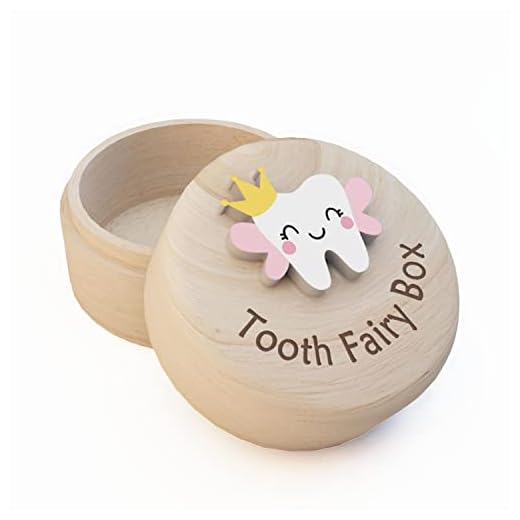
Encourage your child to make or decorate a special container for their teeth. This could be a small box, pouch, or even a tooth-shaped pillow. Not only does this make the tradition more interactive, but it also provides a designated spot for the Tooth Fairy to find the tooth and leave a gift.
The Educational Side of the Tooth Fairy
While the Tooth Fairy tradition is primarily about fun and magic, it can also be a valuable tool for teaching children about dental health and hygiene.
Promoting Good Oral Hygiene
Use the Tooth Fairy as a motivator for good dental habits. You might suggest that the Tooth Fairy gives bigger rewards for well-cared-for teeth, encouraging regular brushing and flossing. Some parents even have the Tooth Fairy leave new toothbrushes or fun dental care items along with the usual gift.
Teaching About Dental Development
The loss of baby teeth is an important developmental milestone. Use the Tooth Fairy visits as an opportunity to teach your child about how their mouth is growing and changing. You can explain why we lose baby teeth and how to care for the new adult teeth that are coming in.
When the Magic Fades: Handling Questions and Doubts
As children grow older, they may start to question the existence of the Tooth Fairy. Handling these doubts with sensitivity is important to preserve the magic for younger siblings and to help older children transition gently into a new understanding.
Answering Difficult Questions
When children start asking pointed questions about the Tooth Fairy, it’s often best to turn the questions back to them. Ask what they think and how they feel about it. This approach allows you to gauge their readiness to know the truth and lets them come to their own conclusions gradually.
Transitioning to New Traditions
For children who have outgrown the Tooth Fairy belief, consider creating new traditions around lost teeth. This might involve saving the teeth as keepsakes, marking the loss of the last baby tooth with a special celebration, or encouraging older children to play Tooth Fairy for younger siblings.
The Science Behind Lost Teeth
While we’ve explored the magical side of lost teeth, there’s also fascinating science behind this childhood milestone. Understanding the biology can add another layer of wonder to the Tooth Fairy tradition.
The Process of Losing Baby Teeth
Humans have two sets of teeth in their lifetime: baby teeth (also called primary or deciduous teeth) and adult teeth (permanent teeth). The process of losing baby teeth, known as exfoliation, typically begins around age 6 and can continue until age 12 or 13. This natural process makes room for the larger, permanent teeth to emerge.
Why We Lose Baby Teeth
Baby teeth are smaller and have shorter roots than permanent teeth. As the permanent teeth develop and push upward, they gradually dissolve the roots of the baby teeth in a process called root resorption. This is why loose teeth often have little to no root left when they finally fall out.
FAQs
1. At what age should we start the Tooth Fairy tradition?
The Tooth Fairy tradition typically begins when a child loses their first tooth, usually around age 5 or 6. However, every child is different, and teeth can start falling out anywhere between ages 4 and 8. It’s best to introduce the concept shortly before you expect your child to start losing teeth, so they’re familiar with the idea when the time comes.
2. How much money should the Tooth Fairy leave?
The amount varies widely based on family traditions, budgets, and regional norms. According to a 2021 survey by Delta Dental, the average rate for a lost tooth in the United States was $4.70. However, many families choose to leave $1 or $2 per tooth. The most important thing is consistency within your own family and keeping the focus on the magic rather than the money.
3. What if my child swallows a tooth or loses it before putting it under the pillow?
Don’t worry! The Tooth Fairy understands these things happen. You can have your child write a note explaining what happened and leave it under their pillow instead. Some parents even create a “receipt” or “I.O.U.” from the Tooth Fairy to make the situation feel official and maintain the magic.
4. How can I help my child who’s afraid of the Tooth Fairy?
Some children might feel anxious about a stranger entering their room at night, even a magical one. In these cases, you can adapt the tradition. Perhaps the Tooth Fairy leaves gifts in a special box outside the bedroom or trades the tooth for a gift during the day while the child is at school. The key is to make the experience positive and comfortable for your child.
Final Thoughts
The Tooth Fairy tradition, with all its magic and wonder, offers more than just a whimsical exchange of teeth for treats. It provides a unique opportunity for parents and children to bond over a shared secret, to celebrate growth and change, and to inject a bit of enchantment into everyday life. Whether you believe the Tooth Fairy uses teeth to build castles, create fairy dust, or simply catalogues them in a vast magical library, the true power of this tradition lies in its ability to spark imagination and create lasting memories.
As we navigate the sometimes challenging waters of childhood, traditions like the Tooth Fairy serve as beacons of joy and wonder. They offer comfort during times of change, reward for small accomplishments, and a touch of magic in a world that can often seem all too ordinary. Even as children grow and the literal belief in fairies fades, the lessons of kindness, the importance of caring for our health, and the value of imagination remain.
So the next time a tiny tooth finds its way under a pillow in your home, take a moment to appreciate the simple yet profound magic of this childhood rite of passage. Whether you’re crafting elaborate fairy notes, sprinkling a trail of glitter, or simply exchanging a tooth for a coin, you’re not just playing a role – you’re creating a piece of childhood magic that may well be remembered and treasured for a lifetime.
Shop Related Products