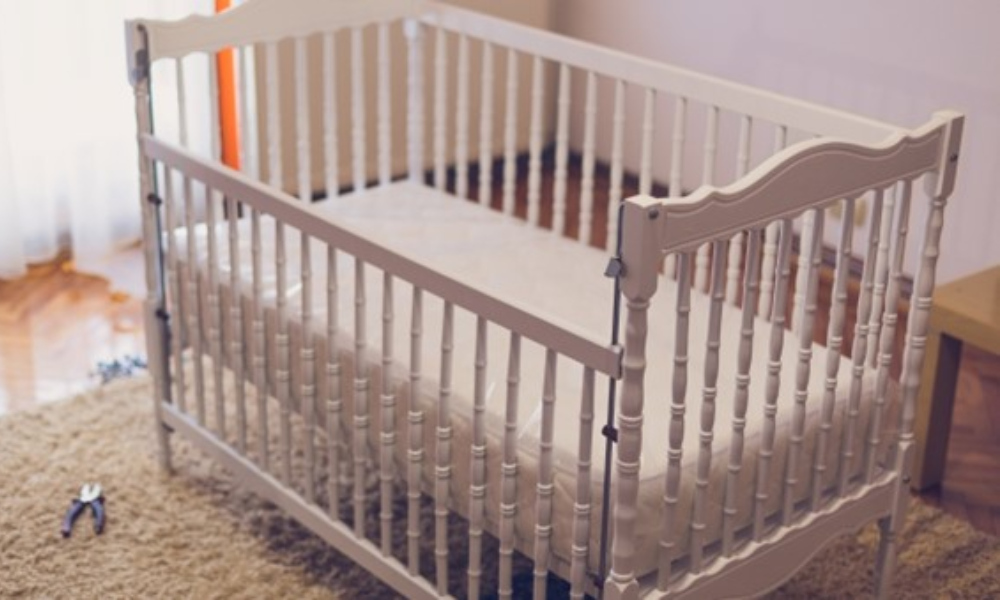
When it comes to our little ones, safety is always our top priority. As parents, we spend countless hours researching and selecting the perfect baby cribs to ensure our children have a secure and comfortable sleeping environment. However, one question that often arises but is seldom discussed in depth is, how much weight can a crib actually hold?
Understanding the weight limits of a crib is crucial, not just for safety reasons, but also for maximizing the lifespan of this essential piece of nursery furniture. Whether you’re considering a standard crib, a 4 in 1 baby crib, or exploring various crib accessories, knowing the weight capacity can help you make informed decisions about when to transition your child to a toddler bed.
Today, we’ll delve into the factors that determine crib weight limits, explore industry standards, and provide you with practical tips to ensure your baby’s crib remains a safe haven throughout their early years. From understanding manufacturer guidelines to recognizing signs that it’s time for an upgrade, we’ve got you covered with all the information you need to keep your little one secure and comfortable.
Understanding Crib Weight Limits
Crib weight limits are a crucial safety feature that every parent should carefully consider. These limits indicate the maximum weight a crib can safely support to ensure its stability and structural integrity throughout use. Ignoring these guidelines can compromise the crib’s safety, increasing the risk of accidents. Let’s delve into why these limits matter and what they mean for parents.
Why Weight Limits Are Essential?
Adhering to the manufacturer’s weight guidelines is vital for several reasons, with your child’s safety being the top priority. Exceeding the recommended weight can lead to structural failure, which may result in a dangerous collapse. Staying within these limits not only protects your child but also ensures their comfort by preventing overcrowding or instability that could make them restless.
Additionally, reaching the crib’s weight limit often signals it’s time to transition your child to a new sleeping arrangement. This natural progression helps facilitate a smooth and safe shift to the next stage of their sleep environment. By understanding and respecting crib weight limits, you can create a safer, more comfortable space for your little one and enjoy greater peace of mind.
Common Weight Limit Guidelines
Most cribs on the market have weight limits that range from 50 to 100 pounds, depending on the type of crib and its intended use. Knowing these limits is essential to ensuring your baby’s safety and getting the most out of your crib purchase. Let’s break down how these limits function across different contexts:
1. Standard Cribs
Most conventional baby cribs tend to have a weight limit of around 50 to 70 pounds. These cribs are specifically designed for infants and young toddlers, providing a safe and secure sleeping environment. The weight limit ensures that the crib can support not just your baby but also the mattress and any bedding or accessories comfortably, reducing risks of structural wear or instability over time.
2. Convertible Cribs
Models like the 4 in 1 Baby Crib can often hold up to 100 pounds or more. These cribs are built to grow with your child, transitioning from a standard crib to a toddler bed, daybed, or even a full-sized bed as your child gets older. The higher weight limits accommodate these changes and make convertible cribs a versatile and long-term investment for parents. This design ensures that your child can continue to use the bed safely as they grow bigger and heavier, extending the lifespan of the crib well beyond the infant years.
3. Mini Cribs
Mini cribs are smaller than standard cribs and are a fantastic option for families with limited space, such as those living in apartments or smaller homes. However, their smaller dimensions usually mean a lower weight limit, typically ranging from 35 to 45 pounds. Depending on your child’s growth and development, you may need to transition out of a mini crib sooner than you would with a standard crib.
4. Travel Cribs
Travel cribs sometimes referred to as pack-and-play cribs, are designed with portability and convenience in mind. Lightweight and easy to set up, they are perfect for families on the move or for providing a safe sleeping space while visiting friends and family.
However, their portability often comes at the expense of durability, and they usually have lower weight limits, typically around 30 to 35 pounds. While they’re great for short-term use, such as naps or travel, they are not designed for long-term sleeping arrangements. As a parent, you should plan ahead and transition your child to a more permanent sleeping solution as needed.
5. Custom Cribs
Custom-made cribs are unique and can be tailored to fit specific needs or aesthetics, offering a more personalized touch to your nursery. Depending on the materials used and the construction quality, custom cribs can have widely varying weight capacities. Some designs may accommodate higher weight limits, while others might align more closely with standard cribs.
If you’re considering investing in a custom crib, it’s essential to have an open discussion with the manufacturer about its weight limit and structural integrity. Additionally, ensure that the crib adheres to established safety standards to provide a secure sleeping environment for your child.
Factors Influencing Weight Capacity
Crib weight limits are dictated by various factors, which include materials, design, and overall construction quality. Let’s examine these in detail.
- Materials
The type of material used in constructing the crib significantly influences its weight capacity. Cribs made from solid hardwood tend to provide higher weight limits, as they possess a sturdier frame and more durability compared to those made from particleboard or softer woods.
For instance, a crib constructed from maple or oak usually offers better stability and longevity, allowing it to withstand heavier loads without compromising safety. We should also consider cribs made from quality metals or composite materials that have undergone rigorous testing.
- Design
Crib designs play a direct role in determining weight capacity. Cribs with reinforced structures, such as those featuring bolstered joints or cross supports, are more likely to support higher weights. Furthermore, a low center of gravity design can provide added stability, reducing the risk of tipping, which is crucial as children grow and become more active.
- Construction Quality
The craftsmanship of the crib also matters significantly. High-quality construction typically involves stricter manufacturing standards and rigorous testing for safety and durability. Reviewing product specifications and customer reviews can give insights into a crib’s construction and whether it meets necessary safety standards.
Signs Your Baby is Outgrowing Their Crib

Knowing the signs that indicate your child outgrowing their crib is important for ensuring their continued safety and comfort. Here are some indicators to observe.
1. Height & Movement
Most cribs are designed for children up to 35 inches tall. If your child can stand in the crib and the rail is at or below chest level, it’s time to transition to a toddler bed. And when your little one can easily pull themselves up and even try to vault over the crib edges, it’s time to assess whether a transition to a toddler bed or a different sleeping arrangement is necessary. Not only is this about their safety, but allowing for a safe sleeping environment is also critical for their development.
2. Weight Considerations
As your baby grows, their weight will increase, and it’s crucial to be aware of when they approach or exceed the crib’s weight limit. Paying close attention to your child’s growth patterns will help you recognize when it may be time for a change.
If your child seems to be getting heavier, or if you notice they are reaching the weight limits suggested by the manufacturer, don’t hesitate to start evaluating more spacious alternatives. A crib exceeding its weight limit can become less stable and might pose a risk of accidents and injuries, which every parent wants to avoid.
3. Sleep Quality
Another important aspect to consider is your child’s sleep quality. If you see that your little one is tossing and turning more often, it might be indicative that they need more space. Cribs that feel cramped can hinder restful sleep, potentially affecting your child’s mood and behavior during the day.
Ensuring Crib Safety Beyond Weight Limits
- Regularly inspect your crib for any loose screws, broken parts, or signs of wear. Address any issues immediately to maintain the crib’s integrity and safety.
- Always follow the manufacturer’s instructions for assembly carefully. Improper assembly can compromise the crib’s weight capacity and overall safety.
- Use a firm mattress that fits snugly in the crib. Avoid using soft bedding, pillows, or crib bumpers, which can pose suffocation risks.
- Place the crib away from windows, heaters, lamps, wall decorations, and cords. Ensure there’s nothing within reach that could pose a strangulation or suffocation hazard.
- Be cautious with crib accessories. While items like baby crib netting might seem helpful, they can pose safety risks if not used correctly. Always check that any accessories are safe and don’t compromise the crib’s integrity.
- As your baby grows and becomes more mobile, lower the crib mattress to prevent falls. Most cribs have adjustable mattress heights for this purpose.
FAQs
1. What is the average weight limit for a standard crib?
The average weight limit for a standard crib typically ranges from 50 to 70 pounds. This capacity is designed to accommodate infants and toddlers comfortably. It’s essential to refer to the manufacturer’s specifications for your specific crib model to ensure safe usage, as some cribs may support higher weight limits depending on their design and materials.
2. How can I tell if my baby is outgrowing their crib?
You can identify if your baby is outgrowing their crib by observing their height, weight, and mobility. Signs include your child attempting to climb out, reaching the crib’s weight limit, or showing signs of restlessness and discomfort while sleeping. If they are consistently standing up or can easily pull themselves over the crib’s edge, it may be time to consider a larger sleeping arrangement.
3. Are convertible cribs a good investment for weight capacity?
Yes, convertible cribs like the 4 in 1 Baby Crib are excellent investments for weight capacity. These cribs are designed to transform from a standard crib to a toddler bed, daybed, and even a full-sized bed. This versatility not only allows for extended use but also often features higher weight limits, providing safety and comfort as your child grows.
4. What materials are best for ensuring a higher weight limit in cribs?
Cribs made from solid hardwood, such as oak or maple, generally offer a higher weight limit and enhanced durability compared to those constructed from softer woods or particleboard. The sturdiness of solid wood provides better stability, making it a safer choice as your child grows and becomes more active.
5. How often should I inspect my crib for safety?
It’s advisable to inspect your crib at least once a month for safety. During these checks, look for any loose screws, cracked wood, or structural weaknesses. Additionally, ensure that the mattress fits snugly against the sides and that there are no hazards like loose bedding or toys in the crib. Regular maintenance ensures a safe sleeping environment for your child.
Final Thoughts
The weight capacity of a crib is a crucial factor in ensuring your child’s safety and comfort. By understanding the limits of your specific crib and recognizing the signs that your child may be outgrowing it, you can make informed decisions about your little one’s sleeping arrangements.
Remember, these weight limits are set with your child’s safety in mind, and adhering to them is an important part of responsible parenting. While weight is an important consideration, it’s just one aspect of crib safety. Regular inspections, proper assembly, and appropriate use of the crib are equally important.
As your child grows, be prepared to make transitions when necessary, whether that means lowering the mattress, removing mobiles, or eventually moving to a toddler bed. Each stage brings its own joys and challenges, and being informed helps you navigate these changes with confidence.
Shop Related Products