

Swaddling, an age-old practice of wrapping infants in soft blankets, mimics the warmth and security of the womb, promoting calmness and fostering sound sleep. Primarily used during the initial months after birth, it aids in regulating the baby’s body temperature and reducing the startle reflex, which can often wake infants. However, incorrect swaddling may pose risks, such as hip dysplasia or overheating.
Thus, it’s crucial to learn the right technique. This guide offers a practical and safe approach to swaddling your newborn, ensuring their utmost comfort and safety. By following these steps, you can create a nourishing environment for your infant, helping them adjust to life outside the womb while giving yourself a bit of well-deserved rest. So, let’s get started!
What Is Swaddling?
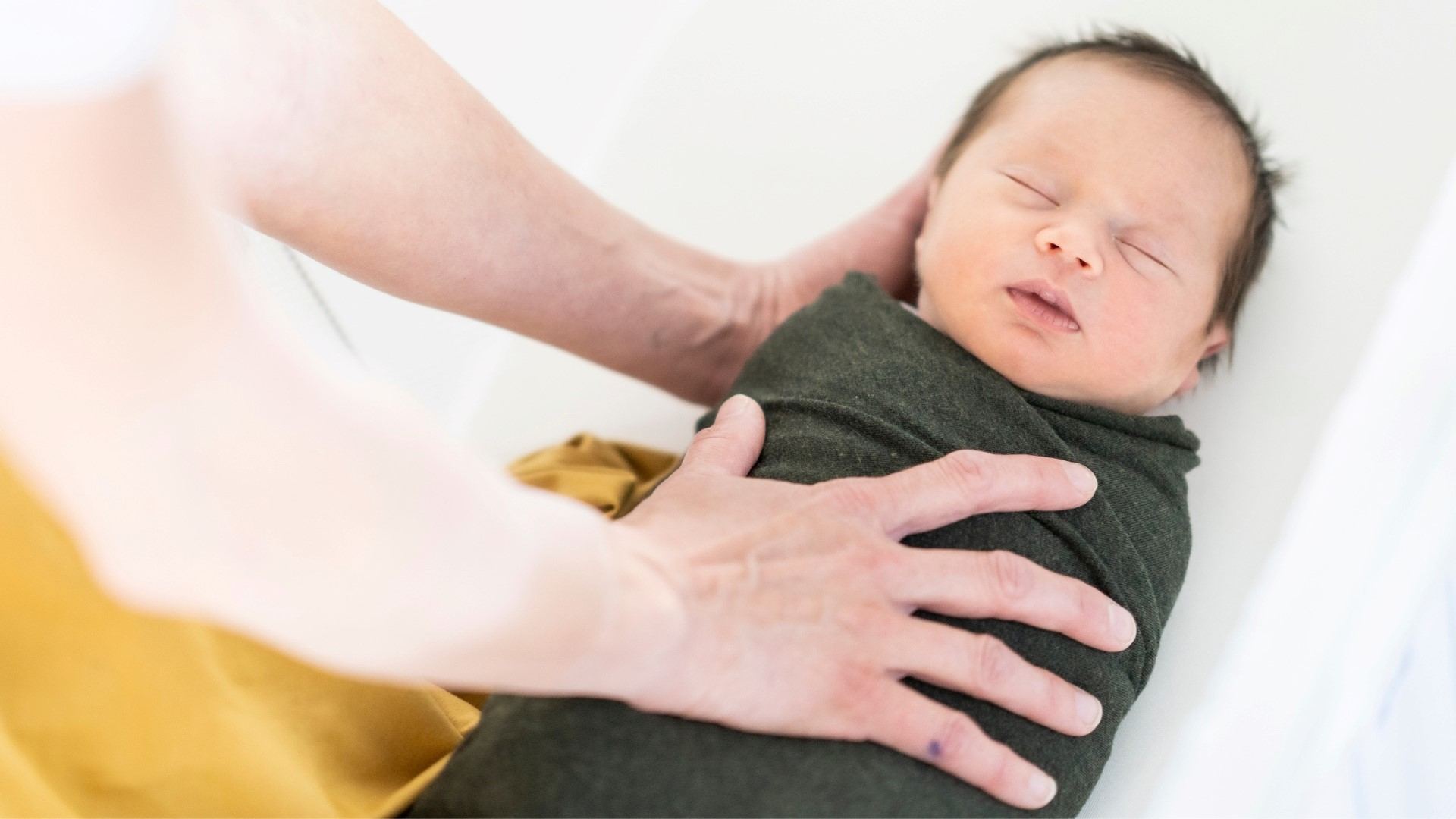
If you’re a new or expecting parent, you might be unfamiliar with the concept of swaddling a baby. It’s a term that’s often mentioned without much explanation. Don’t worry, we’ve got you covered!
Swaddling is an ancient practice of wrapping infants snugly with a blanket, providing comfort and soothing effects. Many believe that swaddling mimics the sensation babies experience in the womb, creating a calming effect. It quickly becomes a go-to technique for parents to help their little ones settle down, fall asleep, and stay asleep.
Another benefit of swaddling is its ability to prevent infants from waking themselves due to the Moro reflex, also known as the startle reflex. This reflex occurs when a sudden disruption startles an infant, causing them to throw back their head, extend their arms and legs, cry, and then pull their limbs back in.
Swaddling is not only a time-honored tradition but also a practical way to ensure your baby’s comfort and minimize disruptions during sleep.
How To Choose The Right Swaddling Blanket or Wrap?
Choosing the right swaddle blanket or wrap is crucial for your baby’s comfort and safety. Here are some key factors to consider:
- Material: Opt for a soft, breathable fabric that is gentle on your baby’s skin. Popular choices include cotton, bamboo, and muslin. You can even find certified organic swaddle blankets that are free of toxins.
- Size: Swaddles come in various sizes, typically ranging from 40 to 48 inches square. Consider your baby’s size and the desired level of swaddling when selecting a blanket or wrap. Some options are specifically designed for newborns, while others can accommodate larger babies.
- Type of Swaddle: There are two main types of swaddles: traditional swaddle blankets and swaddle wraps. Traditional blankets require some skill to wrap correctly but offer more customization in terms of tightness and fit. Swaddle wraps, on the other hand, are easier to use and often come with fasteners or hook and loop closures for secure wrapping.
- Safety: Ensure the swaddle has no loose or dangling fabric, as it can pose a suffocation risk. The wrap should fit snugly around your baby’s body without restricting movement or breathing. Opting for a swaddle that is hip-healthy is also recommended to promote natural hip positioning.
Step-By-Step Guide To Swaddling A Newborn

Step 1: Preparing The Swaddle
Before you get started, lay the swaddle blanket on a flat surface and fold the top corner down about 6 inches. This creates a straight edge. Ensure the blanket is in the shape of a diamond. This is where you’ll place your baby.
Step 2: Positioning The Baby
Next, place your baby on their back on the swaddle blanket. Their neck should be on the folded edge. Keep your baby’s head above the blanket to prevent any chance of it covering their face, which could increase the risk of SIDS (Sudden Infant Death Syndrome).
Step 3: Wrapping The Left Side
Gently hold your baby’s right arm down flat at their side. Take the left corner of the blanket and pull it securely across your baby’s body. Tuck it under their right side. This should leave the right arm covered and the left arm free.
Step 4: Securing The Right Side
Now, fold up the bottom corner of the blanket over your baby’s feet, making sure they are not too constrained as this can interfere with their hip development. Then, place your baby’s left arm down flat at their side. Take the right corner of the blanket and wrap it over your baby’s body, tucking it under their left side. After this step, both of your baby’s arms should be securely swaddled.
Step 5: Checking The Swaddle
After you’ve wrapped your baby, it’s important to check if you’ve achieved a safe sleep swaddle. The wrap should be snug but not too tight. You should be able to slip a hand between the blanket and your baby’s chest, which ensures they can breathe easily. Moreover, check that the swaddle is loose around their hips and that their legs can move freely to prevent any hip issues.
Step 6: Knowing When To Stop Swaddling
Finally, remember that swaddling isn’t a long-term practice. As your baby grows and starts showing signs of rolling over, it’s time to stop swaddling. This is typically around the age of two to three months. Rolling over in a swaddle can pose a risk because babies need their arms and hands-free to lift their bodies for breathing.
By following these steps, you can safely swaddle your baby, ensuring their comfort and safety while reducing the risk of SIDS. Swaddling is an excellent tool in the early months to help soothe your baby to sleep, but remember, always monitor their comfort and growth to ensure the practice remains safe.
Tips for safe and effective swaddling
Tip 1: Observe Your Baby’s Cues
Observation is an essential skill for effective swaddling. Your baby may communicate their needs through facial expressions, movements, and sounds. If your little one appears restless or fussy even after swaddling, it may indicate that they’re uncomfortable or too warm. In contrast, a calm, peaceful expression generally means you’ve achieved the perfect swaddle. Tune in to your baby’s signals – they won’t steer you wrong!
Tip 2: Watch the Room’s Temperature
Keeping your baby safe also involves managing the temperature of their surroundings. Swaddling alone can provide considerable warmth, so ensure the room is cool, ideally around 68-72 degrees Fahrenheit. Overheating can be hazardous and lead to discomfort, so keep the room cool and airy. The swaddle should be enough to keep your baby cozy without additional heating.
Tip 3: Regularly Check for Comfort and Breathability
Your baby’s comfort is paramount while swaddling. The blanket should be snug, but not too tight. The easy “hand under the blanket” test can ensure your baby is comfortable and can breathe easily. What’s more, it’s essential to check that the swaddle isn’t too tight around your baby’s hips. Ensuring that their legs can move freely is a key factor in keeping your baby safe and promoting healthy hip development.
Common issues and solutions with swaddling
1. Baby is Resisting the Swaddle
One common issue that parents encounter when swaddling is the baby resisting or fighting the swaddle. This resistance might make you question whether or not swaddling is the right choice for your little one. However, don’t let it discourage you. It’s normal for babies to resist the swaddle at first, as the new sensation may feel unusual.
There’s a simple solution to this issue. Allow your baby time to adjust. Start by swaddling your baby for short periods during the day. This helps them get used to the sensation. Always remember to observe your baby’s reactions. If they continue to resist, swaddling might not be for them.
2. Baby is Continuously Breaking Free from the Swaddle
Another common issue is the baby breaking out of the swaddle. Seeing your baby wriggle their arms free might make you think you’re doing it wrong, but don’t worry. This is actually a testament to your baby’s strength and growing motor skills.
However, a loose swaddle defeats its purpose and can be unsafe. To keep your baby secure in their swaddle, ensure you’re wrapping them correctly. Practice makes perfect. Make sure the swaddle is snug across your baby’s chest but loose around their hips to allow for leg movement.
3. Baby is Not Sleeping Despite Being Swaddled
Some parents might find that even after swaddling, their baby has difficulty sleeping or staying asleep. If you’ve tried swaddling and your baby is still having trouble sleeping, it doesn’t necessarily mean that swaddling isn’t working.
Keep in mind that while swaddling can aid in soothing your baby to sleep, it’s not a cure-all solution for sleep issues. Other factors, such as hunger, discomfort, or needing a diaper change, can also affect your baby’s sleep. Always check for these possible issues as well when you’re trying to help your baby sleep.
Frequently Asked Questions – FAQs
1. How can I be sure the swaddle is safe for my newborn baby?
Safety is a paramount concern when you’re swaddling your baby. According to the American Academy of Pediatrics, the swaddle should be snug around the baby’s chest but loose around the hips to allow for leg movement. Make sure you can fit a hand between the blanket and the baby’s chest for breathability.
2. How do I wrap my baby’s left arm?
Wrapping your baby’s left arm for swaddling can seem tricky at first. Start by lying your baby down on the swaddle blanket, placing their shoulders level with the top of the blanket. Then, fold the left corner of the blanket over your baby like a bandana and tuck it under their right side.
3. Does every baby like being swaddled?
Every baby is different, some love being swaddled, while others may resist it. If your baby does not seem comfortable or fights against the swaddle, it may not be the right method for them. It’s important to observe and adapt to your baby’s preferences and needs.
4. How will I know when it’s time to stop swaddling?
Typically, you should stop swaddling when your baby starts to show signs of rolling over, which is often around the age of two to three months. This is because the baby needs their arms free to lift their bodies for breathing. Constant observance of such signs can help ensure your baby’s safety.
Final Thoughts
Safe swaddling is an important skill that every new parent should learn. It not only helps your baby sleep better by mimicking the snugness of the womb but also soothes a fussy baby. However, keep in mind that while swaddling can help promote sleep, it’s not a standalone solution. Proper feeding, diaper changes, and comfort are also crucial for your baby’s sleep.
Remember to regularly check for signs of overheating and ensure the swaddle is snug but not too tight. By learning how to swaddle correctly, you can provide a secure, comfortable environment for your newborn. Just as every baby is unique, how they react to swaddling can vary, so always be attentive to your baby’s needs and responses.
Shop Related Products


