The emergence of a baby’s first tooth marks a significant milestone in its development. This tiny pearl of enamel heralds a new phase of growth, bringing with it a mix of excitement and challenges for both parents and infants. Teething, while a natural process, can be a source of discomfort for babies and concern for caregivers unsure of what to expect or how to provide relief.
Each baby’s teething journey is unique, with teeth making their debut at varying times and in different orders. Some infants sail through this phase with barely a whimper, while others may experience considerable discomfort. The unpredictability of teething can leave parents feeling helpless, searching for signs and solutions to ease their little one’s transition.
In this guide, we’ll explore the teething timeline, shedding light on what parents can anticipate as their baby’s gummy smile transforms into a toothy grin. We’ll delve into the signs of teething, discuss common challenges, and offer practical strategies to soothe sore gums. Whether you’re a first-time parent or navigating teething with a subsequent child, this information will equip you to support your baby through this important developmental stage.
Understanding the Teething Process
Before we dive into the timeline, it’s crucial to understand what teething actually entails and why it can be challenging for babies.
What is Teething?
Teething is the process by which a baby’s first teeth (known as primary or milk teeth) break through the gums. This process typically begins around 6 months of age, although it can start as early as 3 months or as late as 12 months. Teething continues until all 20 primary teeth have emerged, usually by the time a child is 3 years old.
During teething, the tooth pushes through the gums, which can cause inflammation and discomfort. This process is entirely normal and necessary for your baby’s development. It’s important to note that while teething can cause some discomfort, it shouldn’t make your baby ill. If your baby has symptoms like high fever or diarrhea, it’s more likely due to an unrelated illness rather than teething.
Why Teething Can Be Uncomfortable
The discomfort associated with teething stems from the pressure of the tooth pushing against the gum. This pressure can cause the gum to become swollen and tender. Additionally, the process of the tooth breaking through the gum can be uncomfortable, similar to the way a minor cut might feel.
Some babies may experience more discomfort than others due to factors like:
- The thickness of their gum tissue
- The number of teeth coming in at once
- Their individual pain tolerance
It’s important to remember that while teething can be uncomfortable, it’s a necessary and ultimately brief part of your baby’s development.
The Teething Timeline

While every baby is unique, there is a general timeline for teething that many infants follow. Understanding this timeline can help you anticipate and prepare for your baby’s teething journey.
1. 6-10 Months: The First Teeth Appear
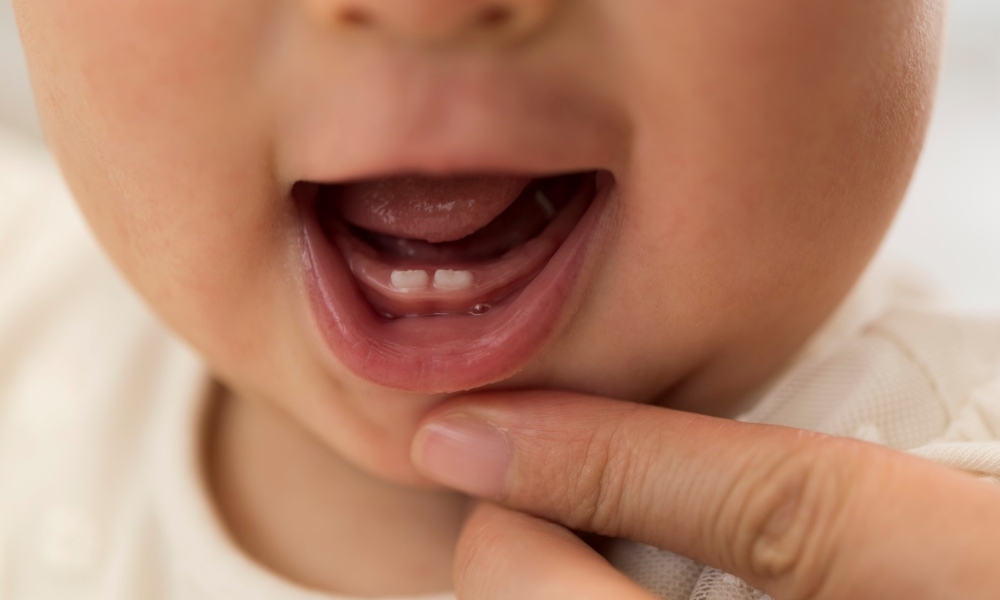
Typically, the first teeth to emerge are the bottom front teeth (lower central incisors). These often appear between 6 and 10 months of age. Shortly after, usually within a month or two, the top front teeth (upper central incisors) make their debut.
During this time, you might notice your baby drooling more than usual, putting objects in their mouth, or seeming more irritable. These are common signs of teething. However, it’s important to note that some babies might show no signs at all and suddenly surprise you with a new tooth!
2. 10-14 Months: More Front Teeth
Between 10 and 14 months, the teeth flanking the central incisors, known as lateral incisors, typically emerge. The upper lateral incisors often come in first, followed by the lower ones. By their first birthday, many babies have eight teeth – four on top and four on bottom.
This period can be particularly challenging as multiple teeth may be coming in at once. You might notice increased fussiness, changes in sleep patterns, or a decreased appetite during this time.
3. 14-18 Months: First Molars
Around 14 to 18 months, your baby’s first molars will start to appear. These are the wider, flatter teeth towards the back of the mouth. The emergence of molars can be more uncomfortable than front teeth due to their larger size.
You might notice your baby rubbing their cheeks or ears, as the discomfort from molar teething can sometimes be felt in these areas. Offering cold foods or teething toys can be particularly helpful during this stage.
4. 18-24 Months: Canines and More
Between 18 and 24 months, the canine teeth (the pointed ones between the incisors and molars) typically emerge. These are followed by the second molars, which usually come in between 23 and 33 months.
By the time your child is about 3 years old, they should have all 20 of their primary teeth. However, remember that this timeline can vary significantly from child to child. Some children may have all their teeth by 24 months, while others might not complete teething until after their third birthday.
Signs of Teething
Recognizing the signs of teething can help you understand your baby’s behavior and provide appropriate comfort. While every baby is different, there are some common signs to watch for.
Physical Signs
Some visible signs that your baby might be teething include:
- Swollen, red gums: The area where the tooth is emerging may appear slightly swollen or redder than usual.
- Drooling: Many babies produce more saliva during teething, which can lead to excessive drooling.
- Chin rash: The extra drool can sometimes cause a rash on the chin, neck, or chest.
- Cheek rubbing and ear pulling: Your baby might rub their cheek or pull at their ear on the side where a tooth is coming in due to referred pain.
- Visible tooth below the gum: Sometimes, you might be able to see the outline of the emerging tooth below the gum.
Behavioral Signs
Teething can also lead to changes in your baby’s behavior:
- Increased irritability: Your usually happy baby might become more fussy or cranky.
- Changes in sleeping patterns: Some babies have trouble sleeping when they’re teething.
- Decreased appetite: The discomfort might make your baby less interested in eating, especially solid foods.
- Biting and gnawing: Your baby might want to chew on everything they can get their hands on to relieve the pressure in their gums.
It’s important to note that while these signs can indicate teething, they can also be symptoms of other issues. If you’re concerned about your baby’s symptoms, especially if they include high fever, diarrhea, or prolonged fussiness, consult your pediatrician.
Soothing Teething Discomfort
While teething is a natural process, there are several ways you can help alleviate your baby’s discomfort.
Safe Teething Toys and Objects
Teething rings and toys can provide relief by applying counter-pressure to the sore gums. Look for teething toys that are:
- Made of safe, non-toxic materials
- Large enough that they can’t be swallowed or choked on
- Easy to clean and sterilize
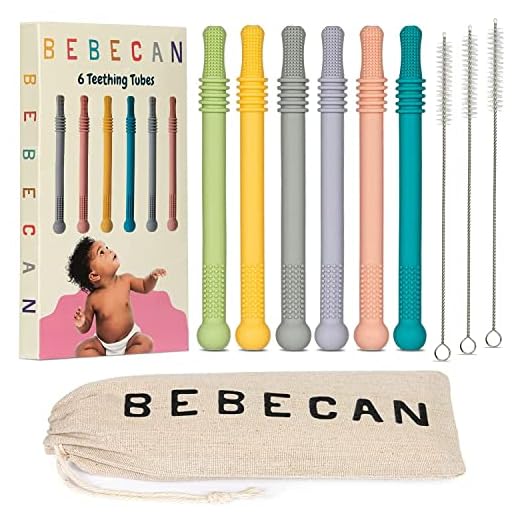
Some popular options include:
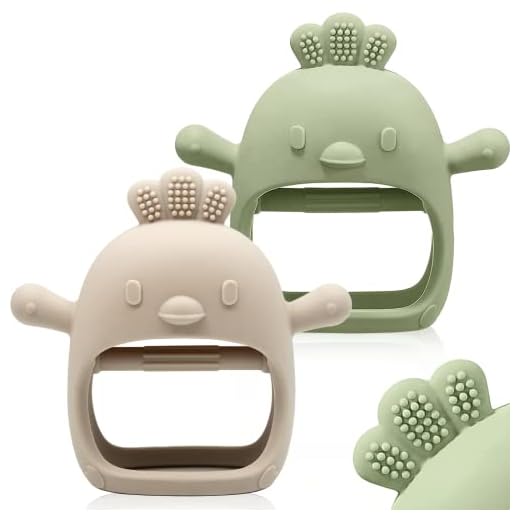
- Silicone teething rings: These are soft, easy to grip, and can be chilled for extra relief.
- Wooden teething toys: Natural and durable, but ensure they’re untreated and splinter-free.
- Teething necklaces for parents to wear: These allow babies to gnaw safely while being held.
Remember to always supervise your baby when they’re using teething toys, and regularly check the toys for signs of wear and tear.
Cold Therapy
Cold can help numb the gums and reduce inflammation. Try these cold therapy methods:
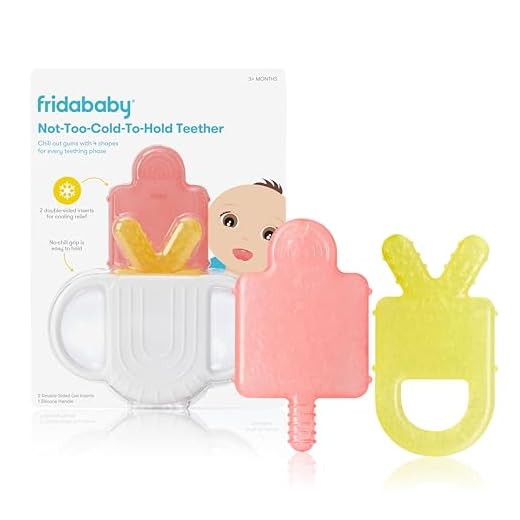
- Chilled (not frozen) teething rings: Place a clean teething ring in the refrigerator for a short time.
- Cold washcloth: Wet a clean washcloth, wring out excess water, and chill it in the refrigerator. The texture can be soothing for the baby to gnaw on.
- Cold foods: If your baby has started solids, offer cold foods like chilled applesauce or yogurt.
Never give your baby frozen objects to chew on, as these can be too hard and may hurt their gums.
Gentle Gum Massage
A gentle gum massage can help alleviate teething discomfort:
Wash your hands thoroughly. Use your clean finger or a soft, damp washcloth to gently rub your baby’s gums. Apply gentle pressure in a circular motion. This can help break up the pressure under the gums and provide some relief. Always be gentle and stop if your baby seems uncomfortable.
When to Consult a Dentist
While teething is a normal process, there are times when professional dental advice might be necessary.
First Dental Visit
The American Academy of Pediatric Dentistry recommends that children should have their first dental visit by their first birthday or within six months of their first tooth appearing, whichever comes first. This early visit helps establish good oral health habits and allows the dentist to check for any potential issues.
During this visit, the dentist can:
- Examine your baby’s existing teeth
- Check for proper oral development
- Discuss teething and proper oral care
- Address any concerns you might have
Signs of Potential Dental Issues
While most teething proceeds without complications, be aware of signs that might indicate a need for dental attention:
- Severely swollen or bleeding gums: While some swelling is normal, excessive swelling or bleeding could indicate an infection.
- Delayed teething: If your baby hasn’t gotten any teeth by 18 months, it’s worth discussing with a dentist.
- Discolored teeth: Any signs of discoloration on emerging teeth should be evaluated.
- Misaligned teeth: While some misalignment is normal in baby teeth, significant misalignment might need attention.
If you notice any of these signs or have other concerns about your baby’s oral health, don’t hesitate to consult a pediatric dentist.
FAQs
1. Can teething cause fever in babies?
While teething can cause a slight increase in body temperature, it doesn’t typically cause a true fever (temperature of 100.4°F or higher). If your baby has a fever, it’s more likely due to an unrelated illness. Always consult your pediatrician if your baby has a persistent fever, as teething shouldn’t make your baby sick.
2. Are teething necklaces safe for babies to wear?
The American Academy of Pediatrics advises against using teething necklaces due to the risks of choking and strangulation. Instead, they recommend using teething rings made of firm rubber. If you choose to use a teething necklace, it should only be worn under close adult supervision and never during sleep or unsupervised times.
3. How long does the teething process usually last for each tooth?
The teething process for each tooth can vary but typically lasts about 8 days. Symptoms often begin about 4 days before the tooth emerges and continue for about 4 days after. However, this can vary greatly from baby to baby and tooth to tooth.
4. Can I use over-the-counter teething gels to soothe my baby’s gums?
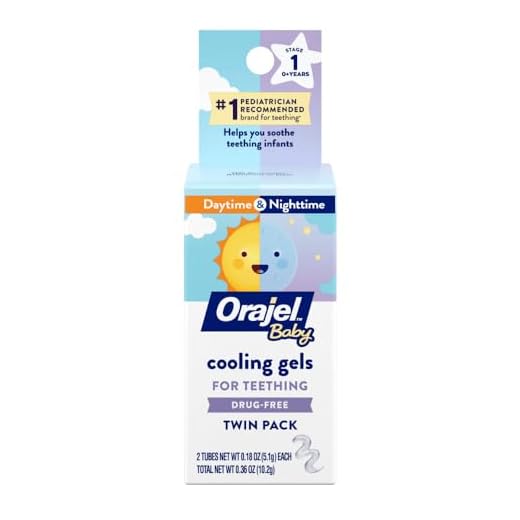
The FDA advises against using over-the-counter teething gels containing benzocaine due to potential health risks. Instead, they recommend using teething rings, massaging the gums, or applying a cool washcloth. Always consult your pediatrician before using any medication for teething relief.
Final Thoughts
The teething journey, while challenging at times, is a remarkable phase in your baby’s development. Each new tooth that emerges is a testament to your little one’s growth and a step towards their first full smile. While the process can be uncomfortable, it’s temporary, and with patience and the right soothing techniques, you can help your baby navigate this milestone with minimal distress.
Throughout this process, trust your instincts as a parent. You know your baby best and will likely become attuned to their unique teething signs and what brings them comfort. Don’t hesitate to reach out to your pediatrician or a pediatric dentist if you have concerns or questions along the way.
Remember, every baby’s teething timeline is different. Some may breeze through with barely a whimper, while others might need extra comfort and patience. Embrace this phase as another opportunity to bond with your little one, offering comfort and celebrating each tiny tooth as it makes its debut. Before you know it, you’ll be admiring a full set of pearly whites and marveling at how quickly your baby has grown.
Shop Related Products